Neuroscience onAir Hub

Content here

Hubs are crowd-sourced and curated by researchers, educators, students, and other interested parties and shepherded by a Hub Manager.

NKN has been established by the Open Network Alliance.  Open Networks is a non-profit social enterprise incorporated in Pennsylvania. Open Networks provides support to Hub Managers including the creation and embedding of a Hub specific Twitter feed and YouTube channel.  For more information on Open Networks, being a member, and Hub features, go to this post.

Note: NKN is still in alpha development stage.  To learn more about The Open Network, go here.

OnAir Post: Neuroscience onAir Hub

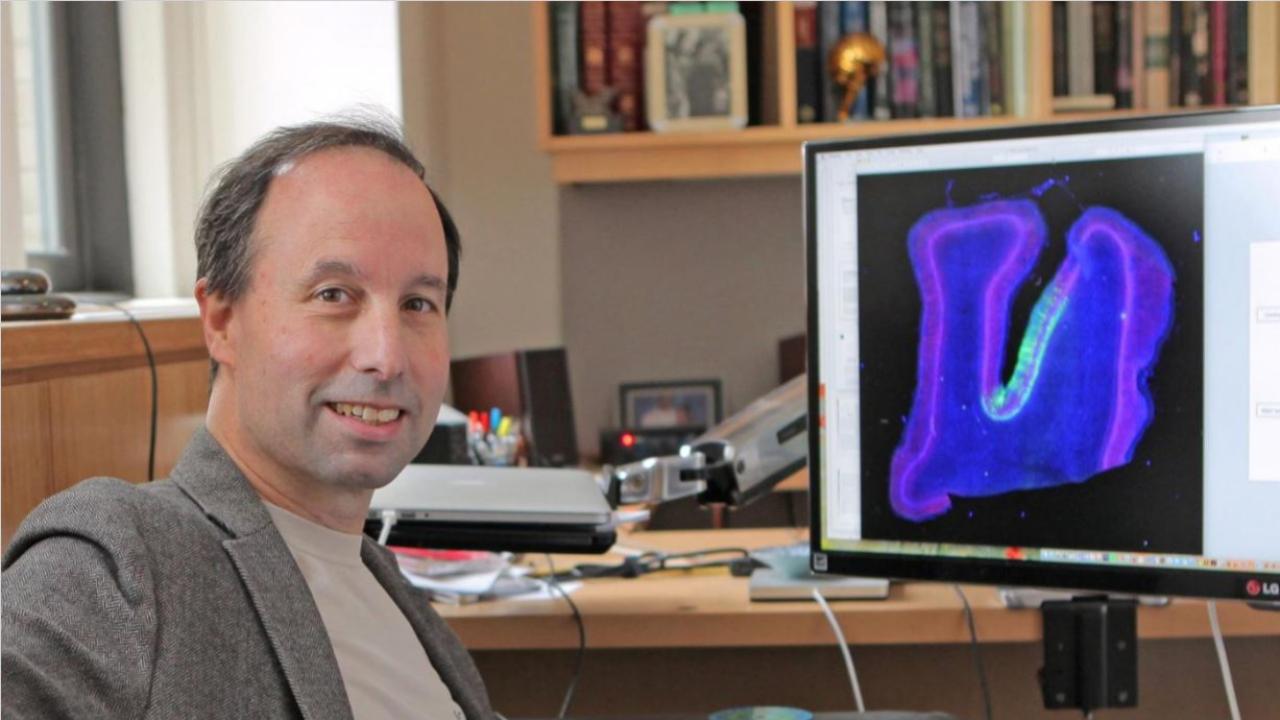
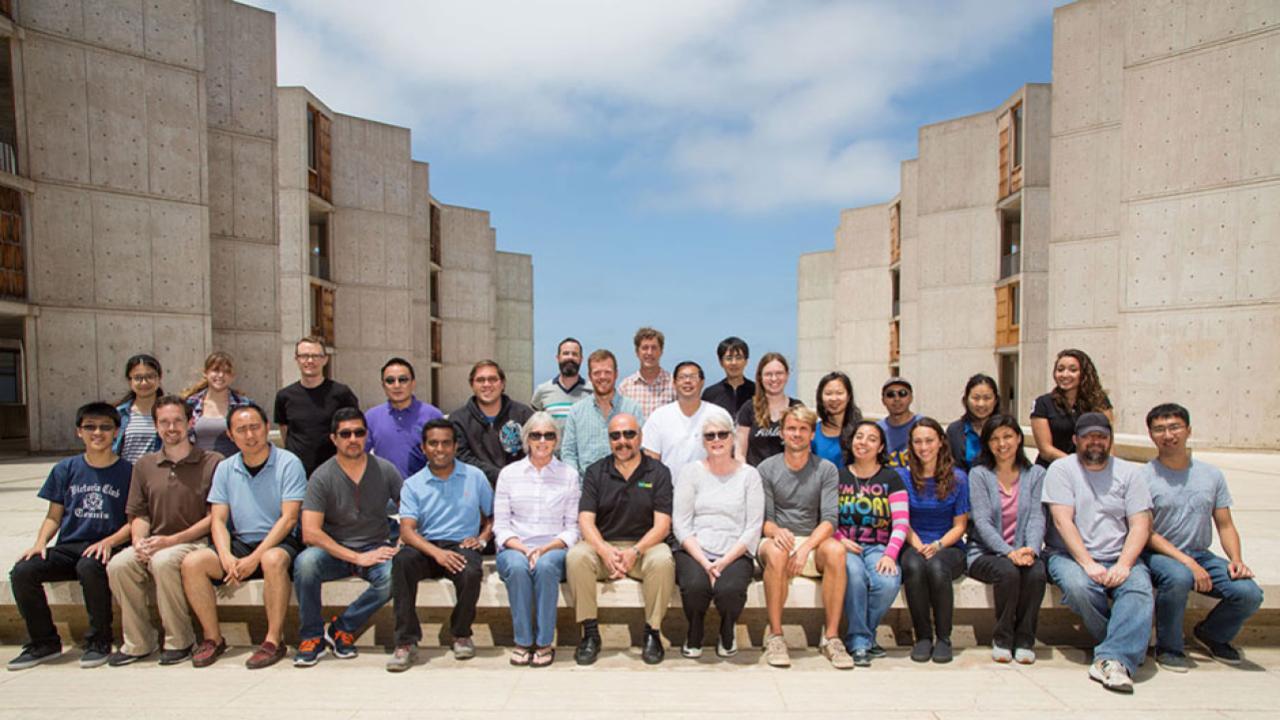
Ecker Lab – Salk

Principal Investigator: Joseph R Ecker Salk Institute for Biological Studies

Being able to study the epigenome in great detail and in its entirety will provide a better understanding of plant productivity and stress resistance, the dynamics of the human genome, stem cells’ capacity to self-renew and how epigenetic factors contribute to the development of tumors and disease. We are now exploring how DNA methylation effects the development of human embryonic stem (hES) cells as well as induced pluripotent stem (IPS) cells as they are induced to differentiate into other types of cells.


Web Information

Website:  pbio.salk.edu/pbioe/members Brain Initiative Grant

Contact Information

Phone: (858) 453-4100 x1752 Address: Salk Institute Genomic Analysis Laboratory 10010 N. Torrey Pines Road La Jolla, CA 92037

Research

The development of DNA sequencing technologies that produce vast amounts of sequence information has triggered a paradigm shift in biology, enabling massively parallel surveying of complex nucleic acid populations. The diversity of applications to which these technologies have already been applied demonstrates the immense range of cellular processes and properties that can now be studied at the single-base resolution. These applications include, but are not limited to, the sequencing of genomes to uncover nucleotide polymorphisms and structural variation, as well as epigenomes to reveal sites of DNA–protein interaction and ...
OnAir Post: Ecker Lab – Salk

Allen Institute


Summary

Allen Institute’s mission is to accelerate the understanding of how the human brain works in health and disease. Allen has been a major catalyst and facilitator of The BRAIN Initiative.

Launched in 2003 with a seed contribution from founder and philanthropist Paul G. Allen, the Allen Institute takes on large-scale initiatives designed to push brain research forward, enabling the global scientific community to more efficiently make discoveries that bring real-world utility.

https://www.youtube.com/watch?v=bmO8-17K8jsVideo can’t be loaded because JavaScript is disabled: Allen Institute for Brain Science: Understanding the Brain (https://www.youtube.com/watch?v=bmO8-17K8js)

Information

Main Website:  alleninstitute.org Allen Brain Atlas Website:  brain-map.org BRAIN Intitiative Grant – Establishing a Comprehensive and Standardized Cell Type Characterization Platform” Twitter: twitter.com/Allen_Institute YouTube Channel:  https://www.youtube.com/user/AllenInstitute Facebook: facebook.com/AllenInstitute Wikipedia Entry: wiki/Allen_Institute_for_Brain_Science

Phone:  (206) 548-7000

Address: Mercer St. and Westlake Avenue North Seattle. Washington


Organization

Founder: Paul Allen

Founder, President and Chairman: Joyce Allen

Chief Executive Officer: Allan Jones, Ph.D.

Chief Technlogy Officer: Chinh Dang

Chief Scientific Officer: Christof Koch, Ph.D.

Chief Operating Officer: David Poston


Research

The ...

OnAir Post: Allen Institute

Shedding Light on Biology of Human Consciousness

Columbia scientists have identified the brain’s ‘aha!’ moment, that flash in time when you suddenly become aware of information, such as knowing the answer to a difficult question. Today’s findings in humans, combined with previous research, provide compelling evidence that this moment, this feeling of having decided pierces consciousness when information being collected by the brain reaches a critical level.

The results of this study further suggest that this piercing of consciousness shares the same underlying brain mechanisms known to be involved in making far simpler decisions. Importantly, this study offers hope that the biological foundations of consciousness may well be within our grasp.

OnAir Post: Shedding Light on Biology of Human Consciousness

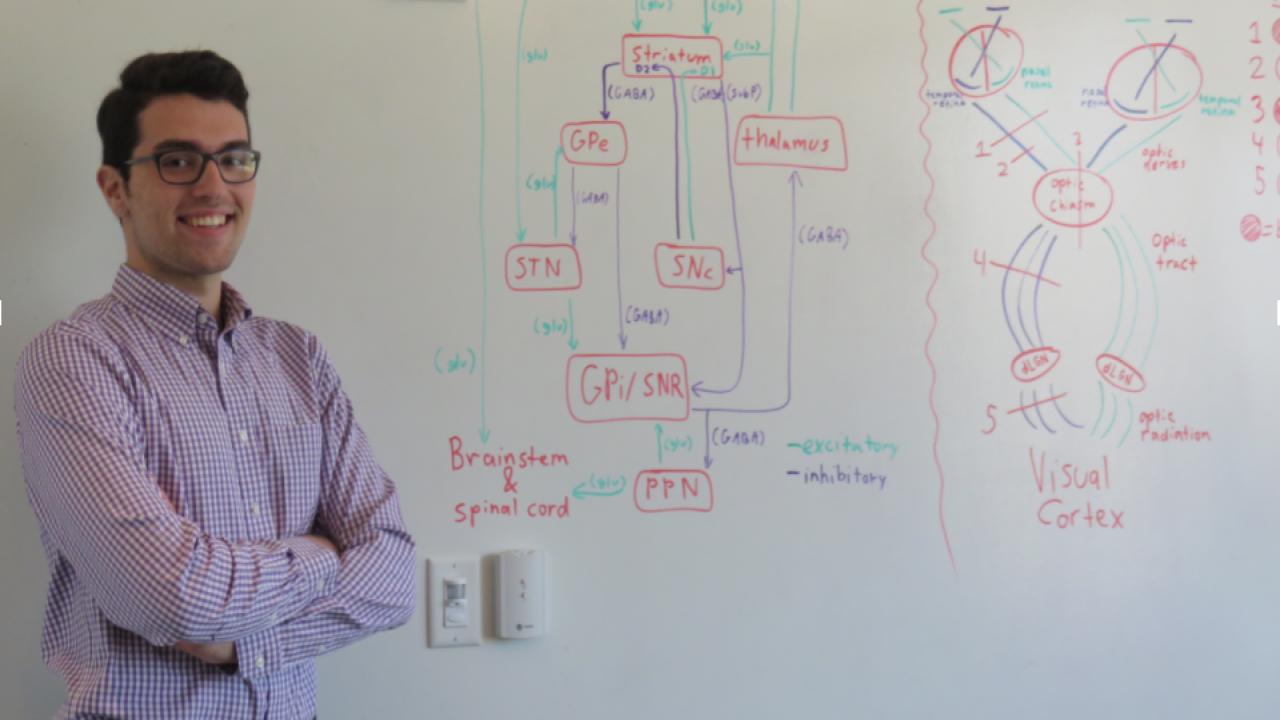
Noah Hochberg

I am an undergraduate student majoring in neuroscience.  I discovered neuroscience in a freshman psychology course, and after completing a course entitled brain and behavior during sophomore year, I declared my major.  Currently, my interests in neuroscience include the eye and the ocular system, addiction and the opioid epidemic, neural recording and mapping, neuroanatomy and physiology, psychopharmacology, pain, movement, neurodegenerative disorders, mental health, etc.  The more I delve into my major, the more I will narrow down my interests.  I am working towards a position in graduate school after Lawrence to obtain either a masters or doctorate in neuroscience.

OnAir Post: Noah Hochberg

Skip to toolbar