Addictions Alzheimer’s Disease
Autism Brain Tumor
Insomnia Mental Disorders
Parkinson’s Disease Spinal Cord Injuries
Stroke Traumatic Brain Injuries
OnAir Post: Conditions
Addictions Alzheimer’s Disease
Autism Brain Tumor
Insomnia Mental Disorders
Parkinson’s Disease Spinal Cord Injuries
Stroke Traumatic Brain Injuries
OnAir Post: Conditions
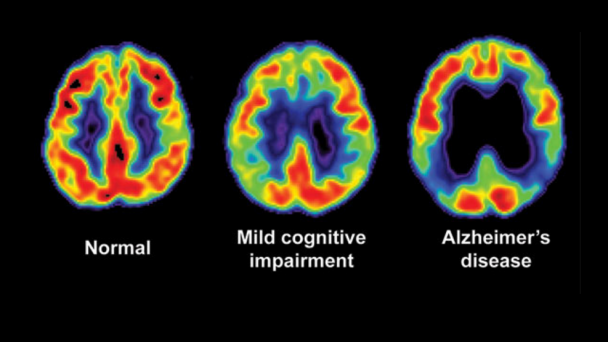
The most common early symptom is difficulty in remembering recent events (short-term memory loss). As the disease advances, symptoms can include problems with language, disorientation (including easily getting lost), mood swings, loss of motivation, not managing self care, and behavioral issues.
Initial Overview based on Wikipedia entry Jan. 5, 2016.
OnAir Post: Alzheimer’s Disease Overview

Mental disorders include: depression, bipolar affective disorder, schizophrenia and other psychoses, dementia, intellectual disabilities and developmental disorders including autism.
Initial Overview based on Wikipedia entry Jan. 5, 2016.
OnAir Post: Mental Disorders Overview

These signs often develop gradually, though some children with autism reach their developmental milestones at a normal pace and then regress. The diagnostic criteria require that symptoms become apparent in early childhood, typically before age three.
Initial Overview based on Wikipedia entry Jan. 5, 2016.
OnAir Post: Autism Overview
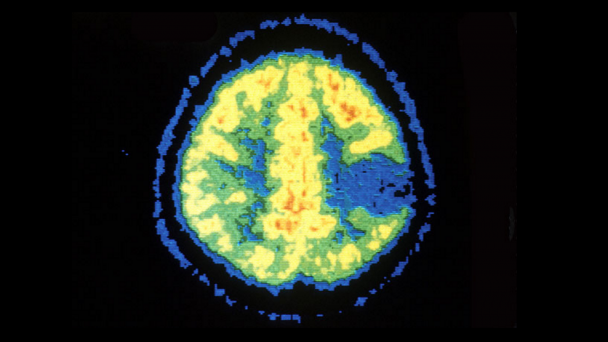
Cancerous tumors can be divided into primary tumors that start within the brain, and secondary tumors that have spread from somewhere else, known as brain metastasis tumors.
Initial Overview based on Wikipedia entry Jan. 5, 2016.
OnAir Post: Brain Tumor Overview
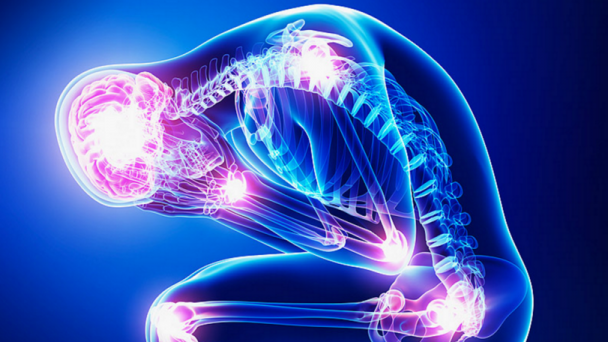
Chronic pain may originate in the body, or in the brain or spinal cord. It is difficult to treat, and is often handled by a pain management team. Some people with chronic pain benefit from opioid treatment and others from psychological treatments.
OnAir Post: Chronic Pain Overview

While the term is sometimes used to describe a disorder as diagnosed by polysomnographic or actigraphic evidence, this is often practically defined as a positive response to either of two questions: "do you experience difficulty sleeping?" or "do you have difficulty falling or staying asleep?"
Initial Overview based on Wikipedia entry Jan. 3, 2016
OnAir Post: Insomnia Overview
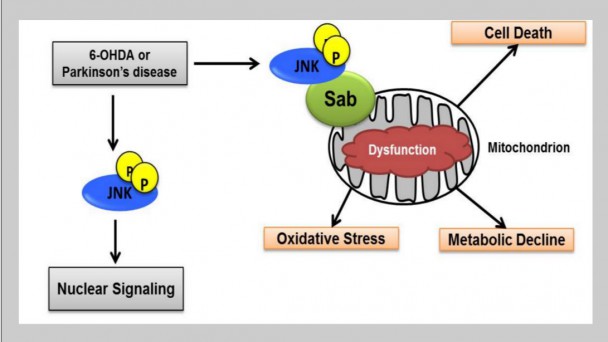
The motor symptoms of Parkinson's disease result from the death of dopamine-generating cells in the substantia nigra, a region of the midbrain.
Initial Overview based on Wikipedia entry Jan. 5, 2016.
OnAir Post: Parkinson’s Disease Overview
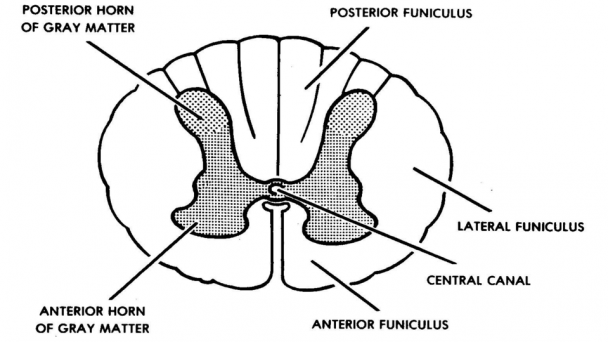
Common causes of damage are trauma (car accident, gunshot, falls, sports injuries, etc.) or disease (transverse myelitis, polio, spina bifida, Friedreich’s ataxia, etc.). The spinal cord does not have to be severed in order for a loss of function to occur.
Link to Spinal Cord Injury Hub
Initial Overview based on Wikipedia entry Jan. 4, 2016.
OnAir Post: Spinal Cord Injury Overview

There are two main types of stroke: ischemic, due to lack of blood flow, and hemorrhagic, due to bleeding.
In 2013, stroke was the second most frequent cause of death after coronary artery disease, accounting for 6.4 million deaths (12% of the total). About 3.3 million deaths resulted from ischemic stroke while 3.2 million deaths resulted from hemorrhagic stroke. About half of people who have had a stroke live less than one year.
OnAir Post: Stroke Overview
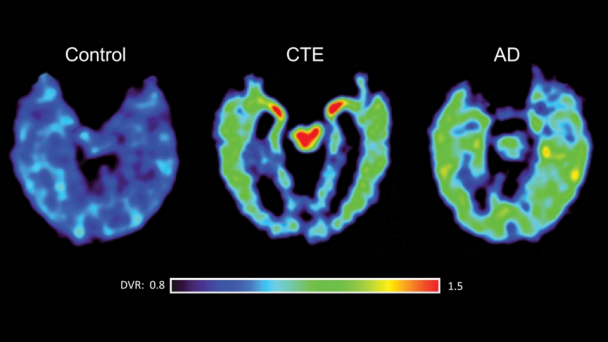
TBI can be classified based on severity, mechanism (closed or penetrating head injury), or other features (e.g., occurring in a specific location or over a widespread area). Head injury usually refers to TBI, but is a broader category because it can involve damage to structures other than the brain, such as the scalp and skull.
OnAir Post: Traumatic Brain Injury Overview