Richard Huganir, PhD – John Hopkins


Professor and Director of the Department of Neuroscience at Johns Hopkins University; Co-Director, Brain Science Institute; and HHMI investigator. Member of Multi-Council Working Group (NIMH council)

Huganir’s lab is credited for examining the molecular mechanisms underlying the regulation of neurotransmitter receptor function with a focus on glutamate receptors. Their studies have suggested that regulation of receptor function may be a major mechanism for the regulation of synaptic plasticity in the nervous system in health and disease.

Web Information

Department Webpage: hneuroscience.jhu.edu/resources/directory/faculty/richard-l.-huganir/

Lab Page: neuroscience.bs.jhmi.edu/huganir/

Twitter:

Contact Information

Email: rhuganir@jhmi.edu

Phone:  410-955-4050

Address: The Solomon H. Snyder Department of Neuroscience Johns Hopkins University School of Medicine 725 North Wolfe Street Baltimore, MD 21205 Room: Hunterian 1009A

Research

Regulation of Neurotransmitter Receptors and Brain Function in Health and Disease

Neurotransmitter receptors mediate signal transduction at the postsynaptic membrane of synaptic connections between neurons in the nervous system. We have been studying the molecular mechanisms in the regulation of neurotransmitter receptor function. Recently we have focused on glutamate receptors, the major excitatory receptors in the brain. Glutamate receptors can be divided into two major classes: AMPA and NMDA receptors. AMPA receptors mediate rapid excitatory synaptic transmission while NMDA receptors play important roles in neuronal plasticity and development. Studies in ...

OnAir Post: Richard Huganir, PhD – John Hopkins

Giorgio Ascoli

Founding Editor-in-Chief, Neuroinformatics

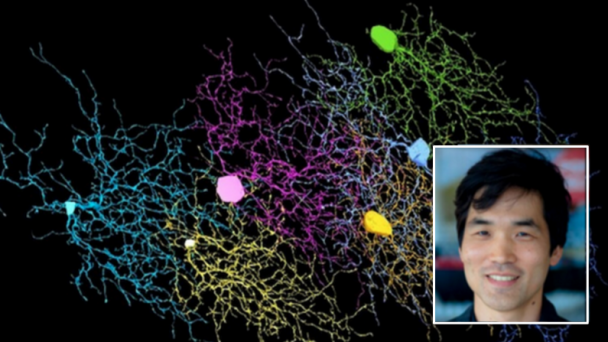
The main effort of Dr. Ascoli's lab is to connect the cellular organization of brain networks to cognitive functions such as learning and memory. His laboratory hosts and curates a central inventory of digitally reconstructed neurons in NeuroMorpho.Org and Hippocampome knowledge  base and has developed L-Neuron, a neuron modeling  tool. His  long-term scientific and philosophical goal consists in establishing a working model for the highest cognitive functions such as human consciousness.

OnAir Post: Giorgio Ascoli

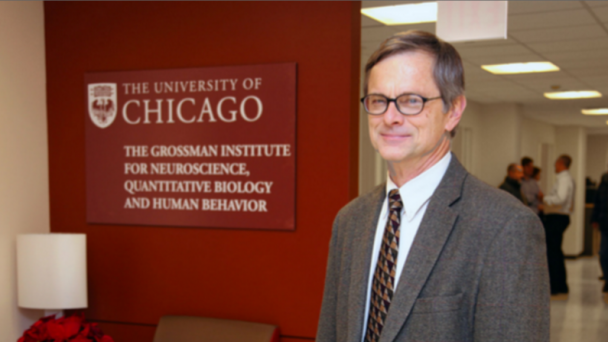
John Maunsell, PhD – Chicago


Professor, Department of Neurobiology Director, Grossman Institute for Neuroscience, Quantitative Biology and Human Behavior

Maunsell’s research is aimed at understanding how neuronal signals in visual cerebral cortex generate perceptions and guide behavior. Our approach is to record from individual neurons in trained, behaving monkeys and mice while they perform visual tasks. Another line of research has been exploring the more general question of how the activity of given neurons contributes to specific visual behaviors.

Web Information

Webpage: neurobiology.uchicago.edu/page/john-maunsell Neuroscience at University of Chicago  BRAIN Initiative Grant – “The role of patterned activity in neuronal codes for behavior”

Contact Information

Emailmaunsell@uchicago.edu Phone: (773) 702-3203 Address: The University of Chicago 5812 S Ellis Street, MC0912 Chicago, IL 60637


Biography

Since 2007, Maunsell has served as editor-in-chief of The Journal of Neuroscience, one of the top peer-reviewed journals in its field and primary publication of the Society for Neuroscience, the largest neuroscientist organization in the world. Maunsell brings to the University of Chicago an intimate knowledge of the people, projects and landscape of the international neuroscience research community.

Maunsell’s honors include election to the American Association for the Advancement of Science, American Academy of Arts and Sciences and appointment as a Howard Hughes Medical Institute investigator. Previous to Harvard, he served on the faculty of the ...

OnAir Post: John Maunsell, PhD – Chicago

Bruce E. Hetzler

Interests: neuropharmacology, effects of alcohol on the brain, computer analysis of brain waves

OnAir Post: Bruce E. Hetzler

Rebecca Burwell

Dr. Burwell's research focus is the neural bases of memory and attention especially the cognitive and behavioral functions of the parahippocampal region and the functional neuroanatomy of the parahippocampal region.

OnAir Post: Rebecca Burwell

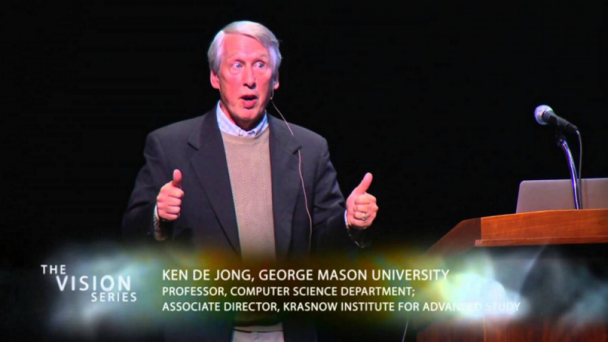
Kenneth A. De Jong

Summary

Professor Emeritus, Computer Science, George Mason University Associate Director, Krasnow Institute Director, Evolutionary Computation Lab

Dr. De Jong is one of the pioneers in evolutionary computation. He has been instrumental in unifying various evolutionary techniques like genetic algorithms, evolution strategies and evolutionary programming under one umbrella of evolutionary computation. He has been also instrumental in the research sub field of co-evolution in evolutionary computation


Information

Personal site    Volgenau page    Lab Site

Email: kdejong@gmu.edu Phone: 703-993-4398 Address: Room 213 Krasnow Institute Fairfax, Va. 22030


Biosketch

Kenneth A. De Jong received his Ph.D. in computer science from the University of Michigan in 1975. He joined George Mason Uiversity in 1984.

His research interests include genetic algorithms, evolutionary computation, machine learning, and adaptive systems. He is currently involved in research projects involving the development of new evolutionary algorithm (EA) theory, the use of EAs as heuristics for NP-hard problems, and the application of EAs to the problem of learning task programs in domains such as robotics, diagnostics, navigation and game playing.

He is also interested in experience-based learning in which systems must improve their performance while actually performing the desired tasks in environments not directly their control or the control of a benevolent teacher. Support for these ...

OnAir Post: Kenneth A. De Jong

Steven Schiff

Categories: Penn State Neuroscience, NIH BRAIN Researchers, Neural Engineering, Neuroethics people, Neuromodulation researchers, Mason Neuroscience Alumni

Research interests include neural engineering, neurosurgery, epilepsy, Parkinson's Disease, wave mechanics, brain machine interfaces, EEG, electrical fields, and control theory.

OnAir Post: Steven Schiff

Jeffrey L. Krichmar


Summary

Professor, Department of Cognitive Science, University of California, Irvine Principal Investigator, Cognitive Anteater Robotics Laboratory (CARL)

Dr. Kritchmar’s research interests include neurorobotics, embodied cognition, biologically plausible models of learning and memory, and the effect of neural architecture on neural function. The Cognitive Anteater Robotics Laboratory (CARL) at the University of California, Irvine, we are designing robotic systems whose behaviors are guided by large-scale simulations of the mammalian brain.


Information

UCI page  CARL website  CV   LinkedIn

Email: jkrichma at uci.edu Phone: (949) 824-5888 Address:  Department of Cognitive Sciences 2328 Social and Behavioral Sciences Gateway University of California, Irvine Irvine, CA 92697-5100


Biosketch

Jeffrey L. Krichmar received a B.S. in Computer Science in 1983 from the University of Massachusetts at Amherst, a M.S. in Computer Science from The George Washington University in 1991, and a Ph.D. in Computational Sciences and Informatics from George Mason University in 1997. He spent 15 years as a software engineer on projects ranging from the PATRIOT Missile System at the Raytheon Corporation to Air Traffic Control for the Federal Systems Division of IBM. In 1997, he became an assistant professor at The Krasnow Institute for Advanced Study at George Mason University. From 1999 to 2007, he was a Senior Fellow in Theoretical Neurobiology at The Neurosciences Institute. ...

OnAir Post: Jeffrey L. Krichmar

Alex J. Carlisle


Summary

Chief Scientific Officer and Program Manager, Personalized Healthcare at Northrop Grumman Corporation Health Division Formerly Director of Neuro-Oncology Lab, George Mason University

Senior Scientific Advisor, Subject Matter Expert, Bio-Molecular Engineer, and Program Manager for Northrop Grumman’s Health Division. Responsible for overseeing all research, product development, and personnel for Northrop Grumman’s Personalized Healthcare Program.


Information

LinkedIn page  GMU page


Biosketch

From GMU web page (2010 to 2013) Dr. Alex Carlisle is a Neuroscientist in the Department of Neurosciences at Inova Fairfax Hospital and also oversees the Inova-GMU Neuroscience Translational Research Laboratory (INTR) Laboratory, a joint partnership between the Inova Neurosciences Research Institute and George Mason University’s Krasnow Institute for Advanced Studies (KIAS)established to conduct translational biomedical research.

Dr. Carlisle is a cancer biologist and uses molecular-based approaches to identify and functionally characterize molecules involved in the progression of various cancers. He was a member of the NCI team to map human cancer (CGAP) and involved in developing high-throughput technologies for screening and validating potential cancer biomarkers. At the NCI he served as a key person in helping to develop early-generation genomic discovery platforms such as cDNA microarrays and EST cDNA libraries. He was brought on as a special expert at the NINDS were ...

OnAir Post: Alex J. Carlisle

Nathalia Peixoto


Summary

Associate Professor, Electrical and Computer Engineering Department Director, Neural Engineering Lab

Dr. Peixoto’s research interests include implantable electrodes and systems, hybrid systems (cell cultures and electronics), control of assistive technology, bioMEMS (bio-micro-electro-mechanical systems), and experimental models of neuropathologies such as epilepsy and spreading depression.


Information

Department webpagehttps://ece.gmu.edu/people/full-time-faculty/nathalia-peixoto Neural Engineering Lab website:  http://neural.bioengineering.gmu.edu/ Google Scholar

Email: npeixoto@gmu.edu Phone: 703.993.1567 Address: Nguyen Engineering Building Engineering 3912


Biosketch

Professional Preparation

Univ. Campinas, Sao Paulo, Brazil B.S. 1991-1995 Electrical Engineering

Univ. Campinas, Sao Paulo, Brazil M.S. 1996 Biomedical Engineering

Univ. Sao Paulo, Sao Paulo, Brazil Ph.D. 1997-2001

Microelectronics Stanford University, CA Postdoc 2001-2002 Electrical Engineering

George Mason University, Fairfax, VA Postdoc 2003-2006 Neuroscience

Products (in chronological order)

(i) Closely related to the project 1. Peixoto, N., Lima, V.M.F., Hanke, W., Correlation of the electrical and intrinsic optical signals in the spreading depression phenomenon, Neuroscience Letters, 299(1), 89-92, 2001.

2. Minnikanti, S., Skeath, P., Peixoto, N., Electrochemical Characterization of Carbon Nanotube Electrodes for Biological Applications, Carbon, 47, pg 884-893, 2009.

3. Minnikanti S, Pereira MG, Jaraiedi S, Jackson K, Costa-Neto CM, Li Q, Peixoto, N, In vivo electrochemical characterization and inflammatory response of multiwalled carbon nanotubebased electrodes in rat hippocampus. J. Neural Engineering, 2;7(1):016002 (10 pages), 2010.

4. Hamilton F, Berry T, Peixoto N, Sauer T. Real-time tracking of neuronal ...

OnAir Post: Nathalia Peixoto

Kim Avrama Blackwell

Summary

Professor, Molecular Neuroscience, George Mason University

Dr Blackwell investigate calcium dynamics and signaling pathways involved in long term memory storage.  One of the fundamental, unsolved questions in neuroscience is how different spatio-temporal patterns of input produce different memories and shape information processing.

She also investigates the role of dopamine in both normal reward learning and Parkinson’s disease.  Her lab develops novel computer software and realistic neuronal models, as well as using electrophysiology to answer these questions.


Information

Krasnow page  GMU Neuroscience page    ECE page

Email: kblackw1@gmu.edu Phone: 703-993-4381 Office Hours: Thurs. 12-1 or by appointment Address: Krasnow Institute, MS 2A1 Rockfish Creek Lane Fairfax, VA 22030-4444


Biosketch

Kim ‘Avrama’ Blackwell is a professor in the Krasnow Institute of Advanced Studies.  She has a V.M.D. (Veterinary Medicine), M.S. (Systems Engineering) and Ph.D. (Bioengineering) from the University of Pennsylvania.

Dr Blackwell investigate calcium dynamics and signaling pathways involved in long term memory storage.  One of the fundamental, unsolved questions in neuroscience is how different spatio-temporal patterns of input produce different memories and shape information processing. She also investigates the role of dopamine in both normal reward learning and Parkinson’s disease.  Her lab develops novel computer software and realistic neuronal models, as well as using electrophysiology to answer these questions.


Selected Publications

OnAir Post: Kim Avrama Blackwell

Jane Flinn


Summary

Associate Professor, Psychology Department, George Mason University Director, GMU Undergraduate Neuroscience Program Director, Flinn Lab

Dr. Flinn’s research has emphasized the roles of zinc, copper and iron in learning and memory and also in macular degeneration. Her research currently focuses on two specific aspects of metals in behavior, Alzheimer’s disease (AD) and the extinction of learned fears.


Information

Webpage:  psychology.gmu.edu/people/jflinn

Email: jflinn@gmu.edu Phone:   703.993.4107 Office Hours:  Tues 3:00PM-4:00PM, R 4:00PM-5:00PM Address: David King Hall 2022 Fairfax, Va. 22030

Biosketch

Dr. Flinn was the chair of the Department of Psychology from 1984 to 1995. During her tenure, the department was ranked as one of the most improved programs by the National Chronicle of Higher Education. After stepping down as chair, she became the coordinator of the biopsychology concentration and developed the concentration in biopsychology in the PhD in psychology. In 2006, she took over the newly approved undergraduate BS in neuroscience. The first students graduated in 2009, and there are now over 200 students in the program.

Education

George Washington University Ph.D. Psychology 1974 Catholic University of America Ph.D. Physics 1969 University of California at Los Angeles M.Sc. Physics 1962 Oxford University B.A.Physics 1960

Professional Experience

Director Undergraduate Neuroscience Program 2006-present Director Biopsychology Program 1995-2006 Chairman, Department of Psychology 1984-1995

Honors and Awards

University Undergraduate Mentoring Award 2015 Distinguished Faculty Award, George Mason University 1990, ...

OnAir Post: Jane Flinn

Ted Dumas


Summary

Associate Professor, Molecular Neuroscience Department, Krasnow Institute Principal Investigator, Physiological and Behavioral Neuroscience in Juveniles Lab (PBNJ)

Dr. Dumas research focuses on neural substrates of memory, neural and cognitive development, stress and behavioral control, real-time brain activity focus in a multidisciplinary setting.

Information

Webpage:   neuroscience.gmu.edu/people/tdumas

Email: tdumas@gmu.edu Phone:  703.993.9170 Address:  Krasnow Institute 109 Fairfax, Va. 22030

About

Ted Dumas is an Assistant Professor of Molecular Neuroscience who balances education and research to discover novel relationships between neural network activities and cognitive abilities and disseminate knowledge to students of all ages. Dr. Dumas received his B.S. degree at the University of Connecticut and double majored in Physiology and Neurobiology (Life Sciences Dept.) and Psychology. Having found his career niche in basic research, he then attended the University of Virginia where he earned his first individual NIH fellowship and received his M.S. and Ph.D. degrees in the Neuroscience and Behavior Program in the Department of Psychology. He then moved across the country to work as an NIH-funded postdoctoral fellow with Dr. Robert Sapolsky at Stanford University focusing on gene therapy techniques designed to prevent and promote recovery from brain injury. His second postdoctoral fellowship was at the University of Oregon with Dr. Clifford Kentros where he contributed to a large effort ...

OnAir Post: Ted Dumas

Matthew S. Peterson

Dr. Peterson's research focus is on visual attention and related areas, such as eye movements, working memory, multitasking, and visual cognition. His research interests include: Human Factors/Applied Cognition: Visual attention, eye movements, working memory, attentional control, brain plasticity, and cognitive training.

OnAir Post: Matthew S. Peterson

Martin Wiener


Summary

Assistant Professor, Dept. of Psychology, George Mason University AAAS Fellow, Directorate for Computer & Information Science & Engineering Division of Information and Intelligent Systems Class of 2015

Dr. Wiener’s research entailed neuroscientific investigations into the neural bases of time perception and rhythmic processing, where he utilized a number of techniques, including neurogenetics, functional Magnetic Resonance Imaging and Transcranial Magnetic Stimulation.


Information

GMU Department page: psychology.gmu.edu/people/mwiener   CV   Cognitive Behavioral Science Program:  cbn.gmu.edu/ Twitter: @MartinMwiener  LinkedIn page     NSF web page

Email: mwiener@gmu.edu Office Hours: 10 am to 11:50 am Phone: 703.993.6217 Address:  David King Hall 2055 Fairfax, Va. 22030


Biosketch

Dr. Wiener’s background is in Psychology and Neuroscience, where he received his PhD from the University of Pennsylvania in 2011.  Dr. Wiener’s research entailed neuroscientific investigations into the neural bases of time perception and rhythmic processing, where he utilized a number of techniques, including neurogenetics, functional Magnetic Resonance Imaging and Transcranial Magnetic Stimulation.  Dr. Wiener has completed two post-doctoral fellowships, at the University of Pennsylvania and George Mason University.  Dr. Wiener is a Big Data & Analytics fellow with CISE, where he is interested in projects at the intersection of neuroscience and big data, such as President Obama’s BRAIN initiative.  Additionally, Dr. Wiener is interested in helping ...

OnAir Post: Martin Wiener

Paul So


Summary

Chair, Department of Physics & Astronomy at George Mason University

Dr. So is a theoretical physicist specialized in dynamical systems analysis and its application to neuroscience. The overarching goal of his research is the application of these tools from dynamical systems and other physical insights from statistical physics to a better understanding on the mechanisms for information processing in the brain and on dynamical causes related to different pathological neural diseases such as epilepsy and Parkinson’s disease.


Information

Website   Physics web page   LinkedIn

Email: (703) 993-4377 Phone: paso@gmu.edu Address: 203 Planetary Hall or 114 Krasnow Institute Fairfax, Va. 22030


Biosketch

Education

University of Maryland College Park PhD, Physics/Nonlinear Dynamics 1988 – 1995

Harvey Mudd College BS, Physics and Math 1984 – 1988

Experience

Chair of Department of Physics & Astronomy George Mason University August 2016 – Present (4 months)Fairfax VA 22030

Professor George Mason University June 2015 – Present (1 year 6 months) Founder Hamiltonian Artists July 2007 – Present (9 years 5 months)Found the non-profit art organization with its mission to build a dynamic community of innovative artists and effective visual art leaders by providing professional development opportunities to innovative new artists and by advancing their entrepreneurial success. Owner Hamiltonian Gallery June 2007 – Present (9 years 6 months)Oversee the general operation of the gallery. President Green Step LLC September 2006 – Present (10 years 3 ...

OnAir Post: Paul So

Ernest Barreto


Summary

Professor, Department of Physics and Astronomy and the Krasnow Institute for Advanced Study, George Mason University

The main goal of Dr. Barreto’s research is to understand and describe the complex dynamics in neural systems using techniques from dynamical systems theory. We are specifically interested in the emergence of collective behavior across the various scales of neuronal organization, from individual neurons to various functional ensembles.


Information

Website  Physics web page   LinkedIn

Email: ebarreto@gmu.edu Phone: 703.993.4431 Address: 116 Krasnow Institute Fairfax, Va. 22030


Biosketch

Education

University of Maryland College Park Doctor of Philosophy (PhD), Physics 1991 – 1996 Marine Biological Laboratory Neurobiology (2001), Methods in Computational Neuroscience (2002)

University of Chicago Bachelor of Arts (BA), Physics 1986 – 1990 Niskayuna High School 1983 – 1986 École Active Bilingue Jeannine Manuel 1982 – 1983


Current Research Interests

The main goal of my research is to understand and describe the complex dynamics in neural systems using techniques from dynamical systems theory. We are specifically interested in the emergence of collective behavior across the various scales of neuronal organization, from individual neurons to various functional ensembles.

In the past decade, our laboratory has been successful in establishing that dynamics from single neurons,small ensembles of neurons, and from intact human cortical recordings show significant degrees of nonlinear determinism. This result was derived using concepts ...

OnAir Post: Ernest Barreto

John Robert Cressman


Summary

Assistant Professor, School of Physics and Astronomy, and Krasnow Institute, George Mason University

Dr. Cressman’s research has focused on investigating dynamical structures in driven systems with a specific interest in their role in the functions of the brain.

Transient but long-lived correlated dynamics underlie innumerable biological processes, from the lifecycle of an organism to conscious thought and social behavior. Transient dynamical structures are also the hallmark of a number of natural phenomena including tornados, hurricanes, gyres, and von Karman vortex streets, simple fluid systems that can support coherent structures.


Information

Webpage: physics.gmu.edu/~jcressma/About_Dr_Cressman Lab website:  physics.gmu.edu/~jcressma

Email: jcressma@gmu.edu Office Phone: 703-993-9643 Lab Phone: 703-993-9722 Address: Krasnow Institute for Advanced Study MSN 2A1 room 110 4400 University Drive Fairfax, VA 22030


Research

Overview

My research has focused on investigating dynamical structures in driven systems with a specific interest in their role in the functions of the brain. Transient but long-lived correlated dynamics underlie innumerable biological processes, from the lifecycle of an organism to conscious thought and social behavior. Transient dynamical structures are also the hallmark of a number of natural phenomena including tornados, hurricanes, gyres, and von Karman vortex streets, simple fluid systems that can support coherent structures.

My interest in the dynamics that support human thought began when I was an undergraduate studying physics and philosophy. It seemed to ...

OnAir Post: John Robert Cressman

Nadine Kabbani

Summary

Associate Professor, Molecular Neuroscience Department, Krasnow Institute of Advanced Studies Director, GMU Program in Neuroethics

Dr. Kabbani’s research focuses on the cellular and molecular mechanisms of nicotinic receptor drug actions in the brain and immune system.


Biography

Nadine Kabbani is a faculty member at the Krasnow Institute for Advanced Study and an Associate Professor in the Department of Molecular Neuroscience with joint appointment in the School of Systems Biology. Her research focuses on the cellular and molecular mechanisms of nicotinic receptor drug actions in the brain and immune system. She is a member of the Society for Neuroscience, the Protein Society, the Society for Pharmacology and Experimental Therapeutics, and the VA Youth Tobacco Project. Dr. Kabbani serves on the editorial board for Amino Acids, Proteomics Insights, and the Children’s Medical Safety Research Institute. She has been the recipient of awards by the National Institute for Neurological Disorders and Stroke, the Philip Morris Corporation, the Foundation for Medical Research, and the International Brain Research Organization. Her research is currently funded by the VA Foundation for health youth and the Wings for Life Spinal Cord Research Foundation. She is an author on 40+ published scientific articles and several book chapters. Dr. Kabbani pursued postdoctoral ...

OnAir Post: Nadine Kabbani

Andrew H Peterson


Summary

Research Assistant Professor, Department of Philosophy, George Mason University Research Fellow, GMU Institute for Philosophy and Public Policy Affiliate Faculty, GMU Interdisciplinary Program in Neuroethics Affiliate Member, Rotman Institute of Philosophy

Dr. Peterson’s research centers on bioethics and the philosophy of neuroscience, with specialization in the ethical treatment of individuals with disorders of consciousness.


Information

GMU page  IPPP page   LinkedIn page

Email:  apeter31@gmu.edu Phone:  703.993.1329 Address: Robinson Hall B 459 Fairfax, Va. 22030


Biosketch

From GMU page

Andrew Peterson is a Research Assistant Professor in the Department of Philosophy and Research Fellow at the Institute for Philosophy and Public Policy. His research centers on bioethics and the philosophy of neuroscience, with specialization in the ethical treatment of individuals with disorders of consciousness. Andrew’s research is situated in an international collaborative research program entitled, “The Ethics of Neuroimaging After Serious Brain Injury” funded by the Canadian Institutes of Health Research. Andrew was previously a Vanier Canada Graduate Scholar at the Rotman Institute of Philosophy and the Brain and Mind Institute at the University of Western Ontario, Canada.

Education

Western University Doctor of Philosophy (Ph.D.), Philosophy

San Francisco State University Master’s Degree, Philosophy 2011

Experience

Research Assistant Professor George Mason University June 2016 – Present (6 months)Institute for Philosophy and Public Policy and Department of Philosophy Vanier Canada Graduate Scholar Western University July 2013 – June 2016 (3 years)Rotman ...

OnAir Post: Andrew H Peterson

Jo Handelsman, PhD – OSTP Associate Director for Science


Associate Director for Science at the White House Office of Science and Technology Policy Co-Chair of the Interagency Working Group on Neuroscience

Dr. Handelsman helps to advise President Obama on the implications of science for the Nation, ways in which science can inform U.S. policy, and on Federal efforts in support of scientific research. Prior to joining OSTP, Dr. Handelsman was an HHMI Professor in the Department of Molecular, Cellular and Developmental Biology at Yale University.

Web Information

OSTP web pagehttps://www.whitehouse.gov/administration/

Yale Department web pagehttp://bbs.yale.edu/molecularcell/people/jo_handelsman.profile

Wikipedia page: https://en.wikipedia.org/wiki/Jo_Handelsman

Contact Information

Email:

Phone:

Address: Eisenhower Executive Office Building 1650 Pennsylvania Avenue Washington, DC 20504


Biosketch

Dr. Jo Handelsman was a Howard Hughes Medical Institute Professor and Frederick Phineas Rose Professor in the Department of Molecular, Cellular and Developmental Biology at Yale University. She received her Ph.D. in Molecular Biology from the University of Wisconsin-Madison in 1984 and she served on the faculty at the University of Wisconsin-Madison from 1985 until moving to Yale in 2010. Her research focuses on the genetic and functional diversity of microorganisms in soil, plant and insect gut communities. Handelsman’s lab is one of the pioneers of functional metagenomics, an approach to accessing the genetic potential of unculturable bacteria in environmental samples. Their studies using both culture-based and metagenomic analyses have ...

OnAir Post: Jo Handelsman, PhD – OSTP Associate Director for Science

Mark Steyvers, PhD – UC Irvine


Professor, Cognitive Sciences UC Irvine Principal Investigator, Memory and Decision Laboratory

Dr. Steyvers research focuses on Wisdom of Crowds; Aggregating human judgments; Computational models of the mind; Machine Learning and Statistics; Memory and Decision Making.


Web Information

Department webpage: http://www.faculty.uci.edu/profile.cfm?faculty_id=5064

Memory and Decision Laboratory websitehttp://psiexp.ss.uci.edu/research/madlab.htm

Google Scholar: https://scholar.google.com/citations?user=szUb_isAAAAJ&hl=en

Contact Information

Email: msteyver@uci.edu

Phone: (949) 824-7642

Address: University of California, Irvine 2316 Social & Behavioral Sciences Gateway Building Mail Code: 5100 Irvine, CA 92697


Biosketch

2000 – 2002 Postdoctoral fellow. Stanford University

1995 – 2000 PhD, Indiana University, Joint degree in Cognitive Psychology and Cognitive Science. 1994

BA, University of Amsterdam, Psychology (Cum Laude)

See CV


Research Interests

Higher order cognition (memory/ decision-making/ inductive inference)

Computational modeling / Bayesian data analysis

Wisdom of crowds / Collective Intelligence / Crowdsourcing

Machine learning

Cognitive neuroscience (joint models for behavior and imaging data)

Computational Psychotherapy (joint models for text, coding, and patient data)

My research interests span a diverse set of topics in cognitive science such as wisdom of crowds, episodic and semantic memory, dynamic decision making, and causal reasoning. In each of these areas, I combine mathematical and computational modeling with behavioral experiments. The models and experiments are tightly coupled: I try to formulate empirical questions with the goals of constraining, developing, or testing between alternative computational models of how people learn, process, and represent information. My ...

OnAir Post: Mark Steyvers, PhD – UC Irvine

Zhong-Lin Lu, PhD – Ohio State


Distinguished Professor of Social and Behavioral Sciences and Psychology Director, Center for Brain and Cognitive Sciences at The Ohio State University

The goal of Lu’s research program is to construct computational brain models for perception and cognition.


Web Information

Department web pagehttp://faculty.psy.ohio-state.edu/lu/

Center for Brain and Cognitive Sciences websitehttp://lobes.osu.edu/

Amazon page: http://www.amazon.com/Zhong-Lin-Lu/e/B00E5S0UMQ

Contact Information

Email:lu.535@osu.edu

Address: Department of Psychology 1835 Neil Ave 60 Psychology Building Ohio State University Columbus, OH 43210


Biosketch

Lu received his bachelor’s degree in theoretical physics from the University of Science and Technology of China in 1989 and his master’s and doctorate degree in physics from New York University in 1992. Before joining OSU, he was the William M. Keck Chair in Cognitive Neuroscience, Professor of Psychology and Biomedical Engineering, and co-Director of the Dana and David Dornsife Cognitive Neuroscience Imaging Center, University of Southern California. Lu is a fellow of the Society of Experimental Psychologist and Association for Psychological Science.

My Ph.D. is in physics. Through my specialization in low-temperature physics, I became involved in a particular application: the development of an extremely sensitive device for recording and precisely localizing human brain activity through measurements of the magnetic fields it generates outside the scalp. Under the supervision of Sam Williamson (a physicist) and Lloyd Kaufman (an experimental ...

OnAir Post: Zhong-Lin Lu, PhD – Ohio State

David Warren, PhD – Utah

Research Assistant Professor, Department of Bioengineering, University of Utah Director, Center for Neural Interfaces

Dr. Warren does research in the fundamental Properties of Micromagnetics for Peripheral and Central Nervous System. He also focuses on stimulation and reliable peripheral interfaces.


Web Information

Department web pagehttps://www.bioen.utah.edu/directory/profile.php?userID=198

Center for Neural Interfaces website: http://www.bioen.utah.edu/cni/index.html

Google Scholar: http://scholar.google.com/citations?user=KvOkV30AAAAJ&hl=en


Contact Information

Email: David.Warren@utah.edu

Phone: 801-585-2697

Address: 20 S. 2030 E., Rm. 506E Salt Lake City, UT 84112-9458


Biosketch

BSEE – Washington State University (1979) MSEE – University of Washington (1982) Ph. D. – Unversity of Utah (2006)

CV Here


Research

Fundamental Properties of Micromagnetics for Peripheral and Central Nervous System Stimulation Reliable Peripheral Interfaces

Center for Neural Interfaces

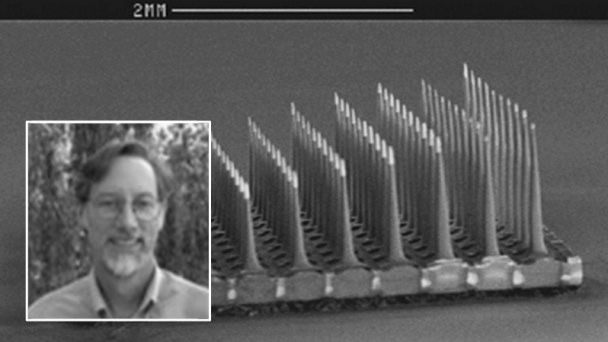
SEM image of the Utah Slanted Electrode Array (USEA). From Lab website.

The Center for Neural Interfaces was founded in 1995 as a Utah State Center of Excellence. The current focus is on the integration of biomedical technology with the physiological aspect of neuroscience and potential clinical applications. Chronically or acutely implantable neural interface devices based on the Utah Electrode Array are tested and used in the nervous system for recording or initiating neural signals, which may assist with sensory or motor functioning. The mission includes:

• Developing multichannel interfaces to ...

OnAir Post: David Warren, PhD – Utah

Lilianne R. Mujica-Parodi, PhD – Stony Brook


Associate Professor, Department of Biomedical Engineering.Stony Brook Appointments in Departments of  Neurobiology and Behavior,Neurology, and Psychiatry Director of the Laboratory for Computational Neurodiagnostics (LCNeuro)

Dr. Mujica-Parodi’s Lab performs clinical research on the neurobiology of emotional arousal, and its effects on physiology and cognition.The Laboratory for Computational Neurodiagnostics studies provide simultaneous measurement of neural, cardiac, endocrine, cognitive, immune, epigenetic and clinical components of the human emotional response.


Web Information

Department web pagehttp://bme.sunysb.edu/people/faculty/l_mujica-parodi.html

LCNeuro websitehttp://www.lcneuro.org/

Department  of  Neurobiology and Behavior web page: medicine.stonybrookmedicine.edu/neurobiology/gradprogram/faculty/Mujica-Parodi

Contact Information

Email: lmujicaparodi@gmail.com

Phone: (631) 632-1008

Address: Stony Brook Medicine 101 Nicolls Road Stony Brook NY 11794


Biosketch

8/88-6/92* B.A., 5/92 Georgetown University, Washington DC Philosophy College of Arts & Sciences Physics

9/93-8/98 Ph.D., 8/98 Columbia University, New York NY Philosophy Graduate School of Arts & Sciences (Mathematical Logic, Foundations of Physics) Thesis Advisor: Richard Friedberg, Ph.D. (Department of Theoretical Physics) Dissertation: “Quantum nonlocality and preferred frames of reference.”

9/98-8/01 Postdoctoral Fellow Columbia University, New York, NY Clinical Neuroscience College of Physicians and Surgeons Neuroimaging Psychiatry

CV here

Research

The Laboratory for Computational Neurodiagnostics performs clinical research on the neurobiology of emotional arousal, and its effects on physiology and cognition.The Laboratory for Computational Neurodiagnostics studies provide simultaneous measurement of neural, cardiac, endocrine, cognitive, immune, epigenetic and clinical components of the human emotional response. These data are then analyzed using statistics, ...

OnAir Post: Lilianne R. Mujica-Parodi, PhD – Stony Brook

Hava Siegelmann, PhD – UMass

Professor, Computer Science, University of Massachusetts at Amherst Director, BINDS Lab Core Member, Neuroscience and Behavior Program

Hava Siegelmann’s research focuses on the understanding of biologically inspired computational systems. In particular, she studies the computational and dynamical complexity of neural systems as well as genetic-networks.


Web Information

Department web page: https://www.cics.umass.edu/faculty/directory/siegelmann_hava

BINDS Lab websitehttp://binds.cs.umass.edu/index.html

Neuroscience and Behavior Program website:

Contact Information

Email: hava@cs.umass.edu

Phone: (413) 577-4282

Address: School of Computer Science BINDS Lab 140 Governors Drive University of Massachusetts Amherst Amherst, MA 01003-9264


Biosketch

Ph.D., Computer Science, Rutgers University (1993, Fellow of excellence),

M.Sc., Computer Science, Hebrew University (1992, Cum Laude),

B.A., Computer Science, the Technion (1988, Suma Cum Laude). Professor.

Before joining UMass, she was on the faculty of Industrial Engineering and Management at the Technion and served as the head of Information Systems Engineering. She has been a visiting professor at MIT and Harvard University.

Activites and Awards

Professor Siegelmann has been active in the International Neural Networks Society, serving on the Elected Board of Governors since 2012, she recently served as the Program Chair of the International Joint Conference on Neural Networks (IJCNN), 2011. She currently also serves as the Vice Chair on the Neural Network Technical Committee (NNTC) of the IEEE Computational Intelligence Society (CIS) as well as a Task Force member in “Towards Human-like ...

OnAir Post: Hava Siegelmann, PhD – UMass

Ken Paller, PhD – Northwestern


Professor of Psychology, Northwestern University Director, Cognitive Neuroscience Program and the Training Program in the Neuroscience of Human Cognition Fellow, Cognitive Neurology and Alzheimer’s Disease Center Editor (memory section) of Neuropsychologia

My research focuses on understanding human memory functions and their implementation in the brain. Multiple techniques for measuring brain activity are combined using a Cognitive Neuroscience approach that respects the complexity of cognition as well as the detailed organization of the brain.


Web Information

Department webpagehttp://faculty.wcas.northwestern.edu/~paller/

Cognitive Neuroscience Lab websitehttp://pallerlab.psych.northwestern.edu/

Neuropsychologia webpage: http://www.journals.elsevier.com/neuropsychologia/

Scholar’s Profilehttp://www.scholars.northwestern.edu/expert.asp?u_id=1792

New Reddit Journal of Science: reddit.com/r/science/comments/2ini0s/scienceamaseries_im_ken_paller_a_cognitive/

Contact Information

Email: kap@northwestern.edu

Phone: 847/467-3370

Address: 210 Cresap Department of Psychology 2029 Sheridan Road Evanston, IL 60208-2710


Research

Paller’s research focuses on understanding human memory functions and their implementation in the brain. Multiple techniques for measuring brain activity are combined using a Cognitive Neuroscience approach that respects the complexity of cognition as well as the detailed organization of the brain.

A central type of memory currently under study is conscious recollection, which is associated with memory for facts and events. This is the experience most people would associate with remembering. Another type of memory, perceptual priming, is generally measured as a facilitation in performance on implicit memory tests — in these tests subjects are not necessarily aware that memory is being ...

OnAir Post: Ken Paller, PhD – Northwestern

Kenneth Norman, Phd – Princeton


Professor of Psychology and the Princeton Neuroscience Institute Principal Investigator, Computational Memory Lab

A major focus of Dr. Norman’s research is characterizing how different subregions of the medial temporal lobes (in particular, the hippocampus and perirhinal cortex) contribute to recognition and recall, and how the contributions of these structures differ from one another. He is also interested in how accuracy and distortion in episodic memory arise from interactions between medial temporal structures and prefrontal cortex.

Web Information

Department web pagehttps://psych.princeton.edu/psychology/research/norman/index.php

Princeton Neuroscience Institute (BRAIN 2015)http://brain2015.onair.cc/princeton-neuroscience-institute/

Computational Memory Lab website: http://compmem.princeton.edu/?n=Main.HomePage

Contact Information

Email: knorman@princeton.edu

Phone: (609) 258-9694

Address: Department of Psychology Princeton University Green Hall, Washington Road Princeton, NJ 08540


Biosketch

Education

June 1999 Ph.D. in Psychology, Harvard University Advisor: Daniel Schacter, Ph.D. Thesis: “Differential Effects of List Strength on Recollection and Familiarity”

June 1996 MA in Psychology, Harvard University

June 1993 BS with distinction, Stanford University Advisors: John Gabrieli, Ph.D., Fred Dretske, Ph.D. Honors Thesis: “Is Consciousness the Gatekeeper of Memory?”

June 1999 – June 2002 NIH NRSA postdoctoral fellow, University of Colorado, Boulder Mentor: Randall O’Reilly, Ph.D.

1995 Fellow, McDonnell Summer Institute in Cognitive Neuroscience, Davis, CA

Click here for full CV

Research

In the Norman lab, we use biologically realistic neural network models to explore how the brain gives rise to learning and memory phenomena, and we test these models’ predictions using several different ...

OnAir Post: Kenneth Norman, Phd – Princeton

Ralph Greenspan, PhD – UCSD

Associate Director, Kavli Institute for Mind and Brain  Professor, Neurobiology UCSD and Director, Center for Brain Activity Mapping Co-Director, Cal-Brain

Dr. Greenspan was part of a team of six that proposed in 2012 a Brain Activity Map which morphed into the BRAIN Initiative. One of his main interests currently is to understand the role of network level activity in the nervous system and among the genes, motivated by a strong belief that the state of these networks is of major importance in determining behavior.


Web Information

UCSD web page: healthsciences.ucsd.edu/education/neurograd/faculty/Pages/ralph-greenspan.

Center for Brain Activity Mappinghttp://cbam.ucsd.edu/

Lab webpage:  http://greenspanlab.ucsd.edu/greenspan.html

Contact Information

Email: rgreenspan@ucsd.edu

Phone: 858-822-7657

Address: Kavli Institute for Brain and Mind University of California, San Diego 9500 Gilman Dr. 1859 AP&M Annex La Jolla, CA 92093-0126


Biosketch

B.A., Biology 1974 Brandeis University

Ph.D., Biology 1979 Brandeis University

Postdoctoral training 1979-1982 University of California, San Francisco

Dr. Greenspan began working on the genetic and neurobiological basis of behavior in the fruit fly (Drosophila melanogaster) as a graduate student  with one of the field’s founders, Jeffery Hall, at Brandeis University.  His work has ranged from the genetic control of nervous system development in the fruit fly and mouse, to genetic, molecular and neurobiological studies of innate and learned behaviors in the fruit fly. In the course of this work, he has ...

OnAir Post: Ralph Greenspan, PhD – UCSD

David Hamilton

PhD, Neuroscience at George Mason University Dissertation title: “Machine-readable Knowledge Management of Neuron Properties.”

David said “Neuroscience is the most interesting and potentially useful field of study available to me at this stage in my career. I was trained as an electrical engineer, worked most of my life as a software engineer, but desire to learn how the brain works to glean useful architectural aspects for continued advancement in problem solving.”

Web Information

LinkedIn page:   https://www.linkedin.com/pub/david-hamilton/38/91/5aa

Contact Information

Email:

Phone:

Address:

Biography

Education

George Mason University

PhD Candidate, Neuroscience   2007 – 2016

Estimated time-frame for dissertation final defense: Summer 2016. Dissertation title: “Machine-readable Knowledge Management of Neuron Properties.”

Activities and Societies: Society for Neuroscience, AAAS, IEEE

Loyola College in Maryland

MS, Electrical Engineering 1978 – 1981

Penn State University

BS, Electrical Engineering  1973 – 1977

Work Experience

Neuroscience PhD Candidate

George Mason University 2007 – Present (8 years)Fairfax, VAExpect to defend Spring 2016

Software Engineer

Northrop Gruman Information Systems –July 2004 – Present (11 years 2 months)

Software & Systems Research & Development

VP Software Development NeuralTech November 1994 – June 2004 (9 years 8 months) Merchant Dispute ...

OnAir Post: David Hamilton

Michael Pritz

Summary

Affiliate: Krasnow Institute for Advanced Study, Deparment of Bioengineering, George Mason University Principal Investigator: Developmental Evolutionary Neurobiology Lab

Dr. Pritz’s research investigates the development and evolution of vertebrate brains.   The present focus is on two areas: (1.) forebrain organization and development in a model vertebrate system and (2.) general principles that underlie the formation of brain nuclei. He also teaches a course on mammalian neurobiolgy.


Information

Web page: krasnow.gmu.edu/kifaculty/michael-b-pritz

Research Gate   LinkedIn

Email: mpritz@gmu.edu Phone: 703-993-9720 Address: 4400 University Drive, MS 2A1 Fairfax, Virginia 22030


Biosketch

My prior experience has been in Schools of Medicine where I worked as a neurosurgeon reaching the professor level with a focus on cerebrovascular disease and skull base problems. At Indiana University School of Medicine, I was the Director of Cerebrovascular and Skull Base Surgery in the Department of Neurological Surgery. At the end of December, 2012, I retired from clinical neurosurgery and have devoted my time and efforts to basic science research. I have now moved to the Department of Molecular Neuroscience at the Krasnow Institute for Advanced Study. This opportunity will provide me with a rich environment to pursue my research in developmental evolutionary neurobiology and as well as give me an opportunity to teach a graduate level course in neuroanatomy. After ...

OnAir Post: Michael Pritz

Rubén Armañanzas

Dr. Armañanzas research topics include machine learning, computational neuroscience, and neuroinformatics. In particular, applications within these topics are: knowledge discovery in digital neuronal reconstructions, automatic classification of neuronal types, complex neuromorphic networks, and unveiling key aspects of neuronal morphogenesis in the developing brain.

OnAir Post: Rubén Armañanzas

Sridevi Polavaram

Dr. Polavaram received her Ph.D. in Neuroscience from George Mason University, she has been working for over a decade in the field of Computational Neuroanatomy and Neuroinformatics providing services in software engineering, data management, analytics,  visualization, and applied ontologies. Her current area of research investigates biologically meaningful morphological patterns derived from digitally reconstructed neuronal arbors representing the cellular diversity of the nervous system.

OnAir Post: Sridevi Polavaram

Ruchi Parekh


Summary

Manager, EM Connectome Annotation Team, Janelia Farm Campus, Howard Hughes Medical Institute

Dr. Parekh’s professional background is in neuroscience, epilepsy research, and neuroinformatics with a strong publication record.

Her professional aspirations are to facilitate open science collaborative efforts towards the common goal of understanding the brain.


Information

Janelia Farm page   LinkekIn page

Email: parekhr@janelia.hhmi.org Address: 19700 Helix Drive Ashburn, Va. 201247


Biosketch

From LinkedIn page

I have a professional background in neuroscience, epilepsy research, and neuroinformatics with a strong publication record. I am a result-oriented leader and strategic thinker with a multifaceted skill set. My strength lies in interdisciplinary collaboration, communication, and management.

My professional aspirations are to facilitate open science collaborative efforts towards the common goal of understanding the brain.

Honors & Awards

OSCAR Mentoring Excellence Award Nominee George Mason University February 2014 The purpose of this award is to recognize and reward outstanding Mason community members who have mentored undergraduate students on research and creative activities and who foster a culture of student scholarship in support of Mason’s Students as Scholars initiative. Co-Principal Investigator National Academies Keck Futures Initiatives May 2013

Crowdsourcing Extraction of Knowledge From Data: Pilot Designs in Neuroscience — $100,000 The ongoing/forthcoming deluge of digital scientific data poses the “interpretation challenge” of digesting raw data into information accessible to people and machines alike. ...

OnAir Post: Ruchi Parekh

Jacopo Annese, PhD – UCSD


Summary

Assistant Professor, UCSD School of Medicine President/CEO, Institute for Brain and Society Affiliate, Krasnow Institute for Advanced Studies

Dr. Annese’s primary goal in the field of neuroscience is to conduct research that is open to public engagement and promotes the highest standards in data sharing and collaboration within the scientific community.


General Information

Institute website: Institute for Brain and Society Faculty website: UCSD School of Medicine

Email:  jannese@ucsd.edu Office Phone: 858-822-4465 Lab Phone: 858-534-3177

Address:  University of California, San Diego 3510 Dunhill Street San Diego, CA 92121


Biosketch

In 2005 Dr. Annese founded The Brain Observatory and in 2009 the laboratory was charged with the postmortem brain examination of one of the most famous medical cases in the history of neurology. The project evolved into the Digital Brain Library a novel collection of neurological and biographical data from medical patients and ordinary healthy individuals who have chosen to donate the brain to the project. The preservation and curation of their brain images and stories will help physicians and researchers understand the relationship between the brain, behavior and susceptibility to disease.

Education

University of Rome ‘La Sapienza’ Rome, Italy B.A. and M.S. Biological Sciences

University College London London M.S., M.Phil. Neurosciences

Dartmouth College Hanover, NH Ph.D. Cognitive Neuroscience

CV

Download (PDF, 152KB)

Articles

Postmortem examination of patient H.M.’s brain based on histological sectioning ...

OnAir Post: Jacopo Annese, PhD – UCSD

Michele Ferrante

Postdoctoral Scientist, Boston University PhD in Neuroscience from George Mason University

Michele’s research focus is on Whole-cell Electrophysiology, Biotechnology, Optogenetics, Neuropharmacology, and Computational Models.  Michele employs Electrophysiology in brain slices – patch clamp and neuropharmacology. implements biophysically realistic models of neurons.


Web Information

Research Gate webpageresearchgate.net/profile/Michele_Ferrante

LinkedIn webpage:   inkedin.com/pub/michele-ferrante/6/333/634

Twitter@mferr133

Contact Information

Email:

Phone:

Address:

Biography

Research


Publications

OnAir Post: Michele Ferrante

Ping Li, PhD – Penn State


Professor of Psychology, Linguistics, & Information Sciences & Technology Co-Director, Center for Brain, Behavior, and Cognition Facult, Center for Language Science (CLS)

Dr. Li’s research aims at understanding the relationships among language, brain, and culture. He investigates the computational and neural mechanisms underlying language acquisition and representation in both native and non-native speakers of Western languages.

Web Information

Department webpagehttp://psych.la.psu.edu/directory/pul8

Brain, Language, and Computation Lab websitehttp://blclab.org/

Penn State Neurosciencehttp://brain2015.onair.cc/psu-institute-of-neurosciences/

NSF BRAIN Initiative Granthttp://brain2015.onair.cc/neural-approaches-to-understanding-science-text/

Contact Information

Email: pul8@psu.edu

Phone: (814) 863-3921

Address: 452 Moore Building


Biography

Education and Professional Preparation

1992 Post-doctoral fellow McDonnell-Pew Center for Cognitive Neuroscience, San Diego, USA

1990-1992 Post-doctoral fellow Center for Research in Language, University of California, San Diego, USA

1990 Ph.D. in Psycholinguistics, University of Leiden, The Netherlands (graduate training at the Max Planck Institute for Psycholinguistics)

1986 M.A. in Theoretical Linguistics, Peking University, China

1983 B.A. in Chinese Linguistics, Peking University, China

CV

Research

My research aims at understanding the relationships among language, brain, and culture. In particular, we examine the dynamic changes that occur in the language learner and the dynamic interactions that occur in the competing language systems over the course of learning. We investigate the computational and neural mechanisms underlying language acquisition and representation in both native and non-native speakers of Western languages (e.g., English) and ...

OnAir Post: Ping Li, PhD – Penn State

Jose Luis Contreras-Vidal, PhD – Houston


Professor, Department of Electrical & Computing Engineering, University of Houston Cullen College of Engineering Principal Investigator, Brain-Machine Interface Systems

Dr. Jose Luis Contreras-Vidal’s vision is to innovate neural, prosthetic and rehabilitation engineering by developing non-invasive intuitive bi-directional brain-machine interface systems that harness user’s intent from scalp EEG. We are also uncovering exciting applications in the arts and STEM training in K-12 education, as well as reverse engineering the brain while achieving reverse-translational benefits of co-robots.


Web Information

Department webpagehttp://www.ece.uh.edu/faculty/contreras-vidal

Brain-Machine Interface Systems websitehttp://www2.egr.uh.edu/~nbmis/

University of Houston Neuroscience: http://brain2015.onair.cc/university-of-houston-neuroscience/

LinkedIn: https://www.linkedin.com/pub/jose-l-contreras-vidal-ph-d/19/949/131

Contact Information

Email: jlcontreras-vidal%40uh.edu

Phone: 713-743-4400

Address:Dept. of Electrical & Computer Engineering N308 Engineering Building 1 Houston, Texas 77004-4005Biography


Biosketch

Education:

Engineer’s Degree in Electronics & Communications, Monterrey Institute of Technology (ITESM), Monterrey, Mexico

M.S. in Electrical Engineering, University of Colorado at Boulder, Boulder, CO Ph.D. in Cognitive and Neural Systems, Boston University, Boston, MA Postdoctoral Fellow in Computational Motor Neuroscience, Arizona State University, Tempe, AZ Human Frontiers Science Postdoctoral Fellow, University of Fribourg, Switzerland, Fribourg, Switzerland

Professional Experience:

University of Maryland-College Park; Assistant (1999) and Associate (2005) Professor, 1999-2011

Awards & Honors:

Research and Development Award, School of Public Health, University of Maryland, 2011 President, International Graphonomics Society, 2013-2015 National Science Foundation Review Panel (Ad-hoc) NIH 2011/10 ZRG1 BBBP-V (10) B: Small Business: Biobehavioral and Behavioral Processes across the Lifespan Study ...

OnAir Post: Jose Luis Contreras-Vidal, PhD – Houston

Kit S. Lam, MD/PhD – UC Davis


Professor and Chair, Department of Biochemistry and Molecular Medicine, UC Davis Professor, Hematology and Oncology, UC Davis Director, Kit Lamb Lab

Dr. Lam is an expert in combinatorial chemistry, chemical biology, drug development, molecular imaging, nanotherapeutics and medical oncology. His laboratory is engaged in the development and application of combinatorial library methods for basic research and drug discovery. Lam is also interested in signal transduction, antibiotics development, molecular immunology, chemical microarray, and proteomics.

Web Information

Webpage: ucdmc.ucdavis.edu/publish/facultybio UC Davis Center for Neuroscience BRAIN Initiative Grant – “Genetically encoded reporters of integrated neural activity for functional mapping of neural circuitry”

Contact Information

Emailkit.lam@ucdmc.ucdavis.edu Phone: (916) 734 – 0910 Address: Oak Park Research Center Building Department of Biochemistry and Molecular Medicine 2700 Stockton Blvd., Suite 2102 Sacramento, CA 95817


Biography

Education:

M.D., Stanford University School of Medicine, Palo Alto, California, 1984 Ph.D., University of Wisconsin, Madison, Wisconsin, 1980 B.A., University of Texas, Austin, Texas, 1975

Residency:

University of Arizona, Tucson, Arizona, 1984-87

Fellowships:

University of Arizona, Tucson, Arizona, 1987-89

Board Certifications:

American Board of Internal Medicine, 1987 American Board of Internal Medicine, Medical Oncology, 1989

Professional Memberships:

American Association for Cancer Research American Chemical Society American College of Physicians American Peptide Society Society of Chinese Bioscientists in America

Select Honors and Awards:

Fellow of American College of Physicians, 2008

Award of the Society of Combinatorial Sciences for pioneering contribution to and remarkable scientific accomplishments in combinatorial sciences throughout ...

OnAir Post: Kit S. Lam, MD/PhD – UC Davis

Joshua Gold, PhD – Penn


Professor of Neuroscience, Perelman School of Medicine Principal Investigator, Gold Lab Chair, Neuroscience Graduate Group (NGG) Co-Director, Computational Neuroscience Initiative

Dr. Gold’s recent work has begun to identify how and where in the brain inference processes are implemented, particularly in the service of perceptual and reward-based decision-making. Research in my laboratory focuses on how these processes are shaped by learning to provide the flexibility a decision-maker needs to survive in a complex and dynamic world.

Web Information

Deparatment webpagemed.upenn.edu/apps/faculty/index.php/g309/p843

Gold Lab websitemed.upenn.edu/goldlab/index.shtml

Neuroscience Graduate Group  webpage: med.upenn.edu/ngg/

Computational Neuroscience Initiative website:  cni.upenn.edu/

Neuroscience @Penn: http://brain2015.onair.cc/neuroscience-penn/

NSF BRAIN Initiative Grant: http://brain2015.onair.cc/noise-in-mental-exploration-for-learning/

Contact Information

Email:jigold@mail.med.upenn.edu

Phone: (215) 746-0028

Address: 116 Johnson Pavilion 3610 Hamilton Walk University of Pennsylvania School of Medicine Philadelphia, PA 19104-6060


Biography

Sc.B. (Neural Sciences) , Brown University , 1991

Ph.D. (Neurosciences) , Stanford University, 1997

Research

Many aspects of higher brain function rely on two closely related capacities, inference and learning. Inference is the process of drawing conclusions from uncertain data, like forming a percept from noisy sensory information or predicting the most rewarding future outcome from the recent history of outcomes. These inferences often inform decisions that determine behavior. Learning uses experience to shape how these kinds of inference and decision processes function, often optimizing them to meet particular goals. Recent work has begun to ...

OnAir Post: Joshua Gold, PhD – Penn

Nitin Tandon, MD – UT Health


Associate Professor, The Vivian L. Smith Department of Neurosurgery Principal Investigator, Neuroimaging and Electrophysiology Lab

Dr. Tandon has co-authored many studies, which have been published in NeuroImage, Journal of Neurosurgery, Clinical Neurosurgery and Human Brain Mapping. His current research studies include “The localization of eloquent cortex using functional imaging and using diffusion tensor imaging tractography” and “The electrophysiological characteristics of language regions.”

Web Information

Department webpagemed.uth.edu/neurosurgery/faculty/nitin-tandon/

Neuroimaging and Electrophysiology Lab website: tandonlab.org/

Contact Information

Email: Adriana.Garza@uth.tmc.edu (Administrative Assistant)

Phone: 713.704.7100

Address: UNIVERSITY OF TEXAS HEALTH SCIENCE CENTER AT HOUSTON 6431 FANNIN STREET, SUITE MSB G550D HOUSTON, TX 77030


Biography

Education & Training

Graduate School: Armed Forces Medical College, Pune, India Internship: Mayo Clinic, Rochester, Minnesota Residency: The University of Texas Health Science Center at San Antonio, San Antonio, Texas Fellowship: University of Washington, Seattle, Washington (Neurosurgery) Fellowship: Cleveland Clinic, Cleveland, Ohio (Epilepsy) Post Doctorate: The University of Texas Health Science Center at San Antonio, San Antonio, Texas (Human Neuroimaging)

Clinical Interests

Epilepsy surgery including placement of subdural grid electrodes, amygdalo-hippocampectomy, anterior temporal lobectomy, neo-cortical resections Brain mapping and awake craniotomies Brain tumor surgery, including: tumors in speech and motor cortex, insular tumors, intra-ventricular tumors, pineal tumors, pituitary and para-sellar tumors Cavernous malformation (cavernoma) surgery Micro-vascular decompression for trigeminal neuralgia General Neurosurgery

Research Interests

Brain mapping with functional MRI, electrical stimulation and diffusion tractography Intra-cranial electrophysiology

OnAir Post: Nitin Tandon, MD – UT Health

Steven Chase, PhD – CMU

Assistant Professor, Center for the Neural Basis of Cognition and Biomedical Engineering Principal Investigator, Chase Lab

Dr. Chase uses brain-computer interfaces to study motor learning and skill acquisition. His work stands to provide a better understanding of how movement information is represented in networks of neurons in the brain and will inform the development of neural prosthetics.

Web Information

Department web page: https://www.bme.cmu.edu/people/faculty1.html#Chase

Lab websitehttp://www.cnbc.cmu.edu/~schase/index.php

Contact Information

Email: schase@andrew.cmu.edu

Phone: 412 268 5512

Address: Hamerschlag Hall C122 Carnegie Mellon University 5000 Forbes Avenue Pittsburgh, PA 15213

Biosketch

Steve Chase received his BS in Applied Physics from Caltech in ’97, his MS in Electrical Engineering from UC Berkeley in ’99, and his PhD in Biomedical Engineering from Johns Hopkins in ’06. He recently completed his post-doctoral training under the joint mentorship of Dr. Robert Kass (Carnegie Mellon, Statistics) and Dr. Andrew Schwartz (University of Pittsburgh, Neurobiology), where he used brain-computer interfaces to study adaptation and plasticity in the primary motor cortex. His research probes the coding and flow of information in neural populations.

Research

Brain-computer interface, or BCIs, are a promising technology for alleviating motor deficits caused by injury or disease. These devices can read out motor intent by recording directly from populations of motor cortical neurons, and ...

OnAir Post: Steven Chase, PhD – CMU

Nian X. Sun, PhD – Northeastern


Professor, Electrical and Computer Engineering Affiliated Faculty, Bioengineering Director, W.M. Keck Laboratory for Integrated Ferroics

Dr. Sun’s research has been on integrated magnetics and multiferroics for sensing, memory, power, RF and microwave electronics. He has over 150 publications, and more than 20 patents and patent disclosures. One of their papers was selected as “the 10 most outstanding full papers in the past ten years (2001~2010) in Advanced Functional Materials”.

Web Information

Department webpageece.neu.edu/people/sun-nian-xiang

Sun Lab webpage:  northeastern.edu/sunlab/

Keck Lab: northeastern.edu/kecklab/

Google Scholar profilescholar.google.ca/citations?user=kHMQZZ0AAAAJ&hl=en

Contact Information

Email: nian@ece.neu.edu

Phone: 617) 373-3351

Address: 417 Dana Research Center 360 Huntington Avenue Boston, MA 02115

Biography

Nian Sun is professor at the Electrical and Computer Engineering Department, and Director of the W.M. Keck Laboratory for Integrated Ferroics, Northeastern University. He received his Ph.D. degree from Stanford University. Prior to joining Northeastern University, he was a reserach scientist at IBM and Hitachi Global Storage Technologies. Dr. Sun was the recipient of the National Science Foundation CAREER Award, Office of Naval Research Young Investigator Award, Søren Buus Outstanding Research Award, USAF Summer Faculty Fellowship, and the first prize IDEMA Fellowship. His research has been on integrated magnetics and multiferroics for sensing, memory, power, RF and microwave electronics. He has over 180 publications, and ...

OnAir Post: Nian X. Sun, PhD – Northeastern

Sydney Cash, MD/PhD – Mass General


Assistant Professor of Neurology, Harvard Medical School Assistant in Neurology, Massachusetts General Hospital Principal Investigator, Cortical Physiology Lab

Dr. Cash’s lab’s research is, broadly speaking, dedicated to trying to understand normal and abnormal brain activity, particularly oscillations, using multi-modal and multi-scalar approaches with long term goals of improving therapies for patients with epilepsy.

Web Information

Mass General webpagemassgeneral.org/neurology/researcher_profiles/cash_syd.aspx

Cortical Physiology Lab webpage:  massgeneral.org/research/researchlab.aspx?id=1100

Harvard Catalystconnects.catalyst.harvard.edu/Profiles/display/Person/24483

Contact Information

Email: scash@partners.org

Phone: 617/726-3311

Address: Massachusetts General Hospital Wacc-730. 55 Fruit St Boston MA 02114


Research

Current research in the lab is, broadly speaking, dedicated to trying to understand normal and abnormal brain activity, particularly oscillations, using multi-modal and multi-scalar approaches. Specifically, we are combining novel microelectrode approaches with non-invasive techniques such as electroencephalography and magnetoencephalography to record directly from both human and animal cortex and subcortical structures. One part of the lab studies the neurophysiology of epilepsy; trying to understand how seizures start and stop and how they might be predicted and terminated. These questions overlap with investigations into the mechanisms of sleep, normal language, auditory, and other cognitive processing.

All of these projects are built on a foundation of combined microelectrode, macroelectrode and non-invasive recording techniques that span information from the level of single action potentials to aggregate activity of millions of neurons. Intensive signal processing and computational ...

OnAir Post: Sydney Cash, MD/PhD – Mass General

Richard Andersen, PhD – Caltech


James G. Boswell Professor of Neuroscience, California Institute of Technology

Dr. Andersen studies the neurobiological underpinnings of brain processes including the senses of sight, hearing, balance and touch, the neural mechanisms of action, and the development of neural prosthetics. He has trained 60 postdoctoral and doctoral students who now work in academia and industry; 35 currently hold tenure or tenure track faculty positions at major research universities throughout the world. He has published approximately 140 technical articles and edited two books.

Web Information

Department webpagebbe.caltech.edu/content/richard-andersen

Andersen Lab websiteis.caltech.edu/research

Wikipedia entrygoogle.com/webhp?sourceid=chrome-instant&ion=1&espv=2&ie=UTF-8#q=Richard+Andersen+caltech

Caltech Neuroscience: brain2015.onair.cc/neuroscience-caltech/

Contact Information

Email: andersen@vis.caltech.edu

Address: ANDERSEN LAB 1200 E CALIFORNIA BLVD PASADENA CA 91125

Biography

Professor Andersen studies the neurobiological underpinnings of brain processes including the senses of sight, hearing, balance and touch, the neural mechanisms of action, and the development of neural prosthetics. He has trained 60 postdoctoral and doctoral students who now work in academia and industry; 35 currently hold tenure or tenure track faculty positions at major research universities throughout the world. He has published approximately 140 technical articles and edited two books.

Education. Andersen obtained a Ph.D. in Physiology from the University of California, San Francisco with thesis advisor Michael Merzenich, and was a ...

OnAir Post: Richard Andersen, PhD – Caltech

Charles Liu, MD/PhD – USC

Professor of Neurological Surgery and Neurology, Keck School of Medicine Director, USC Neurorestoration Center Surgical Director, USC Comprehensive Epilepsy Program

Dr. Liu also serves as associate chief medical officer and chair of neurosurgery and spine at Rancho Los Amigos National Rehabilitation Medical Center. Dr. Liu has had a long-standing collaboration with scientists at the California Institute of Technology where he is a visiting associate in the Division of Biology and Biological Engineering. His principal research interests relate to developing advanced treatment strategies for restoring function to the damaged nervous system through engineering and technology.

Web Information

Keck Medicine webpage:  keckmedicine.org/doctor/charles-yu-liu/

USC Neurosciencebrain2015.onair.cc/usc-neuroscience-educational-and-research-programs/

Contact Information

Phone: (800-872-2273)

Biography

Dr. Liu completed his undergraduate education in Chemical Engineering at the University of Michigan, Ann Arbor, and went on to receive his PhD in Chemical/Biomedical Engineering at Rice University. He then attended the Yale University School of Medicine, receiving his MD degree. He trained in neurosurgery at the University of Southern California Affiliated Hospitals.

He is presently professor of neurosurgery and neurology and holds the Apuzzo Professorship for Advanced Neurosurgery. He is also Director of the USC Center for Neurorestoration, which functions to bring scientific advances in the laboratory and engineers new ...

OnAir Post: Charles Liu, MD/PhD – USC

Amina Qutub, PhD – Rice


Assistant Professor of Bioengineering, Dept. of  Bioengineering Principal Investigator, Qutub Lab

Amina Qutub’s research at Rice University integrates biological systems theory and design to characterize hypoxic response signaling and neurovascular dynamics. Her basic and translational research has applications in leukemia and brain cancer therapy; treatments for brain ischemia and Alzheimer’s disease; and increased understanding of cellular and sub-cellular organization in vascular biology.

Web Information

Department webpage: bioengineering.rice.edu/faculty/Amina_Qutub.aspx

Qutub Lab websitequtublab.rice.edu/index.html

Rice Neurosciencebrain2015.onair.cc/rice-neuroscience/

Contact Information

Email: amina@rice.edu

Phone: (713) 348-8089

Address: Department of Bioengineering 6500 Main Street, Suite 135 Houston, Texas 77030

Biography

Qutub is a principal investigator on a National Academies Keck Futures Initiative (NAKFI) grant with Rice bioengineering collaborators to build multiscale computer models of blood vessel growth from image-based molecular analyses. Also, through a 2011 Hamill Innovation Award from Rice’s Institute for Biosciences and Bioengineering, she is furthering this work through joint research that characterizes the coupling between angiogenic signaling and cyto-mechanical responses. Qutub earned a 2012 NSF Early Career Development (CAREER) award to study neurovasculature formation, integrating computation with experiments to measure and predict patterns in individual cell behavior during angiogenesis. The research, which focuses on cellular developments in the blood-brain barrier, will address unanswered questions about how cell-cell and cell-protein interactions ...

OnAir Post: Amina Qutub, PhD – Rice

Behnaam Aazhang, PhD – Rice


J.S. Abercrombie Professor, Electrical and Computer Engineering, Rice University Director, Rice Center for Neuroengineering Founding Director, Center for Multimedia Communication

Dr. Aazhang focuses on communication theory, information theory, and their applications to wireless communication with a focus on the interplay of communication systems and networks; including network coding, user cooperation, spectrum sharing, and opportunistic access.

Web Information

Department webpageece.rice.edu/aaz.aspx

Center for Neuroengineering website:  neuroengineering.rice.edu/

Wikipedia entrywikipedia.org/wiki/Behnaam_Aazhang

Contact Information

Emailaaz@rice.edu

Phone: 713-348-4749

Address: Duncan Hall 2017

Biography

Behnaam Aazhang received his B.S. (with highest honors), M.S., and Ph.D. degrees in Electrical and Computer Engineering from University of Illinois at Urbana-Champaign in 1981, 1983, and 1986, respectively.

From 1981-1985, he was a Research Assistant in the Coordinated Science Laboratory, University of Illinois.  In August 1985, he joined the faculty of Rice University, Houston, Texas, where he is now the J.S. Abercrombie Professor and Director of the Cluster on Neuroengineering within the Gulf Coast Consortium, a multi-university research center in Houston, Texas. In addition, he holds an Academy of Finland Distinguished Visiting Professorship appointment (FiDiPro) at the Center for Wireless Communication (CWC) in the University of Oulu, Oulu, Finland. He served as the Chair of the Department of Electrical and Computer Engineering from 2004-2014. His research interests are ...

OnAir Post: Behnaam Aazhang, PhD – Rice

Charles Gilbert, MD/PhD – Rockefeller


Arthur and Janet Ross Professor, Laboratory of Neurobiology

Dr. Gilbert studies the mechanisms underlying visual perception, including the specific role of the brain’s primary visual cortex in analyzing visual images and in perceptual learning. To this end, his laboratory investigates the circuitry of the brain and how the interactions between groups of neurons contribute to perception, learning and memory.

Web Information

Rockefeller webpage: rockefeller.edu/research/faculty/labheads/CharlesGilbert/

Lab webpagelab.rockefeller.edu/gilbert/

Rockefeller neuroscience: brain2015.onair.cc/rockefeller-university/

Contact Information

Email: Charles.Gilbert@rockefeller.edu

Phone: (212) 327-8000

Address: The Rockefeller University 1230 York Avenue New York, NY 10065

Biography

Dr. Gilbert received his M.D. and Ph.D. from Harvard Medical School in 1977, where he held an academic appointment until he joined Rockefeller in 1983 as assistant professor and head of laboratory. He became associate professor in 1985 and professor in 1991 and in 2004 was named Arthur and Janet Ross Professor.

A member of the National Academy of Sciences and the American Academy of Arts and Sciences, he has received numerous awards, including the W. Alden Spencer Award from the Columbia University College of Physicians and Surgeons.

Dr. Gilbert is a faculty member in the David Rockefeller Graduate Program and the Tri-Institutional M.D.-Ph.D. Program.

Research

Dr. Gilbert studies the mechanisms underlying visual perception, including the specific role of the brain’s primary visual cortex in analyzing visual images and ...

OnAir Post: Charles Gilbert, MD/PhD – Rockefeller

Rajesh Menon, PhD – Utah


USTAR Assistant Professor, Elect & Computer Engineering, University of Utah Associate Professor, Elect & Computer Engineering, University of Utah

Dr. Menon’s research lies at the intersection of optics and nanotechnology, with special foci on extending the spatial resolution of optics to the nanoscale, and applications of optics in energy. In addition to gaining a deep understanding of the basic physics of the behavior of light and matter at the nanoscale, our research is driven by many exciting applications.


Web Information

Utah webpagefaculty.utah.edu/u0676529-Rajesh_Menon/research/index.hml

Nano Institute of Utah pagenanoinstitute.utah.edu/profiles/menon.php

University of Utah Neuroscience Initiative: http://brain2015.onair.cc/university-of-utah-neuroscience-initiative/

Contact Information

Email: rmenon@eng.utah.edu

Phone: 801-585-1058

Address: The University of Utah 50 S. Central Campus Dr. Rm 3280 Joseph F. Merrill Engineering Building Salt Lake City, UT 84112

Biography

Education

Ph.D. 2003, Electrical Engineering, Massachusetts Institute of Technology M.S. 2000, Electrical Engineering, Massachusetts Institute of Technology B.E. 1998, Electrical Engineering, Nanyang Technological University

Honors & Awards

Best poster award in the category of Nanotechnology, Materials and Characterization at NanoUtah Conference for “Diffraction unlimited maskless lithography using absorbance modulation.”. Nano Utah, 10/2013 NASA Space Technology Research Opportunities – Early Stage Innovations Award for “A lightweight compact multi-spectral imager using novel computer-generated micro-optics and spectral-extraction algorithms,” (one out of 10). NASA, 06/2013 Best Paper Award at 2013 IEEE Workshop on Microelectronics and Electron Devices. IEEE, 04/2013 Early ...

OnAir Post: Rajesh Menon, PhD – Utah

Aude Oliva, PhD – MIT

Associate Professor of Cognitive Science, Department of Brain and Cognitive Sciences Principal Investigator, Computation Perception & Cognition Lab

Dr. Oliva’s research program is in the field of Computational Visual Cognition, a framework that strives to identify the substrates of complex visual recognition tasks and to develop models inspired by human perception and cognition. The natural visual environment is composed of three-dimensional objects, with textures, colors, and materials, embedded in an explicit spatial layout.

Web Information

MIT webpagehttp://bcs.mit.edu/people/oliva.html

Lab websitehttp://cvcl.mit.edu/aude.htm

MIT Neurosciencehttp://brain2015.onair.cc/mit-neuroscience/

Contact Information

Email: oliva@mit.edu

AddressDepartment of Brain and Cognitive Sciences Building: 46-4065

Research

My research program is in the field of Computational Visual Cognition, a framework that strives to identify the substrates of complex visual recognition tasks and to develop models inspired by human perception and cognition. The natural visual environment is composed of three-dimensional objects, with textures, colors, and materials, embedded in an explicit spatial layout. Yet, the human brain understands scenes, places and events quickly and effortlessly, outperforming the most advanced artificial vision system. In the lab, we use multi-disciplinary techniques from behavioral sciences, cognitive neuroscience and computational vision, to identify key principles of human object, scene and space understanding and evaluate the capacity and fidelity of human memory systems for guiding ...

OnAir Post: Aude Oliva, PhD – MIT

Monica Ramirez Basco, PhD – OSTP

Assistant Director for Neuroscience, Mental Health, and Broadening Participation at the White House Office of Science and Technology Policy.

Dr. Basco is an internationally recognized expert in cognitive-behavioral therapy, a clinical psychologist, and a founding fellow of the Academy of Cognitive Therapy. She is on the Psychology faculty at the University of Texas at Arlington, with a secondary appointment in Psychiatry at the University of Texas Southwestern Medical Center at Dallas. Her books include bestsellers Never Good Enough and The Bipolar Workbook.

Web Information

Website: monicabasco.com/about.php

Contact Information

Email: mbasco@ostp.eop.gov

Phone: 202-456-4444

Address: New Executive Office Building 725 – 17th Street NW Washington, DC 20502

Biosketch

Clinical Psychologist

Assistant Professor of Psychology University of Texas at Arlington

Clinical Associate Professor of Psychiatry University of Texas Southwestern Medical Center at Dallas

Founding Fellow of the Academy of Cognitive Therapy

Videos

The Procrastinator’s Guide to Getting Things Done

Published on July 7, 2015 by Guilford Press

Everyone procrastinates sometimes—often at a significant price, from poor job performance to stress, financial problems, and relationship conflicts. Cognitive-behavioral therapy expert Monica Ramirez Basco’s new book provides easy-to-relate-to examples from “recovering procrastinators”—including herself. Inviting quizzes, exercises, and practical suggestions help you: * Understand why you procrastinate. * Start ...

OnAir Post: Monica Ramirez Basco, PhD – OSTP

David Kleinfeld, PhD – UCSD


Professor of Biophysics Director, David Kleinfeld Laboratory

David Kleinfeld and his colleagues take biophysical and computational approaches to bridge phenomena at different levels in the brain, ranging from intracellular electrophysiology to multi-cellular recording to animal behavior. This provides an opportunity to discover algorithms and principles that underlie computations within nervous systems. In additional, they develop instrumentation and analysis procedures that facilitate the study of physiology.

Web Information

Neurograd Program webpage: healthsciences.ucsd.edu/education/neurograd/faculty/david-kleinfeld Lab webpage: https://physics.ucsd.edu/neurophysics/kleinfeldcv.php UCSD Neuroscience BRAIN Initiative Grant – “Revealing the connectivity and functionality of brain stem circuits”

Contact Information

Email: dk@physics.ucsd.edu Phone: 858-822-0342 Address: Physics Department UC San Diego


Biography

1984 The Neurobiology Summer School, Marine Biological Laboratory, Woods Hole. 1984 Doctor of Philosophy in Physics, University of California at San Diego. Dissertation: On the Dynamics of Electron Transfer in Photosynthetic Reaction Centers (with Prof. George Feher). 1977 Master of Science, Physics, University of Illinois at Urbana-Champaign. 1976 Bachelor of Science in Electrical Engineering (High Honors), University of Illinois at Urbana-Champaign. Senior Thesis: Growth of Ionization Tracts in Pulsed Microwave Field

Research

David Kleinfeld and his colleagues take biophysical and computational approaches to bridge phenomena at different levels in the brain, ranging from intracellular electrophysiology to multi-cellular recording to animal behavior. This provides an opportunity to discover algorithms and principles that underlie computations within nervous systems. In additional, they ...

OnAir Post: David Kleinfeld, PhD – UCSD

William Newsome, PhD – Stanford


Director of the Stanford Neurosciences Institute and Professor of Neurobiology HHMI scientist Co-Chair, Advisory Committee to the NIH Director

Dr. Newsome’s research focuses on the neural mechanisms underlying visually based decision making and related issues in cognitive neuroscience. He seeks to understand how higher mammals acquire sensory information about the world, how that information is processed within the brain, and how behavioral responses to that information are organized.

Web Information

Stanford Webpage: med.stanford.edu/profiles/william-newsome

Lab Webpage: monkeybiz.stanford.edu/

HHMI Webpage: hhmi.org/scientists/william-t-newsome

Contact Information

Email: bnewsome@stanford.edu

Phone: (650) 725-5814

Address: Stanford School of Medicine 291 Campus Drive Li Ka Shing Building Stanford, CA 94305-5101

Research Interests

From lab page

The long-term goal of our research is to understand the neuronal processes that mediate visual perception and visually guided behavior. To this end we are conducting parallel behavioral and physiological experiments in animals that are trained to perform selected perceptual or eye movement tasks. By recording the activity of cortical neurons during performance of such tasks, we gain initial insights into the relationship of neuronal activity to the animal’s behavioral capacities. Hypotheses concerning this relationship are tested by modifying neural activity within local cortical circuits to determine whether behavior is effected in a predictable manner. Computer modelling techniques are then used to develop more refined hypotheses concerning the relationship of ...

OnAir Post: William Newsome, PhD – Stanford

Craig Forest, PhD – Ga. Tech

Associate Professor of Bioengineering and BioMedical Engineering, Georgia Tech Principal Investigator, Precision Biosystems Laboratory Facilitator of the Invention Studio

Forest conducts research on miniaturized, high-throughput robotic instrumentation to advance neuroscience and genetic science, working at the intersection of bioMEMS, precision machine design, optics, and microfabrication. Prior to Georgia Tech, he was a research fellow in Genetics at Harvard Medical School.

Web Information

Webpage: me.gatech.edu/faculty/forest Neuro@Tech Brain Initiative Grant

Contact Information

Emailcraig.forest@me.gatech.edu Phone: 404-385-7645 Address: IBB Building, Room 1310

Biography

Education

Ph.D., Massachusetts Institute of Technology, 2007 M.S.M.E., Massachusetts Institute of Technology, 2003 B.S.M.E., Georgia Institute of Technology, 2001

Background

Dr. Craig Forest joined the Woodruff School of Mechanical Engineering as an Assistant Professor in August 2008.  Since then he has established a research program focused on the creation and application of miniaturized, high-throughput robotic instrumentation to advance biomolecular science, along with the fundamental engineering that makes such instrumentation possible. Dr. Forest’s laboratory works at the intersection of bioMEMS, machine design, signal processing, optics, and manufacturing at the frontiers of the emerging bio-nano field. The development of instruments that can load, manipulate, and measure many biological samples at the resolution of single cells simultaneously with better accuracy and reliability than current approaches opens the door to essential, comprehensive biological system studies.

“New directions in science are ...

OnAir Post: Craig Forest, PhD – Ga. Tech

Doris Ying Tsao, PhD – Caltech


Professor of biology and biological engineering at Caltech Director, Tsao Lab

Doris Ying Tsao is a systems neuroscientist interested in the neural mechanisms underlying primate vision i.e. how visual objects are represented in the brain, and how these representations are used to guide behavior. She is investigating mechanisms at multiple stages in the visual hierarchy. Techniques we use include: electrophysiology, fMRI, electrical microstimulation, anatomical tracing, psychophysics, and mathematical modeling.

Web Information

Website:  cns.caltech.edu/people/faculty/tsao Lab:   brain2015.onair.cc/tsao-lab/

Contact Information

Email: dortsao@caltech.edu Phone: 626-395-1702 Address: 34 Broad

Biography

Harvard University PhD 2002 Neuroscience (Advisor: Margaret Livingstone)

California Institute of Technology BS 1996 Biology and Math

Research

I am a systems neuroscientist interested in the neural mechanisms underlying primate vision. The central problem I want to understand is how visual objects are represented in the brain, and how these representations are used to guide behavior. To address this, my lab is investigating mechanisms at multiple stages in the visual hierarchy, from early processes for segmenting visual input into discrete objects, to midand high-level perceptual processes for assigning meaningful identity to specific objects, to processes by which these perceptual representations govern behavior. Techniques we use include: electrophysiology, fMRI, electrical microstimulation, anatomical tracing, psychophysics, and mathematical modeling.

Publications

2013

Ohayon S, Grimaldi P, Schweers N, Tsao D. Saccade modulation evoked by ...

OnAir Post: Doris Ying Tsao, PhD – Caltech

Bryan Roth, MD/PhD – UNC

Professor. Department of Pharmacology, University of North Carolina Director, NIMH Psychoactive Drug Screening Program Director, Roth Lab

Roth studies all aspects of GPCR structure and function ranging from the atomic-level analysis of ligand-receptor interactions to in vivo studies. Currently we are focused on members of the serotonin (5-hydroxytryptamine; 5-HT) and opioid receptor families and their accessory proteins. Other goals are to discover and develop novel small molecule probes for in vitro and in vivo validation of molecular targets for therapeutic drug discovery.


Web Information

Webpage: med.unc.edu/pharm/people/primaryfaculty/bryan-roth-1 UNC Neuroscience BRAIN Initiative Grant – ” Dreadd2.0: An Enhanced Chemogenetic Toolkit”

Contact Information

Emailbryan_roth[at]med.unc.edu Phone: 919-966-7535 Address: 4072 Genetic Medicine UNC-CH School of Medicine Chapel Hill, NC 27599-7365

Biography

Carroll College, Helena MT BA 06/77 Biology and Chemistry St. Louis University Medical School, St. Louis, MO MD, PhD 06/83 Medicine and Biochemistry NIMH Lab of Preclinical Pharmacology, Washington, DC Postdoctoral Training 07/83-06/88 Pharmacology Stanford University Medical Center Psychiatry Residency 07/88-06/91 Psychiatry Nancy Pritzer Laboratory, Stanford University Fellowship

Research

Research Interests

GPCR Structure and Function Drug Discovery

Research Synopsis

GPCR structure and function

G-protein coupled receptors (GPCRs) represent one of the most evolutionarily diverse superfamilies of the human genome. My lab studies all aspects of GPCR structure and function ranging from the atomic-level analysis of ligand-receptor interactions to in vivo studies. Currently we are focused on members of the serotonin ...

OnAir Post: Bryan Roth, MD/PhD – UNC

Fritjof Helmchen, PhD – Zurich


Professor, Departement of Neurophysiology, Zurich Brain Research Institute Director, Laboratory of Neural Circuit Dynamics

Helmchen is characterizing the properties of individual neurons in vivo and investigate how synaptic inputs are integrated in their dendrites to eventually cause action potentials that are transmitted to target neurons. Using in vivo electrophysiology and 2-photon imaging we perform both intracellular recordings from individual neurons as well as optical measurements of population activity. Development of 2-photon microscopy techniques for high-resolution imaging in living and behaving rodents.


Web Information

Webpage:  neuroscience.ethz.ch/research/molecular_cellular/helmchen Zurich Brain Research Institute BRAIN Initiative Grant – “Multi-area two-photon microscopy for revealing long-distance communication between multiple local brain circuits”

Contact Information

Email: helmchen@hifo.uzh.ch Phone: +41 44 635 3340 Address: Winterthurerstrasse 190 8057 Zurich

Research

Main Goals, Keywords

Principles of single-cell and neural network computation in the mammalian neocortex. In vivo analysis of spontaneous, sensory-evoked, and behavior-related neural activity. Neuron-glia relationships. (Synaptic integration, dendrites, excitability, synaptic plasticity, action potentials, population activity, cortical column, microcircuits)

Group Members

1 professor, 1 scientific coordinator, 5 postdocs, 6 PhD students, 4 technicians

Previous and Current Research

The outside-world is represented in the brain by the concerted activity of neuronal ensembles. We are interested how information is encoded and processed in neuronal assemblies within the local microcircuits of the intact neocortex. ...

OnAir Post: Fritjof Helmchen, PhD – Zurich

Larry Abbott, PhD – Columbia


William Bloor Professor of Neuroscience, Columbia University College of Physicians and Surgeons Member of BRAIN Multi-Council Working Group (NINDS council)

Dr. Abbott, trained as a physicist, joined Columbia in 2005 as co-director of the Center for Theoretical Neuroscience. Using computational modeling and mathematical analysis, Dr. Abbott explores how single neurons respond to synaptic inputs, how neurons interact in neural circuits, and how large networks of neurons represent, store, and process information.

Web Information

Columbia Webpage:  neurotheory.columbia.edu/~larry/

Contact Information

Email: lfabbott@columbia.edu

Phone: 646-774-7317

Address: Center for Neurobiology and Behavior Department of Physiology and Cellular Biophysics Columbia University College of Physicians and Surgeons Kolb Research Annex, Rm 759 1051 Riverside Drive New York, NY 10032


Biography

Dr. Abbott trained as a physicist and worked in theoretical particle physics at the Stanford Linear Accelerator Center, CERN, the European center for particle physics, and Brandeis. He began his transition to neuroscience research in 1989 and joined Columbia in 2005 as co-director of the Center for Theoretical Neuroscience.

Using computational modeling and mathematical analysis, Dr. Abbott explores how single neurons respond to synaptic inputs, how neurons interact in neural circuits, and how large networks of neurons represent, store, and process information in processes including olfaction, motor-pattern generation, and memory and decision-making.

Dr. Abbott is a faculty member in theNeuroscience and  Physiology & Cellular Biophysics departments at P&S and the ...

OnAir Post: Larry Abbott, PhD – Columbia

Cori Bargmann, PhD – Rockefeller


Torsten N. Wiesel Professor at Rockefeller University and head of the Lulu and Anthony Wang Laboratory of Neural Circuits and Behavior Co-chair of the Advisory Committee to the NIH Director (ACD) and At large member of the Multi-Council Working Group (WCWG) for the BRAIN Initiative

Cori Bargmann was awarded the Kavli Prizein 2012  and the Breakthrough Prize in Life Sciences in 2013.  Cori is known for her work on the behavior in the C. elegans, particularly olfaction in the worm.

Web Information

Rockfeller website:  rockefeller.edu/research/faculty/labheads/CoriBargmann/

HHMI pages: .hhmi.org/scientists/cornelia-i-bargmann

Laboratory of Neural Circuits and Behaviorlab.rockefeller.edu/bargmann/

Wikipedia Entry: en.wikipedia.org/wiki/Cornelia_Bargmann

Contact Information

E-mail: Cori.Bargmann@rockefeller.edu Office Phone: (212) 327-7242 Lab Phone: (212) 327-7411 Address: The Rockefeller University 1230 York Avenue New York, NY 10065


Biography

From the Kavli prize page

Cornelia Isabella Bargmann was born in 1961 in Virginia and raised in Athens, Georgia, where she attended the University of Georgia. She then went north to study cancer-signalling genes and cloned the oncogene HER2, a key factor in breast cancer, in the laboratory of Robert Weinberg at the Whitehead Institute, Massachusetts Institute of Technology.

After receiving her Ph.D. in 1987, Professor Bargmann transferred to the laboratory of H. Robert Horvitz, at MIT, where she became acquainted with the tiny worm C. elegans. Professor Horvitz had already made major contributions to understanding neural ...

OnAir Post: Cori Bargmann, PhD – Rockefeller

Patrick Kanold, PhD – UMD


Associate Professor of Biology Director, Kanold Lab

Dr. Kanold studies the development and plasticity of the brain, in particular how periods of learning and plasticity are initiated and controlled. His work focuses on the development of the central auditory and visual system in particular on the role of early cortical circuits in brain wiring. He uses advanced neurophysiological, in vivo imaging, optogenetic, molecular and computational techniques.


Web Information

Webpage:  biology.umd.edu/patrick-kanold.html UMD Neuroscience and Cognitive Science  BRAIN Initiative Grant – “Crowd coding in the brain: 3D imaging and control of collective neuronal dynamics”

Contact Information

Emailpkanold@umd.edu Phone: 301.405.5741 Address: 1116 Bioscience Research Building College Park, MD 2074


Biography

Awards

2007 Ralph E Powe Award 2010 Alfred P. Sloan Foundation 2013 NOHR/ARo Burt Evans Award

Education

Dipl. Ing (M.Sc.), Technische Universität Berlin, Germany, 1994 Ph.D., Johns Hopkins University, 2000 PostDoc, Harvard Medical School 2000-2005 Instructor, Harvard Medical School 2005-2006


Research

Dr. Kanold studies the development and plasticity of the brain, in particular how periods of learning and plasticity are initiated and controlled. His work focuses on the development of the central auditory and visual system in particular on the role of early cortical circuits in brain wiring. He uses advanced neurophysiological, in vivo imaging, optogenetic, molecular and computational techniques. His work furthers our understanding of how prenatal and postnatal brain injury ...

OnAir Post: Patrick Kanold, PhD – UMD

Elly Nedivi, PhD – MIT


Professor of Brain & Cognitive Sciences and Biology, MIT Neuroscience Principal Investigator, Nedivi Lab

The Nedivi lab, part of the Picower Institute for Learning and Memory, studies the cellular mechanisms that underlie activity-dependent plasticity in the developing and adult brain through studies of neuronal structural dynamics, identification of the participating genes, and characterization of the proteins they encode.

Web Information

Department of Brain and Cognitive Sciences page: biology.mit.edu/people/elly_nedivi

Picower Institute for Learning and Memory page:  picower.mit.edu/Faculty/

Lab page: web.mit.edu/nedivi-lab/

MIT Neuroscience: neuroscience.onair.cc/mit-neuroscience/

Contact Information

Email: nedivi@mit.edu

Phone: 617-253-2344

Address: Room 46-3239


Biography

Elly Nedivi received her Ph.D. in Neuroscience from Stanford University Medical School and completed her postdoctoral training at The Weizmann Institute in Israel. In 1998, after two years at Cold Spring Harbor Laboratory, she joined the faculty of the Department of Brain and Cognitive Sciences and the Picower Institute for Learning and Memory at MIT. She also has an appointment in the Department of Biology at MIT.

Selected Awards

Julie Martin Mid-Career Award in Aging Research

Edgerly Innovation Fund Award

Dean’s Education and Student Advising Award

Sloan Research Fellow

NSF POWRE Award

Ellison New Scholar Award


Research

Candidate Plasticity Genes

To understand the cellular mechanisms that underlie activity-dependent plasticity in the developing and adult brain, we are identifying and characterizing the participating genes and the function of ...

OnAir Post: Elly Nedivi, PhD – MIT

Chris Xu, PhD – Cornell

Xu's research has two main thrusts: biomedical imaging and fiber optics. He is exploring new concepts and techniques for in vivo imaging deep into scattering biological specimens, such as mouse brain; developing new medical endoscopes for non-invasive real-time diagnostics of tissues without any exogenous contrast agent and novel optical fibers and fiber-based devices for biomedical imaging and optical communications.

OnAir Post: Chris Xu, PhD – Cornell

Emery Brown, MD, PhD – MIT

Professor of Computational Neuroscience and Health Sciences and Technology, Department of Brain and Cognitive Sciences, MIT-Harvard Division of Health Sciences and Technology At large member of the Multi-Council Working Group

Brown’s lab is using a systems neuroscience approach to study how the state of general anesthesia is induced and maintained. To do so, the lab is using fMRI, EEG, neurophysiological recordings, microdialysis methods and mathematical modeling.

Web Information

MIT Webpage:  bcs.mit.edu/people/brown

Lab page: Neuroscience Statistics Research Lab

Contact Information

Email: enb@neurostat.mit.edu

Address: Building: 46-6079

Research

From MIT webpage

Neural Signal Processing Algorithms

Recent technological and experimental advances in the capabilities to record signals from neural systems have led to an unprecedented increase in the types and volume of data collected in neuroscience experiments and hence, in the need for appropriate techniques to analyze them. Therefore, using combinations of likelihood, Bayesian, state-space, time-series and point process approaches, a primary focus of the research in my laboratory is the development of statistical methods and signal-processing algorithms for neuroscience data analysis.

We have used our methods to:

characterize how hippocampal neurons represent spatial information in their ensemble firing patterns. analyze formation of spatial receptive fields in the hippocampus during learning of novel environments. relate changes in hippocampal neural activity to changes in performance during procedural learning. improve signal extraction from ...

OnAir Post: Emery Brown, MD, PhD – MIT

David Anderson, PhD – Caltech


Seymour Benzer Professor of Biology Investigator, Howard Hughes Medical Institute Member of the Advisory Committee to the NIH Director

Dr. Anderson’s lab focus is on understanding how emotional behavior is encoded in the brain, at the level of specific neuronal circuits, and the specific neuronal subtypes that comprise them. The lab seeks to understand the structure and dynamic properties of these circuits and how they give rise to the outward behavioral expressions of emotions such as fear, anxiety or anger.

Web Information

Caltech Webpage:  davidandersonlab.caltech.edu/davidanderson

Lab Webpage:   davidandersonlab.caltech.edu/

HHMI Webpage: hhmi.org/scientists/david-j-anderson

Contact Information

Address: The David Anderson Research Group 156-29 1200 E. California Blvd. Pasadena, Ca. 91125

Research Summary

Neural Circuits for Innate Emotional Behaviors

Research in this laboratory is aimed at understanding the neurobiology of emotion. We seek to elucidate how fundamental properties common to emotional states, such as arousal, are encoded in the circuitry and chemistry of the brain and how these internal states combine with sensory stimuli to elicit specific emotional behaviors, such as fear or aggression. Our work employs molecular genetic tools to mark, map, and manipulate specific circuits to determine how identifiable populations of neurons contribute in a causal manner to behavior. These studies are complemented by the use of electrophysiology and functional imaging to measure activity ...

OnAir Post: David Anderson, PhD – Caltech

Karl Deisseroth, MD, PhD – Stanford

D.H. Chen Professor of Bioengineering and of Psychiatry and Behavioral Sciences,Stanford University Howard Hughes Medical Institute Investigator Member of the Advisory Committee to the NIH Director

Deisseroth focuses on developing molecular and cellular tools to observe, perturb, and re-engineer brain circuits. His lab employs a range of techniques including neural stem cell and tissue engineering methods, electrophysiology, molecular biology, neural activity imaging, animal behavior, and computational neural network modeling. As a clinician in the psychiatry department, Dr. Deisseroth employs novel electromagnetic brain stimulation techniques.

Web Information

School of Medicine Webpage: med.stanford.edu/profiles/karl-deisseroth

Lab Webpage: stanford.edu/group/dlab/about_pi

HHMI Webpage: hhmi.org/scientists/karl-deisseroth

Wikipedia Entry: wikipedia.org/wiki/Karl_Deisseroth

Contact Information

Email:deissero@stanford.edu

Address: 318 Campus Drive West Clark Center W083 Department of Bioengineering Stanford University Stanford, CA 94305

Research Summary

From HHMI page

Karl Deisseroth develops optical methods for high-resolution investigation of intact biological systems. His group has pioneered optogenetics, a technology that uses light to control millisecond-precision activity patterns in defined cell types in the brains of freely moving mammals, and CLARITY, a chemical engineering technology that enables high-resolution structural and molecular access to intact brains. A practicing psychiatrist, Deisseroth has also applied his technologies to study anxiety, depression, and social dysfunction.

Our research group builds optical tools for precise, high-resolution investigation of intact biological systems, with a focus on the vertebrate central nervous system; in particular, ...

OnAir Post: Karl Deisseroth, MD, PhD – Stanford

John P. Donoghue, PhD – Brown


Professor of Neuroscience and Professor of Engineering, Brown University Director of Brown Institute for Brain Science (BOBS) Member of the Advisory Committee to the NIH Director

The Brown Institute for Brain Science brings together more than 100 faculty members spanning life and physical sciences, mathematics, engineering, humanities, and medicine. BIBS fosters interdisciplinary research around three themes: Fundamental Discovery, Brain Health, and Neurotechnology.

Web Information

Faculty Webpage: vivo.brown.edu/display/jdonoghu

Brown Institute for Brain Science Website:  brown.edu/academics/brain-science/

Contact Information

Email: John_Donoghue@brown.edu

Phone: 401-863-7421

Address: Brown Institute for Brain Science Brown University 2 Stimson Avenue Providence, RI 02912-1953

Biosketch

Education and training

PhD. Brown University 1979 MS. University of Vermont 1976

Awards and honors

Fellowships and Awards:

2013 Winner, First Israel Brain Technologies Global BRAIN Prize

2012  Elected Fellow, Institute of Medicine

2012 Erwin Schroedinger Prize 2012 (with Patrick vonder Smagt), Helmholtz-Gemeinschaft Deutscher Forschungszentren

2011 Community Service Award, Paralysis Association of Rhode Island

2011 Elected Fellow, American Academy of Arts and Sciences,

2011 Carmichael Medal, Queens Square Neurology, University College London

2011 Top 100 Irish American Educators

2010 Roche/Nature Medicine Translational Medicine Award (shared with Helen Mayberg)

2010 “Pioneer in Medicine” Award International Brain Mapping Society 2009 “In Praise of Medicine” Award Erasmus University Rotterdam 2007 K.J. Zülch Prize (Max Planck/Reemstma Foundation) Javitts Award (NINDS 2002) Henry Merritt Wriston Professorship Fellow AIMBE Fellow AAAS March of Dimes Foundation, Basil O’Connor Fellowship International Brain Research Organization (IBRO) 1999 travel award for World ...

OnAir Post: John P. Donoghue, PhD – Brown

Peter R. MacLeish, PhD – Morehouse


Chair and Professor of Neurobiology and Director, Neuroscience Institute, Morehouse School of Medicine Member of the Advisory Committee to the NIH Director

Dr. MacLeish maintains an active research program at the Morehouse School of Medicine on how electrical signals are processed in rod and cone photoreceptors and on the molecular determination of cone photoreceptors.

Web Information

Faculty Webpage: msm.edu/about_us/FacultyDirectory/Neurobiology/PeterMacLeish/

Contact Information

Email: pmacleish@msm.edu

Phone: 404-756-5786

Address: Medical Education Building 226

Biosketch

Dr. MacLeish graduated from the Department of Neurobiology at Harvard Medical School, chaired by the renowned neuroscientist, Professor Stephen Kuffler. He completed his doctoral training with Professors Edwin J. Furshpan and David D. Potter studying synapse formation in tissue culture in 1977.  He did his postdoctoral training in the laboratory of Nobel Laureate Torsten N. Wiesel where he and two colleagues, Drs. Charles Bader and Eric Schwartz, developed the procedures to isolate functioning vertebrate photoreceptors for physiological studies of phototransduction.

Dr. MacLeish and two other assistant professors were invited by Torsten N. Wiesel to establish the Laboratory of Neurobiology at The Rockefeller University. At The Rockefeller University Dr. MacLeish continued his pioneering work on synapse formation among mature retinal neurons in tissue culture and was promoted to the rank of associate professor. He was recruited to the Ophthalmology Department at Cornell ...

OnAir Post: Peter R. MacLeish, PhD – Morehouse

Eve Marder, PhD – Brandeis


Professor of Neuroscienc, Brandeis University Member of the Advisory Committee to the NIH Director

Marder studies the dynamics of small neuronal networks, and her work was instrumental in demonstrating that neuronal circuits are not “hard-wired” but can be reconfigured by neuromodulatory neurons and substances to produce a variety of outputs.  Her lab pioneered studies of homeostatic regulation of intrinsic membrane properties, and stimulated work on the mechanisms by which brains remain stable while allowing for change during development and learning.

Web Information

Faculty Webpage: bio.brandeis.edu/faculty/marder.html

Lab Webpage:  blogs.brandeis.edu/marderlab/

Wikipedia Entry:  wikipedia.org/wiki/Eve_Marder

Contact Information

Email: marder@brandeis.edu

Phone: 781-736-3140

Address: Volen National Center for Complex Systems, 314

Research

One of the fundamental problems in neuroscience is understanding how circuit function arises from the intrinsic properties of individual neurons and their synaptic connections. Of particular interest to us today is the extent to which similar circuit outputs can be generated by multiple mechanisms, both in different individual animals, or in the same animal over its life-time. As an experimental preparation we exploit the advantages of the central pattern generating circuits in the crustacean stomatogastric nervous system. Central pattern generators are groups of neurons found in vertebrate and invertebrate nervous systems responsible for the generation of specific rhythmic behaviors such as walking, swimming, ...

OnAir Post: Eve Marder, PhD – Brandeis

Joshua R Sanes, PhD – Harvard


Professor of Molecular and Cellular Biology, Harvard University Director, Sanes Lab and Center for Brain Science

Key questions that Joshua Sanes is exploring is how are complex neural circuits assembled in young animals and how do they process information in adults? To understand how these circuits form, we mark retinal cell types transgenically, map their connections, seek recognition molecules that mediate their connectivity, use genetic methods to manipulate these molecules, and assess the structural and functional consequences of removing or swapping them.

Web Information

Webpage: mcb.harvard.edu/mcb/faculty/profile/joshua-r-sanes/ Center for Brain Science website:  cbs.fas.harvard.edu/ Neuroscience@Harvard Brain Initiative Grant

Contact Information

Email: sanesj@mcb.harvard.edu Phone: 617-496-8683

Address: NW 335.30 Northwest Building 52 Oxford St Cambridge, MA  02138


Biography

 From PNAS 12/27/04

Mental Fascination

Sanes was born in 1949 in Buffalo, NY, and “wanted to be a scientist when I was pretty young,” he says. His father, who owned an automobile parts supply store, was an avid reader, and there were many books around the house for Sanes to read. Sanes often picked up the popularized science books on psychoanalysis prevalent in the 1950s. Sanes attributes his fascination with mental illness to reading these books, especially while in junior high school. By the time he went to high school, Sanes was already working in the laboratory of a ...

OnAir Post: Joshua R Sanes, PhD – Harvard

Richard A. Normann, PhD – Utah


Emeritus Professor of Bioengineering, University of Utah and Director, Center for Neural Interfaces Member of the Advisory Committee to the NIH Director

Dr. Normann works on neuroprosthetics, vision neurophysiology. Work is ongoing in applied and basic studies of the central nervous system. Key in this work is the development of three dimensional, silicon based electrode arrays to be used to stimulate or record from the neurons of the central nervous system.

Web Information

Bioengineering Webpage:   bioen.utah.edu/directory/profile.php?userID=70

Center for Neural Interfaces Website:  bioen.utah.edu/cni/

Contact Information

Email: normann@utah.edu

Phone: 801-581-7645

Address: 508F BPR Salt Lake City, UT 84112-9458

Research

Information processing in the vertebrate retina; phototransduction

The Normann laboratory is developing interfaces to the central and peripheral nervous systems for basic science and clinical applications. They have focused on two basic electrode array architectures: the Utah Electrode Array (UEA) consists of 100, 1.5 mm long silicon miconeedles that project out from a 4 mm x 4 mm x 0.25 mm thick substrate. The Utah Slanted Electrode Array (USEA) has a similar architecture but the lengths of the electrodes are graded from 0.5 mm to 1.5 mm. The UEA was designed for cortical applications, and the USEA was designed for use in the peripheral nervous systems.

We have used these interfaces to study parallel information processing ...

OnAir Post: Richard A. Normann, PhD – Utah

Mark J Schnitzer, PhD – Stanford


Associate Professor of Biology and Applied Physics, Stanford HHMI Investigator Principal Investigator, Schnizer Group

Dr. Schnitzer has longstanding interests in neural circuit dynamics and optical imaging focusing on: the development and application of fiber-optic, micro-optic, and nanophotonic imaging techniques for studies of learning and memory; in vivo fluorescence imaging and behavioral studies of hippocampal-dependent cognition and learning; and development of high-throughput, massively parallel imaging techniques for studying brain function in Drosophila.


Web Information

Webpage: stanford.edu/dept/app-physics/cgi-bin/person/schnitzer-mark-j/ Stanford School of Medicine webpage: med.stanford.edu/profiles/mark-schnitzer Stanford Neurosciencs Institute Brain Initiative Grant

Contact Information

Email: mschnitz@stanford.edu Phone: 650) 723-4027 Address: James H. Clark Center – Room W080 318 Campus Drive Stanford, CA 94305


Biography

Education

Harvard University Cambridge, MA A.B. summa cum laude 1988-1992 Physics

Cambridge University Cambridge, UK Certificate 1992-1993 Mathematics Princeton University Princeton, NJ M.A. 1993-1994 Physics

Princeton University Princeton, NJ Ph.D. 1994-1999 Physics (advisor: Prof. Steven M. Block)

Positions and Honors

2008-present Investigator, Howard Hughes Medical Institute; Stanford University.

2006-present Janelia Farm Research Campus, Howard Hughes Medical Institute, Scientific Visitor Program, Ashburn VA.

2003-present Assistant Professor, Dept. of Applied Physics and Dept. of Biological Sciences; Faculty Member, Neuroscience Program, Biophysics Program, Stanford Univ., Stanford, CA.

1999-2003 Member of Technical Staff, Physical Sciences Laboratory, Biological Computation Research Department, Bell Laboratories, Lucent Technologies, Murray Hill, NJ.

1994-1999 Ph.D. Research, with Steven M. Block, Dept. of Molecular Biology, ...

OnAir Post: Mark J Schnitzer, PhD – Stanford

Terrence J. Sejnowski, PhD – UCSD/Salk


Professor of Biological Sciences at UCSD and Head ofComputational Neurobiology Laboratory (CNL) at Salk Institute Howard Hughes Medical Institute Investigator Member of the Advisory Committee to the NIH Director

Sejnowski is interested in the hippocampus and the cerebral cortex, which holds our knowledge of the world and how to interact with it. Sejnowski’s team uses sophisticated electrical and chemical monitoring techniques to measure changes that occur in the connections among nerve cells in the hippocampus during a simple form of learning.

Web Information

UCSD Webpage:   biology.ucsd.edu/research/faculty/tsejnowski

CNL Lab Website: cnl.salk.edu/

HHMI Webpage: hhmi.org/scientists/terrence-j-sejnowski

Wikipedia Entry:  wikipedia.org/wiki/Terry_Sejnowski

Contact Information

Email: tsejnowski@ucsd.edu and sejnowski@salk.edu

Phone: (858) 453-4100

Address: CNL-S c/o The Salk Institute 10010 North Torrey Pines Road La Jolla, CA 92037

Biosketch

Terrence Sejnowski is a pioneer in computational neuroscience and his goal is to understand the principles that link brain to behavior. His laboratory uses both experimental and modeling techniques to study the biophysical properties of synapses and neurons and the population dynamics of large networks of neurons. New computational models and new analytical tools have been developed to understand how the brain represents the world and how new representations are formed through learning algorithms for changing the synaptic strengths of connections between neurons. He has published over 300 scientific papers and 12 books, including The ...

OnAir Post: Terrence J. Sejnowski, PhD – UCSD/Salk

David Tank, PhD – Princeton


Henry L. Hillman professor of neuroscience and molecular biology; Co-Director of the Princeton Neuroscience Institute; and Director, Bezos Center for Neural Circuit Dynamics At large Member of Multi-Council Working Group 

Dr Tank’s research interests include the measurement, analysis, and modeling of neural circuit dynamics. More recently, his work has focused on the mechanisms of persistent neural activity and the development and application of rodent virtual reality systems combined with optical imaging and electrophysiology to study neural circuit dynamics during navigation.

Web Information

Department Webpage:   molbio.princeton.edu/faculty/molbio-faculty/136-tank

Tank Lab Webpage: genomics.princeton.edu/tank/

Bezos Center for Neural Circuit Dynamics  Webpage: pni.princeton.edu/centers/bezos-center-neural-circuit-dynamics

Allen Insitute Webpage: alleninstitute.org/our-institute/advisors/profiles/david-tank/

Contact Information

Email: dwtank@princeton.edu

Phone: (609) 258-7371

Address: 156 Neuroscience

Faculty Assistant: Lisa Glassl glass@princeton.edu

Biosketch

Dr. Tank earned his B.S. in Physics and Mathematics at Case Western Reserve University in 1976 and a Ph.D. degree in Physics from Cornell University in 1983. From 1983-2001 he was a research scientist at Bell Laboratories in Murray Hill, NJ, and became a Bell Laboratories Fellow in 1999. From 1991-2001 he served as Department Head of the Biological Computation Research Department. In 2001, he moved to Princeton University, becoming a founding Co-Director of the Princeton Neuroscience Institute in 2005.

Research Focus

MEASUREMENT AND ANALYSIS OF NEURAL CIRCUIT DYNAMICS

Action potentials are a nearly universal form of electrochemical dynamics in ...

OnAir Post: David Tank, PhD – Princeton

Roger Y. Tsien, PhD – UCSD


Professor of Pharmacology and Chemistry/Biochemistry, UC San Diego Investigator, Howard Hughes Medical Institute Member of the Advisory Committee to the NIH Director

Roger Tsien’s lab studies signal transduction, especially in neurons and cancer cells, with the help of designed molecules, imaging, and photochemical manipulation. The overall goal of his laboratory is to gain a better understanding of signaling inside individual living cells, in neuronal networks, and in tumors. We design, synthesize, and use new molecules that detect or manipulate biochemical signals.


Web Information

Department Webpage: pharmacology.ucsd.edu/faculty/tsien.html

Lab Website: tsienlab.ucsd.edu/

HHMI Webpage: hhmi.org/research/molecular-engineering-applied-cell-biology-and-neurobiology

Wikipedia Entrywikipedia.org/wiki/Roger_Y._Tsien

Contact Information

Email: rtsien@ucsd.edu

Phone: 858-534-4891

Address: Department of Pharmacology, University of California, San Diego, 9500 Gilman Dr., La Jolla, CA 92093-0636

Biosketch

From Wikipedia entry

Roger Yonchien Tsien (born February 1, 1952) is an American biochemist. He is a professor at the Department of Chemistry and Biochemistry, University of California, San Diego. He was awarded the 2008 Nobel Prize in chemistry “for his discovery and development of the green fluorescent protein (GFP) with two other chemists: Martin Chalfie of Columbia University and Osamu Shimomura of Boston University and Marine Biological Laboratory.

He attended Harvard University on a National Merit Scholarship, where he was elected to Phi Beta Kappa as a junior.[9] He graduated summa cum laude with a Bachelor of Science in chemistry and physics ...

OnAir Post: Roger Y. Tsien, PhD – UCSD

Kamil Ugurbil, PhD – Minnesota


Professor of Medicine, Neurosciences and Radiology and Director, Center for Magnetic Resonance Research (CMRR) Member of the Advisory Committee to the NIH Director

Within the CMRR, Dr. Ugurbil and his team have built a center with unique instrumentation and expertise that allows scientists to examine living tissues in great detail. Using noninvasive, high-powered magnetic scans, they can view the inside of human and nonhuman animal bodies. Ugurbil and his colleagues have helped lead the Human Connectome Project.


Web Information

Health Sciences Webpage: health.umn.edu/newsroom/experts/kamil-ugurbil-phd

CMRR Webpage: cmrr.umn.edu/facultystaff/kamil.shtml

Contact Information

Email: kamil@cmrr.umn.edu

Phone: 612-626-9591

Address: Center for Magnetic Resonance Research 2021 6th Street S.E. Minneapolis, MN 55455

Biosketch

Kamil Ugurbil currently holds the McKnight Presidential Endowed Chair Professorship in Radiology, Neurosciences, and Medicine and is the Director of the Center for Magnetic Resonance Research (CMRR) at the University of Minnesota. Prof. Ugurbil was educated at Robert Academy, Istanbul (high school) and Columbia University, New York, N.Y. After completing his B.A. and Ph.D. degrees in physics, and chemical physics, respectively, at Columbia, he joined AT&T Bell Laboratories in 1977, and subsequently returned to Columbia as a faculty member in 1979. He moved to the University of Minnesota in 1982 where his research in magnetic resonance led to the evolution of his laboratory into an interdepartmental and interdisciplinary ...

OnAir Post: Kamil Ugurbil, PhD – Minnesota

John Wingfield, PhD – UC Davis


Professor of Neurobiology, Physiology, and Behavior at UCDavis and former head of NSF Directorate for Biological Sciences Ex Officio member of the Advisory Committee to the NIH Director

Dr. Wingfield is particularly interested in how animals perceive the environment (and what cues they use to time the stages of the life cycle), the neural pathways by which those signals are transduced into neuroendocrine and endocrine secretions, and the mechanisms by which these hormones regulate morphology, physiology and behavior.

Web Information

UC Davis Webpage: http://biosci3.ucdavis.edu/Faculty/Profile/View/376

Webpage:

Webpage:

Contact Information

Email: jcwingfield.ucdavis.edu

Phone: (530) 752-4679

Address: 294 Briggs Hall

Biosketch

Research Interests

Environmental endocrinology My laboratory focuses on the neural and endocrine mechanisms underlying organism-environment interactions. We are particularly interested in the neural pathways for environmental signals affecting seasonality, mechanisms of coping with environmental stress (allostasis), and the social modulation of hormone secretion. This research also interfaces with how animals deal with global climate change, endocrine disruption and conservation biology.

Degrees

2010 Honorary Doctor of Science University of Sheffield 1998 Doctor Honoris Causa University of Gothenburg, Sweden 1973 PhD (Zoology and Comparative Endocrinology) University College of North Wales 1970 BS (Zoology) University of Sheffield

Awards

Association for the Study of Animal Behavior Medal, 2003. Benjamin Meaker Fellowship, University of Bristol (1993-1994). Charles H. Revson Fellow in Biomedical Research, Rockefeller University (1981). Charles H. Revson Fellow in Biomedical Research, Rockefeller University (1981). Corresponding Fellow of the Deutsche Ornithologen Gesellshaft. Doctor Honoris Causa, from the Faculty of Science, ...

OnAir Post: John Wingfield, PhD – UC Davis

Henry T. Greely, JD – Stanford

Professor of Law, Stanford University Director, Center for Law and the Biosciences Director, Stanford Program in Neuroscience and Society (SPINS) At large member, BRAIN Initiative Multi-Council Working Group

Henry Greely specializes in the ethical, legal, and social implications of new biomedical technologies, particularly those related to neuroscience, genetics, or stem cell research.

Web Information

Stanford Webpage:  www.law.stanford.edu/profile/henry-t-greely

SPINS website: https://law.stanford.edu/stanford-program-neuroscience-society/

Stanford Center for Law and the Biosciences (CLB) website: https://law.stanford.edu/center-for-law-and-the-biosciences/

International Neuroethics Society founders: http://www.neuroethicssociety.org/who-are-we

Blog:  blogs.law.stanford.edu/lawandbiosciences/

Twitter: @HankGreelyLSJU

Contact Information

Email: hgreely@stanford.edu

Phone:  650 723.2517

Address: Neukom Building Room N361

BRAIN Blog posts

Turn right at the cerebellum: President Obama maps the brain

Feb. 21, 2013 by Amanda Rubin

This week, the New York Times reported on a new Obama initiative that, in comparison to gun control or the economy, might seem a little frivolous. It’s called the “Brain Activity Map.”

Three Billion Dollars

The name of the project says it all: The goal is to map the connections in the brain in the same way the Human Genome Project mapped out the genes in human DNA. It’s expected to cost about $3 billion dollars over ten years.

If that seems like a pretty heavy price tag for the American people to take on, especially now, just to let scientist go ...

OnAir Post: Henry T. Greely, JD – Stanford

James Eberwine, PhD – Penn Med


Elmer Holmes Bobst Professor of Pharmacology and Co-Director of the PENN Genome Frontiers Institute Member of BRAIN Multi-Council Working Group (NIAAA council)

Dr. Eberwine is a molecular neurobiologist whose research efforts focus on understanding the functioning of individual neurons and subregions of neurons, called dendrites, by using molecular biological tools. He has developed various analytical procedures that permit characterization of the mRNA and protein complement of single cells.

Web Information

Penn Webpage: med.upenn.edu/cbir/JamesEberwine

Contact Information

Email: eberwine@upenn.edu

Address: Center for Brain Injury and Repair Department of Neurosurgery University of Pennsylvania Medical Center 105 Hayden Hall, 3320 Smith Walk Philadelphia, PA 19104-6316

Biography

Dr. Eberwine is a molecular neurobiologist whose research efforts focus on understanding the functioning of individual neurons and subregions of neurons, called dendrites, by using molecular biological tools. He has developed various analytical procedures that permit characterization of the mRNA and protein complement of single cells. Dr. Eberwine serves on various review and advisory committees and has served as a member of the Board of Scientific Counselors for the National Institute on Drug Abuse. Among several honors, he has received a MERIT award from the National Institutes of Health, a Pioneer Award from NIH Director’s office and is the recipient of a EUREKA grant and Ellison Foundation Senior Scholar in Aging award.


OnAir Post: James Eberwine, PhD – Penn Med

Bin He, PhD – University of Minnesota


Professor of Biomedical Engineering; Chair for Engineering in Medicine; Director, Institute for Engineering in Medicine; and Director, Center for Neuroengineering Member of Multi-Council Working Group (NCCAM council)

Bin He’s major research interests are in the field of neuroengineering and biomedical imaging. Together with his co-workers, he has made significant contributions to the development of electrophysiological functional imaging, multimodal imaging, cardiac electric imaging, and neuroengineering.

Web Information

Department Webpage: bme.umn.edu/people/faculty/he

Lab website: Biomedical Functional Imaging and Neuroengineering Lab

Contact Information

Email: binhe@umn.edu

Phone: 612-626-1115

Address: 6-124 Nils Hasselmo Hall 312 Church St. SE Minneapolis, MN 55455

Biomedical Imaging and Neuroengineering

Functional Neuroimaging

Brain activation is a spatio-temporally-distributed process. Recent advances in medical imaging technology, especially functional MRI, have greatly increased our ability to image brain functions with high spatial resolution but with limited temporal resolution. Electrophysiological recordings such as EEG, on the other hand, offer millisecond temporal resolution in detecting and characterizing brain activity. Our approach is to achieve high resolution spatio-temporal functional neuroimaging by solving the “inverse” problem of the brain from scalp recorded EEG with the aid of MR images. Innovation in engineering methods has led to greatly enhanced spatial resolution of brain electrical imaging, which has been applied to aid presurgical planning in epilepsy patients. Furthermore, we are developing multimodal neuroimaging methods ...

OnAir Post: Bin He, PhD – University of Minnesota

Bradley Hyman, MD, PhD – Mass General


Director, Massachusetts Alzheimer’s Disease Research Center & Co-Director, MGH Memory Disorders Unit & Professor of Neurology, Harvard Medical School Member of Multi-Council Working Group (NIA council)

Brad Hyman studies the anatomical and molecular basis of dementia in Alzheimer’s disease, and Dementia with Lewy Bodies. His research includes a collaborative of several labs working on different aspects of neurodegenerative disease and dementia.

Web Information

Department of Neurology Webpage:  massgeneral.org/neurology/researcher_profiles/hyman_bradley

Alzheimer’s Disease Research Center Webpage: madrc.mgh.harvard.edu/bradley-t-hyman-md-phd

MIND Webpagemghmind.org/faculty

Contact Information

Email: bhyman@partners.org

Phone:  (617) 726-2299

Address: Massachusetts General Hospital Mass General Institute for Neurodegeneration, Rm 2009 114 16th Street Charlestown, MA 2129

Research Interests

Brad Hyman studies the anatomical and molecular basis of dementia in Alzheimer’s disease, and Dementia with Lewy Bodies. His research includes a collaborative of several labs working on different aspects of neurodegenerative disease and dementia. He also has a clinical practice in the Memory and Disorder Unit at the Massachusetts General Hospital devoted towards the care of patients with dementia.

Publications

Blom ES, Giedraitis V, Zetterberg H, Fukumoto H, Blennow K, Hyman BT, Irizarry MC, Wahlund LO, Lannfelt L, Ingelsson M.  Rapid Progression from Mild Cognitive Impairment to Alzheimer’s Disease in Subjects with Elevated Levels of Tau in Cerebrospinal Fluid and the APOE Epsilon 4/Epsilon 4 Genotype.  Dement Geriatr ...

OnAir Post: Bradley Hyman, MD, PhD – Mass General

Frances E. Jensen, MD – Penn Medicine


Member of Multi-Council Working Group (NICHD council)

The primary focus of my research is to investigate pathophysiological mechanisms of epilepsy and stroke, and secondary effects on synaptic plasticity. A secondary goal is to elucidate age-dependent differences in such mechanisms, and to examine the interactions between brain development, excitotoxic brain injury, epilepsy and cognition.

Web Information

Department of Neurology Webpage: med.upenn.edu/apps/faculty/index.php/g324/p8577612

Penn Medicine Neuroscience Center: uphs.upenn.edu/neuroscience-center/about/administration

Jensen Lab: med.upenn.edu/jensenlab/

Contact Information

Phone: 215-662-3360

Address: Perelman School of Medicine Department of Neurology 3 West Gates Building 3400 Spruce Street Philadelphia, PA 19104

Biography

Dr. Jensen is Professor of Neurology and Chair of Neurology at the Perelman School of Medicine, University of Pennsylvania.  She was formerly Professor of Neurology, Harvard Medical School and Director of Translational Neuroscience and Director of Epilepsy Research at Boston Children’s Hospital and senior neurologist at Boston Children’s Hospital and the Brigham and Women’s Hospital. She is a graduate of Cornell Medical College and did her neurology residency training at the Harvard Longwood Neurology Residency Program.  Her research focuses on mechanisms of epilepsy and stroke, with specific emphasis on injury in the developing brain as well as age specific therapies for clinical trials development.  She received a 2007 Director’s Pioneer Award from the NIH to explore the interaction between epileptogenesis and cognitive ...

OnAir Post: Frances E. Jensen, MD – Penn Medicine

Bruce Robert Rosen, MD, PhD – Mass General


Professor in Radiology, Harvard Medical School and Director, Athinoula A. Martinos Center for Biomedical Imaging Member of Multi-Council Working Group (NIBIB council)

Dr. Rosens’s research for the past thirty years has focused on the development and application of physiological and functional nuclear magnetic resonance techniques, as well as new approaches to combine functional MRI data with information from other modalities such as positron emission tomography (PET), magnetoencephalography (MEG) and noninvasive optical imaging.

Web Information

 Martinos Center for Biomedical Imaging Webpage:  martinos.org/user/5052

Dana Farber/Harvard Cancer Center Webpage: dfhcc.harvard.edu/insider/member-detail/member/bruce-r-rosen-md-phd/

Contact Information

Email: bruce@nmr.mgh.harvard.edu

Phone: 617-726-5122

Address: 149 Thirteenth Street, Rm 2301 Charlestown, MA 02129

Research Abstract

Angiogenesis is a critical process for solid tumors to grow leading to the formation of a high density hyperpermeable network of microvessels with abnormal geometry. The chaotic proliferation of tumor vessels causes regional changes in blood volume and tissue perfusion that can be mapped with magnetic resonance (MR) imaging and other techniques. My research for the past thirty years has focused on the development and application of physiological and functional nuclear magnetic resonance techniques, as well as new approaches to combine functional MRI data with information from other modalities such as positron emission tomography (PET), magnetoencephalography (MEG) and noninvasive optical imaging. In addition to developmental work to advance these techniques, my research ...

OnAir Post: Bruce Robert Rosen, MD, PhD – Mass General

Robert Shannon, PhD – USC

Research Professor, USC Otolaryngology and USC Biomedical Engineering and Adjunct Professor, USC Neuroscience Member of Multi-Council Working Group (NIDCD council)

Dr. Shannon’s research has focused primarily on prosthetic electrical stimulation to restore hearing: cochlear implants, brainstem implants and midbrain implants. His research programs range from the biophysics and psychophysics of electrical stimulation of the auditory system, to speech pattern recognition and the design of signal processing for prosthetic devices.

Web Information

Otolaryngology Webpage: ngp.usc.edu/faculty/profile/?fid=77

Biomedical Engineering Webpage: bme.usc.edu/directory/faculty/research-adjunct/

Contact Information

Email: rshannon@usc.edu

Phone:  (213) 764-2825)

Address: USC Otolaryngology 806 W. Adams Blvd. Los Angeles, CA 90007

Research Overview

I am interested in how auditory information is coded in the nervous system. My original research attempted to find common elements in physiological responses and perception of acoustic sound. Since 1977 my research has focused primarily on prosthetic electrical stimulation to restore hearing: cochlear implants, brainstem implants and midbrain implants. My research programs range from the biophysics and psychophysics of electrical stimulation of the auditory system, to speech pattern recognition and the design of signal processing for prosthetic devices. Research on auditory prostheses spans the fields of biomedical engineering, anatomy, physiology, psychophysics, perceptual object formation and pattern recognition. Artificial activation of a sensory system at different levels of processing can reveal the importance of various cues to auditory perception. ...

OnAir Post: Robert Shannon, PhD – USC

Rafael Yuste, MD, PhD – Columbia


Summary

Professor, Biological Sciences and Neuroscience and Co-Director, Kavli Institute for Brain Science at Columbia University Member, Multi-Council Working Group (BRAIN Initiative) Member, Advisory Committee to the Director (NIH)

Dr. Yuste has pioneered the application of imaging techniques, such as calcium imaging of neuronal circuits, two-photon imaging, photostimulation using caged compounds and holographic spatial light modulation microscopy.


Information

Columbia/Kavli Webpage: kavli.columbia.edu/leadership/yuste Lab Webpage: columbia.edu/cu/biology/faculty/yuste/ Allen Institute Webpage: alleninstitute.org/our-institute/advisors/profiles/rafael-yuste/ Twitter:  @yusterafa

Email: rafaelyuste@columbia.edu Phone: 212-854-5023 Address: 901 NWC Building 550 West 120th Street New York, NY 10027

Research

The goal of Dr. Yuste’s research is to understand the function of the cortical microcircuit. The cortex constitutes the larger part of the brain in mammals. In humans it is the primary site of mental functions like perception, memory, control of voluntary movements, imagination, language and music. No accepted unitary theory of cortical function exists yet; nevertheless, the basic cortical microcircuitry develops in stereotyped fashion, is similar in different cortical areas and in different species, and has apparently not changed much in evolution since its appearance. At the same time, the cortex participates in apparently widely different computational tasks, resembling a “Turing machine”. Because of this, it is conceivable that a “canonical” cortical microcircuit may exist and implement a relatively simple, and flexible, computation.

We pursue the reverse-engineering of the ...

OnAir Post: Rafael Yuste, MD, PhD – Columbia

Justin Sanchez, PhD – DARPA


DARPA program manager exploring neurotechnology, brain science and systems neurobiology, formerly Director of the Neuroprosthetics Research Group at Miami Ex Officio Member of Multi-Council Working Group 

Dr. Sanchez has developed new methods for signal analysis and processing techniques for studying the unknown aspects of neural coding and functional neurophysiology. His experience covers in vivo electrophysiology for brain-machine interface design in animals and humans.

Web Information

DARPA Webpage:  darpa.mil/staff/dr-justin-sanchez

Neuroprosthetics Research Group Webpage: bme.miami.edu/nrg/faculty/faculty_list

Webpage:

Contact Information

Email:

Phone: 703.526.6630 (main number)

Address: 675 North Randolph Street Arlington, VA 22203-2114

Biosketch

Dr. Justin Sanchez joined DARPA as a program manager in 2013 to explore neurotechnology, brain science and systems neurobiology.

Before coming to DARPA, Dr. Sanchez was an Associate Professor of Biomedical Engineering and Neuroscience at the University of Miami, and a faculty member of the Miami Project to Cure Paralysis. He directed the Neuroprosthetics Research Group, where he oversaw development of neural-interface medical treatments and neurotechnology for treating paralysis and stroke, and for deep brain stimulation for movement disorders, Tourette’s syndrome and Obsessive-Compulsive Disorder.

Dr. Sanchez has developed new methods for signal analysis and processing techniques for studying the unknown aspects of neural coding and functional neurophysiology. His experience covers in vivo electrophysiology for brain-machine interface design in animals and humans where he studied the activity ...

OnAir Post: Justin Sanchez, PhD – DARPA

Kip Ludwig


Summary

Program Director, Neural Engineering at the National Institute of Neurological Disorders and Stroke (NINDS), National Institutes of Health (NIH) Staff, Multi-Council Working Group 

Dr. Ludwig is the Scientific Lead for the Translational Devices Program at NINDS, is a Co-Lead of the Project Team responsible for developing and executing three of the six NIH Funding Opportunities Announcements for the B.R.A.I.N. Initiative, and led a trans-NIH planning team in developing the ~$250M Stimulating Peripheral Activity to Relieve Conditions (SPARC) Program to stimulate advances in neuromodulation therapies for organ systems.  

Information

NINDS webpageninds.nih.gov/find_people/ninds/pdbio_kip_ludwig.htm Neural Interfaces webpage: ninds.nih.gov/research/npp/ LinkedIn pagehttps://www.linkedin.com/pub/kip-ludwig/4/6b9/b6

Email: kip.ludwig@nih.gov Phone: 301-496-1447 and 301-480-1080 Address: NIH/NINDS Neuroscience Center, Room 2207 6001 Executive Blvd MSC Bethesda, MD 20892

Biography

Prior to coming to the NIH, Dr. Ludwig worked in Industry as a research scientist, where his team conceived, developed and demonstrated the chronic efficacy of a next-generation neural stimulation electrode for reducing blood pressure in both pre-clinical and clinical trials. Through his industry work he oversaw Good Laboratory Practice (GLP) and non-GLP studies enabling clinical trials in Europe and the United States, as well as participated in the protocol development and execution of those trials, leading to approval for sale in the European Union and a U.S. Pivotal trial. His electrode concept is now for sale in seven countries around ...

OnAir Post: Kip Ludwig

Edmund Talley, PhD – NINDS


Program Director, Extramural Research Program for National Institute for Neurological Disorders and Stroke (NINDS) Multi-Council Working Group (Staff)

Dr. Talley was a Research Assistant Professor at UVA and initiated investigations into the CNS functions of two-pore-domain potassium channels, with an emphasis on their modulation by neurotransmitters and clinically important drugs. His work on these channels included extensive mapping of their CNS expression patterns, identification of molecular bases for their modulation using mutational and biochemical analyses, and investigations into their functions in vivo by generating knockout mouse lines.

Web Information

NINDS Webpage: ninds.nih.gov/find_people/ninds/pdbio_edmund_talley

Contact Information

Email: talleye@ninds.nih.gov

Phone: 301-496-1917

Address: NIH/NINDS Neuroscience Center, Room 2132 6001 Executive Blvd MSC 9521 Bethesda, MD 20892-9521

Biosketch

Specialties: synaptic transmission, neuromodulation, signal transduction

Edmund (Ned) Talley joined the NINDS in 2005 as a Program Director for Channels, Synapses and Circuits. His program at the NINDS is focused on basic research in synaptic transmission and neuromodulation. Dr. Talley received his Ph.D. in 2001 from the University of Virginia, where he studied the physiology and pharmacology of motor neurons involved in respiration. After his Ph.D., he remained at UVA as a Research Assistant Professor, and initiated investigations into the CNS functions of two-pore-domain potassium channels, with an emphasis on their modulation by neurotransmitters and clinically important drugs. His work on these channels included extensive mapping ...

OnAir Post: Edmund Talley, PhD – NINDS

Ray Kurzweil: Get ready for hybrid thinking

“Two hundred million years ago, our mammal ancestors developed a new brain feature: the neocortex. This stamp-sized piece of tissue (wrapped around a brain the size of a walnut) is the key to what humanity has become.

Now, futurist Ray Kurzweil suggests, we should get ready for the next big leap in brain power, as we tap into the computing power in the cloud.”


Video

https://www.youtube.com/watch?v=PVXQUItNEDQVideo can’t be loaded because JavaScript is disabled: Ray Kurzweil: Get ready for hybrid thinking (https://www.youtube.com/watch?v=PVXQUItNEDQ)

YouTube Page  Published June 2, 2014

TED page   Filmed March 2014 at TED2014

Transcript

0:11

Let me tell you a story. It goes back 200 million years. It’s a story of the neocortex, which means “new rind.” So in these early mammals, because only mammals have a neocortex, rodent-like creatures. It was the size of a postage stamp and just as thin, and was a thin covering around their walnut-sized brain, but it was capable of a new type of thinking. Rather than the fixed behaviors that non-mammalian animals have, it could ...

OnAir Post: Ray Kurzweil: Get ready for hybrid thinking

Could future devices read images from our brains?

“As an expert on cutting-edge digital displays, Mary Lou Jepsen studies how to show our most creative ideas on screens. And as a brain surgery patient herself, she is driven to know more about the neural activity that underlies invention, creativity, thought. She meshes these two passions in a rather mind-blowing talk on two cutting-edge brain studies that might point to a new frontier in understanding how (and what) we think.”

Filmed March 2013 at TED 2013 Uploaded to YouTube on March 3, 2013 by TED 

TED Talks webpage

https://www.youtube.com/watch?v=vNDhu2uqfdoVideo can’t be loaded because JavaScript is disabled: Mary Lou Jepsen: Could future devices read images from our brains? (https://www.youtube.com/watch?v=vNDhu2uqfdo)

OnAir Post: Could future devices read images from our brains?

Serge Picaud, PhD – Vision Institute


Head of the Department of Visual Information Processing Vision Institute, Pierre and Marie Curie University

The goal of Serge Picaud’s three-dimensional holography research is to enable Neuroscientists to manipulate neural circuits in order to discover how patterns of activity relate to sensation, perception and cognition. This capability is essential for discovering how communication between neurons gives rise to healthy brain function. These insights will improve our ability to identify effective targets and methods for treating neurological diseases and disorders.


Web Information

Webpage: institut-vision.org/-picaud Brain Initiative Grant

Contact Information

Email: serge.picaud@inserm.fr Phone: 33 1 53 46 25 92 Address: The Vision Institute 17 rue Moreau 75012 Paris – France


Biography

1987-1988 Max-Planck Institut of Brain Research, (Germany,) Pr H. Wässle, 1990 PhD Marseille University, Postdoc, 1991-1995 University of Berkeley (USA) Pr. F. Werblin. 1995-2002 INSERM-ULP Strasbourg (France) Dr Dreyfus – Pr Sahel 2002 – now INSERM-UPMC Paris (France) Pr Sahel

Research

Our team investigates cellular mechanisms in retinal information processing to take advantage of this knowledge to design therapeutic or rehabilitating strategies. This project has first focused on the photoreceptor synapse with a specific emphasis on its inhibitory feedbacks. We thus demonstrated the presence of GABA and glycine receptors in mammalian cone photoreceptors.

In parallel, we examined the pathological role of GABA when discovering the origin for the toxicity of an anti-epileptic drug inhibiting the GABA-transminase ...

OnAir Post: Serge Picaud, PhD – Vision Institute

Geoffrey Ling, MD, PhD – DARPA


Director, Biological Technologies Office, DARPA Ex Officio member of the Advisory Committee to the NIH Director

Dr Ling’s Revolutionizing Prosthetics program developed advanced arm prostheses controlled either non-invasively or directly by a user’s brain. His Preventing Violent Explosive Neuro Trauma program developed new understanding and treatment of blast-induced traumatic brain injury (TBI). He has spent his career providing critical care to patients suffering from neurological trauma (TBI).

Web Information

DARPA Webpage: darpa.mil/staff/dr-geoffrey-ling

LinkedIn page:  Linkedin.com/pub/geoffrey-ling/3/42/645

Wikipedia Entry: wikipedia.org/wiki/Geoffrey_Ling

Contact Information

Email:    contact.darpa.mil/contact?people=/staff/dr-geoffrey-ling

Phone: (703) 526-6630 (main number)

Address: Defense Advanced Research Projects Agency 675 North Randolph Street Arlington, VA 22203-2114

Biosketch

From DARPA page

Dr. Geoffrey Ling is the founding director of the Biological Technologies Office. He began his DARPA service in 2004 as a Program Manager in the Defense Sciences Office (DSO). He created and managed a broad research portfolio, spanning neuroscience, infectious disease, pharmacology, and battlefield medicine. His Revolutionizing Prosthetics program developed advanced arm prostheses controlled either non-invasively or directly by a user’s brain. His Preventing Violent Explosive Neuro Trauma program developed new understanding and treatment of blast-induced traumatic brain injury (TBI). He was the 2009 DARPA Program Manager of the Year and served as the DSO Deputy Director from 2013-2014.

Dr. Ling has spent his career providing critical care to ...

OnAir Post: Geoffrey Ling, MD, PhD – DARPA

Joseph R. Ecker, PHD – Salk


Professor Plant Molecular and Cellular Biology Laboratory Howard Hughes Medical Institute and Gordon and Betty Moore Foundation Investigator Salk International Council Chair in Genetics Director, Ecker Lab

Ecker is one of the nation’s leading authorities on the molecular biology and genetics of plants. He is interested in understanding the roles of genetic and ‘epigenetic’ processes in cell growth and development thereby understanding the complexity of gene regulatory processes that underlie development and disease in plants and humans.

Ecker is one of the nation’s leading authorities on the molecular biology and genetics of plants. He is interested in understanding the roles of genetic and ‘epigenetic’ processes in cell growth and development thereby understanding the complexity of gene regulatory processes that underlie development and disease in plants and humans.


Web Information

Webpage: salk.edu/faculty/ecker.html Salk Institute for Biological Studies  Brain Initiative Grant

Contact Information

Email: ecker@salk.edu Address: 10010 N Torrey Pines Rd City: La Jolla, CA 92037


Biography

BA, Biology/Chemistry, The College of New Jersey, Ewing, N.J. PhD, Microbiology, Pennsylvania State University College of Medicine Postdoctoral fellow, Stanford University School of Medicine


Research

Joseph R. Ecker, a professor in the Plant Biology Laboratory, is one of the nation’s leading authorities on the molecular biology and genetics of plants. Ecker was a principal investigator in the multinational ...

OnAir Post: Joseph R. Ecker, PHD – Salk

Sacha Nelson, MD, PhD – Brandeis


Professor of Biology, Brandeis University Director, Nelson Lab

Sacha Nelson’s research focuses on understanding the cell types and circuits that comprise the mammalian neocortex, and how these circuits are altered by normal experience and during disease. His work employs a combination of electrophysiology, anatomy and mouse genetics and genomics to define cortical cell types and to identify alterations in cortical connectivity in epilepsy and autism spectrum disorders.

Web Information

Webpage:   http://www.bio.brandeis.edu/faculty/nelson.html Brain Initiative Grant

Contact Information

Emailnelson@brandeis.edu Phone: 781-736-3181 Address: Carl J. Shapiro Science Center, 1-21


Biography

B.A., B.S., Brown University M.D., University of California, San Diego Ph.D., University of California, San Diego


Research

The mammalian neocortex is our most complex organ and plays an indispensable role in many human behaviors. Impaired function of cortical circuits are central to a diverse set of neurological and psychiatric diseases including autism spectrum disorders, epilepsy, schizophrenia and Alzheimer’s disease.  Despite their functional and clinical importance, the cell types that comprise the neocortex and the molecular mechanisms that specify their properties and connectivity are only partly understood. We study the development and function of the neocortex in the laboratory mouse using a combination of genetic, genomic and electrophysiological approaches. Question that we focus on include: “What genetic and epigenetic mechanisms allow different cell ...

OnAir Post: Sacha Nelson, MD, PhD – Brandeis

Nenad Sestan, MD/PhD – Yale


Professor of Neurobiology, of Genetics and of Psychiatry, Yale University Director, Sestan Lab

Research Interests- the evolution and development of neuronal circuits of the human cerebral cortex. Research in the Sestan Lab investigates how neurons acquire distinct identities and form precise connections in the developing cerebral cortex, a part of the brain involved in a variety of higher cognitive, emotional, sensory, and motor functions. The Lab also studies how these developmental processes have changed during evolution and in human disorders.

Web Information

Webpage:  medicine.yale.edu/neurobiology/people/nenad_sestan.profile Yale Neuroscience BRAIN Initiative Grant – “A Novel Approach for Cell-Type Classification and Connectivity in the Human Brain”

Contact Information

Email: nenad.sestan@yale.edu Phone: (203) 737-2190 Address: Department of Neurobiology PO Box 208001 333 Cedar Street New Haven, CT 06520-8001


Biography

PhD Yale University School of Medicine (1999) MD University of Zagreb (1995)


Research Summary

Research in our laboratory investigates how neurons acquire distinct identities and form precise connections in the developing cerebral cortex, a part of the brain involved in a variety of higher cognitive, emotional, sensory, and motor functions. We also study how these developmental processes have changed during evolution and in human disorders. We study these problems for primarily two reasons. The first reason is to explore what it is about our brain that makes us human. The most important distinction between humans and other ...

OnAir Post: Nenad Sestan, MD/PhD – Yale

Massimo Scanziani, PhD – UCSD


Professor, Neurobioloby section, UC San Diego Director, Scanziani Lab

The goal of Scanziani’s research is to understand the circuits controlling the spatial and temporal structure of cortical activity. Towards this goal his lab uses in vivo and in vitro electrophysiological, imaging and anatomical approaches. Model systems are the rodent’s somatosensory cortex and hippocampus. His lab focuses on the role played by elementary cortical circuits resulting from the interaction between excitatory and inhibitory neurons.

Web Information

Webpage: biology.ucsd.edu/research/faculty/mscanziani HHMI page: hhmi.org/scientists/massimo-scanziani UCSD Neuroscience  Brain Initiative Grant– “Classifying Cortical Neurons by Correlating Transcriptome with Function”

Contact Information

Email: mscanziani@ucsd.edu Phone: (858) 822-3840 Address: Center for Neural Circuits and Behavior, Room 213 9500 Gilman Dr. La Jolla CA 92093-0634


Biography

BS, biochemistry, Swiss Federal Institute of Technology PhD, neurophysiology, University of Zurich and Swiss Federal Institute of Technology

From HHMI page

As a child in Rome, Massimo Scanziani grew up on a steady diet of culture. Discussions at the family dinner table revolved around history, literature, and art—not neuroscience. But a deep interest in nature led him to study science and the mysteries of the brain. Although his career path diverged from the marvels of Roman antiquities and the nuances of Renaissance frescoes, Scanziani wants to understand how we think about such things. In short, he wants to eavesdrop on ...

OnAir Post: Massimo Scanziani, PhD – UCSD

Albert Baldwin Goodell – Gray Matter Research


Principal Investigator: Gray Matter Research

Goodell and his company Gray Matter Research focuses on Microdrive Systems and Recording Chamber Systems. For the BRAIN Initiative, Goodell and his colleagues aim to develop optrodes, which are implantable columns of lights and wires for simultaneous electrical recording of neurons and delivery of light flashes to multiple brain areas.

Web Information

Brain Initiative Grant

Contact Information

Emailbaldwin@graymatter-research.com Phone: (406) 672-1915 Address: Gray Matter Research 920 Technology Blvd. Suite 106 Bozeman, MT 59718

OnAir Post: Albert Baldwin Goodell – Gray Matter Research

Lihong Wang, PhD – Washington U


Professor of Biomedical Engineering, Washington University Director, Optical Imaging Laboratory

His lab reported the first functional photoacoustic tomography, 3D photoacoustic microscopy (PAM), optical-resolution PAM, photoacoustic Doppler effect, photoacoustic reporter gene imaging, microwave-induced thermoacoustic tomography, the universal photoacoustic reconstruction algorithm, frequency-swept ultrasound-modulated optical tomography, time-reversed ultrasonically encoded (TRUE) optical focusing, sonoluminescence tomography, Mueller-matrix optical coherence tomography, and optical coherence computed tomography.

Web Information

Webpage: bme.wustl.edu/people/Pages/faculty-bio.aspx?faculty=19 Washington University Neuroscience Program BRAIN Initiative Grant – “Fast High-Resolution Deep Photoacoustic Tomography of Action Potentials in Brains”

Contact Information

Email: lhwang@biomed.wustl.edu Phone: (314) 935-6152 Address: One Brookings Drive Campus Box 1097 Whitaker Hall, Room 190D St. Louis, MO 63130


Biography

Lihong Wang earned his Ph.D. degree at Rice University, Houston, Texas under the tutelage of Robert Curl, Richard Smalley, and Frank Tittel and currently holds the Gene K. Beare Distinguished Professorship of Biomedical Engineering at Washington University in St. Louis.

His book entitled “Biomedical Optics: Principles and Imaging,” one of the first textbooks in the field, won the Joseph W. Goodman Book Writing Award. He also coauthored a book on polarization and edited the first book on photoacoustic tomography. Professor Wang has published more than 420 peer-reviewed articles in journals including Nature (Cover story), Science, PNAS, and PRL with an h-index of 93 (Google Scholar) and delivered over ...

OnAir Post: Lihong Wang, PhD – Washington U

Euisik Yoon, PhD – Michigan


Professor oElectrical Engineering and Computer Science and Biomedical Engineering, University of Michigan Principal Investigator, Yoon Lab

Yoon’s research group realizes self-contained microsystems that combine and process natural signals (such as bio, chemical, optical and thermal signals) as well as electrical signals on a single chip platform by integrating new MEMS/nano structures with low-power, wireless VLSI circuits and systems.

Web Information

Electrical Engineering and Computer Science webpage: web.eecs.umich.edu/~esyoon/ Biomedical Engineering webpage:  bme.umich.edu/people/index.php?un=esyoon University of Michigan Neuroscience  BRAIN Initiative Grant – ” Modular High-Density Optoelectrodes for Local Circuit Analysis”

Contact Information

Email: esyoon@umich.edu Phone: (734) 615-4469 Address: 2400 EECS Bldg., 301 Beal Avenue Ann Arbor, MI 48109-2122


Biography

Euisik Yoon received the B.S. and M.S. degrees in electronics engineering from Seoul National University in 1982 and 1984, respectively, and the Ph.D. degree in electrical engineering from the University of Michigan, Ann Arbor, in 1990.

From 1990 to 1994 he worked for the Fairchild Research Center of the National Semiconductor Corp. in Santa Clara, CA, where he engaged in researching deep submicron CMOS integration and advanced gate dielectrics. From 1994 to 1996 he was a Member of the Technical Staff at Silicon Graphics Inc. in Mountain View, CA, where he worked on the design of the MIPS microprocessor R4300i and the RCP 3-D graphic coprocessor. He took ...

OnAir Post: Euisik Yoon, PhD – Michigan

Tim Gardner, PhD – BU


Assistant Professor of Biology in Boston University Department of Biology Assistant Professor, Biomedical Engineering Principal Investigator, Gardner Lab

Gardner studies the mechanisms of temporal sequence perception and production, focusing on vocal learning in songbirds.The song circuit produces stereotyped structure over a range of time-scales from milliseconds to tens of seconds. He also develops minimally invasive electrodes that provide stable neural recordings in behaving animals.


Web Information

Webpage: bu.edu/bme/people/joint/gardner/ Lab: http://people.bu.edu/timothyg/index.html Brain Initiative Grant

Contact Information

Email: timothyg(at) bu.edu Phone: (347) 683-7642 Address: 24 Cummington Mall Room 402 Boston, MA 02215


Biography

PhD, Rockefeller University


Research

Research interests include: Neural circuits, vocal learning, time-frequency analysis, brain-machine interfaces

The Gardner lab studies the mechanisms of temporal sequence perception and production, focussing on vocal learning in songbirds.

The song circuit produces stereotyped structure over a range of time-scales from milliseconds to tens of seconds. We ask how complex songs are assembled from elementary neural units. What are the relationships between patterns of neural activity on different time-scales?

The lab also studies information processing in auditory cortex, examining how auditory signals are transformed as they move from low to high level sensory areas. How are memories for temporal patterns formed?

To address these questions, we develop minimally invasive electrodes that provide stable neural recordings in behaving animals. We also develop high-resolution signal processing algorithms ...

OnAir Post: Tim Gardner, PhD – BU

Julie Brefczynski-Lewis, PhD – WVU


Research Assistant Professor, Department of Physiology Director, Brefczynski-Lewis Lab

Brefczynski-Lewis studies how we perceive people we love and people we don’t like, both famous and political, and how training in compassion can affect those perceptions. She is examining the neural and physiological correlates of the liked and disliked persons and how these change after training in compassion. Grudge forgiveness study: fMRI response to the face of the grudge person, as well as cardio and reactive measures will be tested before and after the intervention.


Web Information

Webpage:  directory.hsc.wvu.edu/UserDetails/36369 WVU Center for Neuroscience BRAIN Initiative Grant – “Imaging the Brain in Motion: The Ambulatory Micro-Dose, Wearable PET Brain Imager”

Contact Information

Emailjblewis@hsc.wvu.edu Phone: 304-293-6898 Address: Radiology Research One Medical Center Drive HSC South, PO Box 9236 Morgantown, WV 26506-9236

Biography

Medical College of Wisconsin, Doctor of Philosophy (PhD), Cell Biology, Neurobiology and Anatomy 1996 – 2004

Lawrence University, Bachelor of Arts (B.A.), Biology with Interdisciplinary Neuroscience 1993 – 1997

Research

My research experience has been in studying the neural correlates of cognitive, affective and social processes. Specifically I have focused in recent years in examining the effects of training in compassion meditation and empathy on brain activation and behavior. I have a publication and a private grant in ...

OnAir Post: Julie Brefczynski-Lewis, PhD – WVU

Michael Garwood, PhD – Minnesota


Professor, University of Minnesota Center for Magnetic Resonance Research

Garwood focus has been on developing cutting-edge MRI and MR spectroscopy techniques and on exploiting them in studies of tissue function, metabolism, and microstructure. An emphasis has been on identifying and validating quantitative metrics to assess normal and disease states non-invasively with imaging, and on applying them to learn about metabolism, hemodynamics, and tissue micro-environment.


Web Information

Webpage:  cmrr.umn.edu/facultystaff/gar.shtml Institute for Translational Neuroscience BRAIN Initiative Grant

Contact Information

Email: gar@cmrr.umn.edu Phone: 612-626-2001 Address: 1-211B CMRR

Research

For the past 26 years, researchers in the Garwood laboratory have had a focus on developing cutting-edge MRI and MR spectroscopy techniques and on exploiting them in studies of tissue function, metabolism, and microstructure. An emphasis has been on identifying and validating quantitative metrics to assess normal and disease states non-invasively with imaging, and on applying them to learn about metabolism, hemodynamics, and tissue micro-environment. On the technical side, the Garwood group has recently made a significant advancement in the way MRI is performed – a technique called SWIFT. SWIFT exploits time-shared RF excitation and acquisition to preserve signals from water molecules possessing extremely short transverse relaxation times, T2 and T2*. With SWIFT, ...

OnAir Post: Michael Garwood, PhD – Minnesota

Sarah Stanley, PhD – Rockefeller

Senior Research Associate , Rockefeller University and Laboratory of Molecular Genetics 

The technology Stanley is developing would enable researchers to manipulate the activity of neurons, as well as other cell types, in freely moving animals in order to better understand what these cells do. Staley’s new nanoparticle-based technique has a unique combination of features that may enable new types of experimentation.


Web Information

Webpage: rockefeller.edu/research/faculty/labmembers/JeffreyFriedman/ Brain Initiative Grant

Contact Information

Email: Sarah.Stanley@rockefeller.edu AddressAddress: The Rockefeller University 1230 York Avenue New York, NY 10065 (212) 327-8000

BRAIN Initiative Press Release

Rockefeller neurobiology lab is awarded first-round BRAIN initiative grant

Rockfeller Newswire 10/7/14

A proposal to develop a new way to remotely control brain cells from Sarah Stanley, a Research Associate in Rockefeller University’s Laboratory of Molecular Genetics, headed by Jeffrey M. Friedman, is among the first to receive funding from U.S. President Barack Obama’s BRAIN initiative. The project will make use of a technique called radiogenetics that combines the use of radio waves or magnetic fields with nanoparticles to turn neurons on or off.

The NIH is one of four federal agencies involved in the BRAIN (Brain Research through Advancing Innovative Neurotechnologies) initiative. Following in the ambitious footsteps of the Human Genome Project, the BRAIN initiative seeks to create a dynamic map of ...

OnAir Post: Sarah Stanley, PhD – Rockefeller

John L. R. Rubenstein, MD/PhD – UCSF


Professor of Psychiatry and Child Psychiatry, UC San Francisco Director,Rubenstein Lab

Rubenstein’s research focuses on the regulatory genes that orchestrate development of the forebrain. His lab has demonstrated the role of specific genes in regulating neuronal specification, differentiation, migration and axon growth during embryonic development and on through adult life. His work may help to explain some of the mechanisms underlying human neurodevelopmental disorders such as autism.


Web Information

Webpage: physio.ucsf.edu/rubenstein/members/bios/jrubenstein.asp UCSF Neuroscience  BRAIN Initiative Grant – “Identification of enhancers whose activity defines cortical interneuron types”

Contact Information

Email: john.rubenstein@ucsf.edu Phone: 415-476-7862 Address: John L.R. Rubenstein, M.D., Ph.D. Genetics, Development and Behavioral Sciences Building 1550 4th Street, 2nd Floor South, Room GD 284C University of California at San Francisco San Francisco, CA 94143-2611:

Biography

M.D. Stanford University, 1983 PhD. Stanford University, 1982 Pasteur Institute, Postdoctoral Fellowship in Developmental Biology Stanford University, Residency in Adult Psychiatry Stanford University, Residency in Child Psychiatry

John L. R. Rubenstein, M.D., Ph.D. is the Nina Ireland Distinguished Professor in Child Psychiatry at UCSF. Dr. Rubenstein graduated in Chemistry from Stanford University, completed doctoral training in Biophysics at Stanford University, and postdoctoral research training in Developmental Biology at the Pasteur Institute and Stanford. Following graduation from Stanford School of Medicine, he completed his residency in Adult and Child Psychiatry at Stanford. In 1991 he joined the faculty at UCSF. Dr. Rubenstein is ...

OnAir Post: John L. R. Rubenstein, MD/PhD – UCSF

X. William Yang, MD/PhD – UCLA


Professor, Psychiatry and Biobehavioral Sciences, UC Los Angeles Director, X. William Yang Research Group

Yang is interested in using the mouse molecular genetic approach to study the pathogenesis of neurodegenerative diseases. One recurring theme in neurodegenerative diseases is that a widely expressed mutant protein can cause highly selective degeneration of a subset of neurons. The pathogenesis of such selective neurodegeneration remains unclear. Currently, we are focusing on Huntington’s disease (HD) to study the molecular and cellular mechanisms underlying the disease.

Web Information

Webpage: bioscience.ucla.edu/faculty/x-william-yang UCLA Neuroscience BRAIN Initiative Grant– “Novel Genetic Strategy for Sparse Labeling and Manipulation of Mammalian Neurons”

Contact Information

Email: xwyang@mednet.ucla.edu Phone: 310-267-2761 Address: 695 Charles Young Drive, #3309 Los Angeles, CA 90095 695 Charles Young Drive, Gonda 3506B Los Angeles, CA 90095

Biography

Dr. X. William Yang is a professor in the Department of Psychiatry & Biobehavioral Sciences at David Geffen School of Medicine at UCLA. He is also a member of the Center for Neurobehavioral Genetics at Semel Institute for Neuroscience & Human Behaviors, and a member of the Brain Research Institute at UCLA. He has served as a regular member at the NIH’s Cell Death in Neurodegeneration (CDIN) Study Section, a Scientific Advisory Board member of the Hereditary Disease Foundation, and a faculty member for Faculty 1000 Medicine?s Neurogenetics ...

OnAir Post: X. William Yang, MD/PhD – UCLA

Arnold Kriegstein, MD/PhD – UCSF


Director, Eli and Edythe Broad Center of Regeneration Medicine and Stem Cell Research, UC San Francisco, Department of Neurology

Kriegstein’s research in our lab focuses on the way in which neural stem and progenitor cells produce neurons, and ways in which this information can be used for cell based therapies to treat diseases of the nervous system. He has found that radial glial cells, long thought to simply guide nerve cells during migration, are neuronal stem cells in the developing brain.

Web Information

Webpage: ucsf.edu/directory/faculty/arnold-kriegstein-md-phd UCSF Profiles: profiles.ucsf.edu/arnold.kriegstein#toc-id1 UCSF Neuroscience BRAIN Initiative Grant –  “Mapping the Developing Human Neocortex by Massively Parallel Single Cell Analysis”

Contact Information

Email: KriegsteinA@stemcell.ucsf.edu Phone: (415) 476-0766 Address:35 Medical Center Way RMB-1038, Box 0525 San Francisco, CA 94143-0525


Biography

Dr. Kriegstein received BA from Yale University and his MD and PhD degrees from New York University in 1977 where his thesis advisor was Dr. Eric Kandel. He subsequently completed Residency training in Neurology at the Brigham and Women’s Hospital, Children’s Hospital, and Beth Israel Hospital in Boston. He has held academic appointments at Stanford University, Yale University, and Columbia University. In 2004 he joined the Neurology Department at the University of California, San Francisco. He is currently the John Bowes Distinguished Professor in Stem Cell and Tissue Biology and Founding Director ...

OnAir Post: Arnold Kriegstein, MD/PhD – UCSF

Kendall H Lee, MD/PhD – Mayo


Professor of Neurosurgery and Physiology, Mayo Clinic

The research interests of Kendall H. Lee, M.D., Ph.D., are to develop deep brain stimulation (DBS) for the treatment of Parkinson’s disease, tremor, depression, obsessive-compulsive disorder and epilepsy. Dr. Lee is fascinated with the possibility of combining sophisticated electrophysiological recordings with miniaturized analytical elements (microprocessors) to augment or repair disrupted function of the brain.

Web Information

Webpage: http://www.mayo.edu/research/faculty/lee-kendall-h-m-d-ph-d/bio-00027489 Department of Physiology and Biomedical Engineering: mayo.edu/research/department-physiology-biomedical-engineering Brain Initiative Grant

Contact Information

Email: Lee.Kendall@mayo.edu Address: Joseph Building 4-184W 200 First St. SW Rochester, MN 55905


Biography

Chief Resident – Neurosurgery Dartmouth Hitchcock Medical Center

Resident – Neurosurgery Dartmouth Hitchcock Medical Center

Internship – General Surgery Dartmouth Hitchcock Medical Center

Resident – Neurology Partners’ Neurology Program, Harvard Medical School

Internship – Internal Medicine Hospital of St. Raphael, Yale University School of Medicine

PhD Department of Neurobiology, Yale University Graduate School

MD Yale University Graduate School

M. PhilYale University Graduate School

BA – Major-Biology/Minor-Philosophy University of Colorado, Denver

Research

The research interests of Kendall H. Lee, M.D., Ph.D., are to develop deep brain stimulation (DBS) for the treatment of Parkinson’s disease, tremor, depression, obsessive-compulsive disorder and epilepsy. Dr. Lee is fascinated with the possibility of combining sophisticated electrophysiological recordings with miniaturized analytical elements (microprocessors) to augment or repair disrupted function of the brain.

Focus areas

Real-time DBS. It is currently possible to record pathological behavior in ...

OnAir Post: Kendall H Lee, MD/PhD – Mayo

Ivan Soltesz, PhD – UC Irvine

Professor & Chair: Anatomy & Neurobiology, Physiology & Biophysics, and Neurobiology & Behavior Director, Soltesz Lab

Research Focus: Working to understand: traumatic brain injury, post-traumatic epilepsy, fever-induced (Febrile) seizures in childhood, learning and memory deficits. 

Scientific Focus: functions, development and plasticity of hippocampal interneuronal networks. Physiological basis of hyperexcitability. Mechanisms of selective neuronal vulnerability.

Web Information

Webpage: anatomy.uci.edu/soltesz.html UC Irvine Neuroscience Brain Initiative Grant – “Towards a Complete Description of the Circuitry Underlying Memory replay”

Contact Information

Email: isoltesz@uci.edu Phone: 949-824-3957 and 3967 Address: Dep’t Anatomy & Neurobiology 117 Irvine Hall School of Medicine University of California Irvine, California 92697-1280


Biography

1983-1988

Diploma in Biology L. Eotvos University, Budapest, Hungary

1988-1989

Ph.D., Comparative Physiology L. Eotvos University, Budapest, Hungary

1989-1990

Postdoctoral Research Fellow, MRC Anatomical Neuropharmacology Unit Oxford University, England

1990-1991

Postdoctoral Researcher, Dept of Visual Science, Institute of Opthalmology University of London, U.K.

1991-1992

Post-graduate Postdoctoral Researcher, Centre de Recherche en Neurobiologie Université Laval, Quebec

1992-1993

Postdoctoral Researcher, Dept of Neurology and Neurological Sciences Stanford University, Palo Alto, California

1993-1995

Postdoctoral Researcher, Dept of Anesthesiology and Pain Management UT Southwestern, Dallas, Texas

1995-1999

Assistant Professor, Dept.’s of Anatomy & Neurobiology and Physiology & Biophysics University of California, Irvine, California

1999-2003

Associate Professor, Dept.’s of Anatomy & Neurobiology and Physiology & Biophysics University of California, Irvine, California

2002-2003

Associate Professor, Dept. of Neurobiology & Behavior University of California, Irvine, California

2001-present

Fellow, Center for the Neurobiology of Learning & Memory University of California, Irvine, California

2003-present

Professor, ...

OnAir Post: Ivan Soltesz, PhD – UC Irvine

Richard Kramer, PhD – Berkeley


Associate Professor of Neurobiology, UC Berkeley Director, Kramer Lab

Kramer uses a combination of optical, electrophysiological, and molecular methods to study ion channels, the proteins that generate electrical signals, and synaptic transmission, the process that allows a neuron to communicate chemically with other cells. Many of our most recent studies utilize novel chemical reagents, designed to manipulate or monitor the function of ion channels and synapses. Current Project: Optical studies of synaptic transmission in the retina.

Web Information

Webpage: vision.berkeley.edu/?p=415 UC Berkeley Helen Wills Neuroscience Institute Brain Initiative Grant

Contact Information

Email: rhkramer@berkeley.edu Phone: (510) 643-2406 Address: University of California Department of Molecular and Cell Biology 121 Life Sciences Addition Berkeley, CA 94720-3200


Research

Measuring and controlling neural activity in the retina

Neurons in the retina communicate using electrical and chemical signals. We use a combination of optical, electrophysiological, and molecular methods to study ion channels, the proteins that generate electrical signals, and synaptic transmission, the process that allows a neuron to communicate chemically with other cells. Many of our most recent studies utilize novel chemical reagents, designed to manipulate or monitor the function of ion channels and synapses.

Current Projects

Optical studies of synaptic transmission in the retina Rod and cone photoreceptors transmit information to other neurons through specialized structures called ribbon synapses. Insights into how these synapses ...

OnAir Post: Richard Kramer, PhD – Berkeley

Loren M Frank, PhD – UCSF


Core Faculty, Program in Biological Sciences, UCSF Physiology Department Director:  Frank Laboratory

Frank’s research interests center around learning and spatial coding in the hippocampal-cortical circuit. Frank is interested in understanding the neural correlates of learning and memory. In particular, his laboratory focuses on the circuitry of the hippocampus and adjacent regions. His goal is to examine the relationships among neural firing patterns, behavior, and anatomy to understand how the brain uses and stores information.


Web Information

Webpage: keck.ucsf.edu/physio/people/frankl.html#research UCSF Neuroscience  Brain Initiative Grant

Contact Information

Email: loren@phy.ucsf.edu Phone: 415-502-6317 Address: UCSF 513 Parnassus Box 0444 San Francisco, CA 94143-0444


Research

The ability to use experience to guide behavior (to learn) is one of the central functions of the brain. We are interested in understanding the neural correlates of learning and memory. In particular, our laboratory focuses on the circuitry of the hippocampus and adjacent regions. Our goal is to examine the relationships among neural firing patterns, behavior, and anatomy to understand how the brain uses and stores information. Ultimately we should be able to generate accurate computational models of learning to both test hypotheses concerning hippocampal-cortical interactions and to generate new predictions that can be tested experimentally.

Anatomical organization

The hippocampal formation has a unique anatomical organization in that the connectivity between adjacent hippocampal regions is ...

OnAir Post: Loren M Frank, PhD – UCSF

Daniel H Geschwind, MD/PhD – UCLA


Professor of Human Genetics and of Neurology and Psychiatry, UCLA School of Medicine Director, Neurogenetics Program and the Center for Autism Research and Treatment (CART) Co-director, UCLA Center for Neurobehavioral Genetics Director, Geschwind Lab

Geschwind lleverages genetics and genomics to understand neurodevelopment and neurodegenerative disease mechanisms developing new treatments for these disorders. Dr. Geschwind also fosters large-scale collaborative patient resources for genetic research and data sharing.

Web Information

Webpage: geschwindlab.neurology.ucla.edu/person-category/principal-investigator UCLA Neuroscience Brain Initiative Grant

Contact Information

Email: dhg@mednet.ucla.edu Phone: 310 794-6570 Address: 2506 Gonda 695 Charles E. Young Dr. South Los Angeles CA 90095


Biography

Dr. Geschwind obtained A.B. degrees in psychology and chemistry at Dartmouth College and his M.D./Ph.D. at Yale School of Medicine prior to completing his internship, residency, and postdoctoral fellowship at UCLA. He joined the UCLA faculty in 1997.


Research

Dr. Geschwind’s laboratory leverages genetics and genomics to understand neurodevelopment and neurodegenerative disease mechanisms, with the goal of developing new treatments for these disorders. In addition to his research, Dr. Geschwind has put considerable effort into fostering large-scale collaborative patient resources for genetic research and data sharing. He advocates strongly for data and biomaterial sharing, having provided scientific oversight for the Autism Genetic Research Exchange (AGRE) and has served on numerous scientific advisory boards, including the Faculty of 1000 Medicine, the Executive ...

OnAir Post: Daniel H Geschwind, MD/PhD – UCLA

John Yu-Luen Lin, PhD – UCSD


Research Scientist, Tsien Lab, UC San Diego

Lin’s current research interests include developing new molecular techniques to map activities of neurons, manipulating the strength of communication between neurons and disrupting intracellular signaling. These new techniques can be used to understand how neurons encode and store information, with potential implications for ameliorating Alzheimer’s disease, addiction, traumatic brain injury, and neurodegeneration.


Web Information

Webpage: tsienlab.ucsd.edu/HTML/People/John%20Lin/John.html UCSD Neuroscience Brain Initiative Grant

Contact Information

Email: j8lin@ucsd.edu Address: HHMI – UCSD 9500 Gilman Dr George Palade 310 La Jolla, CA 92093-0647


Biography

2000-2005            Doctor of Philosophy in Physiology, University of Auckland, Auckland, New Zealand

1996-1999            Bachelor of Technology (First class honours), University of Auckland, Auckland, New Zealand

Research

Current research interests include developing methods to manipulate and monitor the activities of neurons and studying single-molecule photophysical properties of fluorescent proteins

Publications

Lin J.Y., Lin M.Z., Steinbach P. and Tsien R.Y. Characterization of engineered channelrhodopsin variants with improved properties and kinetics. (2009) Biophysical Journal. (In Press)

Sheng G., Chang G.Q., Lin J.Y., Yu Z.X., Fang Z.H., Rong J., Lipton S.A., Li S.H., Tong G., Leibowitz S.F., Li X.J. (2006)Hypothalamic huntingtin-associated protein 1 as a mediator of feeding behavior. Nature Medicine 12, 526-533

Lin J.Y., Chung K.K.H., de Castro D., Funk G.D. & Lipski J. ...

OnAir Post: John Yu-Luen Lin, PhD – UCSD

Hongkui Zeng, PhD – Allen Institute


Senior Director, Research Science Allen Institute Research and Development

Zeng explores novel technologies and develop high-throughput paradigms for generating large-scale, public datasets and tools to fuel neuroscience discovery. Zeng  has broad scientific experience and a keen interest in using a combined molecular, genetic and physiological approach to unravel mechanisms of brain circuitry and potential approaches for treating brain diseases.


https://www.youtube.com/watch?v=73lUjX_8-T4Video can’t be loaded because JavaScript is disabled: Hongkui Zeng: 2011 Allen Institute for Brain Science Symposium (https://www.youtube.com/watch?v=73lUjX_8-T4)

Web Information

Allen Webpage: alleninstitute.org/hongkui-zeng Allen Brain Atlases Allen Institute for Brain Science

Contact Information

Email:  hongkuiz@alleninstitute.org 


Biography

Hongkui Zeng joined the Allen Institute in 2006. She leads the Research and Development program to explore novel technologies and develop high-throughput paradigms for generating large-scale, public datasets and tools to fuel neuroscience discovery. Since joining the Allen Institute, she has led several research programs or projects, including the Transgenic Technology program, the Human Cortex Gene Survey project, the Allen Mouse Brain Connectivity Atlas project, and the Mouse Cell Types program. She has broad scientific experience and a keen interest ...

OnAir Post: Hongkui Zeng, PhD – Allen Institute

Dmitry Rinsberg, PhD – NYU


Associate Professor, Department of Neuroscience & Physiology,NYU Neuroscience Institute Principal Investigator: Rinberg Lab

Rinsberg’s research uses electrophysiology, optogenetics, and psychophysics to understand the principles of the sensory information processing. Specifically we are focused on two questions: 1) how is odor information coded in the brain of the awake, behaving mouse? And 2) how is information relevant to animal behavior extracted by the brain? In short, we want to know what the mouse’s nose tells its brain.


Web Information

Webpage: neuro-physio.med.nyu.edu/faculty/Dmitry-rinberg Brain Initiative Grant

Contact Information

Email: Dmitry.Rinberg@nyumc.org Phone: 646-501-4535 Address: 450 East 29th St Room 935 East River Science Park New York, NY 10016


Biography

Research

Our lab is using electrophysiology, optogenetics, and psychophysics to understand the principles of the sensory information processing. Specifically we are focused on two questions: 1) how is odor information coded in the brain of the awake, behaving mouse? And 2) how is information relevant to animal behavior extracted by the brain? In short, we want to know what the mouse’s nose tells its brain.

Recently, our laboratory has been focused on temporal aspects of olfactory coding. We discovered that a) olfactory neuronal code at the level of olfactory bulb is temporally very precise (~10 ms) [Shusterman-2011], and b) the mammalian olfactory system can read and interpret temporal patterns at ...

OnAir Post: Dmitry Rinsberg, PhD – NYU

Lin Tian, PhD – UC Davis


Assistant Professor, Department of Biochemistry and Molecular Medicine, UC Davis Director, Tian Lab

The goal of Tian’s research is to invent new molecular tools for analyzing and engineering functional neural circuits. We also leverage these tools, combined with optical imaging techniques, to study molecular mechanisms of neurological disorders at system level and to empower searching for novel therapeutic treatments.

Web Information

Webpage: ucdmc.ucdavis.edu/biochem/faculty/tian/ UC Davis Neuroscience Brain Initiative Grant

Contact Information

Email: lintian@ucdavis.edu Phone: (916) 734-8070 Address: 2352 Oak Park Research Building Sacramento Campus


Biography

I was born and raised in China. After graduating from University of Science and Technology of China, I joined a interdisciplinary PhD program at Northwestern University, where I studied the mechanisms of protein processing via ubiquitin-proteasome pathway in Dr. Andreas Matouschek’s lab. I then moved to HHMI Janelia Farm as a postdoc. The highly collaborative environment at Janelia resulted in my multidisciplinary training under three principle investigators, Dr. Loren Looger, Dr. Karel Svoboda and Dr. Luke Lavis. There, my research focused on engineering optical probes for monitoring and controlling neural circuitry in living behaving animal. These new imaging techniques have greatly impacted the field of neuroscience, facilitating new types of biological experiments performed to address previously intractable questions. One indication of the impact of this ...

OnAir Post: Lin Tian, PhD – UC Davis

Kevin J. Staley, MD – Harvard Med


Professor of Child Neurology and Mental Retardation, Harvard Medical School Unit Chief, Pediatric Neurology, Massachusetts General Hospital Director, Pediatric Epilepsy Research Lab

Staley focuses on neuronal ion transport and the spread of activity in neural networks. Research interests include epilepsy, synaptic physiology, and neural network activity. Research techniques used: single cell electrophysiology, in vivo radiotelemetry, ion-sensitive fluorescent imaging of ion transport and neural network activity, computer modeling.


Web Information

Webpage: massgeneral.org/neurology/researcher_profiles/staley_kevin Neuroscience@Harvard BRAIN Initiative grant

Contact Information

Email: staley.kevin@mgh.harvard.edu Clinic Phone: 617-724-6400 Address: Kevin J. Staley, MD Massachusetts General Hospital 114 16th Street Charlestown, MA 02129

Biography

Joseph P. and Rose F. Kennedy Professor of Neurology, Harvard Medical School

Unit Chief, Pediatric Neurology, Mass General Hospital Department of Neurology

Kevin Staley received his MD degree from the University of California, San Diego. He completed his postdoctoral research training at Stanford University School of Medicine. Dr Staley studies neuronal ion transport in neonatal seizures and neural network dysfunction in epilepsy. He has served as Chair of the Investigator’s Workshop Committee and the Research and Training Committee of the American Epilepsy Society, as Chair of the Research Council of the Epilepsy Foundation of America, as co-chair of the inaugural Gordon Conference on Mechanisms of Epilepsy and Neuronal Synchronization, and as an Associate Editor for the Journal of ...

OnAir Post: Kevin J. Staley, MD – Harvard Med

Vincent Allen Pieribone, PhD – Yale


Professor of Cellular and Molecular Physiology and of Neurobiology, Yale University Fellow, John B. Pierce Laboratory

Dr Pieribone is developing genetically encoded fluorescent probes of membrane electrical potential. These probes allow one to use optical instruments (microscopes) to monitor the electrical activity of neurons. He has also engineered miniature imaging systems that can be head mounted on mammels and allow mobile recording of neuronal activity.

Web Information

Webpage: medicine.yale.edu/bbs/people/vincent_pieribone-3 Fluorogenetic Voltage Sensors website:  fluorogenetic-voltage-sensors.org/ Yale Neuroscience Brain Initiative Grant

Contact Information

Email: vincent.pieribone@yale.edu Phone: (203) 562-9901 x214 Address: The John B. Pierce Laboratory 290 Congress Avenue New Haven, CT 06519


Biography

B.A. New York University, Washington Square University College, Biology and Chemistry, 1986

Ph.D. New York University, Graduate School, Washington Square, Neurobiology, 1992

Research Associate, The American Museum of Natural History Scientific Board of Directors, Mystic Aquarium and Center for Exploration

Research

Research Interests

The brain uses complex and highly parallel computational paradigms to process sensory information, create and retrieve memories, and execute motor actions. The unit of this computing network is the neuron and its attendant synaptic connections. The structure and physiology of the brain makes direct study of these structures in the living organisms very difficult – neurons and synapses are tiny, very delicate, and tightly packed. Our laboratory is dedicated to the study of how neuronal ...

OnAir Post: Vincent Allen Pieribone, PhD – Yale

Dean Foster Wong, MD/PhD – JHU


Professor, Johns Hopkins Medicine Department of Radiology and Radiological Science Radiology Vice Chair, Research Administration and Training Director Section of High Resolution Brain PET Imaging, Division of Nuclear Medicine

Dr. Wong has used PET scanning to uncover key insights into brain chemistry and to identify receptors for the major neurotransmitters. He oversaw the first dopamine PET receptor imaging in human beings; led the first study suggesting D2 dopamine receptors in schizophrenia, and how dopamine is transported in and out of cells.

Web Information

Webpage: neuroscience.jhu.edu/resources/directory/faculty/dean-f.-wong-m.d.-ph.d/ Brain Initiative Grant

Contact Information

Email: dfwong@jhmi.edu Phone: 410-955-8433 Address: Johns Hopkins University School of Medicine Department of Neuroscience 1003 Wood Basic Science Building 725 N. Wolfe St. Baltimore, MD 21205

Biography

MD (University of Toronto)

PhD (Johns Hopkins University)
Research

In vivo Neurochemistry with PET, SPECT and MRI

The use of novel methods in positron emission tomography (PET) and single photon emission computed tomography (SPECT) have, in the past few decades, been used to study a wide variety of neuropsychiatric illness, basic brain chemistry and pharmacology. Our focus is on the design, development and application of radiopharmaceuticals imaged PET and SPECT for the study of in vivo brain chemistry. Our research extends from collaborations in basic chemistry ...

OnAir Post: Dean Foster Wong, MD/PhD – JHU

Pavel Osten, MD, PhD – CSHL


Associate ProfessorCold Spring Harbor Laboratory Principal Investigator: Osten Lab

To understand what’s going wrong in illnesses like autism and schizophrenia, we need to know more about how neural circuits are connected in the healthy brain. We’ve developed advanced imaging methods to draw the first whole-brain activation map in the mouse.  Now we’re applying that technology to study changes in brain activity in mice whose behavior models human autism and schizophrenia.


Web Information

Webpage: cshl.edu/Faculty/osten-pavel Brain Initiative Grant

Contact Information

Emailosten@cshl.edu Phone: (516) 367-6990 Address: One Bungtown Road Cold Spring Harbor, NY 11724


Biography

M.D., Medical School of Charles University, Prague, 1991 Ph.D., SUNY Downstate Brooklyn, 1995


Research

To understand what’s going wrong in illnesses like autism and schizophrenia, we need to know more about how neural circuits are connected in the healthy brain. We’ve developed advanced imaging methods to draw the first whole-brain activation map in the mouse.  Now we’re applying that technology to study changes in brain activity in mice whose behavior models human autism and schizophrenia.

Pavel Osten’s lab works on identification and analysis of brain regions, neural circuits, and connectivity pathways that are disrupted in genetic mouse models of autism and schizophrenia. Osten hypothesizes that (1) systematic comparison of multiple genetic mouse models will allow determination ...

OnAir Post: Pavel Osten, MD, PhD – CSHL

Florian Engert, PhD – Harvard


Professor of Molecular and Cellular Biology, Harvard University Director, Engert Lab

The general goal of my research is the development of the larval zebrafish as a model system for the comprehensive identification and examination of neural circuits controlling visually induced behaviors. My lab plans to establish and quantify a series of visually induced behaviours and analyze the individual resulting motor components. Using these assays we will monitor neuronal activity throughout the fish brain in an awake and intact preparation.


Web Information

Webpage: mcb.harvard.edu/mcb/faculty/profile/florian-engert/ Program in Neuroscience @Harvard  Brain Initiative Grant

Contact Information

Emaillorian@mcb.harvard.edu Phone: 617-495-4382 Address: Harvard University BioLabs 16 Divinity Avenue Cambridge, MA 2138


Research

Neuroscientists have long been working to understand how biological structures can produce the complex behaviors that are generated by the nervous system. However, even the basic operational principles governing a brain’s interconnected network of cells have remained painfully elusive. My laboratory is working on a scientific strategy focused on building a complete, multi-level picture of simple neural circuits that will advance our basic understanding of brain function and offers a complete view into the neuronal activity underlying a series of relatively complex behaviors. We are taking a first step towards this rather lofty goal via the comprehensive identification and examination of neural circuits controlling behavior in the ...

OnAir Post: Florian Engert, PhD – Harvard

Changhuei Yang, PhD – Caltech


Professor of Electrical Engineering, Bioengineering and Medical Engineering, Caltech Director, Biophotonics Lab

Professor Yang’s research efforts are in the areas of novel microscopy development and time-reversal based optical focusing. Prof. Yang’s group is developing a number of technologies aimed at transforming the conventional microscope into high throughput, automated and cost-effective formats. Prof. Yang’s group is working on the use of ‘time-reversal’ techniques to undo the effect of tissue light scattering.

Web Information

Webpage:   biophot.caltech.edu/people/yang Caltech Neuroscience BRAIN Initiative Grant – Time-Reversal Optical Focusing for Noninvasive Optogenetics

Contact Information

Email:  chyang@caltech.edu Phone: (626) 395-8922 Address: Moore Laboratory MC 136-93, 262 Moore


Biography

PhD, EECS, MIT, 2002 BSc, Mathematics, MIT, 2002 MEng, EECS, MIT, 1997 BSc, Physics, MIT, 1997 BSc, EECS, MIT, 1997

Research

Professor Yang’s research efforts are in the areas of novel microscopy development and time-reversal based optical focusing. Prof. Yang joined the California Institute of Technology in 2003. He is a professor in the areas of Electrical Engineering, Bioengineering and Medical Engineering. He has received the NSF Career Award, the Coulter Foundation Early Career Phase I and II Awards, and the NIH Director’s New Innovator Award. In 2008 he was named one of Discover Magazine’s ‘20 Best Brains Under 40’. He is a Coulter Fellow, an AIMBE Fellow and an OSA Fellow.

His research efforts can be categorized ...

OnAir Post: Changhuei Yang, PhD – Caltech

Michael Roukes, PhD – CalTech


Professor of Physics, Applied Physics, and Bioengineering, CalTech Division of Engineering and Applied Sciences Director, Roukes Group

Roukes research activities are currently focused on developing advanced nanodevices, engineering them into complex systems, and using them to enable fundamental problems in neuroscience and proteomics. A continuing thread in theoretical and experimental investigations focuses on fundamental properties of nanomechanical systems.
 

Web Information

Lab webpage: caltech.edu/people/3185/profile Division webpage: nano.caltech.edu/people/roukes Caltech Neuroscience Brain Initiative Grant

Contact Information

Email: roukescaltech.edu Phone: 626-395-2916 Address: MC 149-33Pasadena, CA 91125


Biography

B.A., University of California (Santa Cruz), 1978; Ph.D., Cornell University, 1985. Associate Professor, Caltech, 1992-96; Professor of Physics, 1996-2002; Professor of Physics, Applied Physics, and Bioengineering, 2002-11; Abbey Professor, 2011-; Director, Kavli Nanoscience Institute, 2004-06; Co-Director, 2008-2013.


Research

Research Overview

Professor Roukes’s research focuses on nanobiotechnology, nanotechnology, nanoscale physics, nanoscale and molecular mechanics.

List of Research Areas

nanobiotechnology, nanotechnology, nanoscale physics, nanoscale and molecular mechanics

Research Centers

The Kavli Nanoscience Institute, Center for the Physics of Information

OnAir Post: Michael Roukes, PhD – CalTech

Allen Song, PhD – Duke


Professor of Radiology, Neurobiology, Psychiatry and Behavioral Science and Biomedical Engineering Director, Duke-UNC Brain Imaging and Analysis Center

Allen Song’s research interests focus on the acquisition methodology, processing strategies and contrast mechanism for functional MRI. Additional interests include the application of innovative fMRI acqusition and analysis methods to study functional neuroanatomy.

Web Information

Webpage:  biac.duke.edu/people/asong Duke Institute for Brain Sciences  Brain Initiative Grant

Contact Information

Emailallen.song@duke.edu Phone: (919) 684-1215 Address: Duke-UNC Brain Imaging and Analysis Center Duke University Hock Plaza, Suite 501 2424 Erwin Road Durham, NC 27705

Biography

Ph. D., 1995, Medical College of Wisconsin (Biophysics)

Post-Doctoral Fellowship, Lab of Brain and Cognition, NIH

Research

Research Interests

The acquisition methodology, processing strategies and contrast mechanism for functional MRI. Additional interests include the application of innovative fMRI acqusition and analysis methods to study functional neuroanatomy.

Research Statement

The research in this lab is concerned with the advancement of fMRI data acquisition methods that includes the development of real-time imaging using echo-planar and spiral data acquisition with high-order shimming control, development of robust and reliable single-shot image acquisition methods and optimization of the acquisition methods for improved functional sensitivity and specificity.

Our lab is also focused on understanding the contrast mechanism of the functional MRI, which includes the source localization of the functional signal using the blood ...

OnAir Post: Allen Song, PhD – Duke

Oliver Hobert, PhD – Columbia


Professor Biochemistry & Molecular Biophysics, Columbia Neuroscience HHMI Investigator Director, Hobert Lab

Oliver Hobert studies molecular mechanisms that control the generation of the enormous diversity of cell types in the nervous system. Using Caenorhabditis elegans as a model system, his laboratory decodes genomic cis-regulatory information of gene batteries expressed in specific neuronal cell types and identifies trans-acting factors that act at various stages of neuronal development to impose specific terminal differentiation programs onto individual neuron types.

Web Information

Webpage:   columbia.edu/cu/biology/faculty-data/oliver-hobert/faculty HHMI profile: hhmi.org/research/how-build-nervous-system Brain Initiative Grant

Contact Information

Emailor38@columbia.edu Phone: (212) 305-0065 Address: 701 W. 168th St. HHSC 724 New York, NY 10032

Research

From HHMI page (see webpage above for videos)

How to Build a Nervous System

Oliver Hobert studies molecular mechanisms that control the generation of the enormous diversity of cell types in the nervous system. Using Caenorhabditis elegans as a model system, his laboratory decodes genomic cis-regulatory information of gene batteries expressed in specific neuronal cell types and identifies trans-acting factors that act at various stages of neuronal development to impose specific terminal differentiation programs onto individual neuron types.

The main focus of my laboratory is to understand the gene regulatory control mechanisms that generate the astounding diversity of cell types in the nervous system. We study this problem by ...

OnAir Post: Oliver Hobert, PhD – Columbia

Michael Dickinson, PhD – Caltech


Zarem Professor of Bioengineering, Caltech Neuroscience Director, Dickinson Lab

The aim of Dickinson’s research is to elucidate the means by which flies accomplish their aerodynamic feats. A rigorous mechanistic description of flight requires an integration of biology, engineering, fluid mechanics, and control theory. The long term goal, however, is not simply to understand the material basis of insect flight, but to develop its study into a model that can provide insight to the behavior and robustness of complex systems in general.

Web Information

Webpage:   eas.caltech.edu/people Lab:  http://depts.washington.edu/flyarama/ TEDx video:  ted.com/talks/michael_dickinson_how_a_fly_flies Wikipedia Entry: wiki/Michael_Dickinson BRAIN Initiative grant

Contact Information

Email: flymancaltech.edu Phone: 626-395-5775 Address: The California Institute of Technology Mail Code 216-76 Pasadena, CA 91125


Biography

from Wikipedia page

Michael H. Dickinson (born 1963) is an American fly bioengineer and neuroscientist, and Zarem Professor of Biology and Bioengineering at the California Institute of Technology. He studies Drosophila flight control systems and sensory processing.

He graduated from Brown University with a B.S. in 1984, and from University of Washington with a Ph.D. in 1989. He was previously part of the faculty at the University of Chicago,  the University of California, Berkeley, and the University of Washington.

He is a Monitoring Editor at the Journal of Experimental Biology.He was a course director of the Neural Systems and ...

OnAir Post: Michael Dickinson, PhD – Caltech

Gregory Hannon, PhD – CSHL


Professor at Cold Springs Harbor Laboratory & HHMI Investigator Principal Investigator, Hannon Lab

Greg Hannon explores the processes that cells use to turn genes on and off. My work is focused on understanding a relatively new class of cellular pathways, governed by molecules known as small RNAs, that control gene activation and repression. Our studies of small-RNA biology in early development provide insights into human evolution, diversity, and diseases such as cancer.


Web Information

CSHL Website:  cshl.edu/Faculty/Gregory-Hannon.html HHMI webpage: hhmi.org/scientists/gregory-j-hannon Lab:   hannonlab.cshl.edu/index.html

Contact Information

Emailhannon@cshl.edu Phone: (516) 367-8455 Address: One Bungtown Road Cold Spring Harbor, NY 11724

Biography

Ph.D., Case Western Reserve University,1992

Research

I explore the processes that cells use to turn genes on and off. My work is focused on understanding a relatively new class of cellular pathways, governed by molecules known as small RNAs, that control gene activation and repression. Our studies of small-RNA biology in early development provide insights into human evolution, diversity, and diseases such as cancer.

Gregory Hannon is a pioneer in the study of RNA interference (RNAi), a process in which double-stranded RNA molecules induce gene silencing. Hannon and colleagues have elucidated key elements of the RNAi machinery. During the past several years, the Hannon lab has focused on the ...

OnAir Post: Gregory Hannon, PhD – CSHL

John J. Ngai, PhD – Berkeley

Professor of Neurobiology, Coates Family Professor of Neuroscience, Helen Wills Neuroscience Institute Director, Ngai Lab

My focus is understanding the molecular and cellular mechanisms underlying the function, development and regeneration of the vertebrate olfactory system. My lab uses a wide range of experimental tools and model systems, including molecular biology, genomics, computational biology and behavior to study these processes using the mouse and zebrafish as model systems.


Web Information

Faculty Research page:  http://mcb.berkeley.edu/faculty/all/ngaij Full Directory Information: http://mcb.berkeley.edu/directory/search/detail/62 Lab:  https://sites.google.com/site/ngaineuro/home

Contact Information

Emailjngai@socrates.berkeley.edu Phone: (510) 642-9885 Address: Ngai Lab University of California, Berkeley 142 Life Sciences Addition # 3200 Berkeley, CA 94720-3200


Research Interests

Our lab is interested in understanding the molecular and cellular mechanisms underlying the function, development and regeneration of the vertebrate olfactory system. We use a wide range of experimental tools and model systems, including molecular biology, genomics, computational biology and behavior to study these processes using the mouse and zebrafish as model systems. We are also developing genomics and genome engineering technologies to characterize the neuronal diversity in the cerebral cortex and other regions of the nervous system.


Current Projects

Olfactory Stem Cells and Neural Regeneration. In the vertebrate olfactory system, primary sensory neurons are continuously regenerated throughout adult life via the proliferation and differentiation of multipotent neural progenitor cells. This feature ...

OnAir Post: John J. Ngai, PhD – Berkeley

Eric Betzig, PhD – Janelia

Physicist and neuroscientist based at the Janelia Research Campus. Awarded the 2014 Nobel Prize in Chemistry  for “the development of super-resolved fluorescence microscopy”.

Eric Betzig develops novel optical imaging tools in an effort to open new windows into molecular, cellular, and neurobiology. Betzig is focusing on improvements in five areas: Spatial Resolution, Temporal Resolution, Labeling Technology, Deep-Tissue Imaging, and Noninvasive, Data-Rich Imaging.


Web Information

Janelia website:  janelia.org/people/scientist/eric-betzig Betzig Lab:  www.janelia.org/lab/betzig-lab Janelia Research Campus: neuroscience.onair.cc/2015/02/19/janelia-farm/

Contact Information

E-mail: betzige@janelia.hhmi.org Phone:  (571) 209-4143 Work address: Janelia Research Campus, HHMI 19700 Helix Dr., 2C.185 Ashburn, VA 20147

Biography

Betzig was born in Ann Arbor, Michigan, the son of Robert and Helen Betzig. For his undergraduate degree, Betzig studiedPhysics at the California Institute of Technology, graduating with a BS degree in 1983. He then went on to study at Cornell University where he obtained an MS degree and a PhD degree in Applied and Engineering physics in 1985 and 1988, respectively.

After receiving his doctorate, Betzig worked at AT&T Bell Laboratories in the Semiconductor Physics Research Department. In 1996, Betzig left academia to become vice president of research and development at Ann Arbor Machine Company, then owned by his father and stepmother, Susan. Here he developed Flexible Adaptive Servohydraulic Technology (FAST) but did not achieve commercial success.

Betzig then returned to the field ...

OnAir Post: Eric Betzig, PhD – Janelia

Sebastian Seung, PhD – Princeton


Professor, Computer Science Department and Princeton Neuroscience Institute Principal Investigator, Seung Lab

Seung is a multi-disciplinary expert whose research efforts have spanned the fields of neuroscience, artificial intelligence. physics and bioinformatics. His TED talk “I am my connectome” has been viewed more than 750,000 times. His book Connectome: How the Brain’s Wiring Makes Us Who We Are is considered by some as “the best lay book on brain science I’ve ever read.” Seung is also the organizer of the Citizens Science project/game called EyeWire.


Web Information

Lab website:  eunglab.org/

Wikipedia entry :  wikipedia.org/wiki/Sebastian_Seung

Twitter: twitter.com/sebastianseung 

Contact Information

E-mail:  sseung@princeton.edu

Address: 153 Princeton Neuroscience Institute Washington Road Princeton, NJ 08544


Biography

From Wikipedia entry

Hyunjune Sebastian Seung (Hangul: 승현준; hanja: 承現峻; is a Korean American multi-disciplinary expert whose research efforts have spanned the fields of neuroscience, physics and bioinformatics. He was a professor of Computational Neuroscience in the Department of Brain and Cognitive Sciences and a professor of Physics at the Massachusetts Institute of Technology and is now a professor at Princeton University. He also was an Investigator of the Howard Hughes Medical Institute. He is the son of the philosopher, T. K. Seung.

Seung studied theoretical physics at Harvard University where he obtained his Ph.D. degree ...

OnAir Post: Sebastian Seung, PhD – Princeton

Alan Jasanoff, PhD – MIT


Associate Professor of Biological Engineering with appointments in Brain and Cognitive Sciences and Nuclear Science and Engineering, MIT Neuroscience Associate member of the McGovern Institute Principal Investigator, Jasanoff Lab

Functional magnetic resonance imaging (fMRI) has revolutionized our understanding of the human brain, but the method is now approaching the limit of its capabilities. Alan Jasanoff hopes to break through this limit and to develop new technologies for imaging the molecular and cellular phenomena that underlie brain function.

Web Information

McGovern Webpage: mcgovern.mit.edu/principal-investigators/alan-jasanoff

Lab page:  mit.edu/~jasanofflab/

Department of Brain and Cognitive Sciences page: bcs.mit.edu/people/jasanoff.html

MIT Neuroscience: neuroscience.onair.cc/mit-neuroscience/

Contact Information

Email: jasanoff@mit.edu

Phone:617-452-2538 

Address: MIT Rm. 16-561 | 77 Massachusetts Avenue | Cambridge, MA 02139


Biography

Alan Jasanoff is an associate member of the McGovern Institute and Associate Professor of Biological Engineering, with appointments in Brain and Cognitive Sciences and Nuclear Science and Engineering.  He was awarded tenure in 2011. Prior to joining the MIT faculty, he was a Whitehead Fellow at the Whitehead Institute for Biomedical Research at MIT. He was named a Raymond and Beverly Sackler Foundation Scholar in 2004 and received the McKnight Technological Innovations in Neuroscience Award in 2006. Jasanoff was also a 2007 recipient of the Director’s New Innovator Award from the National Institutes of Health.


Research

Pushing the frontiers of ...

OnAir Post: Alan Jasanoff, PhD – MIT

Robert Desimone, PhD – MIT


Doris and Don Berkey Professor of Neuroscience, Department of Brain and Cognitive Sciences, Massachusetts Institute of Technology Director, McGovern Institute for Brain Research and Desimone Lab

Robert Desimone studies the brain mechanisms that allow us to focus our attention on a specific task while filtering out irrelevant distractions. Our brains are constantly bombarded with sensory information. The ability to distinguish relevant information from irrelevant distractions is a critical skill, one that is impaired in many brain disorders.
 

Web Information

McGovern Webpage: mcgovern.mit.edu/principal-investigators

Lab page:  desimonelab.org/robert-desimone/

Department of Brain and Cognitive Sciences page: bcs.mit.edu/people/desimone

MIT Neuroscience: brain2015.onair.cc/mit-neuroscience/

Contact Information

E-mail: desimone@mit.edu

Phone:  617-324-2077

Address: MIT Bldg 46-3160 | 43 Vassar Street | Cambridge, MA 02139

Biography

Robert Desimone is Director of the McGovern Institute and Professor in the Brain and Cognitive Sciences Department. Prior to coming to MIT, he was Director of the NIMH Intramural Research Program, the largest mental health research center in the world. Desimone received his B.A. from Macalester College and his Ph.D. from Princeton University . He is a member of the National Academy of Sciences and the American Academy of Arts of Sciences, and a recipient of numerous awards, including the Troland Prize of the National Academy of Sciences, and the Golden Brain Award of ...

OnAir Post: Robert Desimone, PhD – MIT

Ed Boyden, PhD – MIT


Associate Professor and AT&T Chair, MIT Media Lab and McGovern Institute, Departments of Biological Engineering and Brain and Cognitive Sciences Co-Director, MIT Center for Neurobiological Engineering Principal Investigator, Synthetic Biology Group

Ed Boyden develops new strategies for analyzing and engineering brain circuits to develop broadly applicable methodologies that reveal fundamental mechanisms of complex brain processes. A major goal of his current work is the development of technologies for controlling nerve cells using light.


Web Information

Personal Website: edboyden.org/

McGovern Institute for Brain Research page: mcgovern.mit.edu/principal-investigators/ed-boyden

Lab Page: syntheticneurobiology.org/

Twitter: twitter.com/eboyden3

Wikipedia pageen.wikipedia.org/wiki/Edward_Boyden

Contact Information

E-mail: esb@media.mit.edu

Phone: (617) 324-3085

Address:  Room E15-421 |20 Ames St. | Cambridge, MA 02139

Biography

From Lab Page

Ed Boyden is Associate Professor of Biological Engineering and Brain and Cognitive Sciences, at the MIT Media Lab and the MIT McGovern Institute. He leads the Synthetic Neurobiology Group, which develops tools for analyzing and engineering the circuits of the brain. These technologies, created often in interdisciplinary collaborations, include ‘optogenetic’ tools, which enable the activation and silencing of neural circuit elements with light, 3-D microfabricated neural interfaces that enable control and readout of neural activity, and robotic methods for automatically recording intracellular neural activity and performing single-cell analyses in the living brain. He has launched an ...

OnAir Post: Ed Boyden, PhD – MIT

David Feinberg, MD/PhD – UCSF


Adjunct professor of neuroscience at UC Berkely and of Radiology at UCSF Board Certified Diagnostic Radiologist and Neuroradiologist President, Advanced MRI Technologies (AMRIT)

Dr. Feinberg is an internationally recognized expert on Magnetic Resonance Imaging (MRI), with numerous publications and research studies to his credit. In addition, he holds many patents in MRI technology.


Web Information

Redwood Regional Medical Group webpage: rrmginc.com/physicians Helen Wills Neuroscience Institute Brain Initiative Grant

Contact Information

Email: david.feinberg@advancedmri.com Phone: 707-829-2933 Address: Advanced MRI Technologies 652 Petaluma Ave, Suite J Sebastopol, CA 95472


Biography

Dr. Feinberg completed his B.A., M.S. and Ph.D., at the University of California, Berkeley. After completing his Ph.D, Dr. Feinberg attended the University of Miami, School of Medicine’s ‘Ph.D to M.D’ medical program. He remained on the east coast for his internship and residency at Brigham and Womens Hospital (Harvard Medical School), and at NYU Medical Center. He has a fellowship in Neuroradiology from Washington University. He received his board certification in Diagnostic Radiology in 1997.

Dr. Feinberg is an internationally recognized expert on Magnetic Resonance Imaging (MRI), with numerous publications and research studies to his credit. In addition, he holds many patents in MRI technology.

In his spare time he enjoys cycling, hiking and traveling.

Articles

From UC Berkely News 9/30/15

Surface imaging of the brain

David Feinberg, a UC ...

OnAir Post: David Feinberg, MD/PhD – UCSF

Mriganka Sur, PhD – MIT


Professor of Neuroscience, MIT Department of Brain and Cognitive Sciences Director, Simons Center for the Social Brain Principal Investigator, Laboratory of Mriganka Sur

Dr. Sur studies the organization, development and plasticity of the cerebral cortex of the brain using experimental and theoretical approaches. He has discovered fundamental principles by which networks of the cerebral cortex are wired during development and change dynamically during learning.


Web Information

Webpage: web.mit.edu/msur/www/profile.html Simons Center for the Social Brain website: web.mit.edu/scsb/ MIT Neuroscience Brain Initiative Grant

Contact Information

Email: msur@mit.edu Phone: 617.253.8785 Address: 43 Vassar St. 46-6227 Cambridge, MA, 02139


Biography

Dr. Mriganka Sur is the Paul E. and Lilah Newton Professor of Neuroscience and Director of the Simons Center for the Social Brain at MIT, which he founded after 15 years as head of the MIT Department of Brain and Cognitive Sciences. Dr. Sur studies the organization, development and plasticity of the cerebral cortex of the brain using experimental and theoretical approaches. He has discovered fundamental principles by which networks of the cerebral cortex are wired during development and change dynamically during learning. His laboratory has identified gene networks underlying cortical plasticity, and pioneered high resolution imaging methods to study cells, synapses and circuits of the intact brain. Recently, his group has demonstrated novel mechanisms underlying disorders of brain ...

OnAir Post: Mriganka Sur, PhD – MIT

Ian Wickersham, PhD – MIT


Research Scientist Head of MIT Genetic Neuroengineering Group

Research interests: viral vector engineering, synthetic biology. Engineering genetic tools for neuroscience.

Web Information

LinkedIn Webpage:  linkedin.com/in/ianwickersham MIT Neuroscience Brain Initiative Grant

Contact Information

Email: wickersham@mit.edu

Biography

Ian obtained a PhD from UCSD, where he developed new retrograde viral technologies for cell-targetable transsynaptic circuit tracing. After a postdoctoral fellowship in MIT Brain and Cognitive Science, he joined the Synthetic Neurobiology group as a research scientist to develop new integrative cell and circuit analysis methods. He then went on to launch the MIT Genetic Neuroengineering Group.

Research

Ian is eveloping new integrative cell and circuit analysis methods

Publications

2015

A circuit mechanism for differentiating positive and negative associations.

Namburi, P., A. Beyeler, S. Yorozu, G.G. Calhoon, S.A. Halbert, R. Wichmann, S.S. Holden, K.L. Mertens, M. Anahtar, A.C. Felix-Ortiz, I.R. Wickersham, J.M. Gray & K.M. Tye, Nature 520(7549):675-8 (2015).

Lentiviral vectors for retrograde delivery of recombinases and transactivators

Wickersham, I.R., H.A. Sullivan, G.M. Pao, H. Hamanaka, K.A. Goosens, I.M. Verma & H.S. Seung, Cold Spring Harbor Protocols 2015 Apr 1;2015(4):368-74.

Rabies viral vectors for monosynaptic tracing and targeted transgene expression in neurons

Wickersham, I.R. & H.A. Sullivan, Cold Spring Harbor Protocols 2015 Apr 1;2015(4):375-85.

Concentration and purification of rabies viral and ...

OnAir Post: Ian Wickersham, PhD – MIT

Carlos D Brody, PhD – Princeton


Professor of neuroscience and molecular biology, Princeton  Neuroscience Institute Howard Hughes Medical Institute Investigator Principal Investigator, Brodylab

Brody’s focus is on novel quantitative behaviors that allow exploring high-level cognitive questions. Brody’s group now uses rats to investigate the neural bases of decision making, working memory and executive control using a combination of high-throughput semiautomated behavior as well as computational, electrophysiological, pharmacological and optogenetic methods.

Web Information

Webpage: molbio.princeton.edu/faculty/molbio-faculty/142-brody HHMI page:  hhmi.org/scientists/carlos-d-brody Simons Foundation page: simonsfoundation.org/life-sciences/collaboration-on-the-global-brain/ Brain Initiative Grant

Contact Information

Email: brody@princeton.edu Phone: (609) 258-7645 Address: Princeton University 119 Lewis Thomas Laboratory Washington Road Princeton, NJ 08544-1014


Biography

Carlos Brody completed his Ph.D. in 1997, in computation and neural systems with John Hopfield at California Technical Institute. Starting in 2001, he led a computational neuroscience group as an assistant professor at Cold Spring Harbor Laboratory. Inspired by the efforts that Zachary Mainen’s and Anthony Zador’s experimental groups at Cold Spring Harbor Laboratory were making in developing highly controlled behaviors for rats, Brody added experimental approaches to his research portfolio. His focus is on novel quantitative behaviors that allow exploring high-level cognitive questions using powerful emerging tools for studying neural mechanisms in rats. Brody’s group now uses rats to investigate the neural bases of decision making, working memory and executive control using a ...

OnAir Post: Carlos D Brody, PhD – Princeton

Lawrence Wald, Phd – Harvard Med


Associate Professor in Radiology, Harvard Medical School Associate Biophysicist, Massachusetts General Hospital Director, MGH NMR Core, Martinos Center

Technique development for high field imaging of the Brain. Development of 7 Tesla scanner and coils for imaging human brain function, highly parallel phased array coil development for 3T and 7T, Parallel transmit methods for B1+ mitigation in the head at 7T, and highly accelerated echo volume imaging.

Web Information

Webpage:  martinos.org/user/5615 Harvard Catalyst Profile: https://connects.catalyst.harvard.edu/Profiles/display/Person/42452 Neuroscience@Harvard  Brain Initiative Grant

Contact Information

Email: wald@nmr.mgh.harvard.edu Phone: 617-724-9706 Address: Building 75, Room 2.109 13th Street Charlestown, MA 02129 USA


Biography

PhD Physics, U.C. Berkeley, 1992

Research

Technique development for high field imaging of the Brain. Development of 7 Tesla scanner and coils for imaging human brain function, highly parallel phased array coil development for 3T and 7T, Parallel transmit methods for B1+ mitigation in the head at 7T, and highly accelerated echo volume imaging.

OnAir Post: Lawrence Wald, Phd – Harvard Med

Wei Chen, PhD – Minnesota


Professor, Departments of Radiology and Biomedical Engineering, University of Minnesota Faculty, Center for Magnetic Resonance Research

Chen’s research focuses on development of magnetic resonance imaging (MRI)/spectroscopy (MRS) methodologies and technologies for noninvasively studying cellular metabolism, bioenergetics, function and dysfunction of the brain and other organs. He has been a principal investigator for a large number of NIH RO1 grants, served as grant reviewer for many funding organizations and editorial boards for imaging journals.

Web Information

Webpage:  cmrr.umn.edu/facultystaff/wei.shtml Institute for Translational Neuroscience Brain Initiative Grant

Contact Information

Email: wei@cmrr.umn.edu Phone: 612-625-8814 Address: 1-211E CMRR University of Minnesota 2021 Sixth Street SE Minneapolis, MN 55455


Biography

Dr. Chen received his B.S. degree in physical chemistry at Fudan University in Shanghai, China. In 1985, he joined Professor Ackerman’s lab as a graduate student at Washington University in St. Louis and received his Ph.D. in 1990. He spent three years as a postdoctoral fellow and research associate in Professor Shulman’s lab at Yale University Medical School. In 1994, he joined the Center for Magnetic Resonance Research (CMRR) at the University of Minnesota and became a full professor in 2002.S

Research

Dr Chen’s research focuses on development of magnetic resonance imaging (MRI)/spectroscopy (MRS) methodologies and technologies for noninvasively studying cellular metabolism, bioenergetics, function and dysfunction of the brain and other organs. ...

OnAir Post: Wei Chen, PhD – Minnesota

James Giordano, PhD – Georgetown


Chief of the Neuroethics Studies Program in the Pellegrino Center for Clinical Bioethics Professor, Department of Neurology, and Department of  Biochemistry Senior Science Advisory Fellow, DOD

Dr. Giordano’s ongoing research focuses upon the use of advanced neurotechnologies to explore the neurobiology of pain and other neuropsychiatric spectrum disorders; the neuroscience of moral decision-making, and the neuroethical issues arising from the use of neuroscience and neurotechnology in research, clinical medicine, public life, international relations and policy, and national security and defense.

Web Information

Georgetown web page: explore.georgetown.edu/people/jg353/

Center for Clinical Bioethicsclinicalbioethics.georgetown.edu/about

CCNELSI websiteccnelsi.com/index.html

Neuroethics Studies Program web page: clinicalbioethics.georgetown.edu/neuroethicsprogram 

Neuroethics Studies Program (BRAIN 2015 profile): brain2015.onair.cc/neuroethics-studies-program

Neurobioethics.org website: neurobioethics.org/

NeuroBioEthics Blog: neurobioethics.wordpress.com/

Twitter handle: twitter.com/NeuroBioEthics?lang=en

Amazon author’s pageamazon.com/James-Giordano/

Journal of Philosophy, Ethics and Humanities in Medicine website: peh-med.com/

Contact Information

Email: james.giordano@georgetown.edu

Phone: 202-687-1160

Biosketch

Dr. James Giordano is Chief of the Neuroethics Studies Program in the Pellegrino Center for Clinical Bioethics, and Professor in the Department of Neurology and Department of Biochemistry, and Co-director of the O’Neill-Pellegrino Program in Brain Science and Global Health Law and Policy at Georgetown University Medical Center, Washington, DC, USA. He is Clark Faculty Fellow of Neurosciences and Ethics at the Human Science Center of Ludwig Maximilians Universität, Munich, Germany, where he previously ...

OnAir Post: James Giordano, PhD – Georgetown

Rebekah Evans


Summary

Post Doctoral Research Fellow, National Institutes of Health


Information

LinkedIn page   Google Scholar page


Biosketch

Experience

Post Doctoral Research Fellow National Institutes of Health January 2014 – Present (2 years 10 months) Graduate Research Student George Mason University September 2006 – December 2013 (7 years 4 months)


Education

George Mason University Doctor of Philosophy (Ph.D.), Neuroscience 2006 – 2013 George Mason University Master of Education (M.Ed.), Special Education 2004 – 2006

St. John’s College Bachelor of Arts (B.A.), Philosophy and history of math and science 2000 – 2004


Publications

The Effects of NMDA Subunit Composition on Calcium Influx and Spike Timing-Dependent Plasticity in Striatal Medium Spiny Neurons

Rebekah Evans, Teresa Morera-Herreras, Yihui Cui, Kai Du, Tom Sheehan, Jeanette Hellgren Kotaleski, Laurent Venance, Kim T. Blackwell Published: April 19, 2012

Abstract Calcium through NMDA receptors (NMDARs) is necessary for the long-term potentiation (LTP) of synaptic strength; however, NMDARs differ in several properties that can influence the amount of calcium influx into the spine. These properties, such as sensitivity to magnesium block and conductance decay kinetics, change the receptor’s response to spike timing dependent plasticity (STDP) protocols, and thereby shape synaptic integration and information processing. This study investigates the role of GluN2 subunit differences on spine calcium concentration during several STDP protocols in a model of a striatal medium spiny projection neuron (MSPN). The ...

OnAir Post: Rebekah Evans

Erin Sanders


Summary

PhD, Molecular, Physiological, & Behavioral Neuroscience, George Mason University

Dr. Sanders interests include: Molecular science, science funding, science teaching, STEM, biotechnology, startups, biological illustration, ceramics, art, aikido, ocean, time, space, brain.


Information

LinkedIn page


Education

George Mason University Doctor of Philosophy (Ph.D.), Molecular, Physiological, & Behavioral Neuroscience 2007 – 2014For my dissertation, I cloned two transgenic mouse lines, visualized and quantified anatomic specificity of transgene expression, and implemented behavioral tasks to demonstrate the first direct involvement of hippocampal NMDA receptor GluN2 subunits on the late postnatal emergence of spatial learning and memory.

Activities and Societies: Society for Neuroscience

University of Oregon Master’s degree (M.S.), Molecular Biology 2004 – 2007For my thesis, I focused on Identification, allele amplification, and mRNA expression of sex-determination genes in urochordates (Oikopleura dioica) to give evolutionary insight to early vertebrate development. .

Activities and Societies: National Science Foundation GK-12 Fellow

College of Charleston Bachelor of Science (BS), Marine Biology 2000 – 2004I conducted independent research analyzing morphological variances of fish assemblages across inter-tidal environments.

Activities and Societies: Suenaka Ha Aikido (Wadokai Aikido)


Experience

Rodent Animal Care Technician George Mason University August 2014 – Present (2 years 3 months)Fairfax. Virginia

Graduate Research Assistant George Mason University August 2007 – August 2014 (7 years 1 month)George Mason University

Zebra Fish Animal Care Technician University of Oregon May 2007 – July 2007 (3 months) Eugene, Oregon Graduate Teaching ...

OnAir Post: Erin Sanders

Skip to toolbar