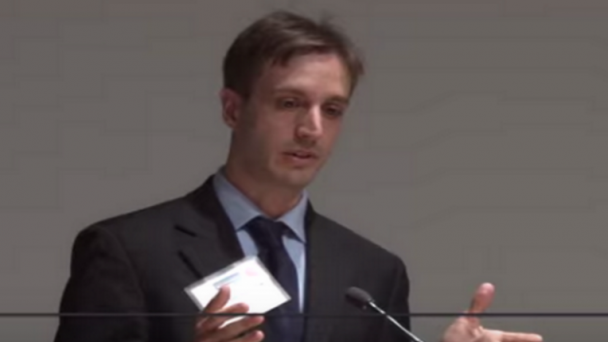
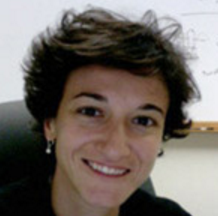
Giorgio Ascoli

Founding Editor-in-Chief, Neuroinformatics

The main effort of Dr. Ascoli's lab is to connect the cellular organization of brain networks to cognitive functions such as learning and memory. His laboratory hosts and curates a central inventory of digitally reconstructed neurons in NeuroMorpho.Org and Hippocampome knowledge  base and has developed L-Neuron, a neuron modeling  tool. His  long-term scientific and philosophical goal consists in establishing a working model for the highest cognitive functions such as human consciousness.

OnAir Post: Giorgio Ascoli

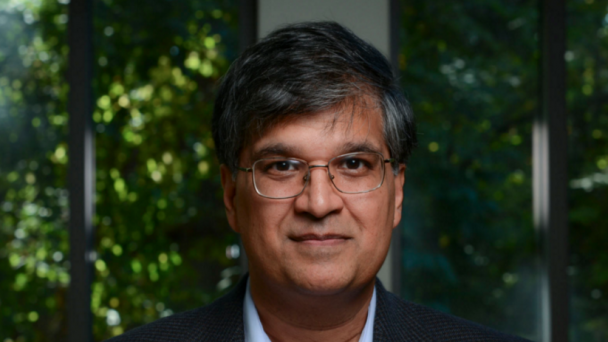
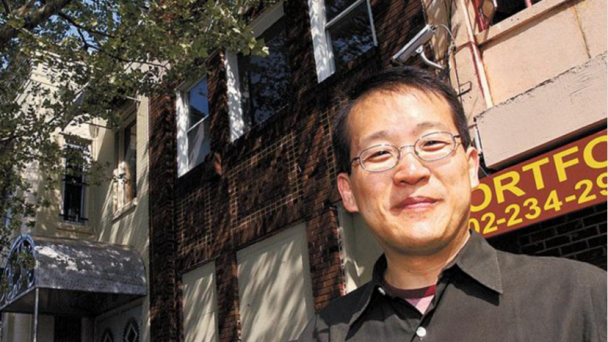
M. Saleet Jafri


Summary

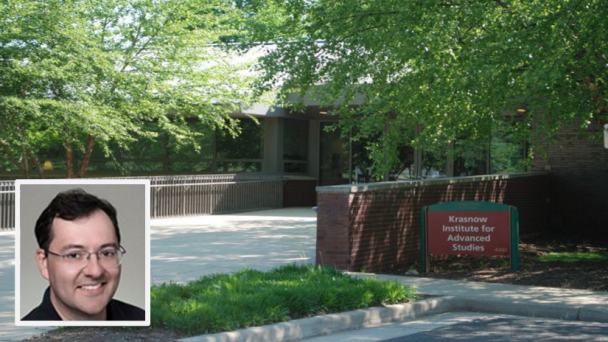
Professor, School of Systems Biology, George Mason University Interim Director, Krasnow Institute for Advanced Study

Dr. Jafri’s research uses computational models to understand the molecular and cellular basis of disease. His research interests include: Cellular signaling, calcium dynamics, cardiac excitation-contraction coupling, mitochondrial signaling and energy metabolism, high performance computing, and computational modeling.


Information

GMU Neuroscience  Program page     SSB page

Email:  sjafri@gmu.edu Phone:  703.993.8420 Address: Krasnow Institute for Advanced Study, Room 234, MSN 2A1 Manassas, VA 20110


Biosketch

Dr. Jafri received his BS in mathematics from Duke University, a MS in mathematics from the Courant Institute of Mathematical Science at New York University, and a PhD in Biomathematical Sciences from the Mount Sinai School of Medicine/City University of New York. He did his postdoctoral training with Joel Keizer at the University of California Davis followed by a Research Assistant Professorship at the Johns Hopkins University in the Department of Biomedical Engineering. He served as an Assistant Professor in the Department of Mathematical Sciences at the University of Texas at Dallas before joining George Mason University in 2002.


Selected Publications

Nguyen, M. T., S. J. Dudycha, and M. S. Jafri. 2007. The effects of Ca2+ on cardiac mitochondrial energy production is modulated by Na+ and H+ dynamics. Am. J. ...

OnAir Post: M. Saleet Jafri

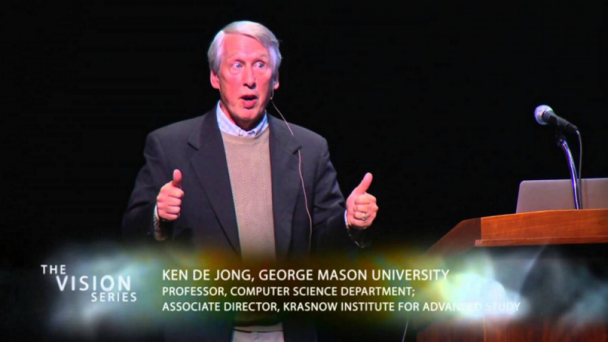
Kenneth A. De Jong

Summary

Professor Emeritus, Computer Science, George Mason University Associate Director, Krasnow Institute Director, Evolutionary Computation Lab

Dr. De Jong is one of the pioneers in evolutionary computation. He has been instrumental in unifying various evolutionary techniques like genetic algorithms, evolution strategies and evolutionary programming under one umbrella of evolutionary computation. He has been also instrumental in the research sub field of co-evolution in evolutionary computation


Information

Personal site    Volgenau page    Lab Site

Email: kdejong@gmu.edu Phone: 703-993-4398 Address: Room 213 Krasnow Institute Fairfax, Va. 22030


Biosketch

Kenneth A. De Jong received his Ph.D. in computer science from the University of Michigan in 1975. He joined George Mason Uiversity in 1984.

His research interests include genetic algorithms, evolutionary computation, machine learning, and adaptive systems. He is currently involved in research projects involving the development of new evolutionary algorithm (EA) theory, the use of EAs as heuristics for NP-hard problems, and the application of EAs to the problem of learning task programs in domains such as robotics, diagnostics, navigation and game playing.

He is also interested in experience-based learning in which systems must improve their performance while actually performing the desired tasks in environments not directly their control or the control of a benevolent teacher. Support for these ...

OnAir Post: Kenneth A. De Jong

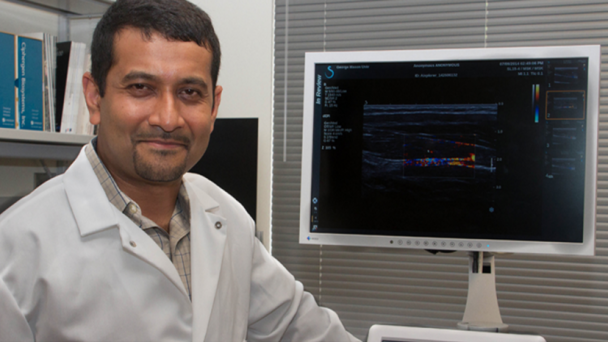
Siddhartha Sikdar


Summary

Associate Professor, Bioengineering and Electrical and Computer Engineering, George Mason University

Dr. Sikdar’s professional experience is in the interdisciplinary research, development, clinical evaluation and commercialization of medical devices and medical imaging systems. His specific speciality is in ultrasound imaging systems. He has experience in medical imaging system development from imaging physics, system architecture, algorithms and optimal implementations based on high-performance media processors.


Information

ECE web page   LinkedIn

Email: ssikdar@gmu.edu Phone: 703-993-1539 Address: Engineering 3908 4400 University Fairfax, Va. 22030


Biosketch

Siddhartha Sikdar joined George Mason University in Spring 2008 and has joint appointments in Bioengineering and Electrical and Computer Engineering. He is a PI at the Krasnow Institute for Advanced Study and a guest researcher with the Rehabilitation Medicine Department at the NIH Clinical Center. He received his PhD in Electrical Engineering from the University of Washington, Seattle, in 2005. From 2005-2007, he was a Senior Fellow in Bioengineering at the University of Washington and was the recipient of a postdoctoral fellowship award from the American Heart Association. He was awarded the NSF CAREER Award in 2010 and Mason’s Emerging Researcher/Scholar/Creator Award in 2012.

Dr. Sikdar’s Biomedical Imaging Laboratory at the Krasnow Institute for Advanced Study conducts translational research involving novel applications of ultrasound imaging including the development of new ultrasound signal and image ...

OnAir Post: Siddhartha Sikdar

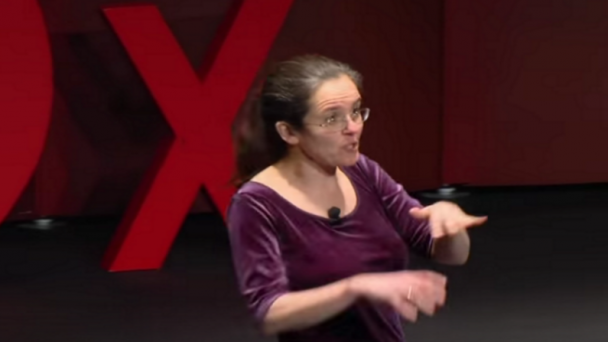
Nathalia Peixoto


Summary

Associate Professor, Electrical and Computer Engineering Department Director, Neural Engineering Lab

Dr. Peixoto’s research interests include implantable electrodes and systems, hybrid systems (cell cultures and electronics), control of assistive technology, bioMEMS (bio-micro-electro-mechanical systems), and experimental models of neuropathologies such as epilepsy and spreading depression.


Information

Department webpagehttps://ece.gmu.edu/people/full-time-faculty/nathalia-peixoto Neural Engineering Lab website:  http://neural.bioengineering.gmu.edu/ Google Scholar

Email: npeixoto@gmu.edu Phone: 703.993.1567 Address: Nguyen Engineering Building Engineering 3912


Biosketch

Professional Preparation

Univ. Campinas, Sao Paulo, Brazil B.S. 1991-1995 Electrical Engineering

Univ. Campinas, Sao Paulo, Brazil M.S. 1996 Biomedical Engineering

Univ. Sao Paulo, Sao Paulo, Brazil Ph.D. 1997-2001

Microelectronics Stanford University, CA Postdoc 2001-2002 Electrical Engineering

George Mason University, Fairfax, VA Postdoc 2003-2006 Neuroscience

Products (in chronological order)

(i) Closely related to the project 1. Peixoto, N., Lima, V.M.F., Hanke, W., Correlation of the electrical and intrinsic optical signals in the spreading depression phenomenon, Neuroscience Letters, 299(1), 89-92, 2001.

2. Minnikanti, S., Skeath, P., Peixoto, N., Electrochemical Characterization of Carbon Nanotube Electrodes for Biological Applications, Carbon, 47, pg 884-893, 2009.

3. Minnikanti S, Pereira MG, Jaraiedi S, Jackson K, Costa-Neto CM, Li Q, Peixoto, N, In vivo electrochemical characterization and inflammatory response of multiwalled carbon nanotubebased electrodes in rat hippocampus. J. Neural Engineering, 2;7(1):016002 (10 pages), 2010.

4. Hamilton F, Berry T, Peixoto N, Sauer T. Real-time tracking of neuronal ...

OnAir Post: Nathalia Peixoto

Kim Avrama Blackwell

Summary

Professor, Molecular Neuroscience, George Mason University

Dr Blackwell investigate calcium dynamics and signaling pathways involved in long term memory storage.  One of the fundamental, unsolved questions in neuroscience is how different spatio-temporal patterns of input produce different memories and shape information processing.

She also investigates the role of dopamine in both normal reward learning and Parkinson’s disease.  Her lab develops novel computer software and realistic neuronal models, as well as using electrophysiology to answer these questions.


Information

Krasnow page  GMU Neuroscience page    ECE page

Email: kblackw1@gmu.edu Phone: 703-993-4381 Office Hours: Thurs. 12-1 or by appointment Address: Krasnow Institute, MS 2A1 Rockfish Creek Lane Fairfax, VA 22030-4444


Biosketch

Kim ‘Avrama’ Blackwell is a professor in the Krasnow Institute of Advanced Studies.  She has a V.M.D. (Veterinary Medicine), M.S. (Systems Engineering) and Ph.D. (Bioengineering) from the University of Pennsylvania.

Dr Blackwell investigate calcium dynamics and signaling pathways involved in long term memory storage.  One of the fundamental, unsolved questions in neuroscience is how different spatio-temporal patterns of input produce different memories and shape information processing. She also investigates the role of dopamine in both normal reward learning and Parkinson’s disease.  Her lab develops novel computer software and realistic neuronal models, as well as using electrophysiology to answer these questions.


Selected Publications

OnAir Post: Kim Avrama Blackwell

Jane Flinn


Summary

Associate Professor, Psychology Department, George Mason University Director, GMU Undergraduate Neuroscience Program Director, Flinn Lab

Dr. Flinn’s research has emphasized the roles of zinc, copper and iron in learning and memory and also in macular degeneration. Her research currently focuses on two specific aspects of metals in behavior, Alzheimer’s disease (AD) and the extinction of learned fears.


Information

Webpage:  psychology.gmu.edu/people/jflinn

Email: jflinn@gmu.edu Phone:   703.993.4107 Office Hours:  Tues 3:00PM-4:00PM, R 4:00PM-5:00PM Address: David King Hall 2022 Fairfax, Va. 22030

Biosketch

Dr. Flinn was the chair of the Department of Psychology from 1984 to 1995. During her tenure, the department was ranked as one of the most improved programs by the National Chronicle of Higher Education. After stepping down as chair, she became the coordinator of the biopsychology concentration and developed the concentration in biopsychology in the PhD in psychology. In 2006, she took over the newly approved undergraduate BS in neuroscience. The first students graduated in 2009, and there are now over 200 students in the program.

Education

George Washington University Ph.D. Psychology 1974 Catholic University of America Ph.D. Physics 1969 University of California at Los Angeles M.Sc. Physics 1962 Oxford University B.A.Physics 1960

Professional Experience

Director Undergraduate Neuroscience Program 2006-present Director Biopsychology Program 1995-2006 Chairman, Department of Psychology 1984-1995

Honors and Awards

University Undergraduate Mentoring Award 2015 Distinguished Faculty Award, George Mason University 1990, ...

OnAir Post: Jane Flinn

Ted Dumas


Summary

Associate Professor, Molecular Neuroscience Department, Krasnow Institute Principal Investigator, Physiological and Behavioral Neuroscience in Juveniles Lab (PBNJ)

Dr. Dumas research focuses on neural substrates of memory, neural and cognitive development, stress and behavioral control, real-time brain activity focus in a multidisciplinary setting.

Information

Webpage:   neuroscience.gmu.edu/people/tdumas

Email: tdumas@gmu.edu Phone:  703.993.9170 Address:  Krasnow Institute 109 Fairfax, Va. 22030

About

Ted Dumas is an Assistant Professor of Molecular Neuroscience who balances education and research to discover novel relationships between neural network activities and cognitive abilities and disseminate knowledge to students of all ages. Dr. Dumas received his B.S. degree at the University of Connecticut and double majored in Physiology and Neurobiology (Life Sciences Dept.) and Psychology. Having found his career niche in basic research, he then attended the University of Virginia where he earned his first individual NIH fellowship and received his M.S. and Ph.D. degrees in the Neuroscience and Behavior Program in the Department of Psychology. He then moved across the country to work as an NIH-funded postdoctoral fellow with Dr. Robert Sapolsky at Stanford University focusing on gene therapy techniques designed to prevent and promote recovery from brain injury. His second postdoctoral fellowship was at the University of Oregon with Dr. Clifford Kentros where he contributed to a large effort ...

OnAir Post: Ted Dumas

Matthew S. Peterson

Dr. Peterson's research focus is on visual attention and related areas, such as eye movements, working memory, multitasking, and visual cognition. His research interests include: Human Factors/Applied Cognition: Visual attention, eye movements, working memory, attentional control, brain plasticity, and cognitive training.

OnAir Post: Matthew S. Peterson

Martin Wiener


Summary

Assistant Professor, Dept. of Psychology, George Mason University AAAS Fellow, Directorate for Computer & Information Science & Engineering Division of Information and Intelligent Systems Class of 2015

Dr. Wiener’s research entailed neuroscientific investigations into the neural bases of time perception and rhythmic processing, where he utilized a number of techniques, including neurogenetics, functional Magnetic Resonance Imaging and Transcranial Magnetic Stimulation.


Information

GMU Department page: psychology.gmu.edu/people/mwiener   CV   Cognitive Behavioral Science Program:  cbn.gmu.edu/ Twitter: @MartinMwiener  LinkedIn page     NSF web page

Email: mwiener@gmu.edu Office Hours: 10 am to 11:50 am Phone: 703.993.6217 Address:  David King Hall 2055 Fairfax, Va. 22030


Biosketch

Dr. Wiener’s background is in Psychology and Neuroscience, where he received his PhD from the University of Pennsylvania in 2011.  Dr. Wiener’s research entailed neuroscientific investigations into the neural bases of time perception and rhythmic processing, where he utilized a number of techniques, including neurogenetics, functional Magnetic Resonance Imaging and Transcranial Magnetic Stimulation.  Dr. Wiener has completed two post-doctoral fellowships, at the University of Pennsylvania and George Mason University.  Dr. Wiener is a Big Data & Analytics fellow with CISE, where he is interested in projects at the intersection of neuroscience and big data, such as President Obama’s BRAIN initiative.  Additionally, Dr. Wiener is interested in helping ...

OnAir Post: Martin Wiener

Paul So


Summary

Chair, Department of Physics & Astronomy at George Mason University

Dr. So is a theoretical physicist specialized in dynamical systems analysis and its application to neuroscience. The overarching goal of his research is the application of these tools from dynamical systems and other physical insights from statistical physics to a better understanding on the mechanisms for information processing in the brain and on dynamical causes related to different pathological neural diseases such as epilepsy and Parkinson’s disease.


Information

Website   Physics web page   LinkedIn

Email: (703) 993-4377 Phone: paso@gmu.edu Address: 203 Planetary Hall or 114 Krasnow Institute Fairfax, Va. 22030


Biosketch

Education

University of Maryland College Park PhD, Physics/Nonlinear Dynamics 1988 – 1995

Harvey Mudd College BS, Physics and Math 1984 – 1988

Experience

Chair of Department of Physics & Astronomy George Mason University August 2016 – Present (4 months)Fairfax VA 22030

Professor George Mason University June 2015 – Present (1 year 6 months) Founder Hamiltonian Artists July 2007 – Present (9 years 5 months)Found the non-profit art organization with its mission to build a dynamic community of innovative artists and effective visual art leaders by providing professional development opportunities to innovative new artists and by advancing their entrepreneurial success. Owner Hamiltonian Gallery June 2007 – Present (9 years 6 months)Oversee the general operation of the gallery. President Green Step LLC September 2006 – Present (10 years 3 ...

OnAir Post: Paul So

Ernest Barreto


Summary

Professor, Department of Physics and Astronomy and the Krasnow Institute for Advanced Study, George Mason University

The main goal of Dr. Barreto’s research is to understand and describe the complex dynamics in neural systems using techniques from dynamical systems theory. We are specifically interested in the emergence of collective behavior across the various scales of neuronal organization, from individual neurons to various functional ensembles.


Information

Website  Physics web page   LinkedIn

Email: ebarreto@gmu.edu Phone: 703.993.4431 Address: 116 Krasnow Institute Fairfax, Va. 22030


Biosketch

Education

University of Maryland College Park Doctor of Philosophy (PhD), Physics 1991 – 1996 Marine Biological Laboratory Neurobiology (2001), Methods in Computational Neuroscience (2002)

University of Chicago Bachelor of Arts (BA), Physics 1986 – 1990 Niskayuna High School 1983 – 1986 École Active Bilingue Jeannine Manuel 1982 – 1983


Current Research Interests

The main goal of my research is to understand and describe the complex dynamics in neural systems using techniques from dynamical systems theory. We are specifically interested in the emergence of collective behavior across the various scales of neuronal organization, from individual neurons to various functional ensembles.

In the past decade, our laboratory has been successful in establishing that dynamics from single neurons,small ensembles of neurons, and from intact human cortical recordings show significant degrees of nonlinear determinism. This result was derived using concepts ...

OnAir Post: Ernest Barreto

John Robert Cressman


Summary

Assistant Professor, School of Physics and Astronomy, and Krasnow Institute, George Mason University

Dr. Cressman’s research has focused on investigating dynamical structures in driven systems with a specific interest in their role in the functions of the brain.

Transient but long-lived correlated dynamics underlie innumerable biological processes, from the lifecycle of an organism to conscious thought and social behavior. Transient dynamical structures are also the hallmark of a number of natural phenomena including tornados, hurricanes, gyres, and von Karman vortex streets, simple fluid systems that can support coherent structures.


Information

Webpage: physics.gmu.edu/~jcressma/About_Dr_Cressman Lab website:  physics.gmu.edu/~jcressma

Email: jcressma@gmu.edu Office Phone: 703-993-9643 Lab Phone: 703-993-9722 Address: Krasnow Institute for Advanced Study MSN 2A1 room 110 4400 University Drive Fairfax, VA 22030


Research

Overview

My research has focused on investigating dynamical structures in driven systems with a specific interest in their role in the functions of the brain. Transient but long-lived correlated dynamics underlie innumerable biological processes, from the lifecycle of an organism to conscious thought and social behavior. Transient dynamical structures are also the hallmark of a number of natural phenomena including tornados, hurricanes, gyres, and von Karman vortex streets, simple fluid systems that can support coherent structures.

My interest in the dynamics that support human thought began when I was an undergraduate studying physics and philosophy. It seemed to ...

OnAir Post: John Robert Cressman

James Willett


Summary

Professor, Biochemistry & Bioinformatics, Applied Cell Biology and Genetics, School of Systems Biology, George Mason University Founding Director, School of Systems Biology

Dr. Willet areas of scientific interest and specialization are Biochemistry and Systems Biology.  He employs the nematode Caenorhabditis elegans as a model system to study the molecular mechanisms driving physiologic state changes.


Information

SSB page    CV   LinkedIn

Email: jwillett@gmu.edu Phone:  (703) 993-8311 Address: School of Systems Biology Mail Stop 5B3 10900 University Blvd Manassas, VA 20110


Biosketch

Education

A.B. (Chemistry), 1959 University of California, Berkeley

Ph.D. (Organic Chemistry), 1965 Massachusetts Institute of Technology

Postdoctoral (Bio‑organic Chemistry), 1965‑1968 Stanford University


Experience

Director, School of Systems Biology, College of Sciences, George Mason University, January 2011 to present

Chair, Molecular and Microbiology, College of Sciences, George Mason University, December 2006 to January 2011

Professor, Departments of Molecular and Microbiology, and Bioinformatics and Computational Biology, College of Sciences, George Mason University, 2004 to present

Director of Operations, Biomedical Genomics and Informatics and Assistant director of the Biodefense Center, College of Arts and Sciences, George Mason University, October 2001 – 2003

Professor of Biochemical Systematics, School of Computational Sciences and College of Arts and Sciences, George Mason University, January 2001 to 2006

Director, Molecular Biosciences and Informatics, School of Computational Sciences, George Mason University, March 2000 – October 2001.

Professor; Molecular Biosciences Institute, School of Computational Sciences, George ...

OnAir Post: James Willett

Nadine Kabbani

Summary

Associate Professor, Molecular Neuroscience Department, Krasnow Institute of Advanced Studies Director, GMU Program in Neuroethics

Dr. Kabbani’s research focuses on the cellular and molecular mechanisms of nicotinic receptor drug actions in the brain and immune system.


Biography

Nadine Kabbani is a faculty member at the Krasnow Institute for Advanced Study and an Associate Professor in the Department of Molecular Neuroscience with joint appointment in the School of Systems Biology. Her research focuses on the cellular and molecular mechanisms of nicotinic receptor drug actions in the brain and immune system. She is a member of the Society for Neuroscience, the Protein Society, the Society for Pharmacology and Experimental Therapeutics, and the VA Youth Tobacco Project. Dr. Kabbani serves on the editorial board for Amino Acids, Proteomics Insights, and the Children’s Medical Safety Research Institute. She has been the recipient of awards by the National Institute for Neurological Disorders and Stroke, the Philip Morris Corporation, the Foundation for Medical Research, and the International Brain Research Organization. Her research is currently funded by the VA Foundation for health youth and the Wings for Life Spinal Cord Research Foundation. She is an author on 40+ published scientific articles and several book chapters. Dr. Kabbani pursued postdoctoral ...

OnAir Post: Nadine Kabbani

Andrew H Peterson


Summary

Research Assistant Professor, Department of Philosophy, George Mason University Research Fellow, GMU Institute for Philosophy and Public Policy Affiliate Faculty, GMU Interdisciplinary Program in Neuroethics Affiliate Member, Rotman Institute of Philosophy

Dr. Peterson’s research centers on bioethics and the philosophy of neuroscience, with specialization in the ethical treatment of individuals with disorders of consciousness.


Information

GMU page  IPPP page   LinkedIn page

Email:  apeter31@gmu.edu Phone:  703.993.1329 Address: Robinson Hall B 459 Fairfax, Va. 22030


Biosketch

From GMU page

Andrew Peterson is a Research Assistant Professor in the Department of Philosophy and Research Fellow at the Institute for Philosophy and Public Policy. His research centers on bioethics and the philosophy of neuroscience, with specialization in the ethical treatment of individuals with disorders of consciousness. Andrew’s research is situated in an international collaborative research program entitled, “The Ethics of Neuroimaging After Serious Brain Injury” funded by the Canadian Institutes of Health Research. Andrew was previously a Vanier Canada Graduate Scholar at the Rotman Institute of Philosophy and the Brain and Mind Institute at the University of Western Ontario, Canada.

Education

Western University Doctor of Philosophy (Ph.D.), Philosophy

San Francisco State University Master’s Degree, Philosophy 2011

Experience

Research Assistant Professor George Mason University June 2016 – Present (6 months)Institute for Philosophy and Public Policy and Department of Philosophy Vanier Canada Graduate Scholar Western University July 2013 – June 2016 (3 years)Rotman ...

OnAir Post: Andrew H Peterson

Kathryn Laskey

Broad research interest is the use of information technology to support better inference and decision making.

Dr. Laskey teaches courses in systems engineering, decision theory, and decision support systems.

OnAir Post: Kathryn Laskey

Michael Pritz

Summary

Affiliate: Krasnow Institute for Advanced Study, Deparment of Bioengineering, George Mason University Principal Investigator: Developmental Evolutionary Neurobiology Lab

Dr. Pritz’s research investigates the development and evolution of vertebrate brains.   The present focus is on two areas: (1.) forebrain organization and development in a model vertebrate system and (2.) general principles that underlie the formation of brain nuclei. He also teaches a course on mammalian neurobiolgy.


Information

Web page: krasnow.gmu.edu/kifaculty/michael-b-pritz

Research Gate   LinkedIn

Email: mpritz@gmu.edu Phone: 703-993-9720 Address: 4400 University Drive, MS 2A1 Fairfax, Virginia 22030


Biosketch

My prior experience has been in Schools of Medicine where I worked as a neurosurgeon reaching the professor level with a focus on cerebrovascular disease and skull base problems. At Indiana University School of Medicine, I was the Director of Cerebrovascular and Skull Base Surgery in the Department of Neurological Surgery. At the end of December, 2012, I retired from clinical neurosurgery and have devoted my time and efforts to basic science research. I have now moved to the Department of Molecular Neuroscience at the Krasnow Institute for Advanced Study. This opportunity will provide me with a rich environment to pursue my research in developmental evolutionary neurobiology and as well as give me an opportunity to teach a graduate level course in neuroanatomy. After ...

OnAir Post: Michael Pritz

Rubén Armañanzas

Dr. Armañanzas research topics include machine learning, computational neuroscience, and neuroinformatics. In particular, applications within these topics are: knowledge discovery in digital neuronal reconstructions, automatic classification of neuronal types, complex neuromorphic networks, and unveiling key aspects of neuronal morphogenesis in the developing brain.

OnAir Post: Rubén Armañanzas

Jacopo Annese, PhD – UCSD


Summary

Assistant Professor, UCSD School of Medicine President/CEO, Institute for Brain and Society Affiliate, Krasnow Institute for Advanced Studies

Dr. Annese’s primary goal in the field of neuroscience is to conduct research that is open to public engagement and promotes the highest standards in data sharing and collaboration within the scientific community.


General Information

Institute website: Institute for Brain and Society Faculty website: UCSD School of Medicine

Email:  jannese@ucsd.edu Office Phone: 858-822-4465 Lab Phone: 858-534-3177

Address:  University of California, San Diego 3510 Dunhill Street San Diego, CA 92121


Biosketch

In 2005 Dr. Annese founded The Brain Observatory and in 2009 the laboratory was charged with the postmortem brain examination of one of the most famous medical cases in the history of neurology. The project evolved into the Digital Brain Library a novel collection of neurological and biographical data from medical patients and ordinary healthy individuals who have chosen to donate the brain to the project. The preservation and curation of their brain images and stories will help physicians and researchers understand the relationship between the brain, behavior and susceptibility to disease.

Education

University of Rome ‘La Sapienza’ Rome, Italy B.A. and M.S. Biological Sciences

University College London London M.S., M.Phil. Neurosciences

Dartmouth College Hanover, NH Ph.D. Cognitive Neuroscience

CV

Download (PDF, 152KB)

Articles

Postmortem examination of patient H.M.’s brain based on histological sectioning ...

OnAir Post: Jacopo Annese, PhD – UCSD

James Olds

Information

Web: Schar  School page  NSF Announcement  LinkedIn page Krasnow Institute Website    Decade of the Mind

Email:  jolds@gmu.edu Phone: Address

NSF Press Release

Press Release 14-110

September 3, 2014

The National Science Foundation (NSF) has selected George Mason University’s James L. Olds to serve as assistant director for the Directorate for Biological Sciences (BIO). BIO’s mission is to enable discoveries for understanding life. BIO-supported research advances the frontiers of biological knowledge, increases our understanding of complex systems, and provides a theoretical basis for original research in many other scientific disciplines.

Olds is a director and chief academic unit officer at the Krasnow Institute for Advanced Study, a position he has held for 15 years. He is also the Shelley Krasnow University Professor of Molecular Neuroscience. The international Decade of the Mind project was begun under his leadership at Krasnow, which helped shape President Obama’s BRAIN Initiative.

“Dr. Olds has a strong record of academic leadership with an institution that has grown its global presence during his tenure,” said NSF Director France A. Córdova. “In addition to his leadership, his commitment to interdisciplinary research at Krasnow and his experience with developing scientific policy will be of great benefit to NSF and ...

OnAir Post: James Olds

Harold Morowitz (1928-2016)


Summary

Founding Director, Krasnow Institute for Advanced Studies Professor, Molecular Biophysics and Biochemistry, Yale University Eminent Scholar, GMU Molecular Neuroscience Department and Robinson Fellow

Biophysicist Harold Morowitz became a Robinson Professor after a long career of teaching and research at Yale University as Professor of Molecular Biophysics and Biochemistry and serving for five years as Master of Pierson College. Dr. Morowitz was interested in philosophical foundations of neurobiology and the problem of consciousness.


Information

Web:  Robinson web page     Wikipedia Entry Email: morowitz@gmu.edu Phone: 703.993.4334 Location: Krasnow Institute


Biosketch

Born Dec. 4, 1927, died March 22, 2016.

From Robinson web page

Biophysicist Harold Morowitz became a Robinson Professor after a long career of teaching and research at Yale University as Professor of Molecular Biophysics and Biochemistry and serving for five years as Master of Pierson College. The author of several books, Morowitz has written extensively on the thermodynamics of living systems, as well as on popular topics in science. Included in those publications are Mayonnaise and the Origins of Life, Cosmic Joy and Local Pain, The Thermodynamics of Pizza, Entropy and the Magic Flute,and The Kindly Dr. Guillotin. In his current research, Morowitz is investigating the interface of biology and information sciences and continues his exploration of the origins ...

OnAir Post: Harold Morowitz (1928-2016)

Skip to toolbar