Harvard Neuroscience

The Program in Neuroscience draws together neuroscientists from across Harvard. The physical home base of the program is located at the Longwood Campus of Harvard Medical School, in the Department of Neurobiology.

Research sites include the Longwood Medical Area, Cambridge Campus, Massachusetts General Hospital, and the McLean Hospital. The Center for Brain Science unites many neuroscience labs and houses in the newly established Swartz Program in Theoretical Neuroscience.

Web Information

Website: dms.hms.harvard.edu/neuroscience/prospective/AboutPIN Research Sites: dms.hms.harvard.edu/neuroscience/prospective/ResearchSites Brain Initiative Grant – “Comprehensive Classification Of Neuronal Subtypes By Single Cell Transcriptomics” BRAIN Initiative Grant– “Magnetic Particle Imaging (MPI) for Functional Brain Imaging in Humans” BRAIN Initiative Grant– “Mapping neuronal chloride microdomains” Brain Initiative Grant– “Neural circuits in zebrafish: form, function and plasticity”

Contact Information

Email: karen_harmin@hms.harvard.edu Phone: (617) 432-0912 Address: Program in Neuroscience Harvard Medical School 220 Longwood Avenue Goldenson 129 Boston, MA 02115

About the Program in Neuroscience

Mission Statement: We are an inter-departmental Ph.D. program for training in neuroscience. Our mission is to provide students with the instruction, research experience, and mentoring they need to become leaders in research and education.

Who we are: The Program in Neuroscience draws together neuroscientists from across Harvard. The physical home base of the program is located at the Longwood Campus of Harvard Medical School, in the Department of Neurobiology. Most coursework occurs at this campus, ...

OnAir Post: Harvard Neuroscience

George Church, PhD – Harvard

Professor of Genetics, Harvard Medical School Director, PersonalGenomes.org and the Church Lab

Dr. Church was part of a team of six that proposed in 2012 a Brain Activity Map which morphed into the BRAIN Initiative. They outlined specific experimental techniques that might be used to achieve what they termed a “functional connectome”  as well as new technologies to detect and manipulate neuronal activity. In a 2015 Neuron article, they proposed establishing a national network of Brain Observatories.

Web Information

Website: http://arep.med.harvard.edu/gmc/

Wikipedia Entryhttps://en.wikipedia.org/wiki/George_M._Church

Contact Information

Email: gmc@harvard.edu

Phone: (617) 432-7562

Address: Department of Genetics, New Research Building (NRB) 77 Avenue Louis Pasteur , Room 238 (233, 232). Boston, MA 02115

Brain Actvity Map

Original paper in Neuron 2012

The Brain Activity Map Project and the Challenge of Functional Connectomics

The function of neural circuits is an emergent property that arises from the coordinated activity of large numbers of neurons. To capture this, we propose launching a large-scale, international public effort, the Brain Activity Map Project, aimed at reconstructing the full record of neural activity across complete neural circuits. This technological challenge could prove to be an invaluable step toward understanding fundamental and pathological brain processes.


Closing Keynote at Kavli Futures Symposium

From Kavli Foundation web page about Nov.3-4, 2014 symposium at Columbia University.

In the closing keynote, George ...

OnAir Post: George Church, PhD – Harvard

My stroke of insight

https://www.youtube.com/watch?v=UyyjU8fzEYUVideo can’t be loaded because JavaScript is disabled: My stroke of insight | Jill Bolte Taylor | TED (https://www.youtube.com/watch?v=UyyjU8fzEYU)

“Neuroanatomist Jill Bolte Taylor had an opportunity few brain scientists would wish for: One morning, she realized she was having a massive stroke. As it happened — as she felt her brain functions slip away one by one, speech, movement, understanding — she studied and remembered every moment. This is a powerful story about how our brains define us and connect us to the world and to one.”

Filmed February 2008 at TED 2008 Uploaded to YouTube on March 13, 2008 by TED  

TED Talks webpage

OnAir Post: My stroke of insight

Sydney Cash, MD/PhD – Mass General


Assistant Professor of Neurology, Harvard Medical School Assistant in Neurology, Massachusetts General Hospital Principal Investigator, Cortical Physiology Lab

Dr. Cash’s lab’s research is, broadly speaking, dedicated to trying to understand normal and abnormal brain activity, particularly oscillations, using multi-modal and multi-scalar approaches with long term goals of improving therapies for patients with epilepsy.

Web Information

Mass General webpagemassgeneral.org/neurology/researcher_profiles/cash_syd.aspx

Cortical Physiology Lab webpage:  massgeneral.org/research/researchlab.aspx?id=1100

Harvard Catalystconnects.catalyst.harvard.edu/Profiles/display/Person/24483

Contact Information

Email: scash@partners.org

Phone: 617/726-3311

Address: Massachusetts General Hospital Wacc-730. 55 Fruit St Boston MA 02114


Research

Current research in the lab is, broadly speaking, dedicated to trying to understand normal and abnormal brain activity, particularly oscillations, using multi-modal and multi-scalar approaches. Specifically, we are combining novel microelectrode approaches with non-invasive techniques such as electroencephalography and magnetoencephalography to record directly from both human and animal cortex and subcortical structures. One part of the lab studies the neurophysiology of epilepsy; trying to understand how seizures start and stop and how they might be predicted and terminated. These questions overlap with investigations into the mechanisms of sleep, normal language, auditory, and other cognitive processing.

All of these projects are built on a foundation of combined microelectrode, macroelectrode and non-invasive recording techniques that span information from the level of single action potentials to aggregate activity of millions of neurons. Intensive signal processing and computational ...

OnAir Post: Sydney Cash, MD/PhD – Mass General

Nanomagnetic Stimulation Capability

Principal Investigators: Sydney Cash, MD/PhD – Mass General and Nian X. Sun, PhD – Northeastern Title: Nanomagnetic Stimulation Capability for Neural Investigation and Control BRAIN Category: Neuroengineering and Brain-inspired concepts and design

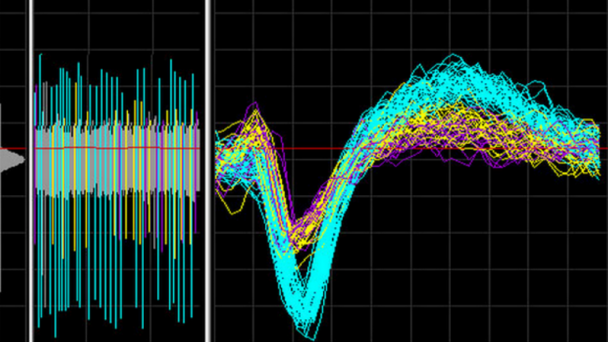
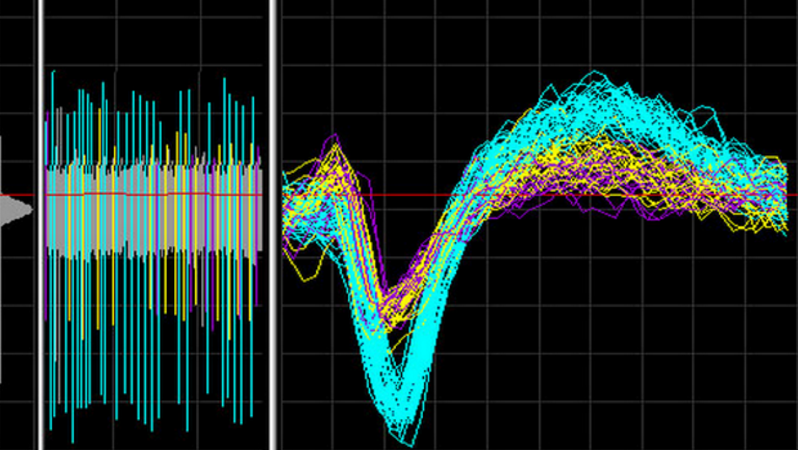
Image from Cortical Physiology Lab – Single Neural Channel

Abstract

Award Number: ##1533484

Abstract not available

NSF Project Information

NSF webpage:  nsf.gov/awardsearch/showAward?AWD_ID=1533484&HistoricalAwards

NSF Org: ECCS   Div Of Electrical, Commun & Cyber Sys

Start Date:  September 1, 2015      End Date: August 31, 2019 (Estimated)

Awarded Amount to Date: $363,640.00

Investigator(s): Nian Sun nian@ece.neu.edu

NSF Program(s): BIOMEDICAL ENGINEERING, IntgStrat Undst Neurl&Cogn Sys

Program Reference Code(s): 8089, 8091, 8551

Sponsor: Northeastern University 360 HUNTINGTON AVE BOSTON, MA 02115-5005 (617)373-2508

NSF Project Information

NSF webpage:  nsf.gov/awardsearch/showAward?AWD_ID=1533484&HistoricalAwards

NSF Org: ECCS   Div Of Electrical, Commun & Cyber Sys

Start Date:  September 1, 2015      End Date: August 31, 2019 (Estimated)

Awarded Amount to Date: $456,364.00

Investigator(s): Sydney Cash SCASH@PARTNERS.ORG

NSF Program(s): BIOMEDICAL ENGINEERING, IntgStrat Undst Neurl&Cogn Sys

Program Reference Code(s): 8089, ...

OnAir Post: Nanomagnetic Stimulation Capability

Magnetic Particle Imaging (MPI)

Principal Investigator: Lawrence Wald Neuroscience@Harvard Title: “Magnetic Particle Imaging (MPI) for Functional Brain Imaging in Humans” BRAIN Category: Next Generation Human Imaging (RFA MH-14-217)

The Wald team plans to use an iron-oxide contrast agent to track blood volume, which will permit dramatically more sensitive imaging of human brain activity than existing methods.

NIH Webpages

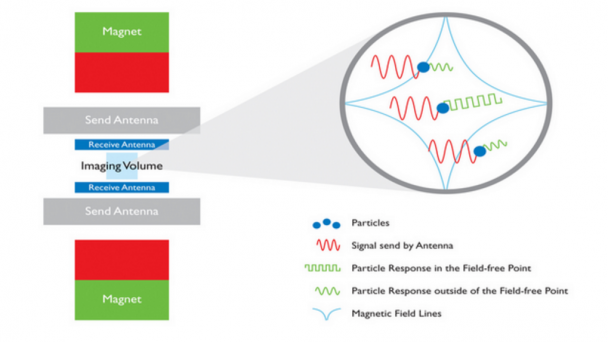
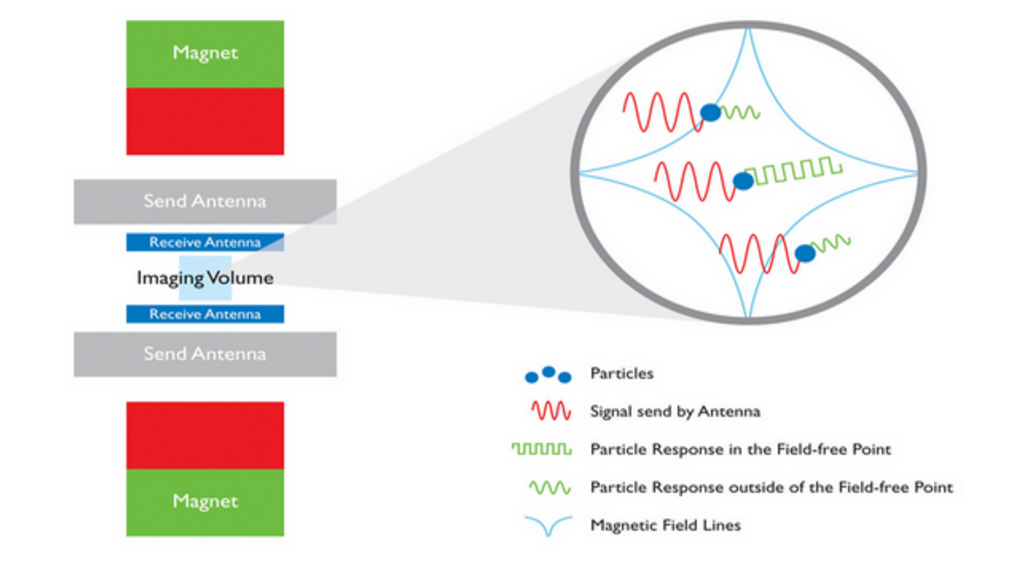
Schematic set up and operating principle of the Magnetic Particle Imaging technology. Phillips MPI.

Project Description

In this planning grant we propose several engineering developments to advance Magnetic Particle Imaging (MPI) to replace MRI as the next-generation functional brain imaging tool for human neuroscience. We assemble a group of technology experts to solve a myriad of identified and unidentified barriers, we employ simulation and bench-top experiments to characterize and test solutions for these technical obstacles and validate solutions by bench testing specific sub-sections of the imager. Finally we simulate the overall performance of the planned device and assess its benefit for human functional brain imaging. MPI is a young but extremely promising technology that uses the nonlinear magnetic response of iron- oxide nanoparticles to localize their presence in the body. MPI directly detects the nanoparticle’s magnetization rather than using secondary effects on the Magnetic Resonance relaxation times. ...

OnAir Post: Magnetic Particle Imaging (MPI)

HarvardX course- Fundamentals of Neuroscience (video)

The Fundamentals of Neuroscience Part 3: The Brain This free Harvard edX course, MCB80x, will return on 9/30/15Part 3: The Brain is Now Open for Registration!
Do you want to learn about how brains perceive the world? The third module will explore sensation, perception and the physiology of functional regions of the brain. Register now for the start of the course on September 30th.

Image from HarvardX- Fundamentals of Neuroscience video
Website Information

The Fundamentals of Neuroscience Part 3: The Brain

To explore material from MCB80x Part 2: Neurons and Networks, go here: https://www.mcb80x.org/map#!/map/neur…

To explore material from MCB80x Part 1: Electrical Properties of the Neuron, go here: https://www.mcb80x.org/map#!/map/elec…

Course Information

For more course information, go to this post

Do you want to learn about how brains perceive the world? Join us in this third module as we explore sensation, perception and the physiology of functional regions of the brain. PLEASE NOTE: This course is not hosted on the edX platform, but can be found at www.mcb80x.org

Each lesson will be media- and content-rich and will challenge you to master material with interactive segments that depend on your feedback to move forward in the ...

OnAir Post: HarvardX course- Fundamentals of Neuroscience (video)

Joshua R Sanes, PhD – Harvard


Professor of Molecular and Cellular Biology, Harvard University Director, Sanes Lab and Center for Brain Science

Key questions that Joshua Sanes is exploring is how are complex neural circuits assembled in young animals and how do they process information in adults? To understand how these circuits form, we mark retinal cell types transgenically, map their connections, seek recognition molecules that mediate their connectivity, use genetic methods to manipulate these molecules, and assess the structural and functional consequences of removing or swapping them.

Web Information

Webpage: mcb.harvard.edu/mcb/faculty/profile/joshua-r-sanes/ Center for Brain Science website:  cbs.fas.harvard.edu/ Neuroscience@Harvard Brain Initiative Grant

Contact Information

Email: sanesj@mcb.harvard.edu Phone: 617-496-8683

Address: NW 335.30 Northwest Building 52 Oxford St Cambridge, MA  02138


Biography

 From PNAS 12/27/04

Mental Fascination

Sanes was born in 1949 in Buffalo, NY, and “wanted to be a scientist when I was pretty young,” he says. His father, who owned an automobile parts supply store, was an avid reader, and there were many books around the house for Sanes to read. Sanes often picked up the popularized science books on psychoanalysis prevalent in the 1950s. Sanes attributes his fascination with mental illness to reading these books, especially while in junior high school. By the time he went to high school, Sanes was already working in the laboratory of a ...

OnAir Post: Joshua R Sanes, PhD – Harvard

Bradley Hyman, MD, PhD – Mass General


Director, Massachusetts Alzheimer’s Disease Research Center & Co-Director, MGH Memory Disorders Unit & Professor of Neurology, Harvard Medical School Member of Multi-Council Working Group (NIA council)

Brad Hyman studies the anatomical and molecular basis of dementia in Alzheimer’s disease, and Dementia with Lewy Bodies. His research includes a collaborative of several labs working on different aspects of neurodegenerative disease and dementia.

Web Information

Department of Neurology Webpage:  massgeneral.org/neurology/researcher_profiles/hyman_bradley

Alzheimer’s Disease Research Center Webpage: madrc.mgh.harvard.edu/bradley-t-hyman-md-phd

MIND Webpagemghmind.org/faculty

Contact Information

Email: bhyman@partners.org

Phone:  (617) 726-2299

Address: Massachusetts General Hospital Mass General Institute for Neurodegeneration, Rm 2009 114 16th Street Charlestown, MA 2129

Research Interests

Brad Hyman studies the anatomical and molecular basis of dementia in Alzheimer’s disease, and Dementia with Lewy Bodies. His research includes a collaborative of several labs working on different aspects of neurodegenerative disease and dementia. He also has a clinical practice in the Memory and Disorder Unit at the Massachusetts General Hospital devoted towards the care of patients with dementia.

Publications

Blom ES, Giedraitis V, Zetterberg H, Fukumoto H, Blennow K, Hyman BT, Irizarry MC, Wahlund LO, Lannfelt L, Ingelsson M.  Rapid Progression from Mild Cognitive Impairment to Alzheimer’s Disease in Subjects with Elevated Levels of Tau in Cerebrospinal Fluid and the APOE Epsilon 4/Epsilon 4 Genotype.  Dement Geriatr ...

OnAir Post: Bradley Hyman, MD, PhD – Mass General

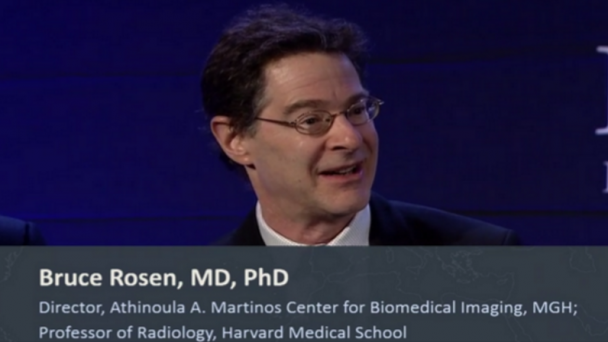
Bruce Robert Rosen, MD, PhD – Mass General


Professor in Radiology, Harvard Medical School and Director, Athinoula A. Martinos Center for Biomedical Imaging Member of Multi-Council Working Group (NIBIB council)

Dr. Rosens’s research for the past thirty years has focused on the development and application of physiological and functional nuclear magnetic resonance techniques, as well as new approaches to combine functional MRI data with information from other modalities such as positron emission tomography (PET), magnetoencephalography (MEG) and noninvasive optical imaging.

Web Information

 Martinos Center for Biomedical Imaging Webpage:  martinos.org/user/5052

Dana Farber/Harvard Cancer Center Webpage: dfhcc.harvard.edu/insider/member-detail/member/bruce-r-rosen-md-phd/

Contact Information

Email: bruce@nmr.mgh.harvard.edu

Phone: 617-726-5122

Address: 149 Thirteenth Street, Rm 2301 Charlestown, MA 02129

Research Abstract

Angiogenesis is a critical process for solid tumors to grow leading to the formation of a high density hyperpermeable network of microvessels with abnormal geometry. The chaotic proliferation of tumor vessels causes regional changes in blood volume and tissue perfusion that can be mapped with magnetic resonance (MR) imaging and other techniques. My research for the past thirty years has focused on the development and application of physiological and functional nuclear magnetic resonance techniques, as well as new approaches to combine functional MRI data with information from other modalities such as positron emission tomography (PET), magnetoencephalography (MEG) and noninvasive optical imaging. In addition to developmental work to advance these techniques, my research ...

OnAir Post: Bruce Robert Rosen, MD, PhD – Mass General

Why study the retina? Josh Sanes Explains

https://www.youtube.com/watch?v=_2SHxpRrW8gVideo can’t be loaded because JavaScript is disabled: Why study the retina? Harvard’s Josh Sanes Explains (https://www.youtube.com/watch?v=_2SHxpRrW8g)

Harvard University Professor and Director of Harvard’s Center for Brain Sciences, Josh Sanes, shares why he thinks understanding synaptic connection networks matter and how mapping the retinal connectome will fundamentally change how we think about the human brain.

Animated video published on Dec. 8, 2012 by Sebastian Seung

Joshua R Sanes Profile

Professor of Molecular and Cellular Biology, Harvard University Director, Sanes Lab and Center for Brain Science

Key questions that Joshua Sanes is exploring is how are complex neural circuits assembled in young animals and how do they process information in adults? To understand how these circuits form, we mark retinal cell types transgenically, map their connections, seek recognition molecules that mediate their connectivity, use genetic methods to manipulate these molecules, and assess the structural and functional consequences of removing or swapping them.


OnAir Post: Why study the retina? Josh Sanes Explains

Fundamentals of Neuroscience- Harvard edX

Fascinating animations, videos, interactive materials, virtual labs. and other educational resources. Developed using open source platform Open EdX that many other universities and companies in addition to Harvard are using.

Fundamentals of Neuroscience, Part I  and Fundamentals of Neuroscience Part 2: Neurons and Networks are archived and can be accessed at anytime once sign up to course.
 

Harvard edX, MCB80X Overview

website

The course’s creator, Professor Cox, is an Assistant Professor of Molecular and Cellular Biology and of Computer Science at Harvard University and is a member of the Center for Brain Science at Harvard.

Some reviews of this course: Fantastic animations for Harvard’s online neuroscience course from It’s Nice That and Harvard’s Online Neuroscience Course Educates with Enticing Animation from psfk.com.
Here’s an article in Inside HigherEd oo  EdX, Google, and Stanford’s involvement in Open EdX.

Video Snippet from course

Fundamentals of Neuroscience Presents: The Synapse from MCB80x Neuroscience on Vimeo.
Some Images from Course

OnAir Post: Fundamentals of Neuroscience- Harvard edX

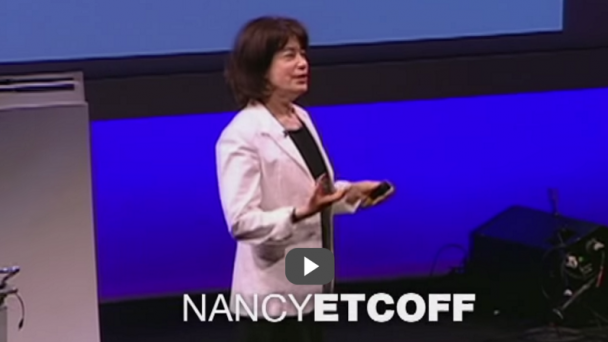
Happiness and its surprises

https://www.youtube.com/watch?v=6W2dsnhC18QVideo can’t be loaded because JavaScript is disabled: Nancy Etcoff: Happiness and its surprises (https://www.youtube.com/watch?v=6W2dsnhC18Q)

“Cognitive researcher Nancy Etcoff looks at happiness — the ways we try to achieve and increase it, the way it’s untethered to our real circumstances, and its surprising effect on our bodies.”

Filmed February 2004 at TED 2004 Uploaded to YouTube on June 15, 2009 by TED 

TED Talks webpage

OnAir Post: Happiness and its surprises

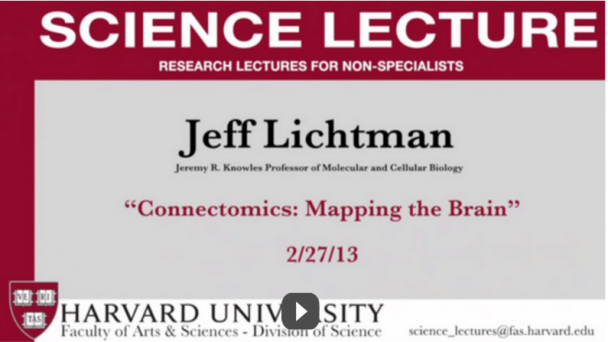
Connectomics- Jeff Lichtman

https://www.youtube.com/watch?v=82tQ4ID-xNgVideo can’t be loaded because JavaScript is disabled: Jeff Lichtman: Connectomics: Mapping the Brain | Harvard Department of Physics (https://www.youtube.com/watch?v=82tQ4ID-xNg)

Despite intense interest in the ways brains work, we still have quite a rudimentary understanding of this organ, especially compared to our knowledge of the other organ systems in the body.

One central problem is that brain function is based on a much more complicated cellular organization than found in any other part of the body.

Published July 13, 2013 by Harvard University

Synopsis

Despite intense interest in the ways brains work, we still have quite a rudimentary understanding of this organ, especially compared to our knowledge of the other organ systems in the body. One central problem is that brain function is based on a much more complicated cellular organization than found in any other part of the body. The brain contains billions of nerve cells and these are interconnected by trillions of synapses in a vast wiring diagram. This wiring diagram has ...

OnAir Post: Connectomics- Jeff Lichtman

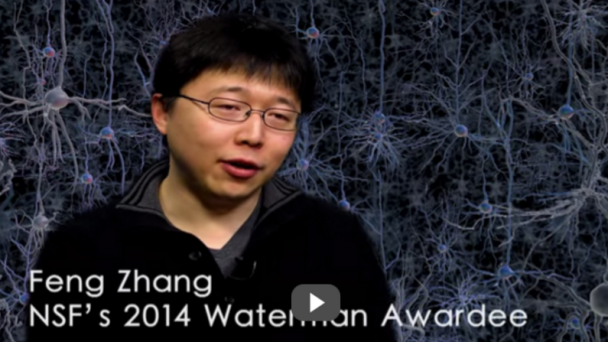
Zhang uses optogenetics to understand the brain

https://www.youtube.com/watch?v=a9wGACshiV4Video can’t be loaded because JavaScript is disabled: 2014 Waterman Awardee Feng Zhang uses optogenetics to understand the brain (https://www.youtube.com/watch?v=a9wGACshiV4)

Feng Zhang, an investigator at the McGovern Institute for Brain Research at MIT and a core member of the Broad Institute of MIT and Harvard, discusses the work of his research team on the brain and its relationship to the President’s Brain Initiative. He spoke with NSF’s Lisa-Joy Zgorski during his visit to NSF in May of 2014 to receive NSF’s most prestigious award for young investigators, the Alan T. Waterman Award, with which he was awarded $1 million to further his research.

NSF BRAIN Initiative Published May 2, 2014

OnAir Post: Zhang uses optogenetics to understand the brain

Pediatric Epilepsy Research Lab- Mass General

The lab's research goal is the development of new approaches to the treatment of epilepsy based on a clearer understanding of the necessary steps in seizure initiation and propagation. The two major themes in the lab are neuronal ion transport and the spread of activity in neural networks combining fluorescent imaging of network activity with computerized analysis and modeling to understand how normal and abnormal signaling progresses through neural networks.

OnAir Post: Pediatric Epilepsy Research Lab- Mass General

Kevin J. Staley, MD – Harvard Med


Professor of Child Neurology and Mental Retardation, Harvard Medical School Unit Chief, Pediatric Neurology, Massachusetts General Hospital Director, Pediatric Epilepsy Research Lab

Staley focuses on neuronal ion transport and the spread of activity in neural networks. Research interests include epilepsy, synaptic physiology, and neural network activity. Research techniques used: single cell electrophysiology, in vivo radiotelemetry, ion-sensitive fluorescent imaging of ion transport and neural network activity, computer modeling.


Web Information

Webpage: massgeneral.org/neurology/researcher_profiles/staley_kevin Neuroscience@Harvard BRAIN Initiative grant

Contact Information

Email: staley.kevin@mgh.harvard.edu Clinic Phone: 617-724-6400 Address: Kevin J. Staley, MD Massachusetts General Hospital 114 16th Street Charlestown, MA 02129

Biography

Joseph P. and Rose F. Kennedy Professor of Neurology, Harvard Medical School

Unit Chief, Pediatric Neurology, Mass General Hospital Department of Neurology

Kevin Staley received his MD degree from the University of California, San Diego. He completed his postdoctoral research training at Stanford University School of Medicine. Dr Staley studies neuronal ion transport in neonatal seizures and neural network dysfunction in epilepsy. He has served as Chair of the Investigator’s Workshop Committee and the Research and Training Committee of the American Epilepsy Society, as Chair of the Research Council of the Epilepsy Foundation of America, as co-chair of the inaugural Gordon Conference on Mechanisms of Epilepsy and Neuronal Synchronization, and as an Associate Editor for the Journal of ...

OnAir Post: Kevin J. Staley, MD – Harvard Med

Sanes Lab – Harvard

Principal Investigator: Joshua R  Sanes Neuroscience@Harvard

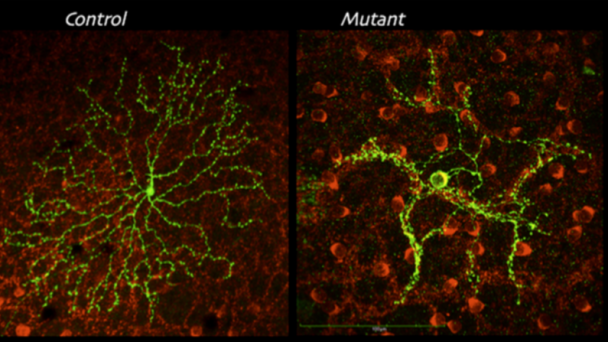
The Sanes Lab wants to learn how neural circuits are assembled in young animals and how they process information in adults. A particular focus is identification and analysis of synaptic recognition molecules responsible for the amazing specificity of connections that underlies complex neural processing. We use a combination of genetic, molecular, histological and electrophysiological approaches to address these issues.  Our main model system is the mouse retina.

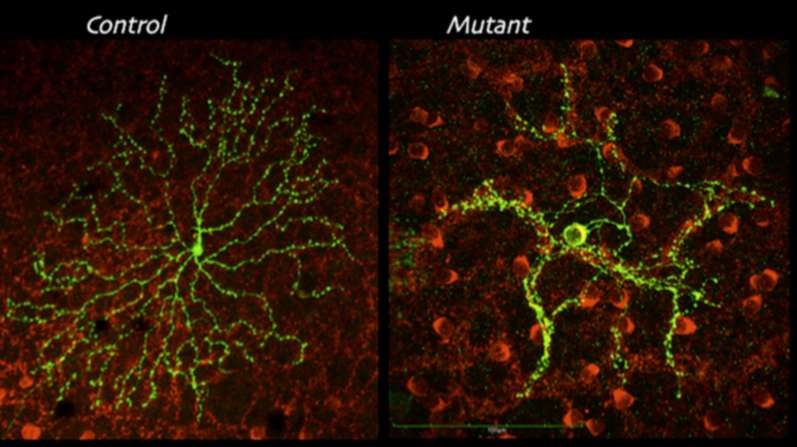
Wild Type and Protocadherin-Mutant Starburst Amacrine Cells. Sanes Lab

Web Information

Website:  saneslab.mcb.harvard.edu Brain Initiative Grant

Contact Information

Email: kpike@fas.harvard.edu Phone: 617-496-8787 Address: NW 335.30 Northwest Building 52 Oxford St Cambridge, MA  02138

Research

Key questions in neuroscience are: how are complex neural circuits assembled in young animals and how do they process information in adults? The retina may be the first part of the mammalian brain for which satisfactory answers to these questions will be obtained. The retina is about as complex as any other part of the brain, but it has several features that facilitate analysis: it is accessible, compact, and structurally regular, and we already know a lot about what it does. Visual information is passed from retinal photoreceptors to interneurons to retinal ganglion cells (RGCs) and then on to the rest of the ...

OnAir Post: Sanes Lab – Harvard

Engert Lab – Harvard

Director: Florian Engert Program in Neuroscience @Harvard 

The general goal of the laboratory is the comprehensive identification and examination of neural circuits controlling behavior using the larval zebrafish as a model system. To that end, we have established and quantified a series of visually induced behaviors and analyzed the individual resulting motor components.  An extended goal is the study of how changes or variations in the behavior are reflected in changes in the underlying neuronal activity.

Web Information

Website:  labs.mcb.harvard.edu/engert/ Brain Initiative Grant

Contact Information

Emaillorian@mcb.harvard.edu Phone: 617-495-4382 Address: Harvard University BioLabs 16 Divinity Avenue Cambridge, MA 2138

Research

Introduction

The general goal of the laboratory is the comprehensive identification and examination of neural circuits controlling behavior using the larval zebrafish as a model system. To that end, we have established and quantified a series of visually induced behaviors and analyzed the individual resulting motor components. Using these assays in combination with various calcium indicators and two-photon microscopy we have monitored neuronal activity throughout the fish brain in an awake and intact preparation. An extended goal is the study of how changes or variations in the behavior are reflected in changes in the underlying neuronal activity. To that end, we have developed several quantitative learning assays and tools ...

OnAir Post: Engert Lab – Harvard

Florian Engert, PhD – Harvard


Professor of Molecular and Cellular Biology, Harvard University Director, Engert Lab

The general goal of my research is the development of the larval zebrafish as a model system for the comprehensive identification and examination of neural circuits controlling visually induced behaviors. My lab plans to establish and quantify a series of visually induced behaviours and analyze the individual resulting motor components. Using these assays we will monitor neuronal activity throughout the fish brain in an awake and intact preparation.


Web Information

Webpage: mcb.harvard.edu/mcb/faculty/profile/florian-engert/ Program in Neuroscience @Harvard  Brain Initiative Grant

Contact Information

Emaillorian@mcb.harvard.edu Phone: 617-495-4382 Address: Harvard University BioLabs 16 Divinity Avenue Cambridge, MA 2138


Research

Neuroscientists have long been working to understand how biological structures can produce the complex behaviors that are generated by the nervous system. However, even the basic operational principles governing a brain’s interconnected network of cells have remained painfully elusive. My laboratory is working on a scientific strategy focused on building a complete, multi-level picture of simple neural circuits that will advance our basic understanding of brain function and offers a complete view into the neuronal activity underlying a series of relatively complex behaviors. We are taking a first step towards this rather lofty goal via the comprehensive identification and examination of neural circuits controlling behavior in the ...

OnAir Post: Florian Engert, PhD – Harvard

Neural circuits in zebrafish

Principal Investigator: Florian Engert Program in Neuroscience @Harvard Title: “Neural circuits in zebrafish: form, function and plasticity” BRAIN Category: Understanding Neural Circuits (RFA NS-14-009)

Dr. Engert’s team will combine a wide array of cutting-edge neuroscience techniques to watch the entire brain activity of a see-through fish while it swims, and to make detailed maps of its brain circuitry.

NIH Webpages

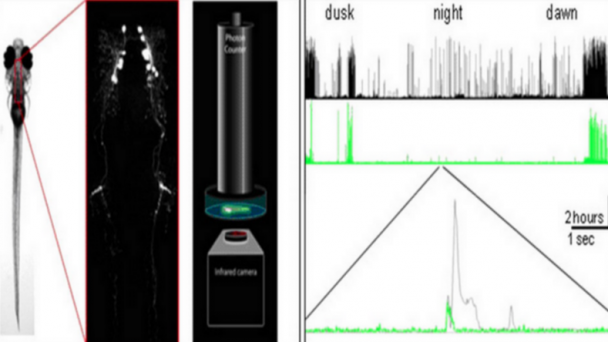
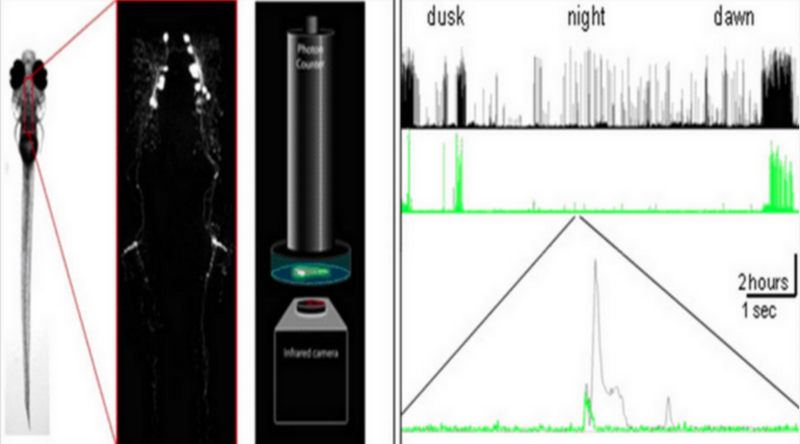
n order to examine response properties of specific neuronal subpopulation in freely swimming larvae we have developed an imaging technique based on the bioluminescence of Aquorin-GFP that does not require excitation light and can therefore operate on a zero background signal 17. This optical signal can be collected with large angle optics and detected as a one-dimensional temporal signal by a photon multiplier tube. Figure 3 shows data from a first series of experiments in which Aquorin is expressed in the hypocretin system, a small nucleus consisting of less than 20 neurons that are known to regulate the sleep-wake cycle.The left side shows an in-vivo two-photon image of the transgenic fish and a diagram of the set-up. On the right side bioluminescence photon counts from the same fish are shown in green below traces describing the simultaneously monitored ...

OnAir Post: Neural circuits in zebrafish

Mapping neuronal chloride microdomains

Principal Investigator: Kevin J. Staley Neuroscience@Harvard, Massachusetts General Hospital Title: “Mapping neuronal chloride microdomains” BRAIN Category: Tools for Cells and Circuits (RFA MH-14-216)

Using protein engineering technology to monitor the movement of chloride through inhibitory neurotransmitter receptor channels, Dr. Staley’s group aims to understand the role of chloride microdomains in memory.

NIH Webpages

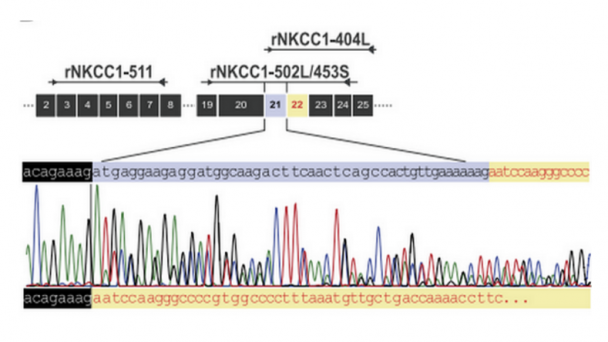
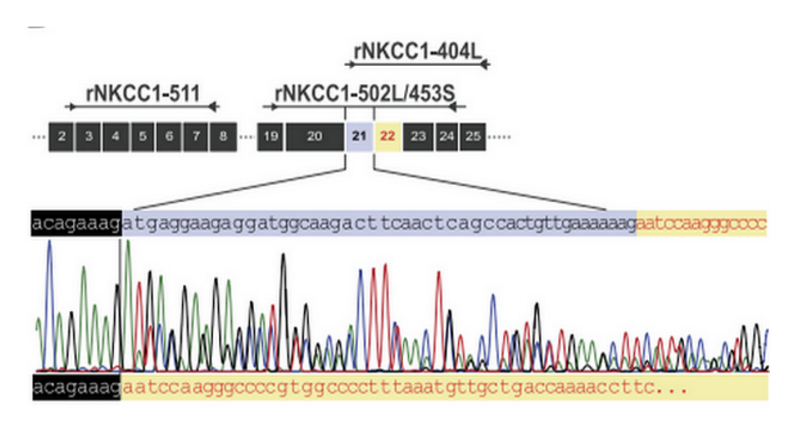
Expression of NKCC1 transcripts in rat and mouse dorsal root ganglion (DRG) by RT-PCR and in situ hybridization (ISH).

Project Description

Dramatic new insights into the functioning of neural networks have been made possible by our ability to visualize neural function with calcium-sensitive fluorophores, and biology has been revolutionized by the ability to sequence and manipulate DNA, RNA, and proteins. Both of these tremendous advances have unexplored “flip sides”. Our understanding of neural network function remains limited by our inability see GABA-mediated synaptic activity: we can’t measure the output of the remarkable diversity of interneuron structure and function. Similarly, the methods for studying templated biopolymers such as DNA, RNA, and protein are not applicable to untemplated biopolymers such as polyglutamylated intracellular tubulin, and the variably sulfated glycosaminoglycans (GAGs) that comprise the extracellular matrix. The glutamate and sulfate moieties displace chloride, thereby defining chloride microdomains. These microdomains thus provide a ...

OnAir Post: Mapping neuronal chloride microdomains

Neuronal Subtypes By Cell Transcriptomics

Principal Investigator: Joshua R  Sanes Neuroscience@Harvard Title: “Comprehensive Classification Of Neuronal Subtypes By Single Cell Transcriptomics” BRAIN Category: Census of Cell Types (RFA MH-14-215)

Dr. Sanes and colleagues will use new methods of genetic screening to comprehensively catalog and distinguish different kinds of cells across species and brain regions.

NIH Webpages

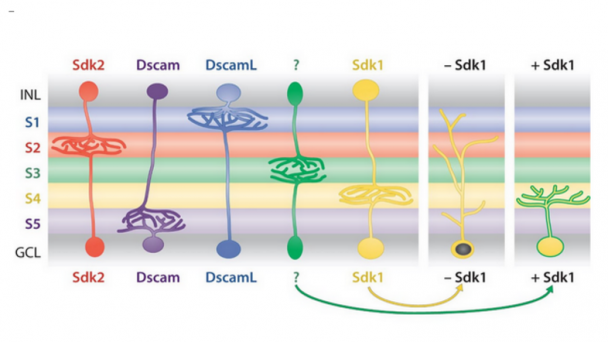
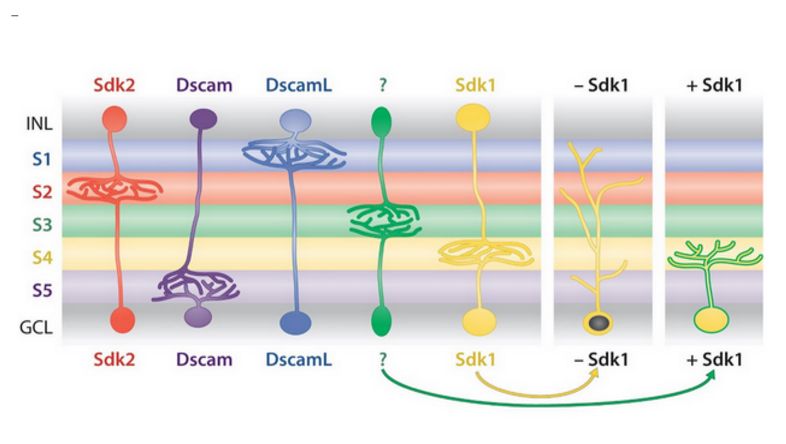
Immunoglobulin Superfamily Code for Laminar Specificity in Retina

Project Description

To understand the brain, we need a “parts list” of its cell types. The list will need to integrate molecular, functional and morphological data, but of these, molecular classification is best suited for comprehensive categorization and the only approach that can lead directly to genetically accessing the types; such access is essential in order to mark and manipulate neurons and to allow rigorous comparison of neurons from normal and diseased brains. We will apply the emerging method of single-cell transcriptional profiling (scRNA-seq) to this task. We will first rigorously compare and optimize cutting- edge methods for cell isolation, transcriptional profiling, and computational analysis to establish an efficientand effective pipeline for categorization. Then, we will apply our suite of methods to two brain regions – mouse retina and zebrafish habenula – that differ in several ways but share key features: ...

OnAir Post: Neuronal Subtypes By Cell Transcriptomics

Lawrence Wald, Phd – Harvard Med


Associate Professor in Radiology, Harvard Medical School Associate Biophysicist, Massachusetts General Hospital Director, MGH NMR Core, Martinos Center

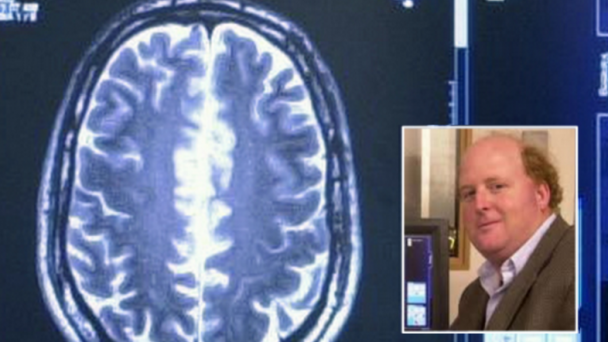
Technique development for high field imaging of the Brain. Development of 7 Tesla scanner and coils for imaging human brain function, highly parallel phased array coil development for 3T and 7T, Parallel transmit methods for B1+ mitigation in the head at 7T, and highly accelerated echo volume imaging.

Web Information

Webpage:  martinos.org/user/5615 Harvard Catalyst Profile: https://connects.catalyst.harvard.edu/Profiles/display/Person/42452 Neuroscience@Harvard  Brain Initiative Grant

Contact Information

Email: wald@nmr.mgh.harvard.edu Phone: 617-724-9706 Address: Building 75, Room 2.109 13th Street Charlestown, MA 02129 USA


Biography

PhD Physics, U.C. Berkeley, 1992

Research

Technique development for high field imaging of the Brain. Development of 7 Tesla scanner and coils for imaging human brain function, highly parallel phased array coil development for 3T and 7T, Parallel transmit methods for B1+ mitigation in the head at 7T, and highly accelerated echo volume imaging.

OnAir Post: Lawrence Wald, Phd – Harvard Med

Advanced MRI Technologies (AMRIT)

AMRIT is a research and development company in the field of medical and scientific imaging. The main objective is to find new uses for MRI and to provide the technical knowledge needed to conduct medical and neuroscience studies with the advanced MRI methods. The specific focus of AMRIT is in brain, heart and cancer studies with magnetic resonance imaging.

OnAir Post: Advanced MRI Technologies (AMRIT)

Center for Biomedical Imaging

Principal Investigator: Lawrence Wald Neuroscience@Harvard

The Martinos Center for Biomedical Imaging dual mission includes translational research using state-of-the-art imaging technologies and ongoing development of those technologies. The core technologies being developed and used at the Center include magnetic resonance imaging (MRI), positron emission tomography (PET) and more (see the navigation menu on the left for a complete list of the technologies). A key area of innovation is Multimodal Functional Neuroimaging, which involves the integration of two or more different imaging technologies.

Multimodal Functional Neuroimaging, which involves the integration of two or more different imaging technologies.

Web Information

Website:  www.martinos.org/ Brain Initiative Grant

Contact Information

Email: info@martinos.org Phone: 617-726-3197 Address: Athinoula A. Martinos Center for Biomedical Imaging 149 Thirteenth Street, Suite 2301 Charlestown, Massachusetts 02129

About

The Athinoula A. Martinos Center for Biomedical Imaging at Massachusetts General Hospital is one of the world’s premier research centers devoted to development and application of advanced biomedical imaging technologies. Our mission is to advance imaging in healthcare through technology development, translational research and education.

Located on the MGH Research Campus in Charlestown, the Center is home to roughly 100 faculty researchers and more than 200 affiliated and visiting faculty, postdoctoral research fellows and graduate students, who use advanced imaging technologies both separately ...

OnAir Post: Center for Biomedical Imaging

Skip to toolbar