MIT Neuroscience

MIT has numerous academic and research programs related to neuroscience. Key institutions include the Department of Brain, and Cognitive Sciences, Department of Biological Engineering, and the MIT Media Lab.

Important neuroscience related centers include: Center for Neurobiological Engineering (CNBE); McGovern Institute Neurotechnology (MINT) program; Simons Center for the Social Brain (SCSB); Synthetic Biology Center;Picower Center for Learning and Memory; and the Martinos Imaging Center at MIT.

Grant Information

Brain Initiative Grant – “Advancing MRI & MRS Technologies for Studying Human Brain Function and Energetics” Brain Initiative Grant – “Novel technologies for nontoxic transsynaptic tracing”“Novel technologies for nontoxic transsynaptic tracing” Brain Initiative Grant – “Ultra-Multiplexed Nanoscale In Situ Proteomics for Understanding Synapse Types” Brain Initiative Grant – “Calcium sensors for molecular fMRI” Brain Initiative Grant – “Next generation high-throughput random access imaging, in vivo” Brain Initiative Grant – “Cortical circuits and information flow during memory-guided perceptual decisions”

Department of Brain and Cognitive Sciences

Undergraduate program

Graduate program

Postdoctoral Program

Open Courseware

People

48 faculty members,over 200 graduate & undergraduate students, 180 researchers and post-docs and 36 staff

Department Head: James Dicarlo, PhD

Department of Biological Engineering

Academic Programs

Faculty

MIT Media Lab

Research

People

Research Centers 

Center for Neurobiological Engineering (CNBE)

OnAir Post: MIT Neuroscience

Aude Oliva, PhD – MIT

Associate Professor of Cognitive Science, Department of Brain and Cognitive Sciences Principal Investigator, Computation Perception & Cognition Lab

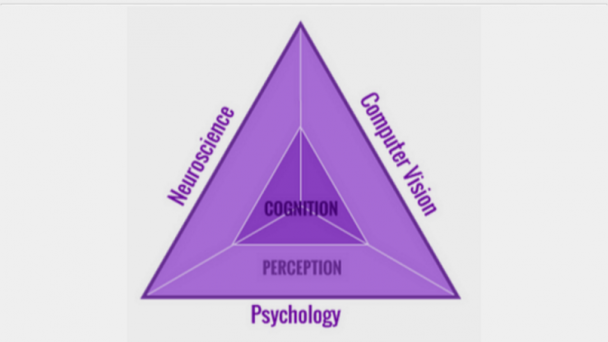
Dr. Oliva’s research program is in the field of Computational Visual Cognition, a framework that strives to identify the substrates of complex visual recognition tasks and to develop models inspired by human perception and cognition. The natural visual environment is composed of three-dimensional objects, with textures, colors, and materials, embedded in an explicit spatial layout.

Web Information

MIT webpagehttp://bcs.mit.edu/people/oliva.html

Lab websitehttp://cvcl.mit.edu/aude.htm

MIT Neurosciencehttp://brain2015.onair.cc/mit-neuroscience/

Contact Information

Email: oliva@mit.edu

AddressDepartment of Brain and Cognitive Sciences Building: 46-4065

Research

My research program is in the field of Computational Visual Cognition, a framework that strives to identify the substrates of complex visual recognition tasks and to develop models inspired by human perception and cognition. The natural visual environment is composed of three-dimensional objects, with textures, colors, and materials, embedded in an explicit spatial layout. Yet, the human brain understands scenes, places and events quickly and effortlessly, outperforming the most advanced artificial vision system. In the lab, we use multi-disciplinary techniques from behavioral sciences, cognitive neuroscience and computational vision, to identify key principles of human object, scene and space understanding and evaluate the capacity and fidelity of human memory systems for guiding ...

OnAir Post: Aude Oliva, PhD – MIT
Neural representation of visual memory

We propose to combine three technologies to predict what makes an image memorable or forgettable: neuro-imaging technologies recording where encoding happens in the human brain (spatial scale), when it happens (temporal scale), and what types of computation are performed at the different stages of storage (computational scale.

OnAir Post: Neural representation of visual memory

Time, Space, and Computation – Aude Oliva

Time, Space and Computation: Converging Human Neuroscience and Computer Science

Video from BRAIN Workshop – “Research Interfaces between Brain Science and Computer Science”

December 3-5, 2014 Washington, DC

Published on Jan. 5, 2015 by computingresearch

For more information on Aude Oliva, go this BRAIN 2015 post

https://www.youtube.com/watch?v=KtUs9VLUwN8Video can’t be loaded because JavaScript is disabled: Time, Space and Computation: Converging Human Neuroscience and Computer Science (https://www.youtube.com/watch?v=KtUs9VLUwN8)

OnAir Post: Time, Space, and Computation – Aude Oliva

Vascular Interfaces for Brain Imaging

PI: Robert Desimone Massachusetts Institute of Technology Title: “Vascular Interfaces for Brain Imaging and Stimulation” BRAIN category: Next Generation Human Imaging (RFA MH-14-217)

Dr. Desimone’s project will access the brain through its network of blood vessels to less invasively image, stimulate and monitor electrical and molecular activity than existing methods.

NIH Webpages

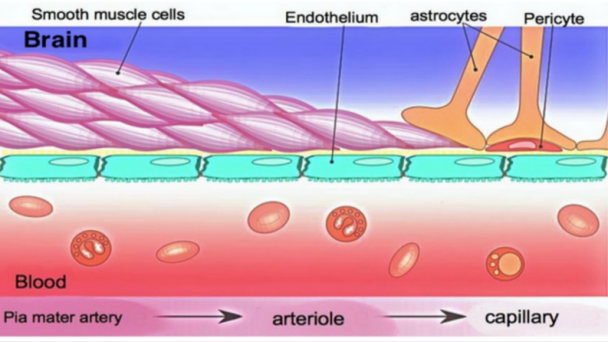
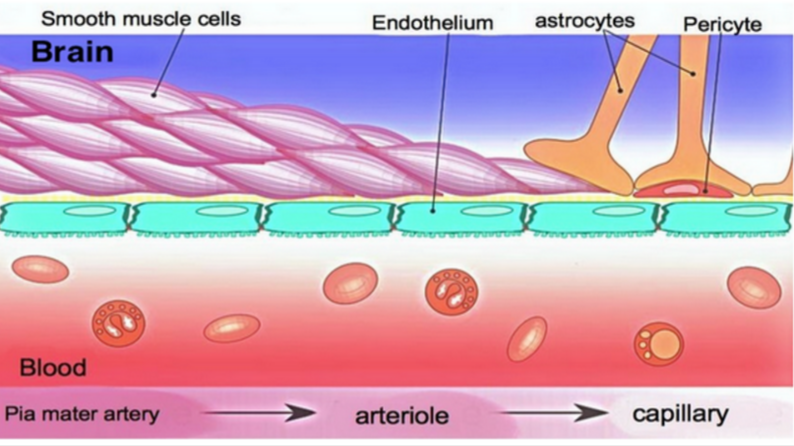
Sketch showing constitution of blood vessels inside the brain. Credit: Armin Kübelbeck

Project Description

Functional MRI (fMRI), EEG, and other completely noninvasive modalities for large-scale imaging of human brain activity have pioneeringly revealed many human brain functions, but cannot reach the single-neuron, single-spike level of neural code analysis possible in animals obtained using electrodes. This is partly due to the indirect methods of observation employed (e.g., blood flow for fMRI) and due to blurring of signals over distance by the skull (e.g., for EEG). In contrast, invasive approaches such as trans-cranially implanted multi- electrode arrays can achieve single-cell, single-spike resolution, but they necessitate opening of the skull – and, for implanted arrays, damage of the brain tissue – limiting utility to a small fraction of the population, those undergoing neurosurgery for some intractable brain disorder that justifies the risk. Trans-cranially implanted arrays also degrade i performance over time ...

OnAir Post: Vascular Interfaces for Brain Imaging

Multiplexed Nanoscale In Situ Proteomics

Edwards S. Boyden Massachusetts Institute of Technology Title: “Ultra-Multiplexed Nanoscale In Situ Proteomics for Understanding Synapse Types” BRAIN category: Tools for Cells and Circuits (RFA MH-14-216)

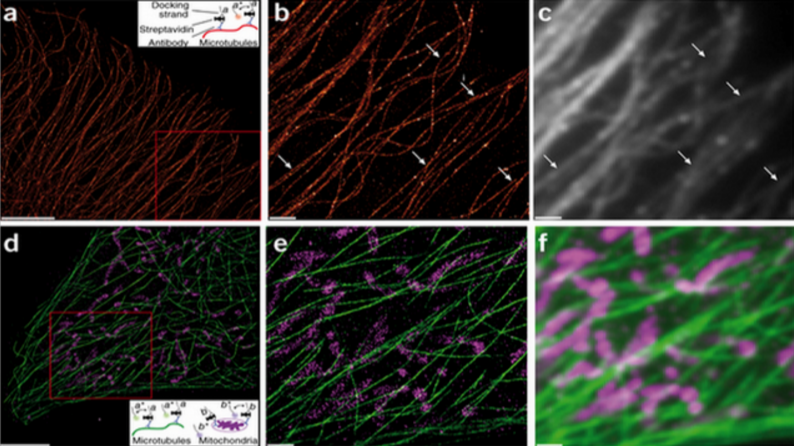
Dr. Boyden’s team will simultaneously image both the identities and locations of multiple proteins within individual synapses – made possible by a new technique called DNA-PAINT.

NIH Webpages

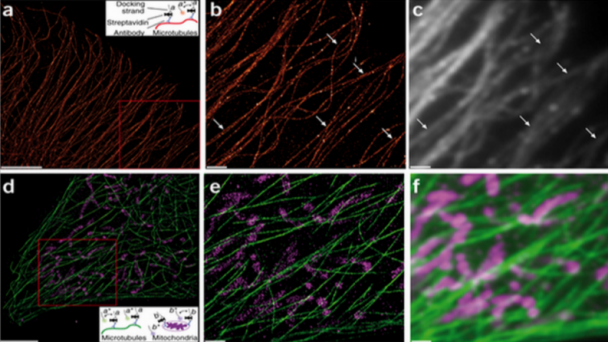
DNA-PAINT super-resolution image of microtubules inside a fixed HeLa cell using Atto 655–labeled imager strands (10,000 frames, 10-Hz frame rate). Inset, labeling and imaging schematic for DNA-PAINT in a cellular environment. From Neuron doi:10.1038/nmeth.2835

Project Description

Significant work is ongoing to reveal how different cell types in the brain contribute to behavior and pathology, and how they change in plasticity and disease, empowered by new genetic, optical, and physiological tools. However, the functional activity and dysregulation of neuronal circuits relies critically on the in situ molecular composition of neuronal synapses. Although it is clear that the properties of a given synapse are determined by, amongst other things, the specific types of cells that are thus connected, far less is known about the diversity of synapse types in the brain than cell types, perhaps because this is an intrinsically proteomic problem: a given neuron might make many ...

OnAir Post: Multiplexed Nanoscale In Situ Proteomics

Nontoxic transsynaptic tracing

Principal Investigator: Ian Wickersham MIT Neuroscience Title: “Novel technologies for nontoxic transsynaptic tracing” BRAIN Category: Tools for Cells and Circuits (RFA MH-14-216)

Dr. Wickersham and colleagues will develop nontoxic viral tracers to assist in the study of neural circuitry underlying complex behaviors.

NIH Webpages

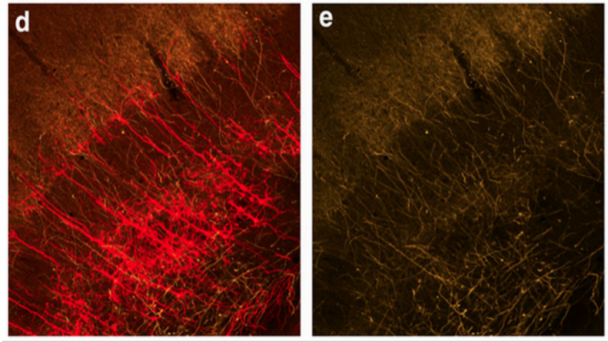
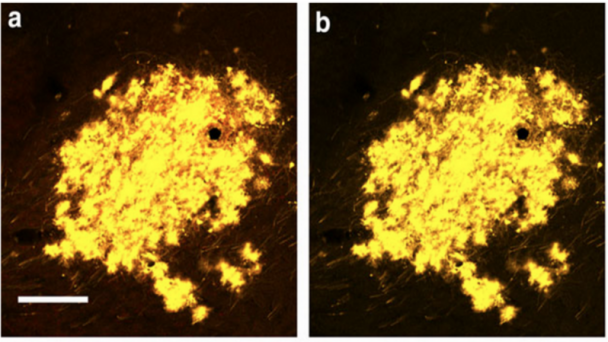
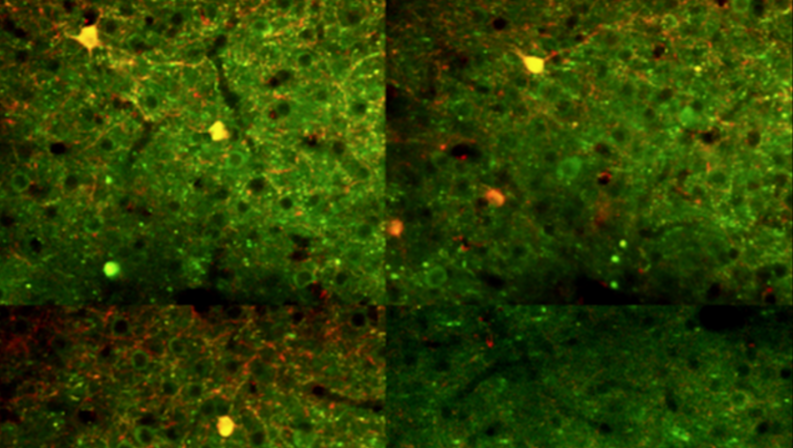
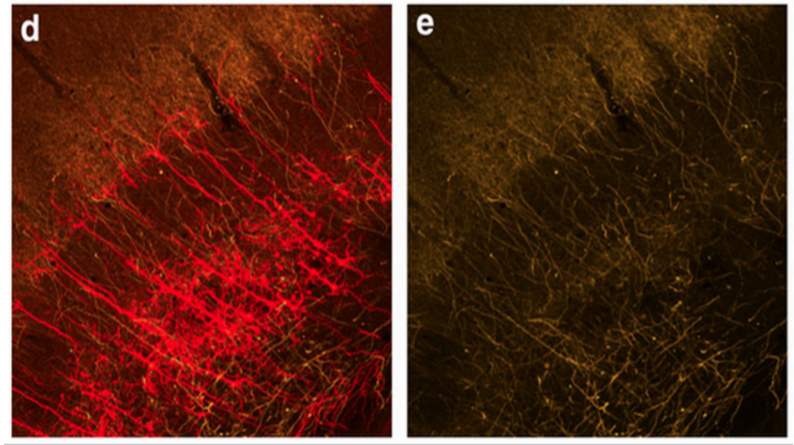
(a–c) Injection site in mouse somatosensory thalamus of an equal mixture of two deletion-mutant rabies viral vectors: VSVG-enveloped vector encoding mOrange2 (yellow), and an RVG-enveloped vector encoding mCherry (red). The VSVG-enveloped vector prolifically infects thalamic neurons at the injection site, whereas the RVG-enveloped one infects far fewer cells locally. (d–f) In the somatosensory cortex of the same mouse, mOrange2-filled thalamocortical axons ascend to layer 4 and densely ramify among the apical dendrites of mCherry-filled layer 6 corticothalamic cells retrogradely infected by the co-injected retrograde virus. Scale bar, 200 μm, applies to all panels.

Project Description

Genetic tools have dramatically increased the power and resolution of neuroscientific experiments, allowing monitoring and perturbation of specific neuronal populations within the brain, often in the context of complex cognitive and behavioral paradigms. However, the usefulness of these tools is limited by the available means of delivering them in circuit-specific ways, a major drawback in view of the critical importance of specific connectivity ...

OnAir Post: Nontoxic transsynaptic tracing

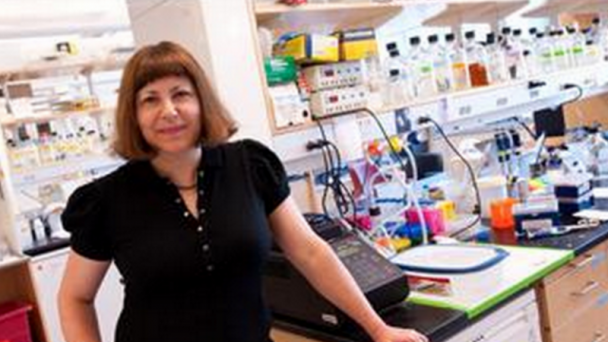
Elly Nedivi, PhD – MIT
 

Professor of Brain & Cognitive Sciences and Biology, MIT Neuroscience Principal Investigator, Nedivi Lab

The Nedivi lab, part of the Picower Institute for Learning and Memory, studies the cellular mechanisms that underlie activity-dependent plasticity in the developing and adult brain through studies of neuronal structural dynamics, identification of the participating genes, and characterization of the proteins they encode.

Web Information

Department of Brain and Cognitive Sciences page: biology.mit.edu/people/elly_nedivi

Picower Institute for Learning and Memory page:  picower.mit.edu/Faculty/

Lab page: web.mit.edu/nedivi-lab/

MIT Neuroscience: neuroscience.onair.cc/mit-neuroscience/

Contact Information

Email: nedivi@mit.edu

Phone: 617-253-2344

Address: Room 46-3239


Biography

Elly Nedivi received her Ph.D. in Neuroscience from Stanford University Medical School and completed her postdoctoral training at The Weizmann Institute in Israel. In 1998, after two years at Cold Spring Harbor Laboratory, she joined the faculty of the Department of Brain and Cognitive Sciences and the Picower Institute for Learning and Memory at MIT. She also has an appointment in the Department of Biology at MIT.

Selected Awards

Julie Martin Mid-Career Award in Aging Research

Edgerly Innovation Fund Award

Dean’s Education and Student Advising Award

Sloan Research Fellow

NSF POWRE Award

Ellison New Scholar Award


Research

Candidate Plasticity Genes

To understand the cellular mechanisms that underlie activity-dependent plasticity in the developing and adult brain, we are identifying and characterizing the participating genes and the function of ...

OnAir Post: Elly Nedivi, PhD – MIT
Calcium sensors for molecular fMRI

PI: Alan Jasanoff Massachusetts Institute of Technology Title: “Calcium sensors for molecular fMRI” BRAIN category: Large-Scale Recording-Modulation – New Technologies (RFA NS-14-007)

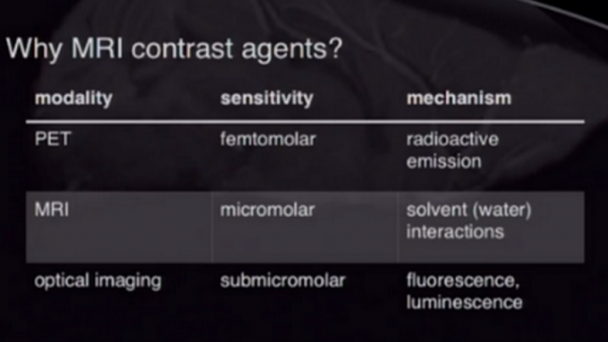
Dr. Jasanoff’s team will synthesize calcium-sensing contrast agents that will allow functional magnetic resonance imaging (fMRI) scans to reveal activity of individual brain cells.

NIH Webpages

Project Description

The development of minimally invasive direct readouts of neural activity is one of the greatest challenges facing neuroscience today. Our recent work has shown that it is possible to perform high resolution functional magnetic resonance imaging (fMRI) of molecular-level phenomena using MRI contrast agents sensitive to hallmarks of neurotransmitter release. An even more valuable contribution would be the creation of calcium sensors suitable for molecular fMRI of intracellular neural signaling processes. Functional imaging performed with these sensors would combine the noninvasiveness and whole-brain coverage of MRI with the molecular specificity and broad applicability of established optical calcium neuroimaging techniques. Calcium-dependent fMRI will be a breakthrough technique for analysis of neural circuits in animals, with potential longer term applications in humans. The technique could achieve cellular resolution in conjunction with ultrahigh field MRI scanners and cell labeling techniques. A major hurdle in realizing this advance is the creation of effective calcium-dependent MRI contrast agents, however. This proposal describes ...

OnAir Post: Calcium sensors for molecular fMRI

Next generation imaging in vivo

Principal Investigator: Elly  Nedivi Massachusetts Institute of Technology Title: “Next generation high-throughput random access imaging, in vivo” BRAIN category: Large-Scale Recording-Modulation – Optimization (RFA NS-14-008)

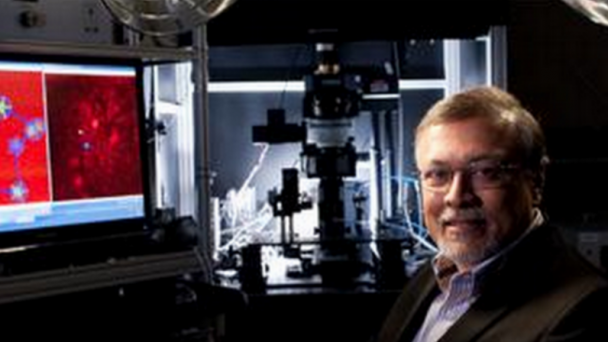
Dr. Nedivi’s team proposes a new imaging technology to simultaneously record activity at each of the thousands of synapses, or communication points, on a single neuron.

NIH Webpages

https://www.youtube.com/watch?v=lHLSFhp5HawVideo can’t be loaded because JavaScript is disabled: Neurotech 1: Multi-Photon Microscopy (https://www.youtube.com/watch?v=lHLSFhp5Haw)

Project Description

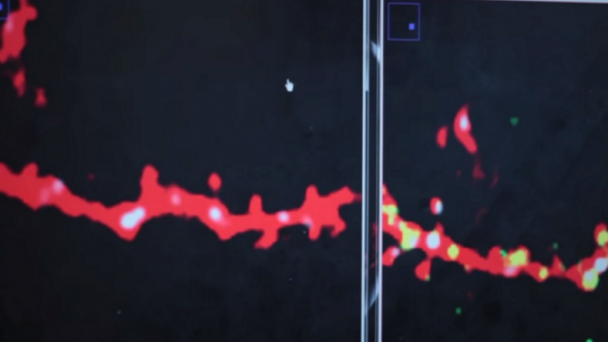
The goal of this proposal is to develop new methods for high speed monitoring of sensory-driven synaptic activity across all inputs to single living neurons in the context of the intact cerebral cortex. Although our focus is on understanding how synaptic inputs are integrated across a single neuron embedded in an intact circuit, the next generation random access imaging technology we propose is more broadly applicable for monitoring multi-cellular activity representing large intra-and inter areal neuronal networks. The approach improves on the speed and sensitivity of current random-access technology by nearly 2 orders of magnitude, enabling high- throughput interrogation of up to 104 independent locations within a fraction of a millisecond and compatible with imaging using next generation voltage sensitive indicators. ...

OnAir Post: Next generation imaging in vivo

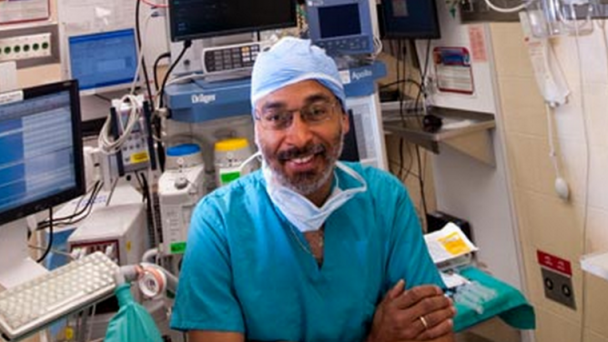
Emery Brown, MD, PhD – MIT

Professor of Computational Neuroscience and Health Sciences and Technology, Department of Brain and Cognitive Sciences, MIT-Harvard Division of Health Sciences and Technology At large member of the Multi-Council Working Group

Brown’s lab is using a systems neuroscience approach to study how the state of general anesthesia is induced and maintained. To do so, the lab is using fMRI, EEG, neurophysiological recordings, microdialysis methods and mathematical modeling.

Web Information

MIT Webpage:  bcs.mit.edu/people/brown

Lab page: Neuroscience Statistics Research Lab

Contact Information

Email: enb@neurostat.mit.edu

Address: Building: 46-6079

Research

From MIT webpage

Neural Signal Processing Algorithms

Recent technological and experimental advances in the capabilities to record signals from neural systems have led to an unprecedented increase in the types and volume of data collected in neuroscience experiments and hence, in the need for appropriate techniques to analyze them. Therefore, using combinations of likelihood, Bayesian, state-space, time-series and point process approaches, a primary focus of the research in my laboratory is the development of statistical methods and signal-processing algorithms for neuroscience data analysis.

We have used our methods to:

characterize how hippocampal neurons represent spatial information in their ensemble firing patterns. analyze formation of spatial receptive fields in the hippocampus during learning of novel environments. relate changes in hippocampal neural activity to changes in performance during procedural learning. improve signal extraction from ...

OnAir Post: Emery Brown, MD, PhD – MIT

Neurotech 1: Multi-Photon Microscopy

https://www.youtube.com/watch?v=lHLSFhp5HawVideo can’t be loaded because JavaScript is disabled: Neurotech 1: Multi-Photon Microscopy (https://www.youtube.com/watch?v=lHLSFhp5Haw)

“How do we see neurons, the brain’s principal functional units? Discover new views made possible by Multi-photon microscopy.”

Part 1 of 12 featuring MIT Professors Elly Nedivi and Peter So.

Video published on Sept. 24, 2014 by EyeWire

Profile of Elly Nedivi

Professor of Brain & Cognitive Sciences and Biology, MIT Neuroscience Principal Investigator, Nedivi Lab

The Nedivi lab, part of the Picower Institute for Learning and Memory, studies the cellular mechanisms that underlie activity-dependent plasticity in the developing and adult brain through studies of neuronal structural dynamics, identification of the participating genes, and characterization of the proteins they encode.

OnAir Post: Neurotech 1: Multi-Photon Microscopy

Alan Jasanoff: McGovern Institute Investigator


https://www.youtube.com/watch?v=zfZjOHcOHqQVideo can’t be loaded because JavaScript is disabled: Alan Jasanoff: McGovern Institute Investigator (https://www.youtube.com/watch?v=zfZjOHcOHqQ)

Functional magnetic resonance imaging (fMRI) has revolutionized our understanding of the human brain, but the method is now approaching the limit of its capabilities. Alan Jasanoff hopes to break through this limit and to develop new technologies for imaging the molecular and cellular phenomena that underlie brain function.

Video published on Mar 9, 2010 by mittechtv

Profile

Associate Professor of Biological Engineering with appointments in Brain and Cognitive Sciences and Nuclear Science and Engineering, MIT Neuroscience Associate member of the McGovern Institute Principal Investigator, Jasanoff Lab

Functional magnetic resonance imaging (fMRI) has revolutionized our understanding of the human brain, but the method is now approaching the limit of its capabilities. Alan Jasanoff hopes to break through this limit and to develop new technologies for imaging the molecular and cellular phenomena that underlie brain function.

OnAir Post: Alan Jasanoff: McGovern Institute Investigator

Molecular Probes for Noninvasive Neuroimaging

https://www.youtube.com/watch?v=YtRZJLF2MmUVideo can’t be loaded because JavaScript is disabled: Alan Jasanoff: Molecular Probes for Noninvasive Neuroimaging (https://www.youtube.com/watch?v=YtRZJLF2MmU)

“The B.R.A.I.N. Initiative faces a major technological barrier in obtaining high resolution, real-time recordings of brain activity over large areas of the brain. Leading researchers will explore available and promising approaches to surmounting that barrier, exploring current work and future possibilities for the detection and recording of the range of relevant electrical and chemical signals in the nervous system.”

Presentation by Alan Jasanoff of Jasnoff Lab research Published on June 16, 2014 by Calit2ube

Lab Profile

Principal Investigator, Alan Jasanoff MIT Neuroscience

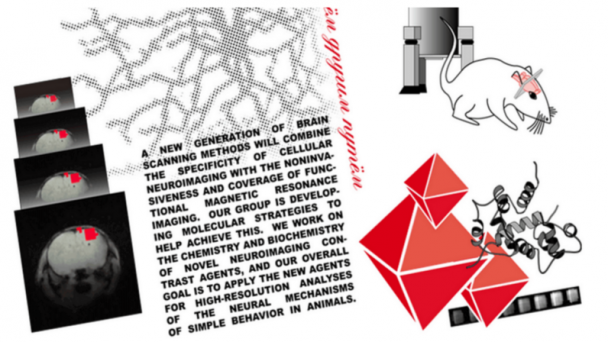
Jasanoff Lab is developing a new generation of functional magnetic resonance imaging (fMRI) methods to study the neural mechanisms of behavior.The Lab’s focus is on the design and application of new contrast agents that may help define spatiotemporal patterns of neural activity with far better precision and resolution than current techniques allow. Experiments using the new agents will combine the specificity of cellular neuroimaging with the whole brain coverage and noninvasiveness of conventional fMRI.


OnAir Post: Molecular Probes for Noninvasive Neuroimaging

McGovern Institute: Understanding the Brain in Health and Disease

Robert Desimone, Director of the McGovern Institute for Brain Research at MIT, gives a keynote address at the Institute’s 10th anniversary celebration on October 14, 2010.

McGovern Institute for Brain Research at MIT

Robert Desimone, Director of the McGovern Institute for Brain Research at MIT

Robert Desimone Profile

Doris and Don Berkey Professor of Neuroscience, Department of Brain and Cognitive SciencesMassachusetts Institute of Technology Director, McGovern Institute for Brain Research

Robert Desimone studies the brain mechanisms that allow us to focus our attention on a specific task while filtering out irrelevant distractions. Our brains are constantly bombarded with sensory information. The ability to distinguish relevant information from irrelevant distractions is a critical skill, one that is impaired in many brain disorders.

BRAIN 2015 page

Video

YouTube page

Published on Nov. 12, 2010 by MITtechTV

https://www.youtube.com/watch?v=4qzvsjFdsAc


OnAir Post: McGovern Institute: Understanding the Brain in Health and Disease

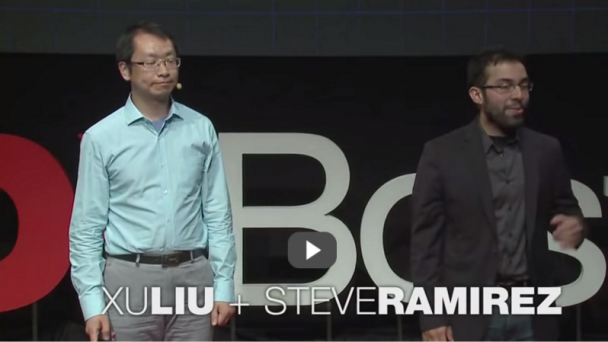
A mouse. A laser beam. A manipulated memory.

https://www.youtube.com/watch?v=EXo3qA9V3eIVideo can’t be loaded because JavaScript is disabled: Steve Ramirez and Xu Liu: A mouse. A laser beam. A manipulated memory. (https://www.youtube.com/watch?v=EXo3qA9V3eI)

“Can we edit the content of our memories? It’s a sci-fi-tinged question that Steve Ramirez and Xu Liu are asking in their lab at MIT. Essentially, the pair shoot a laser beam into the brain of a living mouse to activate and manipulate its memory. In this unexpectedly amusing talk they share not only how, but — more importantly — why they do this.”

Filmed June 2013 at TEDx Boston 2013 Uploaded to YouTube on August 15,, 2013 by TED 

OnAir Post: A mouse. A laser beam. A manipulated memory.

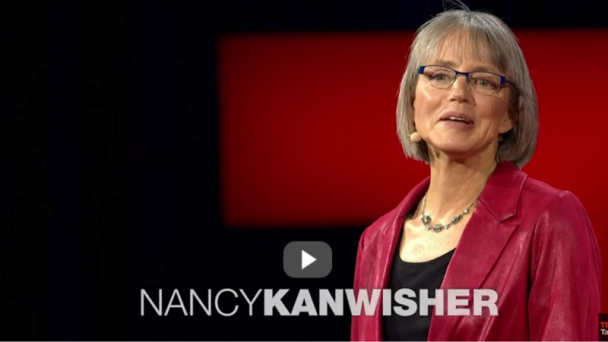
A neural portrait of the human mind

https://www.youtube.com/watch?v=5Yj3nGv0kn8Video can’t be loaded because JavaScript is disabled: Nancy Kanwisher: A neural portrait of the human mind (https://www.youtube.com/watch?v=5Yj3nGv0kn8)

“Brain imaging pioneer Nancy Kanwisher, who uses fMRI scans to see activity in brain regions (often her own), shares what she and her colleagues have learned: The brain is made up of both highly specialized components and general-purpose “machinery.” Another surprise: There’s so much left to learn.”

Filmed March 2014 at TED 2014 Uploaded to YouTube on October 2, 2014 by TED 

OnAir Post: A neural portrait of the human mind

edX course: Light, Spike, & Sight: The Neuroscience of Vision

Light, Spike, & Sight: The Neuroscience of Vision MITx: 9.01.1x Course

Vision may feel effortless: you open your eyes, and the world appears. But the process of focusing light into image on the back of the eye and translating it into meaningful nerve signals is incredibly complex. The retina and visual cortex are packed with intricate processing circuitry, and have been a mystery to neuroscientists for centuries. Now, answers are beginning to emerge.

About MITx: 9.01.1x

Website

Vision may feel effortless: you open your eyes, and the world appears. But the process of focusing light into image on the back of the eye and translating it into meaningful nerve signals is incredibly complex. The retina and visual cortex are packed with intricate processing circuitry, and have been a mystery to neuroscientists for centuries. Now, answers are beginning to emerge.Today, the visual system is often called the model system for neuroscience: its findings are relevant to all other areas and to investigating the deeper mysteries of the brain’s microstructure and function. In this course, we take you from the physics of focusing light onto the retina, to the processing of colors, form, and motion, and finally to the interpretation ...

OnAir Post: edX course: Light, Spike, & Sight: The Neuroscience of Vision

How we read each other’s minds

https://www.youtube.com/watch?v=GOCUH7TxHRIVideo can’t be loaded because JavaScript is disabled: How we read each other’s minds | Rebecca Saxe (https://www.youtube.com/watch?v=GOCUH7TxHRI)

Sensing the motives and feelings of others is a natural talent for humans. But how do we do it? Here, Rebecca Saxe shares fascinating lab work that uncovers how the brain thinks about other peoples’ thoughts — and judges their actions.

Filmed July 2009 at TED Global 2009 Uploaded to YouTube on Sep 11, 2009 by TED  

TED Talks webpage

OnAir Post: How we read each other’s minds

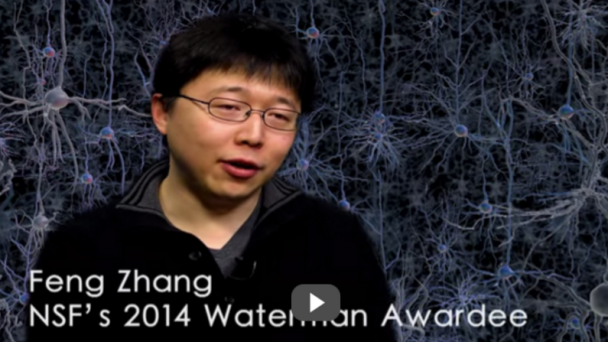
Zhang uses optogenetics to understand the brain

https://www.youtube.com/watch?v=a9wGACshiV4Video can’t be loaded because JavaScript is disabled: 2014 Waterman Awardee Feng Zhang uses optogenetics to understand the brain (https://www.youtube.com/watch?v=a9wGACshiV4)

Feng Zhang, an investigator at the McGovern Institute for Brain Research at MIT and a core member of the Broad Institute of MIT and Harvard, discusses the work of his research team on the brain and its relationship to the President’s Brain Initiative. He spoke with NSF’s Lisa-Joy Zgorski during his visit to NSF in May of 2014 to receive NSF’s most prestigious award for young investigators, the Alan T. Waterman Award, with which he was awarded $1 million to further his research.

NSF BRAIN Initiative Published May 2, 2014

OnAir Post: Zhang uses optogenetics to understand the brain

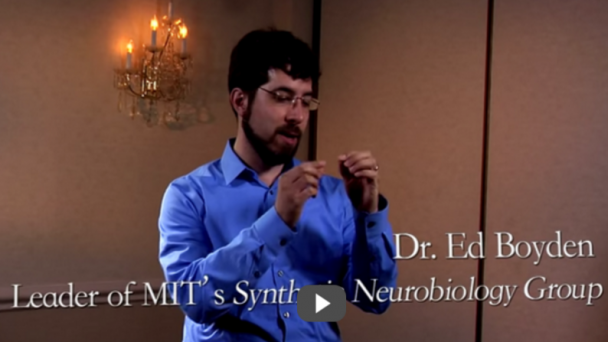
Optogenetics pioneer observes neuron behavior with light

https://www.youtube.com/watch?v=dr_sSYSHxVsVideo can’t be loaded because JavaScript is disabled: Optogenetics pioneer Ed Boyden observes neuron behavior with light (https://www.youtube.com/watch?v=dr_sSYSHxVs)

Optogenetics is a revolutionary field that allows scientists to selectively turn targeted neurons in animal brains on and off. Ed Boyden, of MIT, is one of the pioneering optogenetics research that may help us understand and treat brain disorders.

For more information about the BRAIN Initiative visit: nsf.gov/brain

NSF BRAIN Initiative Published APRIL 2, 2014

OnAir Post: Optogenetics pioneer observes neuron behavior with light

Nedivi Lab – MIT

Plasticity is a prominent feature of brain development, and in the adult underlies learning and memory and adaptive reorganization of sensory maps. The Nedivi lab, part of the Picower Institute for Learning and Memory, studies the cellular mechanisms that underlie activity-dependent plasticity in the developing and adult brain through studies of neuronal structural dynamics, identification of the participating genes, and characterization of the proteins they encode.

OnAir Post: Nedivi Lab – MIT

Jasanoff Lab – MIT

Jasanoff Lab is developing a new generation of functional magnetic resonance imaging (fMRI) methods to study the neural mechanisms of behavior.The Lab's focus is on the design and application of new contrast agents that may help define spatiotemporal patterns of neural activity with far better precision and resolution than current techniques allow. Experiments using the new agents will combine the specificity of cellular neuroimaging with the whole brain coverage and noninvasiveness of conventional fMRI.

OnAir Post: Jasanoff Lab – MIT

Alan Jasanoff, PhD – MIT


Associate Professor of Biological Engineering with appointments in Brain and Cognitive Sciences and Nuclear Science and Engineering, MIT Neuroscience Associate member of the McGovern Institute Principal Investigator, Jasanoff Lab

Functional magnetic resonance imaging (fMRI) has revolutionized our understanding of the human brain, but the method is now approaching the limit of its capabilities. Alan Jasanoff hopes to break through this limit and to develop new technologies for imaging the molecular and cellular phenomena that underlie brain function.

Web Information

McGovern Webpage: mcgovern.mit.edu/principal-investigators/alan-jasanoff

Lab page:  mit.edu/~jasanofflab/

Department of Brain and Cognitive Sciences page: bcs.mit.edu/people/jasanoff.html

MIT Neuroscience: neuroscience.onair.cc/mit-neuroscience/

Contact Information

Email: jasanoff@mit.edu

Phone:617-452-2538 

Address: MIT Rm. 16-561 | 77 Massachusetts Avenue | Cambridge, MA 02139


Biography

Alan Jasanoff is an associate member of the McGovern Institute and Associate Professor of Biological Engineering, with appointments in Brain and Cognitive Sciences and Nuclear Science and Engineering.  He was awarded tenure in 2011. Prior to joining the MIT faculty, he was a Whitehead Fellow at the Whitehead Institute for Biomedical Research at MIT. He was named a Raymond and Beverly Sackler Foundation Scholar in 2004 and received the McKnight Technological Innovations in Neuroscience Award in 2006. Jasanoff was also a 2007 recipient of the Director’s New Innovator Award from the National Institutes of Health.


Research

Pushing the frontiers of ...

OnAir Post: Alan Jasanoff, PhD – MIT

Desimone Laboratory – MIT

Desimone is interested in how the brain deals with the challenge of information overload. Some messages contain relevant information, but many do not. By studying the visual system of humans and animals, Desimone has shown that relevant information is selectively amplified in certain brain regions, while irrelevant information is suppressed. One reason this happens is that neurons whose activity reflects the relevant information become synchronized with one another.

OnAir Post: Desimone Laboratory – MIT

Robert Desimone, PhD – MIT


Doris and Don Berkey Professor of Neuroscience, Department of Brain and Cognitive Sciences, Massachusetts Institute of Technology Director, McGovern Institute for Brain Research and Desimone Lab

Robert Desimone studies the brain mechanisms that allow us to focus our attention on a specific task while filtering out irrelevant distractions. Our brains are constantly bombarded with sensory information. The ability to distinguish relevant information from irrelevant distractions is a critical skill, one that is impaired in many brain disorders.


Web Information

McGovern Webpage: mcgovern.mit.edu/principal-investigators

Lab page:  desimonelab.org/robert-desimone/

Department of Brain and Cognitive Sciences page: bcs.mit.edu/people/desimone

MIT Neuroscience: brain2015.onair.cc/mit-neuroscience/

Contact Information

E-mail: desimone@mit.edu

Phone:  617-324-2077

Address: MIT Bldg 46-3160 | 43 Vassar Street | Cambridge, MA 02139

Biography

Robert Desimone is Director of the McGovern Institute and Professor in the Brain and Cognitive Sciences Department. Prior to coming to MIT, he was Director of the NIMH Intramural Research Program, the largest mental health research center in the world. Desimone received his B.A. from Macalester College and his Ph.D. from Princeton University . He is a member of the National Academy of Sciences and the American Academy of Arts of Sciences, and a recipient of numerous awards, including the Troland Prize of the National Academy of Sciences, and the Golden Brain Award of ...

OnAir Post: Robert Desimone, PhD – MIT

Synthetic Neurobiology Group – MIT

MIT Neuroscience Principal Investigator: Ed Boyden, Ph.D.

The Synthetic Neurobiology Group develops tools that enable the mapping of the molecules and wiring of the brain, the recording and control of its neural dynamics, and the repair of its dysfunction.The Group applies these to the systematic analysis of brain computations, aiming to reveal the fundamental mechanisms of brain function, and yielding new, ground-truth therapeutic strategies for neurological and psychiatric disorders.

Optogenetics: molecules enabling neural control by light. From SBG website.

Web Information

Website:  syntheticneurobiology.org/

Contact Information

E-mail: esb@media.mit.edu

Phone:  (617) 324-3085

Address: Building E15: E15-421| 20 Ames St.| Cambridge, MA 02139

Research

Ultra-Multiplexed Nanoscale In Situ Proteomics for Understanding Synapse Types

Tools for Cells and Circuits (RFA MH-14-216) Edwards S. Boyden, Director of the Synthetic Neurobiology Group, Massachusetts Institute of Technology

Dr. Boyden’s team will simultaneously image both the identities and locations of multiple proteins within individual synapses – made possible by a new technique called DNA-PAINT.

DNA-PAINT super-resolution image of microtubules inside a fixed HeLa cell using Atto 655–labeled imager strands (10,000 frames, 10-Hz frame rate). Inset, labeling and imaging schematic for DNA-PAINT in a cellular environment. ...

OnAir Post: Synthetic Neurobiology Group – MIT

Ed Boyden, PhD – MIT


Associate Professor and AT&T Chair, MIT Media Lab and McGovern Institute, Departments of Biological Engineering and Brain and Cognitive Sciences Co-Director, MIT Center for Neurobiological Engineering Principal Investigator, Synthetic Biology Group

Ed Boyden develops new strategies for analyzing and engineering brain circuits to develop broadly applicable methodologies that reveal fundamental mechanisms of complex brain processes. A major goal of his current work is the development of technologies for controlling nerve cells using light.


Web Information

Personal Website: edboyden.org/

McGovern Institute for Brain Research page: mcgovern.mit.edu/principal-investigators/ed-boyden

Lab Page: syntheticneurobiology.org/

Twitter: twitter.com/eboyden3

Wikipedia pageen.wikipedia.org/wiki/Edward_Boyden

Contact Information

E-mail: esb@media.mit.edu

Phone: (617) 324-3085

Address:  Room E15-421 |20 Ames St. | Cambridge, MA 02139

Biography

From Lab Page

Ed Boyden is Associate Professor of Biological Engineering and Brain and Cognitive Sciences, at the MIT Media Lab and the MIT McGovern Institute. He leads the Synthetic Neurobiology Group, which develops tools for analyzing and engineering the circuits of the brain. These technologies, created often in interdisciplinary collaborations, include ‘optogenetic’ tools, which enable the activation and silencing of neural circuit elements with light, 3-D microfabricated neural interfaces that enable control and readout of neural activity, and robotic methods for automatically recording intracellular neural activity and performing single-cell analyses in the living brain. He has launched an ...

OnAir Post: Ed Boyden, PhD – MIT

Laboratory of Mriganka Sur – MIT

The goal of the Sur Lab is to understand long-term plasticity and short-term dynamics in networks of the developing and adult cortex, and how disruption of any of these network properties leads to brain disorders. Development of real time, high-speed imaging, activity-sensitive dyes, and light-sensitive ion channels are currently fueling the Lab's exploration of the varied and plastic networks these cells form.

OnAir Post: Laboratory of Mriganka Sur – MIT

Mriganka Sur, PhD – MIT


Professor of Neuroscience, MIT Department of Brain and Cognitive Sciences Director, Simons Center for the Social Brain Principal Investigator, Laboratory of Mriganka Sur

Dr. Sur studies the organization, development and plasticity of the cerebral cortex of the brain using experimental and theoretical approaches. He has discovered fundamental principles by which networks of the cerebral cortex are wired during development and change dynamically during learning.


Web Information

Webpage: web.mit.edu/msur/www/profile.html Simons Center for the Social Brain website: web.mit.edu/scsb/ MIT Neuroscience Brain Initiative Grant

Contact Information

Email: msur@mit.edu Phone: 617.253.8785 Address: 43 Vassar St. 46-6227 Cambridge, MA, 02139


Biography

Dr. Mriganka Sur is the Paul E. and Lilah Newton Professor of Neuroscience and Director of the Simons Center for the Social Brain at MIT, which he founded after 15 years as head of the MIT Department of Brain and Cognitive Sciences. Dr. Sur studies the organization, development and plasticity of the cerebral cortex of the brain using experimental and theoretical approaches. He has discovered fundamental principles by which networks of the cerebral cortex are wired during development and change dynamically during learning. His laboratory has identified gene networks underlying cortical plasticity, and pioneered high resolution imaging methods to study cells, synapses and circuits of the intact brain. Recently, his group has demonstrated novel mechanisms underlying disorders of brain ...

OnAir Post: Mriganka Sur, PhD – MIT

Genetic Neuroengineering Group

Research interests: viral vector engineering, synthetic biology. Engineering genetic tools for neuroscience.

OnAir Post: Genetic Neuroengineering Group

Ian Wickersham, PhD – MIT


Research Scientist Head of MIT Genetic Neuroengineering Group

Research interests: viral vector engineering, synthetic biology. Engineering genetic tools for neuroscience.

Web Information

LinkedIn Webpage:  linkedin.com/in/ianwickersham MIT Neuroscience Brain Initiative Grant

Contact Information

Email: wickersham@mit.edu

Biography

Ian obtained a PhD from UCSD, where he developed new retrograde viral technologies for cell-targetable transsynaptic circuit tracing. After a postdoctoral fellowship in MIT Brain and Cognitive Science, he joined the Synthetic Neurobiology group as a research scientist to develop new integrative cell and circuit analysis methods. He then went on to launch the MIT Genetic Neuroengineering Group.

Research

Ian is eveloping new integrative cell and circuit analysis methods

Publications

2015

A circuit mechanism for differentiating positive and negative associations.

Namburi, P., A. Beyeler, S. Yorozu, G.G. Calhoon, S.A. Halbert, R. Wichmann, S.S. Holden, K.L. Mertens, M. Anahtar, A.C. Felix-Ortiz, I.R. Wickersham, J.M. Gray & K.M. Tye, Nature 520(7549):675-8 (2015).

Lentiviral vectors for retrograde delivery of recombinases and transactivators

Wickersham, I.R., H.A. Sullivan, G.M. Pao, H. Hamanaka, K.A. Goosens, I.M. Verma & H.S. Seung, Cold Spring Harbor Protocols 2015 Apr 1;2015(4):368-74.

Rabies viral vectors for monosynaptic tracing and targeted transgene expression in neurons

Wickersham, I.R. & H.A. Sullivan, Cold Spring Harbor Protocols 2015 Apr 1;2015(4):375-85.

Concentration and purification of rabies viral and ...

OnAir Post: Ian Wickersham, PhD – MIT

Cortical circuits and information flow

Principal Investigator: Mriganka Sur MIT Neuroscience Title: “Cortical circuits and information flow during memory-guided perceptual decisions” BRAIN Category:

Dr. Sur and his team will combine a number of cutting-edge, large-scale imaging and computational techniques to determine the exact brain circuits involved in generating short term memories that influence decisions.

NIH Webpages

Neurons in the primary visual cortex of an awake mouse. Image: Sami Elboustani

Project Description

Perceptual decision-making involves multiple cognitive components and diverse brain regions. To perform a perceptual decision, an individual must process an incoming sensory percept, retain this information in short- term memory, and choose an appropriate motor action. Research using delayed-response tasks in nonhuman primates has revealed that sensory and choice information is distributed across a hierarchy of cortical areas, with task-relevant information flowing from sensory to association to motor regions. However, a mechanistic understanding of how circuits in these regions transform and maintain information during such tasks is lacking, due to limited ability to identify and manipulat specific circuits in the primate brain. By developing a memory- guided task for head-fixed mice, we intend to leverage the genetic tractability of the mouse to address these questions. We have developed a perceptual decision task for ...

OnAir Post: Cortical circuits and information flow

Expansion microscopy and super-resolution

MIT engineers have developed a way to make a brain expand to about four and a half times its usual size, allowing nanoscale structures to appear sharp with an ordinary confocal microscope.

The new “expansion microscopy” technique uses an expandable polymer and water to enable researchers to achieve “super-resolution” without the slower performance of existing “super-resolution” microscopes.

Press Release

Bigger is better for brain tissue understanding

NSF Press Release 1/15/15

While most efforts to understand the brain focus on new technologies to magnify small anatomical features, engineers at the MIT-based Center for Brains, Minds and Machines have found a way to make brains physically bigger.

The technique, which the researchers call expansion microscopy, uses an expandable polymer and water to swell brain tissue to about four and a half times its usual size, so that nanoscale structures once blurry appear sharp with an ordinary confocal microscope.

Expansion microscopy enables researchers to resolve details down to about 70 nanometers, while 300 nanometers was the previous limit with a conventional microscope.

Development of the novel process, which is detailed in the Jan. 15 issue of Science, was partially funded by the National Science Foundation (NSF), including support via an NSF early faculty career development award and ...

OnAir Post: Expansion microscopy and super-resolution

Skip to toolbar