UC Davis Neurosciences

University of California Davis Neuroscience occurs both at the Sacramento campus, home of UC Davis Health System and at the UC Davis campus 15 miles west of Sacramento. 

The Center for Neuroscience is UC Davis’ hub for studying the entire scope of neuroscience, ranging from cellular and molecular neurobiology, through systems and developmental neuroscience, to studies of human perception, memory, language, and the nature of consciousness. Some of the major UC Davis Health System research centers include the UC Davis MIND Institute, Eye and Pain Medicine Centers.

Web Information

UC Davis Neurosciences Website: ucdmc.ucdavis.edu/giving/leadinginitiatives/neurosciences UC Davis Center for Neuroscience website: neuroscience.ucdavis.edu BRAIN Initiative Grant – “Large-Scale Recording-Modulation – New Technologies (RFA NS-14-007)” BRAIN Initiative Grant – “Genetically encoded reporters of integrated neural activity for functional mapping of neural circuitry”

Organization

Director Center for Neuroscience: Cameron Carter

UC Davis MIND Institute, Vision Sciences and the Eye Center, and Pain Medicine

Neurosciences is a key strategic emphasis for UC Davis, and is a campus-wide research area with collaborations across nearly every school and college.

Nearly 50 million people in the U.S. are impacted by neurological, developmental, and ophthalmological disorders, as well as chronic pain. Advances in technology have opened possibilities for faculty in the vision sciences, neurosciences and pain medicine to better ...

OnAir Post: UC Davis Neurosciences
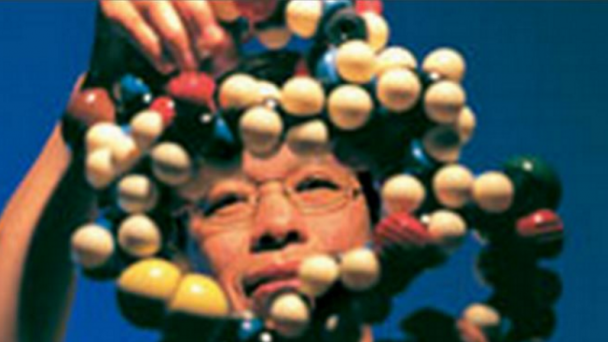
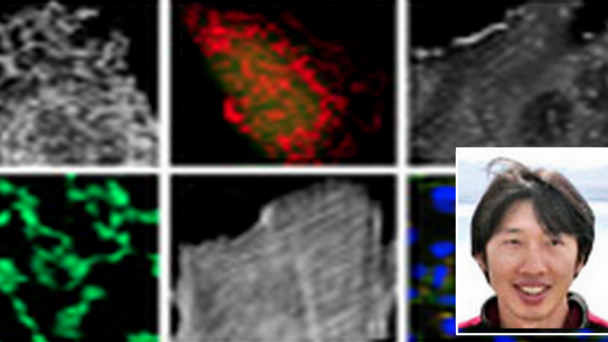
Kit S. Lam, MD/PhD – UC Davis


Professor and Chair, Department of Biochemistry and Molecular Medicine, UC Davis Professor, Hematology and Oncology, UC Davis Director, Kit Lamb Lab

Dr. Lam is an expert in combinatorial chemistry, chemical biology, drug development, molecular imaging, nanotherapeutics and medical oncology. His laboratory is engaged in the development and application of combinatorial library methods for basic research and drug discovery. Lam is also interested in signal transduction, antibiotics development, molecular immunology, chemical microarray, and proteomics.

Web Information

Webpage: ucdmc.ucdavis.edu/publish/facultybio UC Davis Center for Neuroscience BRAIN Initiative Grant – “Genetically encoded reporters of integrated neural activity for functional mapping of neural circuitry”

Contact Information

Emailkit.lam@ucdmc.ucdavis.edu Phone: (916) 734 – 0910 Address: Oak Park Research Center Building Department of Biochemistry and Molecular Medicine 2700 Stockton Blvd., Suite 2102 Sacramento, CA 95817


Biography

Education:

M.D., Stanford University School of Medicine, Palo Alto, California, 1984 Ph.D., University of Wisconsin, Madison, Wisconsin, 1980 B.A., University of Texas, Austin, Texas, 1975

Residency:

University of Arizona, Tucson, Arizona, 1984-87

Fellowships:

University of Arizona, Tucson, Arizona, 1987-89

Board Certifications:

American Board of Internal Medicine, 1987 American Board of Internal Medicine, Medical Oncology, 1989

Professional Memberships:

American Association for Cancer Research American Chemical Society American College of Physicians American Peptide Society Society of Chinese Bioscientists in America

Select Honors and Awards:

Fellow of American College of Physicians, 2008

Award of the Society of Combinatorial Sciences for pioneering contribution to and remarkable scientific accomplishments in combinatorial sciences throughout ...

OnAir Post: Kit S. Lam, MD/PhD – UC Davis

John Wingfield, PhD – UC Davis


Professor of Neurobiology, Physiology, and Behavior at UCDavis and former head of NSF Directorate for Biological Sciences Ex Officio member of the Advisory Committee to the NIH Director

Dr. Wingfield is particularly interested in how animals perceive the environment (and what cues they use to time the stages of the life cycle), the neural pathways by which those signals are transduced into neuroendocrine and endocrine secretions, and the mechanisms by which these hormones regulate morphology, physiology and behavior.

Web Information

UC Davis Webpage: http://biosci3.ucdavis.edu/Faculty/Profile/View/376

Webpage:

Webpage:

Contact Information

Email: jcwingfield.ucdavis.edu

Phone: (530) 752-4679

Address: 294 Briggs Hall

Biosketch

Research Interests

Environmental endocrinology My laboratory focuses on the neural and endocrine mechanisms underlying organism-environment interactions. We are particularly interested in the neural pathways for environmental signals affecting seasonality, mechanisms of coping with environmental stress (allostasis), and the social modulation of hormone secretion. This research also interfaces with how animals deal with global climate change, endocrine disruption and conservation biology.

Degrees

2010 Honorary Doctor of Science University of Sheffield 1998 Doctor Honoris Causa University of Gothenburg, Sweden 1973 PhD (Zoology and Comparative Endocrinology) University College of North Wales 1970 BS (Zoology) University of Sheffield

Awards

Association for the Study of Animal Behavior Medal, 2003. Benjamin Meaker Fellowship, University of Bristol (1993-1994). Charles H. Revson Fellow in Biomedical Research, Rockefeller University (1981). Charles H. Revson Fellow in Biomedical Research, Rockefeller University (1981). Corresponding Fellow of the Deutsche Ornithologen Gesellshaft. Doctor Honoris Causa, from the Faculty of Science, ...

OnAir Post: John Wingfield, PhD – UC Davis

Kit Lamb Lab – UCDavis

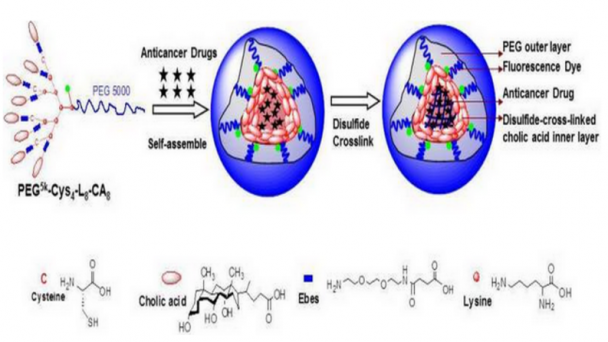
The main focus of the Lam Lab lies in discovering revolutionary and innovative methods of disease treatment on a nano-scale and molecular scale. The lab work is most related to molecular medicine, drug discovery, nanoparticle and drug-delivery techniques in cancer and other diseases. Our research is done through the use of cutting edge technologies and established procedures.

OnAir Post: Kit Lamb Lab – UCDavis

John Yu-Luen Lin, PhD – UCSD


Research Scientist, Tsien Lab, UC San Diego

Lin’s current research interests include developing new molecular techniques to map activities of neurons, manipulating the strength of communication between neurons and disrupting intracellular signaling. These new techniques can be used to understand how neurons encode and store information, with potential implications for ameliorating Alzheimer’s disease, addiction, traumatic brain injury, and neurodegeneration.


Web Information

Webpage: tsienlab.ucsd.edu/HTML/People/John%20Lin/John.html UCSD Neuroscience Brain Initiative Grant

Contact Information

Email: j8lin@ucsd.edu Address: HHMI – UCSD 9500 Gilman Dr George Palade 310 La Jolla, CA 92093-0647


Biography

2000-2005            Doctor of Philosophy in Physiology, University of Auckland, Auckland, New Zealand

1996-1999            Bachelor of Technology (First class honours), University of Auckland, Auckland, New Zealand

Research

Current research interests include developing methods to manipulate and monitor the activities of neurons and studying single-molecule photophysical properties of fluorescent proteins

Publications

Lin J.Y., Lin M.Z., Steinbach P. and Tsien R.Y. Characterization of engineered channelrhodopsin variants with improved properties and kinetics. (2009) Biophysical Journal. (In Press)

Sheng G., Chang G.Q., Lin J.Y., Yu Z.X., Fang Z.H., Rong J., Lipton S.A., Li S.H., Tong G., Leibowitz S.F., Li X.J. (2006)Hypothalamic huntingtin-associated protein 1 as a mediator of feeding behavior. Nature Medicine 12, 526-533

Lin J.Y., Chung K.K.H., de Castro D., Funk G.D. & Lipski J. ...

OnAir Post: John Yu-Luen Lin, PhD – UCSD

Tsien Lab – UCSD

Principal Investigator: Roger Tsien Research Scientist: John Yu-Luen Lin UCSD Neuroscience

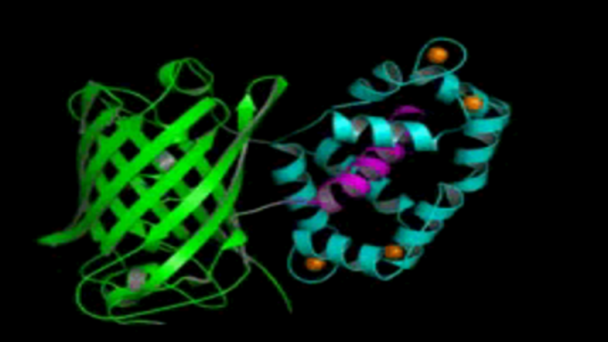
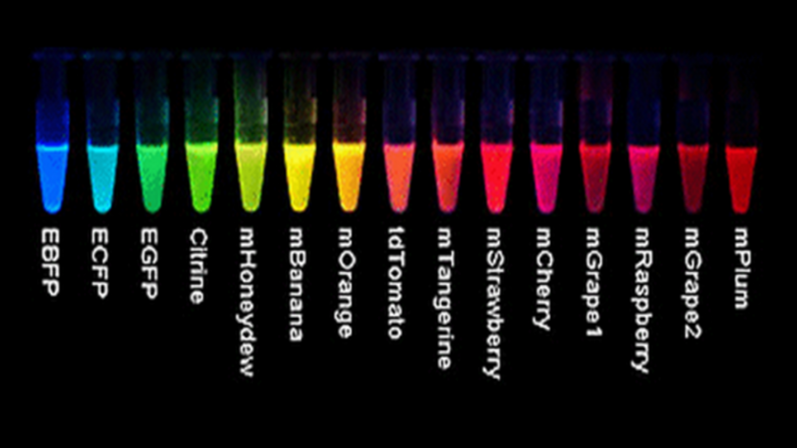
The multicolored fluorescent proteins developed in Tsien’s lab are used by scientists to track where and when certain genes are expressed in cells or in whole organisms. Typically, the gene coding for a protein of interest is fused with the gene for a fluorescent protein, which causes the protein of interest to glow inside the cell when the cell is irradiated with ultraviolet light and allows microscopists to track its location in real time. This is such a popular technique that it has added a new dimension to the fields of molecular biology, cell biology, and biochemistry.

In 2009 Tsien reported a new class far-red and infrared fluorescent proteins that have great potential in in vivo imaging.

Web Information

Website:  tsienlab.ucsd.edu/ Wikipedia Entry: wiki/Roger_Y._Tsien Brain Intiative Grant 

Contact Information

Phone: (858) 534-7009 Address: HHMI – UCSD 9500 Gilman Dr George Palade 310 La Jolla, CA 92093-0647

Research

Research Summary

Roger Tsien’s lab studies signal transduction, especially in neurons and cancer cells, with the help of designed molecules, imaging, and photochemical manipulation.

The overall goal of my laboratory is to gain a better understanding of signaling inside individual living cells, in neuronal networks, and in tumors. We ...

OnAir Post: Tsien Lab – UCSD

Tian Lab – UC Davis

The goal of Tian Lab's research is to invent new molecular tools for analyzing and engineering functional neural circuits. We also leverage these tools, combined with optical imaging techniques, to study molecular mechanisms of neurological disorders at system level and to empower searching for novel therapeutic treatments.

OnAir Post: Tian Lab – UC Davis

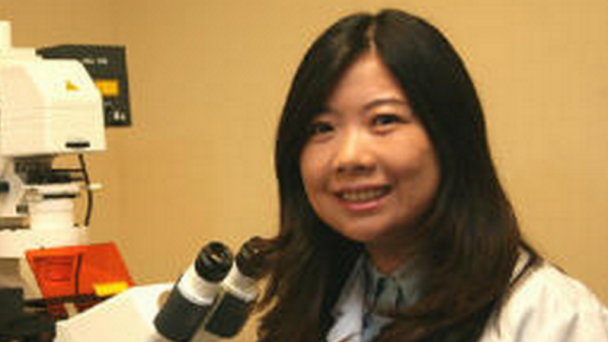
Lin Tian, PhD – UC Davis


Assistant Professor, Department of Biochemistry and Molecular Medicine, UC Davis Director, Tian Lab

The goal of Tian’s research is to invent new molecular tools for analyzing and engineering functional neural circuits. We also leverage these tools, combined with optical imaging techniques, to study molecular mechanisms of neurological disorders at system level and to empower searching for novel therapeutic treatments.

Web Information

Webpage: ucdmc.ucdavis.edu/biochem/faculty/tian/ UC Davis Neuroscience Brain Initiative Grant

Contact Information

Email: lintian@ucdavis.edu Phone: (916) 734-8070 Address: 2352 Oak Park Research Building Sacramento Campus


Biography

I was born and raised in China. After graduating from University of Science and Technology of China, I joined a interdisciplinary PhD program at Northwestern University, where I studied the mechanisms of protein processing via ubiquitin-proteasome pathway in Dr. Andreas Matouschek’s lab. I then moved to HHMI Janelia Farm as a postdoc. The highly collaborative environment at Janelia resulted in my multidisciplinary training under three principle investigators, Dr. Loren Looger, Dr. Karel Svoboda and Dr. Luke Lavis. There, my research focused on engineering optical probes for monitoring and controlling neural circuitry in living behaving animal. These new imaging techniques have greatly impacted the field of neuroscience, facilitating new types of biological experiments performed to address previously intractable questions. One indication of the impact of this ...

OnAir Post: Lin Tian, PhD – UC Davis

Genetic sensors for biogenic amines

Principal Investigator: Lin Tian UC Davis Neuroscience Title: ” Genetically encoded sensors for the biogenic amines: watching neuromodulation in action” BRAIN Category: Large-Scale Recording-Modulation – New Technologies (RFA NS-14-007)

Dr. Tian and her colleagues will create sensors that will allow researchers to see how molecules like dopamine, norepinephrine and serotonin regulate activity of neural circuits and behavior in living animals.

NIH Webpages

Genetically encoded indicators of neural activity.Fluorescent protein based biosensors can transfer changes in neural state (e.g. membrane potential or essential ion flux or enzyme activity) to fluorescence observables. They are genetically encoded, and can thus be used to label large populations of defined cell types and/or sub-cellular compartments.

Project Description

The goal of this proposal is to develop a toolbox of genetically encoded indicators for biogenic amines, the most important family of neuromodulators. All nervous systems are subject to neuromodulation, which reconfigure the dynamics of neural circuitry by transforming the intrinsic firing properties of targeted neurons and regulating their synaptic plasticity. The altered dynamics of the neuromodulators have been implicated in a number of human neurological and psychiatric diseases, including Parkinson’s, schizophrenia and addiction. Biogenic amines are a group of neuromodulators used by all animal brains to regulate the ...

OnAir Post: Genetic sensors for biogenic amines

Genetically encoded reporters

Principal Investigator: Kit S. Lam UC Davis Center for Neuroscience Title: “Genetically encoded reporters of integrated neural activity for functional mapping of neural circuitry” BRAIN Category: Large-Scale Recording-Modulation – New Technologies (RFA NS-14-007)

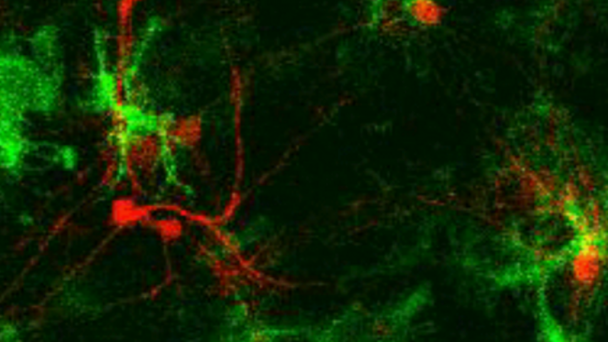
Dr. Lam’s team plans to develop fluorescent sensors that will mark ion channels, molecules that help control information flow in the brain, and enable scientists to observe the neurons that are activated during a specific behavior, such as running.

NIH Webpages

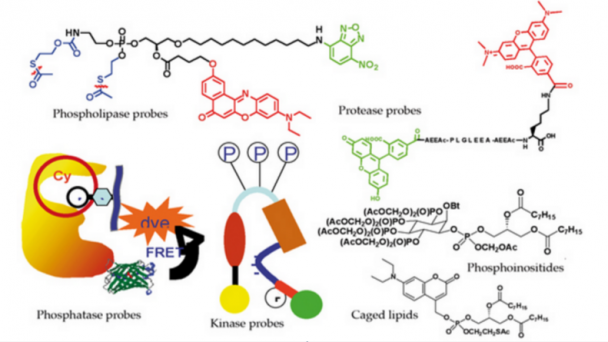
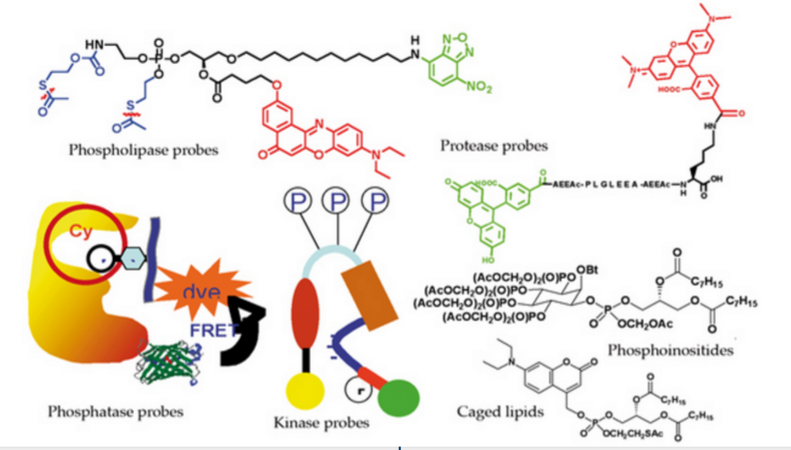
Graphic from Shultz Chemical Cell Biology Group at Heidelberg

Project Description

One of the major challenges in neuroscience is to link the structure to the function of neural circuits. To achieve this goal, we need to understand the connectivity between defined neuronal populations and the contribution of these neurons to physiological processes, behavioral responses and disease states. Recent advances in imaging techniques allow us to visualize the brain structure with cellular resolution. Application of the current generation of genetically encoded optical tools, such as sensors and controllers, is facilitating measurement and manipulation of neuron activity from molecular-defined cell populations in awake, behaving animals. However, probing the dynamics of neural circuitry underlying behavior, specifically for dissecting functional-defined circuitry beyond molecular-defined circuitry, not only depends on the improvement ...

OnAir Post: Genetically encoded reporters

Skip to toolbar