Institute for Fundamental Neuroscience @UCSF


The Kavli Institute for Fundamental Neuroscience (Kavli IFN) at UCSF will focus initially on understanding brain plasticity, the remarkable capacity of the brain to modify its structure and function.

The Kavli IFN will partner with engineers at two San Francisco Bay-area national laboratories to develop new tools and approaches to brain research.“UCSF scientists have made some of the seminal discoveries in modern neuroscience,” said UCSF Chancellor Sam Hawgood, MBBS. “The Kavli Institute will sustain this rich tradition into the 21st Century.”

Web Information

Kavli Foundation web page: http://www.kavlifoundation.org/university-california-san-francisco

About Kavli IFN

The Kavli Institute for Fundamental Neuroscience (Kavli IFN) builds new, cross-disciplinary teams of scientists and engineers to tackle the hardest problems in neuroscience. It’s central research theme is neuroplasticity – the brain’s extraordinary ability to change over time. The Institute’s researchers aim to answer fundamental questions such as: How are plasticity and stability established? How is their balance maintained throughout our lifetime? And, importantly, how does that plasticity enable us to adapt our behavior?

The Kavli IFN aims to push the boundaries of interdisciplinary research to make breakthrough discoveries. It has established direct linkages between neuroscientists at UCSF and engineers at Lawrence Livermore National Laboratory and Lawrence Berkeley National Laboratory to develop transformative brain ...

OnAir Post: Institute for Fundamental Neuroscience @UCSF
UCSF Neuroscience

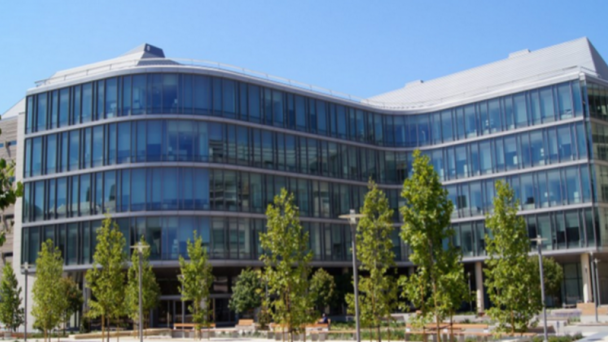
University of California at San Francisco (UCSF) has one of the largest neuroscience complexes in the world including the Sandler Neurosciences Center and Rock Hall. UCSF is ranked by NIH as the #1 department of neurology at US medical schools.

Research is done by the faculty in the Neuroscience Graduate Program and many centers including the UCSF Memory and Aging Center and the Center for Integrative Neuroscience. Affiliated centers include research at San Francisco Medical Centers and the Gladstone Institute of Neurological Disorders.

Web Information

Department of Neurology Website: neurology.ucsf.edu/ UCSF Memory and Aging Center:  memory.ucsf.edu/ Center for Integrative Neuroscience: cin.ucsf.edu/index.html UCSF Neuroscience Graduate Program: neuroscience.ucsf.edu/neurograd BRAIN Initiative Grant – ” Modular systems for measuring and manipulating brain activity” BRAIN Initiative Grant   “Mapping the Developing Human Neocortex by Massively Parallel Single Cell Analysis” BRAIN Initiative Grant – “Identification of enhancers whose activity defines cortical interneuron types”

Contact Information

Address: Sandler Neurosciences Center 675 Nelson Rising Lane, Suite 190 San Francisco, California

Sandler Neurosciences Center

In honor of Herbert and Marion Sandler’s extraordinary commitment to neurological disease research at UCSF, our new neurosciences building at Mission Bay has been named the Sandler Neurosciences Center. This 237,000 square foot facility has laboratories headed by principal investigators from the UCSF Department of Neurology, the Institute for Neurodegenerative Diseases ...

OnAir Post: UCSF Neuroscience

Neuroscape Lab & Glass Brain

The Neuroscape Lab is using newly emerging technology with the primary goal of driving rapid translation of neuroscience to real-world solutions. The Glass Brain visualization is one of the lab's projects.

It is being developed as a core research facility at the UCSF Neuroscience Imaging Center (NIC) under the direction of Dr. Adam Gazzaley.

OnAir Post: Neuroscape Lab & Glass Brain

Enhancers define cortical interneuron types

Principal Investigator: John L. R. Rubenstein UCSF Neuroscience Title: “Identification of enhancers whose activity defines cortical interneuron types” BRAIN Category: Tools for Cells and Circuits (RFA MH-14-216)

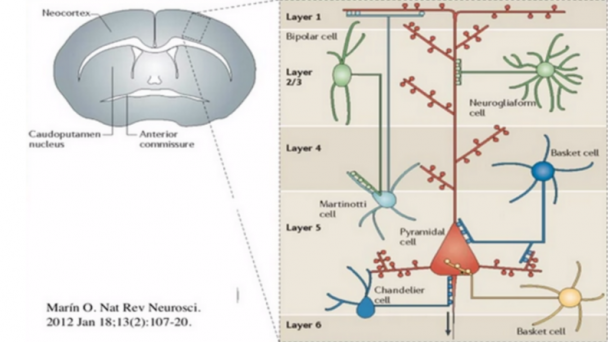
Dr. Rubenstein and colleagues plan to identify enhancer molecules specific to particular types of interneurons – that relay neural signals – and use this information to profile distinct cell types and new ways to manipulate genes.

NIH Webpages

Cortical Circuits: Projection Neurons and Interneurons

Project Description

Molecular definitions of neural cell types largely depend on the expression of RNAs or proteins as assessed by in situ hybridization, RNA array and sequencing, and immunohistochemistry. However, recent studies are demonstrating that gene regulatory elements, such as enhancers, can have highly specific spatial and temporal activity patterns in the developing brain. Thus, enhancer activity can be used to define neural cell types, and importantly, also have other broad applications. First, they can be used as tools to drive gene expression in specific cell types, which can then be used to visualize and/or purify the cells (GFP), modify gene expression in the cells (Cre), modify electrical activity (channel rhodopsin), and visualize electrical activity in the cells (GCaMP). Secondly, knowledge about the nature and position of enhancers enables geneticists ...

OnAir Post: Enhancers define cortical interneuron types

Parkinson’s Disease and Stem Cell Research

Part 2 of 3) Arnold Kriegstein, M.D., Ph.D., spoke at the “Spotlight on Parkinson’s Disease,” an educational event presented at the CIRM Governing Board meeting on May 7, 2008. Kriegstein reviewed the limitations of previous Parkinson’s clinical trials and discussed the prospects for stem cell-based cell replacement therapies for Parkinson’s disease.

Video published on June 11, 2011 by California Institute for Regenerative Medicine

Arnold Kriegstein: Director, Eli and Edythe Broad Center of Regeneration Medicine and Stem Cell Research, UC San Francisco Department of Neurology

Arnold Kriegstein Profile

Director, Eli and Edythe Broad Center of Regeneration Medicine and Stem Cell Research, UC San Francisco Department of Neurology

Kriegstein’s research in our lab focuses on the way in which neural stem and progenitor cells produce neurons, and ways in which this information can be used for cell based therapies to treat diseases of the nervous system. He has found that radial glial cells, long thought to simply guide nerve cells during migration, are neuronal stem cells in the developing brain.

BRAIN 2015 page

Video

YouTube Page

OnAir Post: Parkinson’s Disease and Stem Cell Research

Rubenstein Lab – UCSF

Principal Investigator: John L. R. Rubenstein UCSF Neuroscience

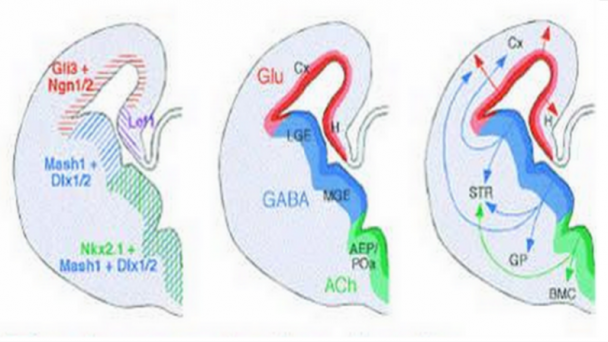
The goal of Rubenstein Lab research is to elucidate fundamental mechanisms that regulate development of the forebrain, with a focus on the cerebral cortex and basal ganglia. Our studies also extend into other regions of the embryo, including the developing face. Whenever possible, we attempt to investigate whether disruption of these mechanisms underlie human disorders, such as autism, schizophrenia, mental retardation, epilepsy and craniofacial disorders.


Web Information

Website:  rubensteinlab.ucsf.edu/ BRAIN Initiative Grant – “Identification of enhancers whose activity defines cortical interneuron types”

Contact Information

Email: john.rubenstein@ucsf.edu Phone: 415-476-7862 Address: John L.R. Rubenstein, M.D., Ph.D. Genetics, Development and Behavioral Sciences Building 1550 4th Street, 2nd Floor South, Room GD 284C University of California at San Francisco San Francisco, CA 94143-2611

About the Lab

Mission The goal of our research is to elucidate fundamental mechanisms that regulate development of the forebrain, with a focus on the cerebral cortex and basal ganglia. Our studies also extend into other regions of the embryo, including the developing face. Whenever possible, we attempt to investigate whether disruption of these mechanisms underlie human disorders, such as autism, schizophrenia, mental retardation, epilepsy and craniofacial disorders. We hope that our studies provide insights into new inroads for diagnosis, prevention and treatment of these disorders.

History Our research group began at Stanford in 1988 to ...

OnAir Post: Rubenstein Lab – UCSF

John L. R. Rubenstein, MD/PhD – UCSF


Professor of Psychiatry and Child Psychiatry, UC San Francisco Director,Rubenstein Lab

Rubenstein’s research focuses on the regulatory genes that orchestrate development of the forebrain. His lab has demonstrated the role of specific genes in regulating neuronal specification, differentiation, migration and axon growth during embryonic development and on through adult life. His work may help to explain some of the mechanisms underlying human neurodevelopmental disorders such as autism.


Web Information

Webpage: physio.ucsf.edu/rubenstein/members/bios/jrubenstein.asp UCSF Neuroscience  BRAIN Initiative Grant – “Identification of enhancers whose activity defines cortical interneuron types”

Contact Information

Email: john.rubenstein@ucsf.edu Phone: 415-476-7862 Address: John L.R. Rubenstein, M.D., Ph.D. Genetics, Development and Behavioral Sciences Building 1550 4th Street, 2nd Floor South, Room GD 284C University of California at San Francisco San Francisco, CA 94143-2611:

Biography

M.D. Stanford University, 1983 PhD. Stanford University, 1982 Pasteur Institute, Postdoctoral Fellowship in Developmental Biology Stanford University, Residency in Adult Psychiatry Stanford University, Residency in Child Psychiatry

John L. R. Rubenstein, M.D., Ph.D. is the Nina Ireland Distinguished Professor in Child Psychiatry at UCSF. Dr. Rubenstein graduated in Chemistry from Stanford University, completed doctoral training in Biophysics at Stanford University, and postdoctoral research training in Developmental Biology at the Pasteur Institute and Stanford. Following graduation from Stanford School of Medicine, he completed his residency in Adult and Child Psychiatry at Stanford. In 1991 he joined the faculty at UCSF. Dr. Rubenstein is ...

OnAir Post: John L. R. Rubenstein, MD/PhD – UCSF

Arnold Kriegstein, MD/PhD – UCSF


Director, Eli and Edythe Broad Center of Regeneration Medicine and Stem Cell Research, UC San Francisco, Department of Neurology

Kriegstein’s research in our lab focuses on the way in which neural stem and progenitor cells produce neurons, and ways in which this information can be used for cell based therapies to treat diseases of the nervous system. He has found that radial glial cells, long thought to simply guide nerve cells during migration, are neuronal stem cells in the developing brain.

Web Information

Webpage: ucsf.edu/directory/faculty/arnold-kriegstein-md-phd UCSF Profiles: profiles.ucsf.edu/arnold.kriegstein#toc-id1 UCSF Neuroscience BRAIN Initiative Grant –  “Mapping the Developing Human Neocortex by Massively Parallel Single Cell Analysis”

Contact Information

Email: KriegsteinA@stemcell.ucsf.edu Phone: (415) 476-0766 Address:35 Medical Center Way RMB-1038, Box 0525 San Francisco, CA 94143-0525


Biography

Dr. Kriegstein received BA from Yale University and his MD and PhD degrees from New York University in 1977 where his thesis advisor was Dr. Eric Kandel. He subsequently completed Residency training in Neurology at the Brigham and Women’s Hospital, Children’s Hospital, and Beth Israel Hospital in Boston. He has held academic appointments at Stanford University, Yale University, and Columbia University. In 2004 he joined the Neurology Department at the University of California, San Francisco. He is currently the John Bowes Distinguished Professor in Stem Cell and Tissue Biology and Founding Director ...

OnAir Post: Arnold Kriegstein, MD/PhD – UCSF

Frank Laboratory – UCSF

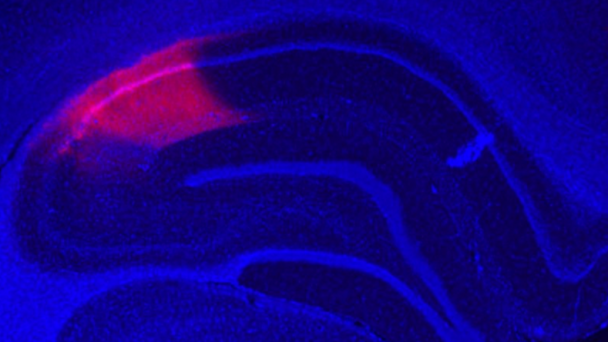
The Frank Lab's goal is to understand how activity and plasticity in neural circuits underlie both learning and the ability to use learned information to make decisions. In particular, our laboratory focuses on the circuitry of the hippocampus and anatomically related regions. We use a combination of techniques, including large scale multielectrode recording, targeted optogenetic interventions and behavioral manipulations of awake, behaving animals to understand how the brain learns and remembers.

OnAir Post: Frank Laboratory – UCSF

Loren M Frank, PhD – UCSF


Core Faculty, Program in Biological Sciences, UCSF Physiology Department Director:  Frank Laboratory

Frank’s research interests center around learning and spatial coding in the hippocampal-cortical circuit. Frank is interested in understanding the neural correlates of learning and memory. In particular, his laboratory focuses on the circuitry of the hippocampus and adjacent regions. His goal is to examine the relationships among neural firing patterns, behavior, and anatomy to understand how the brain uses and stores information.


Web Information

Webpage: keck.ucsf.edu/physio/people/frankl.html#research UCSF Neuroscience  Brain Initiative Grant

Contact Information

Email: loren@phy.ucsf.edu Phone: 415-502-6317 Address: UCSF 513 Parnassus Box 0444 San Francisco, CA 94143-0444


Research

The ability to use experience to guide behavior (to learn) is one of the central functions of the brain. We are interested in understanding the neural correlates of learning and memory. In particular, our laboratory focuses on the circuitry of the hippocampus and adjacent regions. Our goal is to examine the relationships among neural firing patterns, behavior, and anatomy to understand how the brain uses and stores information. Ultimately we should be able to generate accurate computational models of learning to both test hypotheses concerning hippocampal-cortical interactions and to generate new predictions that can be tested experimentally.

Anatomical organization

The hippocampal formation has a unique anatomical organization in that the connectivity between adjacent hippocampal regions is ...

OnAir Post: Loren M Frank, PhD – UCSF

Center of Regeneration Medicine and Stem Cell Research – UCSF

Director: Arnold Kriegstein UCSF Neuroscience

The Center’s organization is designed to foster collaborations derived from work on different organs and tissue systems. Accordingly, the laboratories and research efforts are organized along a series of pipelines, each focusing on a particular tissue or organ system, and including basic research as well as translational research directed toward clinical applications. A basic researcher and a clinician direct each pipeline.

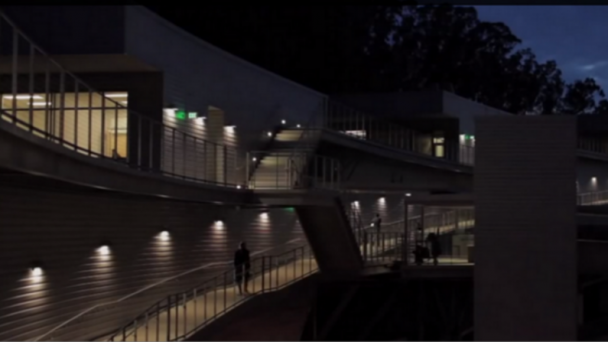
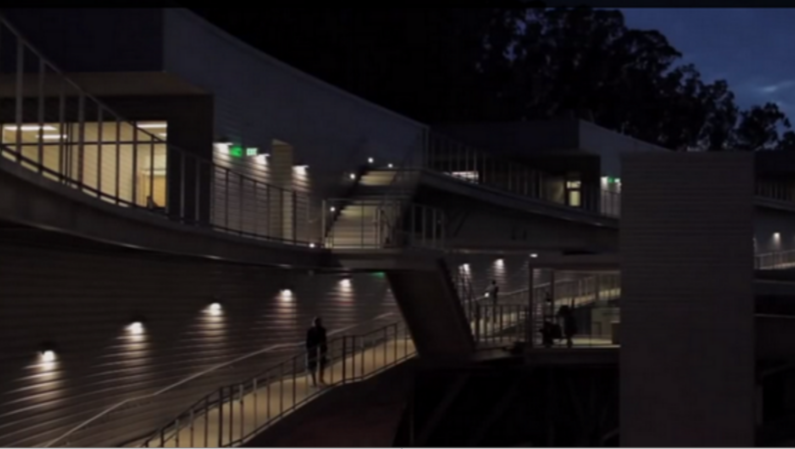
The Ray and Dagmar Dolby Regeneration Medicine Building which will be located on the Parnassus Campus is the new headquarters for the Center of Regeneration Medicine and Stem Cell Research. Designed by New York architect Rafael Viñoly, it has a series of split-level floors with terraced grass roofs and solar orientation. Open labs flow into each other, with office/interaction areas located on the circulation route between the labs, allowing for the entire research community in the building to interact.

Web Information

Website:  stemcell.ucsf.edu/ BRAIN Initiative Grant –  “Mapping the Developing Human Neocortex by Massively Parallel Single Cell Analysis”

Contact Information

Email: KriegsteinA@stemcell.ucsf.edu Phone: (415) 476-0766 Address:35 Medical Center Way RMB-1038, Box 0525 San Francisco, CA 94143-0525

About

Since 1981, when the University of California, San Francisco’s Gail Martin, PhD, co-discovered embryonic stem cells in mice and coined the term embryonic stem cell, ...

OnAir Post: Center of Regeneration Medicine and Stem Cell Research – UCSF

Modular systems measuring brain activity

Principal Investigator: Loren Frank UCSF Neuroscience Title: ” Modular systems for measuring and manipulating brain activity” BRAIN Category: Large-Scale Recording-Modulation – New Technologies (RFA NS-14-007)

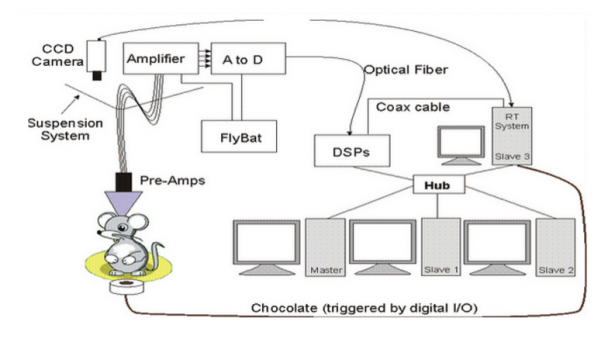
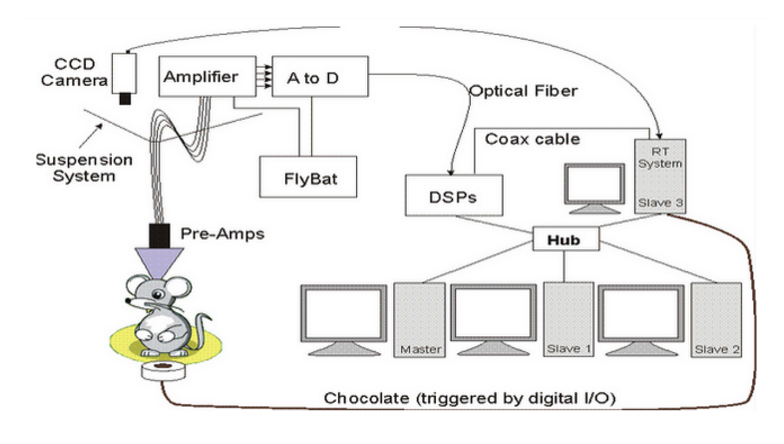
Dr. Frank and his colleagues will engineer a next-generation, all-in-one neural recording and stimulating system, which can simultaneously monitor thousands of neurons in the brain for several months while also delivering drugs, light or electrical pulses.

NIH Webpages

NSpike Instructions – The diagram shows the overall organization of the data acquisition system as it is used in the Frank lab,

Project Description

The brain is a massively interconnected network of specialized circuits. Even primary sensory areas, once thought to support relatively simple, feed-forward processing, are now known to be parts of complex feedback circuits. All brain functions depend on millisecond timescale interactions across these brain networks, but current approaches cannot measure or manipulate these interactions with sufficient resolution to resolve them. We need the capacity to measure and manipulate the activity large ensembles of neurons distributed across anatomically or functionally connected circuits. That technology does not yet exist, a lack that motivates our efforts to develop a new system for large scale, multisite recording and manipulation that takes integrates biocompatible polymer electrodes, new headstage ...

OnAir Post: Modular systems measuring brain activity

Massively Parallel Single Cell Analysis

Principal Investigator: Arnold Kriegstein UCSF Neuroscience Title: “Mapping the Developing Human Neocortex by Massively Parallel Single Cell Analysis” BRAIN Category: Census of Cell Types (RFA MH-14-215)

By combining genetic, molecular and physiological techniques at the single cell level, Dr. Kriegstein and colleagues will classify diverse cell types in the prefrontal cortex of developing human brain tissue.

NIH webpage

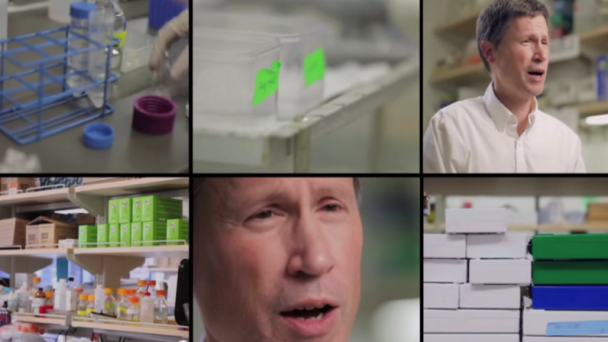
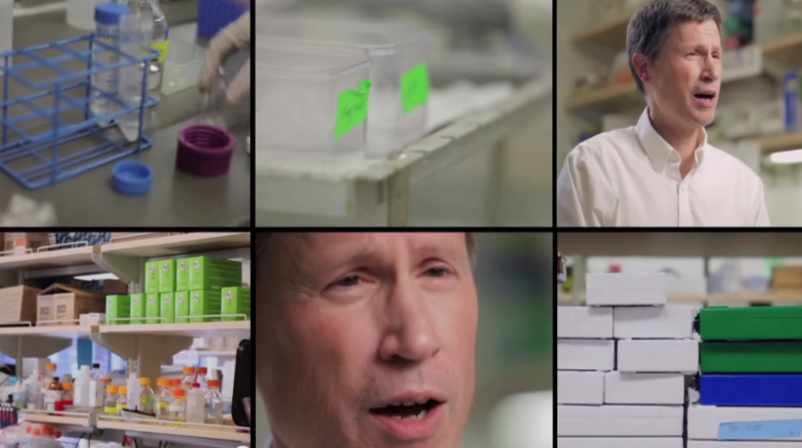
Image from video “UCSF scientists: the power of stem cell biology”

Project Description

This proposal seeks to create a single cell resolution map of the developing human neocortex. We propose to determine the number of different subtypes of neural stem and progenitor cells that generate the cerebral cortex, and then follow the developmental trajectories of the newborn neurons they produce to obtain an understanding of the diversity of cortical neurons that will ultimately form the adult cortex. We plan a novel approach to this problem by integrating surveys of single cell gene expression and physiology in human cortical cells from multiple brain regions at a series of developmental stages. In collaboration with Fluidigm Corporation, we have developed innovative strategies for massively parallel profiling of molecular and physiological properties of primary human cortical cells using microfluidic technologies, cellular barcoding, and timelapse microscopy. We now ...

OnAir Post: Massively Parallel Single Cell Analysis

Skip to toolbar