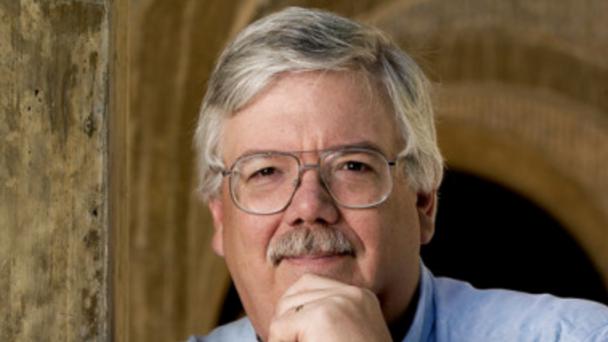
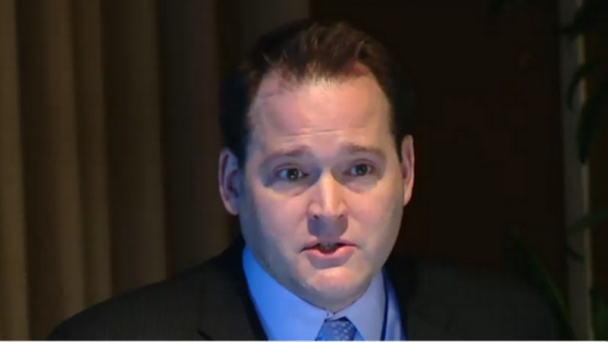
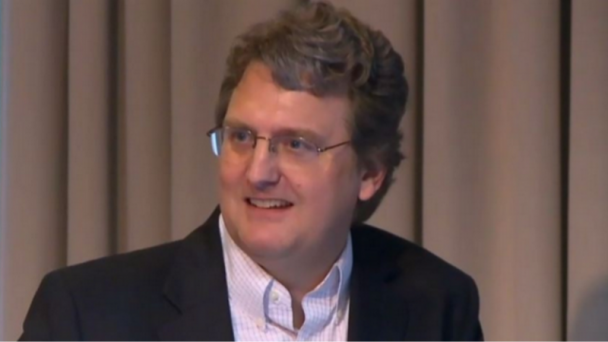
Richard Huganir, PhD – John Hopkins


Professor and Director of the Department of Neuroscience at Johns Hopkins University; Co-Director, Brain Science Institute; and HHMI investigator. Member of Multi-Council Working Group (NIMH council)

Huganir’s lab is credited for examining the molecular mechanisms underlying the regulation of neurotransmitter receptor function with a focus on glutamate receptors. Their studies have suggested that regulation of receptor function may be a major mechanism for the regulation of synaptic plasticity in the nervous system in health and disease.

Web Information

Department Webpage: hneuroscience.jhu.edu/resources/directory/faculty/richard-l.-huganir/

Lab Page: neuroscience.bs.jhmi.edu/huganir/

Twitter:

Contact Information

Email: rhuganir@jhmi.edu

Phone:  410-955-4050

Address: The Solomon H. Snyder Department of Neuroscience Johns Hopkins University School of Medicine 725 North Wolfe Street Baltimore, MD 21205 Room: Hunterian 1009A

Research

Regulation of Neurotransmitter Receptors and Brain Function in Health and Disease

Neurotransmitter receptors mediate signal transduction at the postsynaptic membrane of synaptic connections between neurons in the nervous system. We have been studying the molecular mechanisms in the regulation of neurotransmitter receptor function. Recently we have focused on glutamate receptors, the major excitatory receptors in the brain. Glutamate receptors can be divided into two major classes: AMPA and NMDA receptors. AMPA receptors mediate rapid excitatory synaptic transmission while NMDA receptors play important roles in neuronal plasticity and development. Studies in ...

OnAir Post: Richard Huganir, PhD – John Hopkins
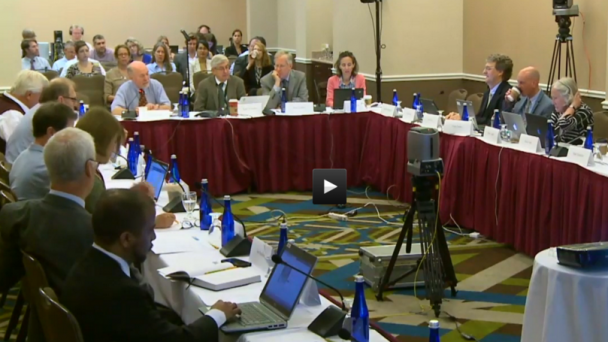
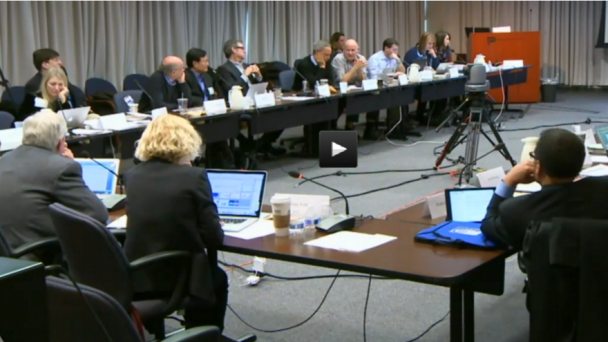
BRAIN MCWG meeting 8.2.16

Summary

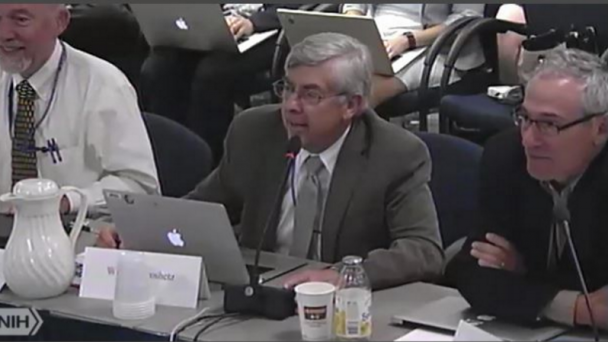
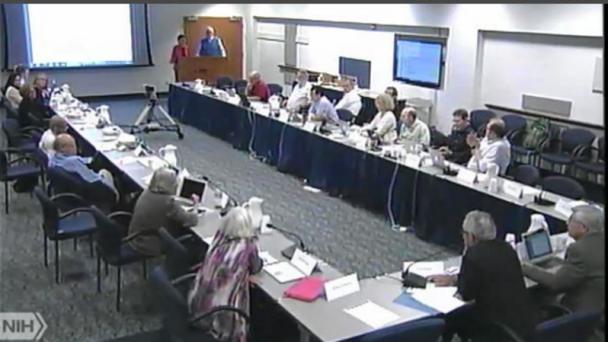
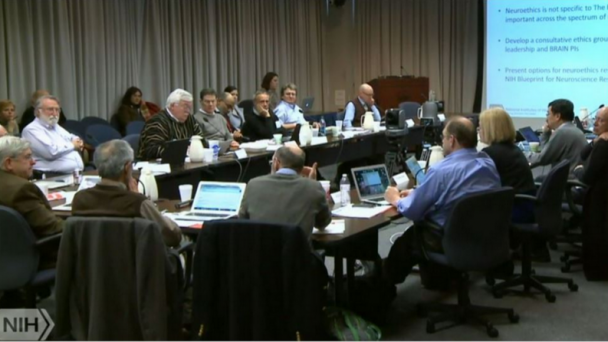
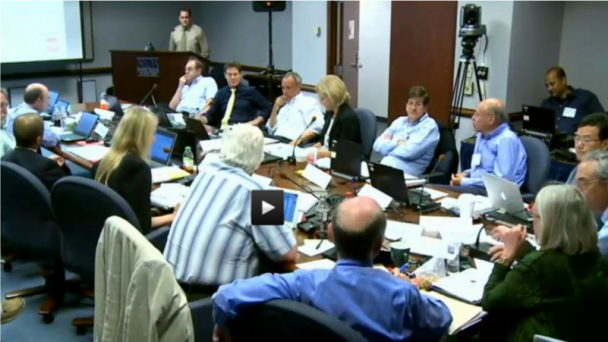
This is open session of the fifth meeting of the NIH BRAIN Multi-council Working Group.

The Multi-Council Working Group provides ongoing oversight of the long-term scientific vision of the BRAIN initiative, as endorsed by the ACD, in the context of the evolving neuroscience landscape. It also serves as a forum for initial “concept clearance,” the review of ideas for new initiatives before they become funding announcements. In addition, the working group ensures that each of the BRAIN IC Advisory Councils is informed about BRAIN Initiatives, awards and progress – a critical point as the individual IC Advisory Councils will perform the formal second level of review of BRAIN Initiative applications. Finally, the working group regularly offers an assessment of the progress of current projects and programs supported by the BRAIN Initiative.


Video

browser does not support iframe

OnAir Post: BRAIN MCWG meeting 8.2.16

MCWG Meeting February 8, 2016


Agenda Summary

Update on BRAIN Overview of BRAIN Award Portfolio Progress and Plans BRAIN Team A: Cell and Circuit Technologies BRAIN Team B: Neural Recording/Modulation Technologies BRAIN Team C: Human Imaging and Non-Invasive Neuromodulation BRAIN Team D: Training BRAIN Team E: Understanding Circuit Function Neuroethics Work Group DOE Partnership Coordination Activities

Videocast

browser does not support iframe


Meeting Overview

The purpose of the meeting is to receive feedback and guidance on funding opportunity announcements, submitted applications, and strategic planning for the NIH component of The BRAIN Initiative. The MCWG is comprised of 10 representatives from the Advisory Councils of the 10 participating BRAIN Institutes/Centers (including NINDS), 5 at-large members, and ex officio representatives from the other participating federal agencies. The meeting will also provide an opportunity for private entities/foundations to present on their contribution to BRAIN, including but not limited to: Allen Brain Institute, Kavli, Simons Foundation, HHMI/Janelia Farms. Information presented and gathered at this meeting will support the development of future funding opportunity announcements for the Initiative, set to continue until 2025.


Agenda

Download (PDF, 392KB)

OnAir Post: MCWG Meeting February 8, 2016

BRAIN Multi-Council Working Group

The working group, co-chaired by NINDS Director Walter Koroshetz and NIMH Director Tom Insel, is composed of 14 outstanding extramural neuroscience researchers and a neuro-ethics expert, in addition to three ex officio members representing Defense Advanced Research Projects Agency (DARPA), US Food & Drug Administration (FDA), and the National Science Foundation (NSF).

OnAir Post: BRAIN Multi-Council Working Group

MCWG Meeting July 30, 2015


NIH BRAIN Initiative Multi-Council Working Group Meeting (MCWG) met on July, 30 2015.

10:15 am – Update on BRAIN 10:30 am – Opportunities for Collaboration 11:40 am – Group Discussion 12:45 pm – Neuroethics 1:15 pm – FY 16 Plans 3:00 pm – FY 17 and Beyond

browser does not support iframe

Meeting Overview

The purpose of the meeting is to receive feedback and guidance on funding opportunity announcements, submitted applications, and strategic planning for the NIH component of The BRAIN Initiative. The MCWG is comprised of 10 representatives from the Advisory Councils of the 10 participating BRAIN Institutes/Centers (including NINDS), 5 at-large members, and ex officio representatives from the other participating federal agencies. The meeting will also provide an opportunity for private entities/foundations to present on their contribution to BRAIN, including but not limited to: Allen Brain Institute, Kavli, Simons Foundation, HHMI/Janelia Farms. Information presented and gathered at this meeting will support the development of future funding opportunity announcements for the Initiative, set to continue until 2025.

Agenda

GDE Error: Error retrieving file – if necessary turn off error checking (404:Not Found)

Videocast

BRAIN Multi-Council Working Group (MCWG) Meeting – Thursday, July 30, 2015Location: 5635 Fishers Lane, Rockville, MD National Institute of Health Rooms 508/509

Description

The purpose ...

OnAir Post: MCWG Meeting July 30, 2015

March 4, 2015 MCWG meeting

On Wednesday, March 4, 2015, the BRAIN Multi-Council Working Group met at the Neuroscience Center Building.

The meeting agenda included discussion of BRAIN research supported by NIH, neuroethics, and presentations on BRAIN-related activities supported by the four additional Federal agencies involved in The BRAIN InitiativeSM: the Defense Advanced Research Projects Agency (DARPA), the National Science Foundation (NSF), the Food and Drug Administration (FDA), and the Intelligence Advanced Research Projects Activity (IARPA).

The meeting was open to the public. The videocast can be seen below. browser does not support iframe

Profiles of the  BRAIN Multi-Council Working Group (MCWG) members and staff can be found here.

BRAIN Multi-Council Working Group Meeting- Wednesday, March 4, 2015

Agenda for meeting

8:30 am Welcome and Update

9:00 am Current NIH BRAIN Activities

FY 2014 Awards, FY 2015 Re-Issues: 1. Cell Census and Tools for Cells and Circuits 2. Recording Modulation Technologies 3. Next Generation Human Imaging 4. Integrated Approaches

FY 2015 New FOAs: 1. New Concepts and Early Stage Research for Recording/Modulation 2. Next Generation Human Devices for Recording/Modulation 3. Short Courses 4. SBIR Announcements

10:30 am BREAK

10:45 am Plans for FY 2016 Summary of plans: 1. Research Opportunities using Invasive Recording/Stimulation in Humans 2. Public-Private Partnerships for Acces to Latest-Generation Devices 3. Foundations of Human Imaging

New concepts: 1. Theories, Models and ...

OnAir Post: March 4, 2015 MCWG meeting

August 25, 2014 MCWG meeting

The purpose of the working group is to provide input on a variety of issues to the advisory councils of the 10 NIH Institutes participating in the BRAIN Initiative.

The meeting included an overview of the BRAIN Initiative, an overview of the working group’s responsibilities, and a discussion of the applications received in response to the NIH’s initial six BRAIN Initiative funding announcements. In the afternoon, concepts for potential future BRAIN funding announcements were presented for input and approval.

Profiles of the  BRAIN Multi-Council Working Group (MCWG) members and staff can be found here.

browser does not support iframe

OnAir Post: August 25, 2014 MCWG meeting

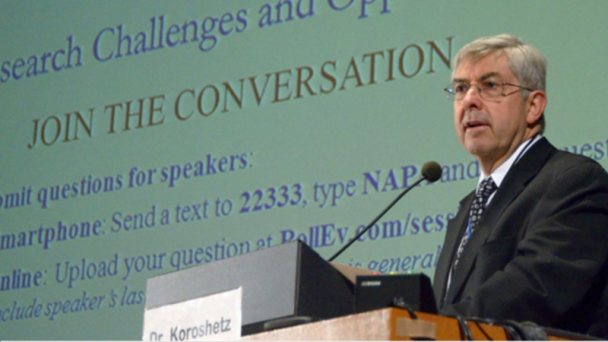
Walter Koroshetz, MD – NINDS


Summary

Director, National Institute of Neurological Disorders and Stroke (NINDS) Co-chair, BRAIN Initiative Multi-Council Working Group (MCWG)

Walter J. Koroshetz, M.D. was selected Director of NINDS on June 11, 2015. Dr. Koroshetz joined NINDS in 2007 as Deputy Director, and he served as Acting Director from October 2014 through June 2015. Before joining NINDS, Dr. Koroshetz served as Vice Chair of the neurology service and Director of stroke and neurointensive care services at Massachusetts General Hospital (MGH).


Information

NINDS Webpage: ninds.nih.gov/find_people/ninds/bio_walter_koroshetz Twitter:  @NINDSdirector

Email: koroshetzw@ninds.nih.gov

Address: NIH/NINDS Building 31, Room 8A52 31 Center Dr MSC 2540 Bethesda, MD 20892


Biosketch

Walter J. Koroshetz, M.D. was selected Director of NINDS on June 11, 2015. Dr. Koroshetz joined NINDS in 2007 as Deputy Director, and he served as Acting Director from October 2014 through June 2015. Previously, he served as Deputy Director of NINDS under Dr. Story Landis. Together, they directed program planning and budgeting, and oversaw the scientific and administrative functions of the Institute. He has held leadership roles in a number of NIH and NINDS programs including the NIH’s BRAIN Initiative, the Traumatic Brain Injury Center collaborative effort between the NIH intramural program and the Uniformed Health Services University, and the multi-year work to develop and establish the NIH Office of Emergency Care Research to coordinate ...

OnAir Post: Walter Koroshetz, MD – NINDS

NINDS Director’s Messages

Messages below from NINDS Director’s Messages

BRAIN 2015 profile of Walter Koroshetz, MD

New Award Creates Stable Funding for Outstanding Neuroscience Investigators

Director’s Messages July 16, 2105 by Walter Koroshetz, Director of NINDS and co-Director of the BRAIN Inititative

As NINDS Director, my goal is to optimize the progress of basic, translational, and clinical neuroscience research. One issue that slows the pace of discovery is that, rather than directly engaging in research, many principal investigators spend a great deal of their time writing and administering grant proposals. This is a consequence not only of the current constrained budget climate, but also of the fact that NIH grants fund individual projects that are relatively short in duration.

We feel that it is time to free up smart, talented people with innovative ideas to focus their time and effort on doing excellent science. To empower investigators to use their time more productively, NINDS is piloting a new funding mechanism – the Research Program Award (RPA) (see FAQs). Rather than funding a single project, an RPA will support an NINDS investigator’s overall research program for up to eight years. This initial pilot program aims to fund up to 30 investigators in FY 2016 who have demonstrated strong potential to ...

OnAir Post: NINDS Director’s Messages

Tom Insel NIMH Blog posts

Tom Insel, while he was Director of NIMH and co-director of the MCWG wrote a number of blog posts that appeared in his blog within the NIMH website.

His BRAIN Initiative related post titles are: ‘The Brain’s Critical Balance’, ‘Early BRAIN Breakthroughs’, ‘BRAIN Awareness’, ‘Creating the Next Generation of Tools’, and ‘New Views into the Brain’.


The Brain’s Critical Balance

Director’s Blog July 29, 2015

We have reached an interesting moment in our quest to understand how the brain works. Our current tools generate an abundance of data, but we are not sure how to turn this data into knowledge. In some ways, neuroscience today is where physics was half a century ago. The physicist Steven Weinberg reminds us, “Rather than being starved for data fifty years ago, we were deluged by data we could not understand. Progress when it came was generally initiated by theoretical advances, with experimentation serving as a referee between competing theories and providing occasional healthy surprises.” While we don’t have a unified field theory of the brain, some of the early projects in the BRAIN Initiative are providing models of how behavior emerges from brain activity.  One of the ...

OnAir Post: Tom Insel NIMH Blog posts

Larry Abbott, PhD – Columbia


William Bloor Professor of Neuroscience, Columbia University College of Physicians and Surgeons Member of BRAIN Multi-Council Working Group (NINDS council)

Dr. Abbott, trained as a physicist, joined Columbia in 2005 as co-director of the Center for Theoretical Neuroscience. Using computational modeling and mathematical analysis, Dr. Abbott explores how single neurons respond to synaptic inputs, how neurons interact in neural circuits, and how large networks of neurons represent, store, and process information.

Web Information

Columbia Webpage:  neurotheory.columbia.edu/~larry/

Contact Information

Email: lfabbott@columbia.edu

Phone: 646-774-7317

Address: Center for Neurobiology and Behavior Department of Physiology and Cellular Biophysics Columbia University College of Physicians and Surgeons Kolb Research Annex, Rm 759 1051 Riverside Drive New York, NY 10032


Biography

Dr. Abbott trained as a physicist and worked in theoretical particle physics at the Stanford Linear Accelerator Center, CERN, the European center for particle physics, and Brandeis. He began his transition to neuroscience research in 1989 and joined Columbia in 2005 as co-director of the Center for Theoretical Neuroscience.

Using computational modeling and mathematical analysis, Dr. Abbott explores how single neurons respond to synaptic inputs, how neurons interact in neural circuits, and how large networks of neurons represent, store, and process information in processes including olfaction, motor-pattern generation, and memory and decision-making.

Dr. Abbott is a faculty member in theNeuroscience and  Physiology & Cellular Biophysics departments at P&S and the ...

OnAir Post: Larry Abbott, PhD – Columbia

Cori Bargmann, PhD – Rockefeller


Torsten N. Wiesel Professor at Rockefeller University and head of the Lulu and Anthony Wang Laboratory of Neural Circuits and Behavior Co-chair of the Advisory Committee to the NIH Director (ACD) and At large member of the Multi-Council Working Group (WCWG) for the BRAIN Initiative

Cori Bargmann was awarded the Kavli Prizein 2012  and the Breakthrough Prize in Life Sciences in 2013.  Cori is known for her work on the behavior in the C. elegans, particularly olfaction in the worm.

Web Information

Rockfeller website:  rockefeller.edu/research/faculty/labheads/CoriBargmann/

HHMI pages: .hhmi.org/scientists/cornelia-i-bargmann

Laboratory of Neural Circuits and Behaviorlab.rockefeller.edu/bargmann/

Wikipedia Entry: en.wikipedia.org/wiki/Cornelia_Bargmann

Contact Information

E-mail: Cori.Bargmann@rockefeller.edu Office Phone: (212) 327-7242 Lab Phone: (212) 327-7411 Address: The Rockefeller University 1230 York Avenue New York, NY 10065


Biography

From the Kavli prize page

Cornelia Isabella Bargmann was born in 1961 in Virginia and raised in Athens, Georgia, where she attended the University of Georgia. She then went north to study cancer-signalling genes and cloned the oncogene HER2, a key factor in breast cancer, in the laboratory of Robert Weinberg at the Whitehead Institute, Massachusetts Institute of Technology.

After receiving her Ph.D. in 1987, Professor Bargmann transferred to the laboratory of H. Robert Horvitz, at MIT, where she became acquainted with the tiny worm C. elegans. Professor Horvitz had already made major contributions to understanding neural ...

OnAir Post: Cori Bargmann, PhD – Rockefeller

Emery Brown, MD, PhD – MIT

Professor of Computational Neuroscience and Health Sciences and Technology, Department of Brain and Cognitive Sciences, MIT-Harvard Division of Health Sciences and Technology At large member of the Multi-Council Working Group

Brown’s lab is using a systems neuroscience approach to study how the state of general anesthesia is induced and maintained. To do so, the lab is using fMRI, EEG, neurophysiological recordings, microdialysis methods and mathematical modeling.

Web Information

MIT Webpage:  bcs.mit.edu/people/brown

Lab page: Neuroscience Statistics Research Lab

Contact Information

Email: enb@neurostat.mit.edu

Address: Building: 46-6079

Research

From MIT webpage

Neural Signal Processing Algorithms

Recent technological and experimental advances in the capabilities to record signals from neural systems have led to an unprecedented increase in the types and volume of data collected in neuroscience experiments and hence, in the need for appropriate techniques to analyze them. Therefore, using combinations of likelihood, Bayesian, state-space, time-series and point process approaches, a primary focus of the research in my laboratory is the development of statistical methods and signal-processing algorithms for neuroscience data analysis.

We have used our methods to:

characterize how hippocampal neurons represent spatial information in their ensemble firing patterns. analyze formation of spatial receptive fields in the hippocampus during learning of novel environments. relate changes in hippocampal neural activity to changes in performance during procedural learning. improve signal extraction from ...

OnAir Post: Emery Brown, MD, PhD – MIT

Mark J Schnitzer, PhD – Stanford


Associate Professor of Biology and Applied Physics, Stanford HHMI Investigator Principal Investigator, Schnizer Group

Dr. Schnitzer has longstanding interests in neural circuit dynamics and optical imaging focusing on: the development and application of fiber-optic, micro-optic, and nanophotonic imaging techniques for studies of learning and memory; in vivo fluorescence imaging and behavioral studies of hippocampal-dependent cognition and learning; and development of high-throughput, massively parallel imaging techniques for studying brain function in Drosophila.


Web Information

Webpage: stanford.edu/dept/app-physics/cgi-bin/person/schnitzer-mark-j/ Stanford School of Medicine webpage: med.stanford.edu/profiles/mark-schnitzer Stanford Neurosciencs Institute Brain Initiative Grant

Contact Information

Email: mschnitz@stanford.edu Phone: 650) 723-4027 Address: James H. Clark Center – Room W080 318 Campus Drive Stanford, CA 94305


Biography

Education

Harvard University Cambridge, MA A.B. summa cum laude 1988-1992 Physics

Cambridge University Cambridge, UK Certificate 1992-1993 Mathematics Princeton University Princeton, NJ M.A. 1993-1994 Physics

Princeton University Princeton, NJ Ph.D. 1994-1999 Physics (advisor: Prof. Steven M. Block)

Positions and Honors

2008-present Investigator, Howard Hughes Medical Institute; Stanford University.

2006-present Janelia Farm Research Campus, Howard Hughes Medical Institute, Scientific Visitor Program, Ashburn VA.

2003-present Assistant Professor, Dept. of Applied Physics and Dept. of Biological Sciences; Faculty Member, Neuroscience Program, Biophysics Program, Stanford Univ., Stanford, CA.

1999-2003 Member of Technical Staff, Physical Sciences Laboratory, Biological Computation Research Department, Bell Laboratories, Lucent Technologies, Murray Hill, NJ.

1994-1999 Ph.D. Research, with Steven M. Block, Dept. of Molecular Biology, ...

OnAir Post: Mark J Schnitzer, PhD – Stanford

David Tank, PhD – Princeton


Henry L. Hillman professor of neuroscience and molecular biology; Co-Director of the Princeton Neuroscience Institute; and Director, Bezos Center for Neural Circuit Dynamics At large Member of Multi-Council Working Group 

Dr Tank’s research interests include the measurement, analysis, and modeling of neural circuit dynamics. More recently, his work has focused on the mechanisms of persistent neural activity and the development and application of rodent virtual reality systems combined with optical imaging and electrophysiology to study neural circuit dynamics during navigation.

Web Information

Department Webpage:   molbio.princeton.edu/faculty/molbio-faculty/136-tank

Tank Lab Webpage: genomics.princeton.edu/tank/

Bezos Center for Neural Circuit Dynamics  Webpage: pni.princeton.edu/centers/bezos-center-neural-circuit-dynamics

Allen Insitute Webpage: alleninstitute.org/our-institute/advisors/profiles/david-tank/

Contact Information

Email: dwtank@princeton.edu

Phone: (609) 258-7371

Address: 156 Neuroscience

Faculty Assistant: Lisa Glassl glass@princeton.edu

Biosketch

Dr. Tank earned his B.S. in Physics and Mathematics at Case Western Reserve University in 1976 and a Ph.D. degree in Physics from Cornell University in 1983. From 1983-2001 he was a research scientist at Bell Laboratories in Murray Hill, NJ, and became a Bell Laboratories Fellow in 1999. From 1991-2001 he served as Department Head of the Biological Computation Research Department. In 2001, he moved to Princeton University, becoming a founding Co-Director of the Princeton Neuroscience Institute in 2005.

Research Focus

MEASUREMENT AND ANALYSIS OF NEURAL CIRCUIT DYNAMICS

Action potentials are a nearly universal form of electrochemical dynamics in ...

OnAir Post: David Tank, PhD – Princeton

Henry T. Greely, JD – Stanford

Professor of Law, Stanford University Director, Center for Law and the Biosciences Director, Stanford Program in Neuroscience and Society (SPINS) At large member, BRAIN Initiative Multi-Council Working Group

Henry Greely specializes in the ethical, legal, and social implications of new biomedical technologies, particularly those related to neuroscience, genetics, or stem cell research.

Web Information

Stanford Webpage:  www.law.stanford.edu/profile/henry-t-greely

SPINS website: https://law.stanford.edu/stanford-program-neuroscience-society/

Stanford Center for Law and the Biosciences (CLB) website: https://law.stanford.edu/center-for-law-and-the-biosciences/

International Neuroethics Society founders: http://www.neuroethicssociety.org/who-are-we

Blog:  blogs.law.stanford.edu/lawandbiosciences/

Twitter: @HankGreelyLSJU

Contact Information

Email: hgreely@stanford.edu

Phone:  650 723.2517

Address: Neukom Building Room N361

BRAIN Blog posts

Turn right at the cerebellum: President Obama maps the brain

Feb. 21, 2013 by Amanda Rubin

This week, the New York Times reported on a new Obama initiative that, in comparison to gun control or the economy, might seem a little frivolous. It’s called the “Brain Activity Map.”

Three Billion Dollars

The name of the project says it all: The goal is to map the connections in the brain in the same way the Human Genome Project mapped out the genes in human DNA. It’s expected to cost about $3 billion dollars over ten years.

If that seems like a pretty heavy price tag for the American people to take on, especially now, just to let scientist go ...

OnAir Post: Henry T. Greely, JD – Stanford

James Eberwine, PhD – Penn Med


Elmer Holmes Bobst Professor of Pharmacology and Co-Director of the PENN Genome Frontiers Institute Member of BRAIN Multi-Council Working Group (NIAAA council)

Dr. Eberwine is a molecular neurobiologist whose research efforts focus on understanding the functioning of individual neurons and subregions of neurons, called dendrites, by using molecular biological tools. He has developed various analytical procedures that permit characterization of the mRNA and protein complement of single cells.

Web Information

Penn Webpage: med.upenn.edu/cbir/JamesEberwine

Contact Information

Email: eberwine@upenn.edu

Address: Center for Brain Injury and Repair Department of Neurosurgery University of Pennsylvania Medical Center 105 Hayden Hall, 3320 Smith Walk Philadelphia, PA 19104-6316

Biography

Dr. Eberwine is a molecular neurobiologist whose research efforts focus on understanding the functioning of individual neurons and subregions of neurons, called dendrites, by using molecular biological tools. He has developed various analytical procedures that permit characterization of the mRNA and protein complement of single cells. Dr. Eberwine serves on various review and advisory committees and has served as a member of the Board of Scientific Counselors for the National Institute on Drug Abuse. Among several honors, he has received a MERIT award from the National Institutes of Health, a Pioneer Award from NIH Director’s office and is the recipient of a EUREKA grant and Ellison Foundation Senior Scholar in Aging award.


OnAir Post: James Eberwine, PhD – Penn Med

Bin He, PhD – University of Minnesota


Professor of Biomedical Engineering; Chair for Engineering in Medicine; Director, Institute for Engineering in Medicine; and Director, Center for Neuroengineering Member of Multi-Council Working Group (NCCAM council)

Bin He’s major research interests are in the field of neuroengineering and biomedical imaging. Together with his co-workers, he has made significant contributions to the development of electrophysiological functional imaging, multimodal imaging, cardiac electric imaging, and neuroengineering.

Web Information

Department Webpage: bme.umn.edu/people/faculty/he

Lab website: Biomedical Functional Imaging and Neuroengineering Lab

Contact Information

Email: binhe@umn.edu

Phone: 612-626-1115

Address: 6-124 Nils Hasselmo Hall 312 Church St. SE Minneapolis, MN 55455

Biomedical Imaging and Neuroengineering

Functional Neuroimaging

Brain activation is a spatio-temporally-distributed process. Recent advances in medical imaging technology, especially functional MRI, have greatly increased our ability to image brain functions with high spatial resolution but with limited temporal resolution. Electrophysiological recordings such as EEG, on the other hand, offer millisecond temporal resolution in detecting and characterizing brain activity. Our approach is to achieve high resolution spatio-temporal functional neuroimaging by solving the “inverse” problem of the brain from scalp recorded EEG with the aid of MR images. Innovation in engineering methods has led to greatly enhanced spatial resolution of brain electrical imaging, which has been applied to aid presurgical planning in epilepsy patients. Furthermore, we are developing multimodal neuroimaging methods ...

OnAir Post: Bin He, PhD – University of Minnesota

Bradley Hyman, MD, PhD – Mass General


Director, Massachusetts Alzheimer’s Disease Research Center & Co-Director, MGH Memory Disorders Unit & Professor of Neurology, Harvard Medical School Member of Multi-Council Working Group (NIA council)

Brad Hyman studies the anatomical and molecular basis of dementia in Alzheimer’s disease, and Dementia with Lewy Bodies. His research includes a collaborative of several labs working on different aspects of neurodegenerative disease and dementia.

Web Information

Department of Neurology Webpage:  massgeneral.org/neurology/researcher_profiles/hyman_bradley

Alzheimer’s Disease Research Center Webpage: madrc.mgh.harvard.edu/bradley-t-hyman-md-phd

MIND Webpagemghmind.org/faculty

Contact Information

Email: bhyman@partners.org

Phone:  (617) 726-2299

Address: Massachusetts General Hospital Mass General Institute for Neurodegeneration, Rm 2009 114 16th Street Charlestown, MA 2129

Research Interests

Brad Hyman studies the anatomical and molecular basis of dementia in Alzheimer’s disease, and Dementia with Lewy Bodies. His research includes a collaborative of several labs working on different aspects of neurodegenerative disease and dementia. He also has a clinical practice in the Memory and Disorder Unit at the Massachusetts General Hospital devoted towards the care of patients with dementia.

Publications

Blom ES, Giedraitis V, Zetterberg H, Fukumoto H, Blennow K, Hyman BT, Irizarry MC, Wahlund LO, Lannfelt L, Ingelsson M.  Rapid Progression from Mild Cognitive Impairment to Alzheimer’s Disease in Subjects with Elevated Levels of Tau in Cerebrospinal Fluid and the APOE Epsilon 4/Epsilon 4 Genotype.  Dement Geriatr ...

OnAir Post: Bradley Hyman, MD, PhD – Mass General

Frances E. Jensen, MD – Penn Medicine


Member of Multi-Council Working Group (NICHD council)

The primary focus of my research is to investigate pathophysiological mechanisms of epilepsy and stroke, and secondary effects on synaptic plasticity. A secondary goal is to elucidate age-dependent differences in such mechanisms, and to examine the interactions between brain development, excitotoxic brain injury, epilepsy and cognition.

Web Information

Department of Neurology Webpage: med.upenn.edu/apps/faculty/index.php/g324/p8577612

Penn Medicine Neuroscience Center: uphs.upenn.edu/neuroscience-center/about/administration

Jensen Lab: med.upenn.edu/jensenlab/

Contact Information

Phone: 215-662-3360

Address: Perelman School of Medicine Department of Neurology 3 West Gates Building 3400 Spruce Street Philadelphia, PA 19104

Biography

Dr. Jensen is Professor of Neurology and Chair of Neurology at the Perelman School of Medicine, University of Pennsylvania.  She was formerly Professor of Neurology, Harvard Medical School and Director of Translational Neuroscience and Director of Epilepsy Research at Boston Children’s Hospital and senior neurologist at Boston Children’s Hospital and the Brigham and Women’s Hospital. She is a graduate of Cornell Medical College and did her neurology residency training at the Harvard Longwood Neurology Residency Program.  Her research focuses on mechanisms of epilepsy and stroke, with specific emphasis on injury in the developing brain as well as age specific therapies for clinical trials development.  She received a 2007 Director’s Pioneer Award from the NIH to explore the interaction between epileptogenesis and cognitive ...

OnAir Post: Frances E. Jensen, MD – Penn Medicine

Storey Landis, PhD – NINDS


Former Director of the National Institute of Neurological Disorders and Stroke (NINDS) at the National Institutes of Health. At Large Member of Multi-Council Working Group 

Neurobiologist Story Landis has spent 19 years at the NINDS, becoming its director in 2003 after 8 years as scientific director. She helped develop NIH programs for young investigators, coordinated neuroscience research across NIH, served as point person for human embryonic stem cell research, and steered an effort to improve the reproducibility of preclinical studies.

Biosketch

From Wikipedia on July 18, 2015

Story Landis is an American neurobiologist and former director of the National Institute of Neurological Disorders and Stroke at the National Institutes of Health. She was director of the institute between September 1, 2003 and October 2014. Dr. Landis worked at NINDS since 1995, and was named Chair of the NIH Stem Cell Task Force in 2007.

She received her undergraduate degree in biology from Wellesley College in 1967 and her Master’s Degree and Ph.D. from Harvard University. Her doctoral work at Harvard focused on cerebellar development in mice. She was a postdoctoral fellow at Harvard, where she studied transmitter plasticity in sympathetic neurons.

Dr. Landis served as a professor in the Department of Neurobiology at Harvard Medical School ...

OnAir Post: Storey Landis, PhD – NINDS

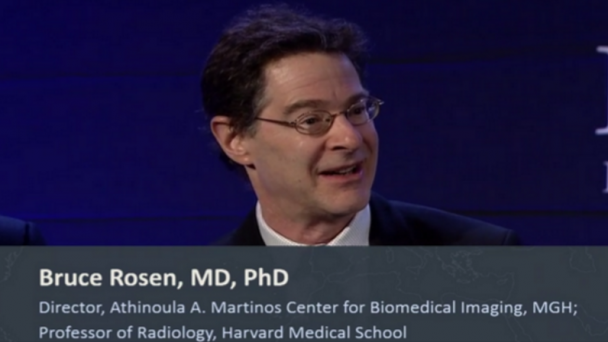
Bruce Robert Rosen, MD, PhD – Mass General


Professor in Radiology, Harvard Medical School and Director, Athinoula A. Martinos Center for Biomedical Imaging Member of Multi-Council Working Group (NIBIB council)

Dr. Rosens’s research for the past thirty years has focused on the development and application of physiological and functional nuclear magnetic resonance techniques, as well as new approaches to combine functional MRI data with information from other modalities such as positron emission tomography (PET), magnetoencephalography (MEG) and noninvasive optical imaging.

Web Information

 Martinos Center for Biomedical Imaging Webpage:  martinos.org/user/5052

Dana Farber/Harvard Cancer Center Webpage: dfhcc.harvard.edu/insider/member-detail/member/bruce-r-rosen-md-phd/

Contact Information

Email: bruce@nmr.mgh.harvard.edu

Phone: 617-726-5122

Address: 149 Thirteenth Street, Rm 2301 Charlestown, MA 02129

Research Abstract

Angiogenesis is a critical process for solid tumors to grow leading to the formation of a high density hyperpermeable network of microvessels with abnormal geometry. The chaotic proliferation of tumor vessels causes regional changes in blood volume and tissue perfusion that can be mapped with magnetic resonance (MR) imaging and other techniques. My research for the past thirty years has focused on the development and application of physiological and functional nuclear magnetic resonance techniques, as well as new approaches to combine functional MRI data with information from other modalities such as positron emission tomography (PET), magnetoencephalography (MEG) and noninvasive optical imaging. In addition to developmental work to advance these techniques, my research ...

OnAir Post: Bruce Robert Rosen, MD, PhD – Mass General

Robert Shannon, PhD – USC

Research Professor, USC Otolaryngology and USC Biomedical Engineering and Adjunct Professor, USC Neuroscience Member of Multi-Council Working Group (NIDCD council)

Dr. Shannon’s research has focused primarily on prosthetic electrical stimulation to restore hearing: cochlear implants, brainstem implants and midbrain implants. His research programs range from the biophysics and psychophysics of electrical stimulation of the auditory system, to speech pattern recognition and the design of signal processing for prosthetic devices.

Web Information

Otolaryngology Webpage: ngp.usc.edu/faculty/profile/?fid=77

Biomedical Engineering Webpage: bme.usc.edu/directory/faculty/research-adjunct/

Contact Information

Email: rshannon@usc.edu

Phone:  (213) 764-2825)

Address: USC Otolaryngology 806 W. Adams Blvd. Los Angeles, CA 90007

Research Overview

I am interested in how auditory information is coded in the nervous system. My original research attempted to find common elements in physiological responses and perception of acoustic sound. Since 1977 my research has focused primarily on prosthetic electrical stimulation to restore hearing: cochlear implants, brainstem implants and midbrain implants. My research programs range from the biophysics and psychophysics of electrical stimulation of the auditory system, to speech pattern recognition and the design of signal processing for prosthetic devices. Research on auditory prostheses spans the fields of biomedical engineering, anatomy, physiology, psychophysics, perceptual object formation and pattern recognition. Artificial activation of a sensory system at different levels of processing can reveal the importance of various cues to auditory perception. ...

OnAir Post: Robert Shannon, PhD – USC

Rafael Yuste, MD, PhD – Columbia


Summary

Professor, Biological Sciences and Neuroscience and Co-Director, Kavli Institute for Brain Science at Columbia University Member, Multi-Council Working Group (BRAIN Initiative) Member, Advisory Committee to the Director (NIH)

Dr. Yuste has pioneered the application of imaging techniques, such as calcium imaging of neuronal circuits, two-photon imaging, photostimulation using caged compounds and holographic spatial light modulation microscopy.


Information

Columbia/Kavli Webpage: kavli.columbia.edu/leadership/yuste Lab Webpage: columbia.edu/cu/biology/faculty/yuste/ Allen Institute Webpage: alleninstitute.org/our-institute/advisors/profiles/rafael-yuste/ Twitter:  @yusterafa

Email: rafaelyuste@columbia.edu Phone: 212-854-5023 Address: 901 NWC Building 550 West 120th Street New York, NY 10027

Research

The goal of Dr. Yuste’s research is to understand the function of the cortical microcircuit. The cortex constitutes the larger part of the brain in mammals. In humans it is the primary site of mental functions like perception, memory, control of voluntary movements, imagination, language and music. No accepted unitary theory of cortical function exists yet; nevertheless, the basic cortical microcircuitry develops in stereotyped fashion, is similar in different cortical areas and in different species, and has apparently not changed much in evolution since its appearance. At the same time, the cortex participates in apparently widely different computational tasks, resembling a “Turing machine”. Because of this, it is conceivable that a “canonical” cortical microcircuit may exist and implement a relatively simple, and flexible, computation.

We pursue the reverse-engineering of the ...

OnAir Post: Rafael Yuste, MD, PhD – Columbia

James Olds

Information

Web: Schar  School page  NSF Announcement  LinkedIn page Krasnow Institute Website    Decade of the Mind

Email:  jolds@gmu.edu Phone: Address

NSF Press Release

Press Release 14-110

September 3, 2014

The National Science Foundation (NSF) has selected George Mason University’s James L. Olds to serve as assistant director for the Directorate for Biological Sciences (BIO). BIO’s mission is to enable discoveries for understanding life. BIO-supported research advances the frontiers of biological knowledge, increases our understanding of complex systems, and provides a theoretical basis for original research in many other scientific disciplines.

Olds is a director and chief academic unit officer at the Krasnow Institute for Advanced Study, a position he has held for 15 years. He is also the Shelley Krasnow University Professor of Molecular Neuroscience. The international Decade of the Mind project was begun under his leadership at Krasnow, which helped shape President Obama’s BRAIN Initiative.

“Dr. Olds has a strong record of academic leadership with an institution that has grown its global presence during his tenure,” said NSF Director France A. Córdova. “In addition to his leadership, his commitment to interdisciplinary research at Krasnow and his experience with developing scientific policy will be of great benefit to NSF and ...

OnAir Post: James Olds

Carlos Peña, PhD – FDA


Director, Division of Neurological and Physical Medicine Devices; Office of Device Evaluation; Center for Devices and Radiological Health; MetroHealth Medical Center – Food and Drug Administration Ex Officio Member of Multi-Council Working Group 

Dr. Peña is involved in all aspects of the safety and effectiveness review of neurostimulation, neurodiagnostic, neurosurgical, neurotherapeutic, and physical medicine devices. He also serves as a Principal Investigator on a FDA sponsored clinical study focused on the treatment of pediatric neurologic disorders.

Web Information

Office of Device Evaluation Webpage: fda.gov/AboutFDA/CentersOffices/

Contact Information

Email:

Phone: 301-796-6610

Address: U.S. Food and Drug Administration 10903 New Hampshire Avenue Silver Spring, MD 20993

Biosketch

Dr. Carlos Peña is Division Director for the Division of Neurological and Physical Medicine Devices, in the Office of Device Evaluation, Center for Devices and Radiological Health (CDRH), at the U.S. Food and Drug Administration (FDA). Dr. Peña is involved in all aspects of the safety and effectiveness review of neurostimulation, neurodiagnostic, neurosurgical, neurotherapeutic, and physical medicine devices. He also serves as a Principal Investigator on a FDA sponsored clinical study focused on the treatment of pediatric neurologic disorders.

Prior to joining CDRH, Dr. Peña served on detail as Assistant Director for Emerging Technologies in the Office of Science and Technology Policy (OSTP), in the Executive Office of the President of the United States. His areas ...

OnAir Post: Carlos Peña, PhD – FDA

Justin Sanchez, PhD – DARPA


DARPA program manager exploring neurotechnology, brain science and systems neurobiology, formerly Director of the Neuroprosthetics Research Group at Miami Ex Officio Member of Multi-Council Working Group 

Dr. Sanchez has developed new methods for signal analysis and processing techniques for studying the unknown aspects of neural coding and functional neurophysiology. His experience covers in vivo electrophysiology for brain-machine interface design in animals and humans.

Web Information

DARPA Webpage:  darpa.mil/staff/dr-justin-sanchez

Neuroprosthetics Research Group Webpage: bme.miami.edu/nrg/faculty/faculty_list

Webpage:

Contact Information

Email:

Phone: 703.526.6630 (main number)

Address: 675 North Randolph Street Arlington, VA 22203-2114

Biosketch

Dr. Justin Sanchez joined DARPA as a program manager in 2013 to explore neurotechnology, brain science and systems neurobiology.

Before coming to DARPA, Dr. Sanchez was an Associate Professor of Biomedical Engineering and Neuroscience at the University of Miami, and a faculty member of the Miami Project to Cure Paralysis. He directed the Neuroprosthetics Research Group, where he oversaw development of neural-interface medical treatments and neurotechnology for treating paralysis and stroke, and for deep brain stimulation for movement disorders, Tourette’s syndrome and Obsessive-Compulsive Disorder.

Dr. Sanchez has developed new methods for signal analysis and processing techniques for studying the unknown aspects of neural coding and functional neurophysiology. His experience covers in vivo electrophysiology for brain-machine interface design in animals and humans where he studied the activity ...

OnAir Post: Justin Sanchez, PhD – DARPA

R. Jacob Vogelstein


Summary

Program Manager, Office of Safe and Secure Operations, Intelligence Advanced Research Projects Activity (IARPA) Multi-Council Working Group (staff), BRAIN Initiative

As an IARPA Program Manager, Dr. Vogelstein’s areas of interest include neural computing, neuromorphic hardware, neuromimetic algorithms, brain-computer interfaces, neural prosthetics, and other topics in applied neuroscience.


Information

IARPA Webpage: iarpa.gov/index.php/research-programs/microns

LinkedIn Webpage: linkedin.com/pub/r-jacob-vogelstein/4/21b/658

Email: jacob.vogelstein@iarpa.gov Phone: 301-851-7497 Address: Intelligence Advanced Research Projects Activity Gate 5, 1000 Colonial Farm Rd. McLean, VA 22101

Biosketch

Partner

Gamma3 LLC July 2012 – Present (3 years 1 month)Baltimore, MD

Early-stage venture capital for Baltimore-based technology companies in all sectors.

Assistant Research Professor

Johns Hopkins University January 2008 – November 2013 (5 years 11 months)Department of Electrical and Computer Engineering

 Direct the Laboratory for Cross-disciplinary Research in Applied Neuroscience and Neural Engineering.  Oversee and advise research activities of post-doctoral, graduate, and undergraduate students enrolled in academic study programs at the Johns Hopkins University Whiting School of Engineering.  Teach two courses: Product Design Lab (520.427) and Brain-Computer Interfaces (520.671)
Program Manager, Applied Neuroscience

Johns Hopkins University Applied Physics Laboratory

January 2007 – November 2013 (6 years 11 months) | Research and Exploratory Development Department

 Responsible for conception, technical oversight, and management of a diverse portfolio of cutting-edge research and development programs in applied neuroscience and biomedical engineering. Duties include: o Establishing ...

OnAir Post: R. Jacob Vogelstein

Alan Willard, PhD – NINDS


Acting Deputy Director, NINDS, Office Of The Director Designated Federal Official for the Multi-Council Working Group

Dr. Willard served as the Deputy Director of the NINDS Extramural program, Chief of the Scientific Review Branch and the Referral Officer for NINDS. He was a tenured faculty member at the University of North Carolina at Chapel Hill in the Department of Cell & Molecular Physiology and the Curriculum in Neurobiology, where his research interests were in the areas of developmental neurobiology and synaptic physiology.

Web Information

NIH Webpage:  ninds.nih.gov/find_people/ninds/srabio_alan_willard

Contact Information

Email: aw135y@nih.gov

Phone:  301-496-9248

Address: NIH/NINDS Building 31, Room 8A52 31 Center Dr MSC 2540 Bethesda, MD 20892-2540

Biosketch

Dr. Alan Willard is the Acting Deputy Director of NINDS.  Prior to this position, he served as the Deputy Director of the NINDS Extramural program, Chief of the Scientific Review Branch and the Referral Officer for NINDS. He previously worked as the Scientific Review Officer of the NINDS NSD-C study section. Before joining NINDS, he was a tenured faculty member at the University of North Carolina at Chapel Hill in the Department of Cell & Molecular Physiology and the Curriculum in Neurobiology, where his research interests were in the areas of developmental neurobiology and synaptic physiology. He was also actively involved in graduate and medical student education ...

OnAir Post: Alan Willard, PhD – NINDS

Greg Farber, PhD – NIMH


Director, Office of Technology Development and Coordination for National Institute of Mental Health (NIMH) Multi-Council Working Group (Staff)

While at Penn State, Dr. Farber’s research included work on structural movies of enzyme action, molecular evolution, and mechanistic enzymology. As Director of TDC, he is responsible for coordinating all technology development and bioinformatics activities at NIMH, overseeing the National Database for Autism Research, managing the Human Connectome Project on behalf of the NIH Neuroscience Blueprint, and overseeing the NIMH small-business program.

Web Information

NIMH Webpage:  nimh.nih.gov/about/organization/od/office-of-technology-development-and-coordination-otdc

Contact Information

Email: FarberG@mail.nih.gov

Phone: 301-435-0778

Address: 6001 Executive Boulevard, Room 7162, MSC 9640 Bethesda, MD 20892-9663

Biosketch

Dr. Farber has a B.S. from the Pennsylvania State University (Penn State) in chemistry (1984) and a Ph.D. from the Massachusetts Institute of Technology in physical chemistry (1988). His research in graduate school involved determining the three-dimensional structure and mechanism of the enzyme xylose isomerase in the laboratory of Dr. Gregory A. Petsko. After graduate school, Dr. Farber received a Life Sciences Research Fellowship to work on mechanistic enzymology with Dr. W. W. Cleland at the University of Wisconsin. Following his postdoctoral fellowship, he returned to Penn State as an Assistant Professor of Biochemistry and rose to the rank of Associate Professor with tenure in 1998. Dr. Farber’s research included ...

OnAir Post: Greg Farber, PhD – NIMH

Kip Ludwig


Summary

Program Director, Neural Engineering at the National Institute of Neurological Disorders and Stroke (NINDS), National Institutes of Health (NIH) Staff, Multi-Council Working Group 

Dr. Ludwig is the Scientific Lead for the Translational Devices Program at NINDS, is a Co-Lead of the Project Team responsible for developing and executing three of the six NIH Funding Opportunities Announcements for the B.R.A.I.N. Initiative, and led a trans-NIH planning team in developing the ~$250M Stimulating Peripheral Activity to Relieve Conditions (SPARC) Program to stimulate advances in neuromodulation therapies for organ systems.  

Information

NINDS webpageninds.nih.gov/find_people/ninds/pdbio_kip_ludwig.htm Neural Interfaces webpage: ninds.nih.gov/research/npp/ LinkedIn pagehttps://www.linkedin.com/pub/kip-ludwig/4/6b9/b6

Email: kip.ludwig@nih.gov Phone: 301-496-1447 and 301-480-1080 Address: NIH/NINDS Neuroscience Center, Room 2207 6001 Executive Blvd MSC Bethesda, MD 20892

Biography

Prior to coming to the NIH, Dr. Ludwig worked in Industry as a research scientist, where his team conceived, developed and demonstrated the chronic efficacy of a next-generation neural stimulation electrode for reducing blood pressure in both pre-clinical and clinical trials. Through his industry work he oversaw Good Laboratory Practice (GLP) and non-GLP studies enabling clinical trials in Europe and the United States, as well as participated in the protocol development and execution of those trials, leading to approval for sale in the European Union and a U.S. Pivotal trial. His electrode concept is now for sale in seven countries around ...

OnAir Post: Kip Ludwig

Edmund Talley, PhD – NINDS


Program Director, Extramural Research Program for National Institute for Neurological Disorders and Stroke (NINDS) Multi-Council Working Group (Staff)

Dr. Talley was a Research Assistant Professor at UVA and initiated investigations into the CNS functions of two-pore-domain potassium channels, with an emphasis on their modulation by neurotransmitters and clinically important drugs. His work on these channels included extensive mapping of their CNS expression patterns, identification of molecular bases for their modulation using mutational and biochemical analyses, and investigations into their functions in vivo by generating knockout mouse lines.

Web Information

NINDS Webpage: ninds.nih.gov/find_people/ninds/pdbio_edmund_talley

Contact Information

Email: talleye@ninds.nih.gov

Phone: 301-496-1917

Address: NIH/NINDS Neuroscience Center, Room 2132 6001 Executive Blvd MSC 9521 Bethesda, MD 20892-9521

Biosketch

Specialties: synaptic transmission, neuromodulation, signal transduction

Edmund (Ned) Talley joined the NINDS in 2005 as a Program Director for Channels, Synapses and Circuits. His program at the NINDS is focused on basic research in synaptic transmission and neuromodulation. Dr. Talley received his Ph.D. in 2001 from the University of Virginia, where he studied the physiology and pharmacology of motor neurons involved in respiration. After his Ph.D., he remained at UVA as a Research Assistant Professor, and initiated investigations into the CNS functions of two-pore-domain potassium channels, with an emphasis on their modulation by neurotransmitters and clinically important drugs. His work on these channels included extensive mapping ...

OnAir Post: Edmund Talley, PhD – NINDS

Christine Grady, RN/PhD – NIH

Chief of the Department of Bioethics at the National Institutes of Health Clinical Center.  Co-chair of Neuroethics Committee, MCWG – BRAIN Inititative

Dr. Grady’s research focuses on the ethics of clinical research, especially subject recruitment, incentives, vulnerability, informed consent, and international research ethics. She is currently a member of the Presidential Commission for the Study of Bioethical Issues; and also a senior research fellow at the Kennedy Institute of Ethics and an elected fellow at the American Academy of Nursing and at the Hastings Center.

Web Information

NIH Webpagebioethics.nih.gov/people/grady-bio

Presidential Commision page:  bioethics.gov/christine-grady

NIH Clinical Center pageclinicalcenter.nih.gov/about/SeniorStaff/christine_grady

Contact Information

Email:  cgrady@cc.nih.gov

Phone:  301-496-2429

Address: 10 Center Drive Bethesda, MD 20892

Biosketch

Dr. Christine Grady is chief of the Clinical Center’s Department of Bioethics. Her research focuses on research subject recruitment, incentives, vulnerability, and international research ethics. Dr. Grady has written widely in books and scholarly journals on topics in bioethics, HIV disease, and nursing.

Dr. Grady received a bachelor’s degree in nursing and biology from Georgetown University, a master’s degree in community health nursing from Boston College, and a doctoral degree in philosophy and bioethics from Georgetown University.

She is currently a member of President Obama’s Commission for the Study of Bioethical Issues. She is a senior research fellow at the Kennedy Institute ...

OnAir Post: Christine Grady, RN/PhD – NIH

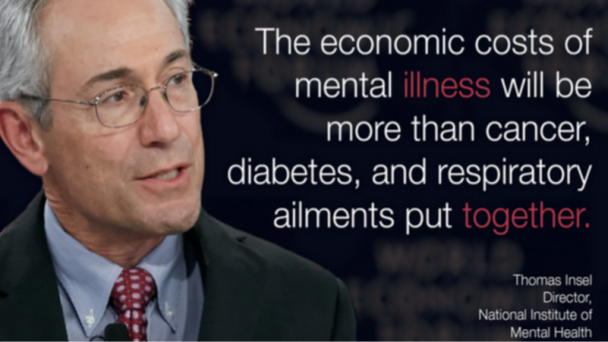
Thomas Insel, MD – Verily


Lead, Google Life Sciences Division Former Director of the National Institute of Mental Health (NIMH) Formerly Co-chair, BRAIN Initiative Multi-Council Working Group (MCWG)

Thomas R. Insel, M.D., was former Director of NIMH, the component of the National Institutes of Health charged with generating the knowledge needed to understand, treat, and prevent mental disorders. His tenure at NIMH had been distinguished by groundbreaking findings in the areas of practical clinical trials, autism research, and the role of genetics in mental illnesses.


Web Information

Wikipedia pagewikipedia.org/wiki/Thomas_R._Insel

NIMH Webpage:  nimh.nih.gov/about/director

Blog: nimh.nih.gov/about/director/

Twitter:  @NIMHgov

Contact Information

Email: thomas.insel@nih.gov


Biosketch

Prior to his appointment as NIMH Director in the Fall 2002, Dr. Insel was Professor of Psychiatry at Emory University. There, he was founding director of the Center for Behavioral Neuroscience, one of the largest science and technology centers funded by the National Science Foundation and, concurrently, director of an NIH-funded Center for Autism Research. From 1994 to 1999, he was Director of the Yerkes Regional Primate Research Center in Atlanta. While at Emory, Dr. Insel continued the line of research he had initiated at NIMH studying the neurobiology of complex social behaviors. He has published over 250 scientific articles and four books, including the Neurobiology of Parental Care (with Michael ...

OnAir Post: Thomas Insel, MD – Verily

Skip to toolbar