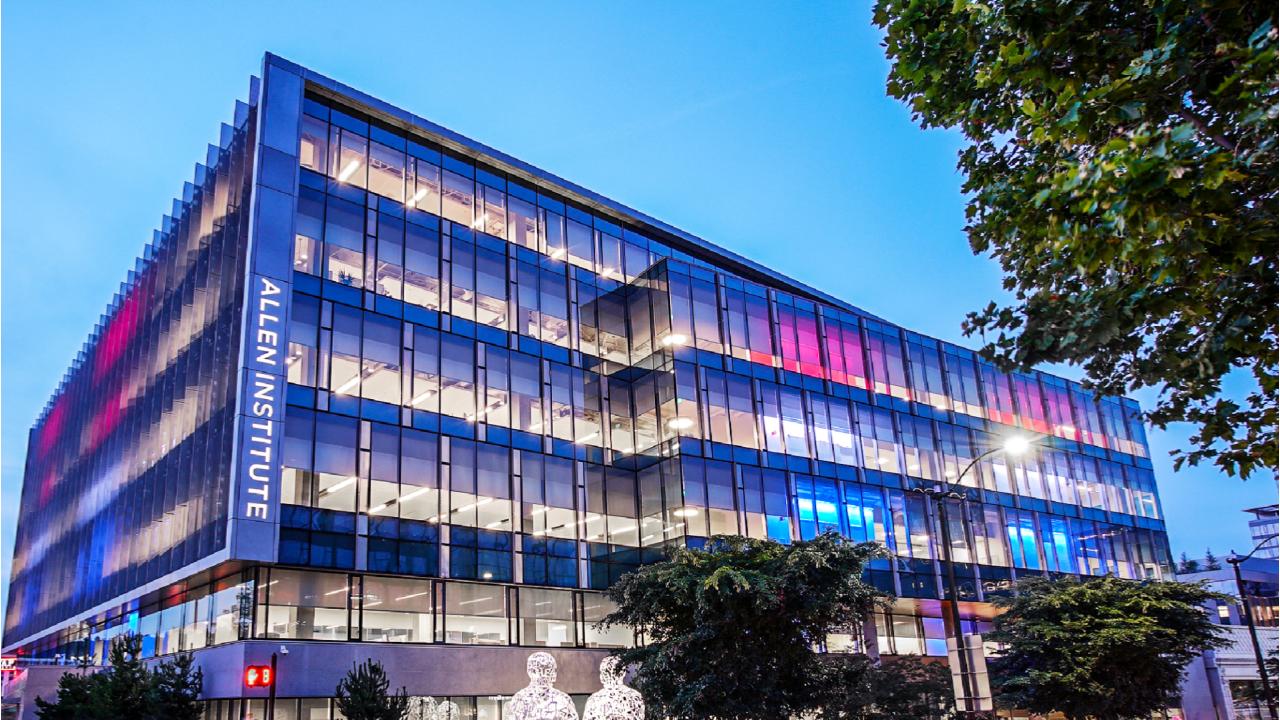
Allen Institute


Summary

Allen Institute’s mission is to accelerate the understanding of how the human brain works in health and disease. Allen has been a major catalyst and facilitator of The BRAIN Initiative.

Launched in 2003 with a seed contribution from founder and philanthropist Paul G. Allen, the Allen Institute takes on large-scale initiatives designed to push brain research forward, enabling the global scientific community to more efficiently make discoveries that bring real-world utility.

https://www.youtube.com/watch?v=bmO8-17K8jsVideo can’t be loaded because JavaScript is disabled: Allen Institute for Brain Science: Understanding the Brain (https://www.youtube.com/watch?v=bmO8-17K8js)

Information

Main Website:  alleninstitute.org Allen Brain Atlas Website:  brain-map.org BRAIN Intitiative Grant – Establishing a Comprehensive and Standardized Cell Type Characterization Platform” Twitter: twitter.com/Allen_Institute YouTube Channel:  https://www.youtube.com/user/AllenInstitute Facebook: facebook.com/AllenInstitute Wikipedia Entry: wiki/Allen_Institute_for_Brain_Science

Phone:  (206) 548-7000

Address: Mercer St. and Westlake Avenue North Seattle. Washington


Organization

Founder: Paul Allen

Founder, President and Chairman: Joyce Allen

Chief Executive Officer: Allan Jones, Ph.D.

Chief Technlogy Officer: Chinh Dang

Chief Scientific Officer: Christof Koch, Ph.D.

Chief Operating Officer: David Poston


Research

The ...

OnAir Post: Allen Institute

Neuroscience at University of Chicago

Some of the more significant neuroscience research centers include: the Center of Cognitive & Social Neuroscience; Center for Integrative Neuroscience and Neuroengineering; Brain Research Imaging Center; Center for Integrative Neuroscience and Neuroengineering; Center for Peripheral Neuropathy;  and the Grossman Institute for Neuroscience, Quantitative Biology and Human Behavior.

OnAir Post: Neuroscience at University of Chicago

BU Neuroscience

Boston University is creating a new Center for Integrated Life Science and Engineering (CILSE) for interdisciplinary research which will bring together outstanding scientists and engineers from across the University to work collaboratively in the areas of neuroscience and biological design.

CILSE will comprise 170,000 square feet. Its core resources will include a shared equipment facility for Cognitive Neuroimaging. Three new research Centers will be launched including the Center for Systems Neuroscience and the Center for Sensory Communication and Neural Technology.


Web Information

BU Neuroscience Website:  http://www.bu.edu/neuro/

Graduate Program for Neuroscience:  http://www.bu.edu/neuro/graduate/

Center for Systems Neuroscience:  http://www.bu.edu/csn/

Center for Sensory Communication and Neural Technology (formerly CompNet):  http://compnet.bu.edu/


Contact Information

Director of Graduate Program for Neuroscience, Shelley Russek: srussek@bu.edu

Director of Center for Systems Neuroscience, Michael Hasselmo:  hasselmo@bu.edu

Director of Center for Sensory Communication and Neural Technology, Barbara Shinn-Cunningham: shinn@bu.edu


BU Neuroscience

The Neuroscience Mission of BU resonates with a shared belief that major discoveries will come from innovative thinking and an interdisciplinary community of faculty and students.

The broad range of neuroscience research at BU is coordinated through a unified community of investigators from multiple research groups of our Charles River and MED campuses.

Centers bridge the efforts of  individual laboratories and their leaders via scientific retreats, innovative workshops, and collaborative research grants that stimulate ...

OnAir Post: BU Neuroscience

Brandeis University

Brandeis University has a highly interactive research culture, with many cross-lab interactions and collaborations. This interactive culture begins with the rotation program: all first-year PhD students perform rotations in 4 research labs.

Brandeis has significant expertise in behavioral/cognitive neuroscience, cellular and molecular neuroscience, computational neuroscience and systems neuroscience (including the Sloan-Swartz Center for Theoretical Neuroscience), and developmental neuroscience.

Web Information

Website:   http://www.bio.brandeis.edu/grad/neuro/index.html BRAIN Grant – “Combining genetics, genomics, and anatomy to classify cell types across mammals”

Contact Information

Email: scigradoffice @ brandeis.edu Phone: (781) 736-2000 Address:415 South Street, Waltham, MA

Graduate Program

The Graduate Program in Neuroscience brings together students from a variety of intellectual backgrounds — including biology, computer science, chemistry, engineering, genetics, physics, and psychology — who conduct interdisciplinary research to understand the fundamental principles of the nervous system.

Students entering the Neuroscience Program at Brandeis have opportunities to work in a range of fields, including cognitive neuroscience in humans, neurophysiology in behaving animals, the physiology and theory of synapses and networks, the structure and function of ion channels, and the neurogenetics of behavior. Brandeis has significant expertise inbehavioral/cognitive neuroscience, cellular and molecular neuroscience, computational neuroscience and systems neuroscience (including the Sloan-Swartz Center for Theoretical Neuroscience), and developmental neuroscience.

Brandeis University is an ...

OnAir Post: Brandeis University

Columbia Neuroscience


Summary

Columbia Neuroscience is centered around the Kavli Institute for Brain Science and the Zuckerman Mind Brain Behavior Institute with 70 labs in 15 different departments.

Cumulatively, the Columbia neuroscience community of world-class neurobiologists generates more research funding than any other group in the country. Among them are two Nobel Prize winners, KIBS Director Eric Kandel  and KIBS Investigator Richard Axel; 11 Howard Hughes Medical Institute investigators; eight members of the National Academy of Sciences; and 13 members of the Institute of Medicine of the National Academies.


Information

Columbia Neuroscience/KIBS website: kavli.columbia.edu/ Zuckerman Mind Brain Behavior Institute websitezuckermaninstitute.columbia.edu/ Brain Initiative Grant –  “Developing drivers for neuron type-specific gene expression”

Emailkavli@columbia.edu Phone: 646-774-6830 Address:Kavli Institute for Brain Science Columbia University 1051 Riverside Drive, Unit 87 New York, NY 10032

Director: Eric Kandel


Mortimer B. Zucker­man Mind Brain Behavior Institute

Vision

The mechanisms of the brain, the workings of the mind, the complexities of human behavior—these are the challenges that define the scientific frontier for the Mortimer B. Zucker­man Mind Brain Behavior Institute.

The past 30 years have revolutionized our understanding of the biology of the brain, as new methods and tools have been used to explore the structure of its component neurons and circuits. Unraveling the details of how these neuronal networks function ...

OnAir Post: Columbia Neuroscience

Cornell University Neuroscience

Neuroscience at Cornell University, Ithaca campus, emphasizes an integrated and interdisciplinary approach. The Program in Neuroscience spans several graduate fields and includes faculty affiliated with many departments.

Faculty researcg encompasses neuroscience from human cognition to biophysics, including diverse experimental and computational approaches using a variety of model organisms. Graduate students acquire expertise in their primary disciplines while cultivating a broader understanding of the bigger picture.

Web Information

Website:  neuroscience.cornell.edu/index.html  Neuroscience at Weill Cornell:  http://neuroscience.med.cornell.edu/ BRAIN Grant – “Optimization of 3-photon microscopy for Large Scale Recording in Mouse Brain”

Contact Information

Emailkathie.ely@cornell.edu Phone: (607)254-4351 Address: Cornell University, W111 Mudd Hall, Ithaca, NY 14853

Faculty

About the Program

At the heart of neuroscience is the study of systems. Molecular mechanisms of transcriptional regulation underlie persistent synaptic plasticity and thereby mediate learning and memory. Decoding the information content of spike trains requires an understanding of the higher-order architectures of the neural circuits in which they are embedded. The adaptations of sensory systems to efficiently encode and interpret natural scenes reflect the species’ ecological niche and evolutionary descent. The analysis of cognitive processes depends on understanding the allocation of metabolic resources, from adenosine triphosphate to selective attention. The larger questions in neuroscience require an integrated approach.

Neuroscience at Cornell University, Ithaca campus, emphasizes an ...

OnAir Post: Cornell University Neuroscience

Harvard Neuroscience

The Program in Neuroscience draws together neuroscientists from across Harvard. The physical home base of the program is located at the Longwood Campus of Harvard Medical School, in the Department of Neurobiology.

Research sites include the Longwood Medical Area, Cambridge Campus, Massachusetts General Hospital, and the McLean Hospital. The Center for Brain Science unites many neuroscience labs and houses in the newly established Swartz Program in Theoretical Neuroscience.

Web Information

Website: dms.hms.harvard.edu/neuroscience/prospective/AboutPIN Research Sites: dms.hms.harvard.edu/neuroscience/prospective/ResearchSites Brain Initiative Grant – “Comprehensive Classification Of Neuronal Subtypes By Single Cell Transcriptomics” BRAIN Initiative Grant– “Magnetic Particle Imaging (MPI) for Functional Brain Imaging in Humans” BRAIN Initiative Grant– “Mapping neuronal chloride microdomains” Brain Initiative Grant– “Neural circuits in zebrafish: form, function and plasticity”

Contact Information

Email: karen_harmin@hms.harvard.edu Phone: (617) 432-0912 Address: Program in Neuroscience Harvard Medical School 220 Longwood Avenue Goldenson 129 Boston, MA 02115

About the Program in Neuroscience

Mission Statement: We are an inter-departmental Ph.D. program for training in neuroscience. Our mission is to provide students with the instruction, research experience, and mentoring they need to become leaders in research and education.

Who we are: The Program in Neuroscience draws together neuroscientists from across Harvard. The physical home base of the program is located at the Longwood Campus of Harvard Medical School, in the Department of Neurobiology. Most coursework occurs at this campus, ...

OnAir Post: Harvard Neuroscience

MIT Neuroscience

MIT has numerous academic and research programs related to neuroscience. Key institutions include the Department of Brain, and Cognitive Sciences, Department of Biological Engineering, and the MIT Media Lab.

Important neuroscience related centers include: Center for Neurobiological Engineering (CNBE); McGovern Institute Neurotechnology (MINT) program; Simons Center for the Social Brain (SCSB); Synthetic Biology Center;Picower Center for Learning and Memory; and the Martinos Imaging Center at MIT.

Grant Information

Brain Initiative Grant – “Advancing MRI & MRS Technologies for Studying Human Brain Function and Energetics” Brain Initiative Grant – “Novel technologies for nontoxic transsynaptic tracing”“Novel technologies for nontoxic transsynaptic tracing” Brain Initiative Grant – “Ultra-Multiplexed Nanoscale In Situ Proteomics for Understanding Synapse Types” Brain Initiative Grant – “Calcium sensors for molecular fMRI” Brain Initiative Grant – “Next generation high-throughput random access imaging, in vivo” Brain Initiative Grant – “Cortical circuits and information flow during memory-guided perceptual decisions”

Department of Brain and Cognitive Sciences

Undergraduate program

Graduate program

Postdoctoral Program

Open Courseware

People

48 faculty members,over 200 graduate & undergraduate students, 180 researchers and post-docs and 36 staff

Department Head: James Dicarlo, PhD

Department of Biological Engineering

Academic Programs

Faculty

MIT Media Lab

Research

People

Research Centers 

Center for Neurobiological Engineering (CNBE)

OnAir Post: MIT Neuroscience

Princeton Neuroscience Institute


The Institute places particular emphasis on the close connection between theory, modeling and experimentation using the most advanced technologies.

Jon Cohen and David Tank serve as co-directors of the Institute. They view the Institute as a stimulus for teaching and research in neuroscience and related fields, as well as an impetus for collaboration and education in disciplines as wide ranging as economics and philosophy. Princeton collaborators come from an array of disciplines including mathematics, physics, engineering, chemistry, computer science, ecology and evolutionary biology, and economics.

Website:  pni.princeton.edu/ Brain Initiative Grant –  “Mechanisms of neural circuit dynamics in working memory” BRAIN Grant – “Vertically integrated approach to visual neuroscience: microcircuits to behavior”

Contact Information

E-mail: ttayler@princeton.edu Phone:  (609)258-0826 Address: Washington Road | Princeton, NJ 08544

Co-Directors: Jon Cohen and David Tank

Faculty by Department Affiliation

CHEMISTRY

Clarence Schutt Biophysics and structural biology

COMPUTER SCIENCE

Robert Schapire Theoretical and applied aspects of machine learning

ECOLOGY AND EVOLUTIONARY BIOLOGY

Carolyn McBride Genes and neural circuits underlying behavioral evolution James Gould Programming and decision making in animals Daniel Rubenstein Adaptive patterns of social behavior

ELECTRICAL ENGINEERING

Peter Ramadge Video and image processing, and adaptive systems

MECHANICAL AND AEROSPACE ENGINEERING

Philip Holmes Mathematical modeling Robert Stengel Optimal control ...

OnAir Post: Princeton Neuroscience Institute

UCSD Neuroscience


Summary

The University of California at San Diego (UCSD) leads the nation as the top neurosciences department in National Institutes of Health (NIH) funding.

With about 120 faculty members, UC San Diego’s Neuroscience department is among the nation’s largest. The program’s labs, medical centers and clinics are located in the heart of the San Diego life sciences district. There are many research centers at UCSD including Kavli Institute for Brain and Mind; Swartz Center for Computational Neuroscience; and Research in Neuroscience at UC San Diego School of Medicine.


Information

Website: ucsd.edu/ Kavli Institute for Brain and Mind: kavlifoundation.org/university-california-san-diego Swartz Center for Computational Neuroscience: http://sccn.ucsd.edu/index.html Research in Neuroscience at UC San Diego School of Medicine: neurosciences.ucsd.edu/research/Pages/default.aspx Wikipedia Entry: wiki/University_of_California,_San_Diego BRAIN Initiative Grant – “Revealing the connectivity and functionality of brain stem circuits” Brain Initiative Grant– “Classifying Cortical Neurons by Correlating Transcriptome with Function” BRAIN Initiative Grant Optogenetic mapping of synaptic activity and control of intracellular signaling”


Research in Neuroscience at UC San Diego School of Medicine

UC San Diego leads the nation as the top neurosciences department in National Institutes of Health (NIH) funding.

With about 120 faculty members, UC San Diego’s Neuroscience department is among the nation’s largest. The program’s labs, medical centers and clinics are located in the heart of the ...

OnAir Post: UCSD Neuroscience

Stanford Neurosciences Institute


Summary

The goal of the Stanford Neurosciences Institute is to understand how the brain gives rise to mental life and behavior.

The Institute’s interdisciplinary community of scholars will draw from a multiplicity of disciplines, including neuroscience, medicine, education, law and business.  Their discoveries aim to remodel understanding of brain function, individuals, and society, enabling positive change and enhancing human potential. Current research themes: The Changing Brain, Cracking the Neural Code, Enhancing the Brain, Understanding Thought, and How We Learn.

https://www.youtube.com/watch?v=v9s6W77jHHAVideo can’t be loaded because JavaScript is disabled: Cracking the Neural Code (https://www.youtube.com/watch?v=v9s6W77jHHA)

Information

Website:  neuroscience.stanford.edu/ Brain Initiative Grant – “Protein voltage sensors: kilohertz imaging of neural dynamics in behaving animals”

Email: neuroscience@stanford.edu Phone: 650-497-8019 Address: James H. Clark Center 318 Campus Drive, Suite S170 Stanford, CA 94305-5443

Organization

Director: William T. Newsome


About Us

Our Mission

The goal of the Stanford Neurosciences Institute is to understand how the brain gives rise to mental life and behavior, both in health and in disease. Our research community draws from and informs multiple disciplines, including neuroscience, medicine, engineering, psychology, education and law. New discoveries will transform our understanding of the human brain, provide novel treatments for brain disorders, and promote brain health throughout the lifespan. We aim to create positive benefits ...

OnAir Post: Stanford Neurosciences Institute

Yale Neuroscience


Summary

Yale University’s neuroscience research and academic programs are located in the Faculty of Arts and Science and the School of Medicine. 

The interdisciplinary research programs of Yale neuroscience faculty are central to Yale’s Interdepartmental Neuroscience Program (INP). Other major groups are the Kavli Institute for Neuroscience which awards grants to Yale faculty to support new research initiatives and the Center for Neuroscience and Regenerative Research which is dedicated to molecular and cell-based discoveries.

Information

Interdepartmental Neuroscience Program website: medicine.yale.edu/neuroscience Kavli Institute for Neuroscience website:  kavli.yale.edu/research Center for Neuroscience and Regenerative Research website: medicine.yale.edu/cnrr/ BRAIN Initiative Grant– “Development of Protein-based Voltage Probes” BRAIN Initiative Grant – “A Novel Approach for Cell-Type Classification and Connectivity in the Human Brain” BRAIN Initiative Grant – Three Dimensional Holography for Parallel Multi-target Optogenetic Circuit Manipulation”


Interdepartmental Neuroscience Program

The interdisciplinary research programs of Yale neuroscience faculty are central to Yale’s Interdepartmental Neuroscience Program (INP). This unique, broad-based training program can best be described as a “department without walls,” with the primary purpose of providing students with a maximum of diversity and depth in the most important areas of neuroscience research.


Academics

The interdisciplinary research programs of Yale neuroscience faculty are central to Yale’s Interdepartmental Neuroscience Program (INP). This unique, broad-based training program can best be described as ...

OnAir Post: Yale Neuroscience

John Hopkins Neuroscience

John Hopkins has two primary centers for neuroscience research: The Solomon Snyder Department of Neuroscience in the School of Medicine and the Department of Psychological and Brain Sciences in the School of Arts & Sciences.

Current research ranges from investigating the development of the nervous system, synaptic plasticity and the molecular and cellular mechanisms of learning and memory to the neural basis of higher brain function such as perception and decision-making.

Web Information

Department of Neuroscience website: neuroscience.jhu.edu/about/contact-us/ Department of Psychological and Brain Sciences website:  pbs.jhu.edu/ Brain Initiative Grant – “Imaging in vivo neurotransmitter modulation of brain network activity in realtime”

Contact Information

Department of Neuroscience Phone: 410-614-2447 AddressThe Johns Hopkins University School of Medicine Department of Neuroscience 1003 Wood Basic Science Building 725 N. Wolfe St. Baltimore, MD 21205 Director, : Rick Huganir

Department of Psychological and Brain Sciences Phone: (410) 516-7055 Address: Department of Psychological & Brain Sciences The Johns Hopkins University 3400 N. Charles St. Baltimore, MD 21218-2686

Solomon H. Snyder Department of Neuroscience

Welcome from the Director

Welcome to the Solomon H. Snyder Department of Neuroscience at Johns Hopkins University. The Department, founded in 1980 by brain science pioneer Sol Snyder, is one of the first Neuroscience Departments in the country. With 32 primary faculty, 4 adjunct faculty and 69 secondary faculty conducting research in all areas of neuroscience ranging from ...

OnAir Post: John Hopkins Neuroscience

Rockefeller University

Centered around 76 cutting-edge laboratories working in a broad range of fields, The Rockefeller University fosters a collaborative research environment for its faculty and provides an innovative educational experience for its outstanding graduate students and postdoc researchers.

To help reduce artificial barriers and provide its investigators with the greatest degree of freedom, Rockefeller does not have academic departments. As a result, the university is not constrained to perform research in any particular field and can recruit the most accomplished and gifted investigators across a wide spectrum of disciplines in the sciences.

Web Information

Website: rockefeller.edu/ Wikipedia Entry: wiki/Rockefeller_University Brain Initiative Grant – “Remote regulation of neural activity”

Contact Information

Email: contacts Phone: 212-327-8000 Address: The Rockefeller University | 1230 York Avenue, New York, NY 10065

Fisher Center for Alzheimer’s Disease Research

The Fisher Center is a nexus for Alzheimer’s disease research at Rockefeller. The center’s scientists use state-of-the-art technologies to expand and accelerate Alzheimer’s research and lay the foundation for new treatment strategies.

The center’s investigations build on Alzheimer’s studies conducted in Rockefeller University labs, particularly research focused on how the cells of the brain process the amyloid precursor protein (APP). Faulty regulation of APP processing — in which APP is chopped into smaller pieces during normal brain cell ...

OnAir Post: Rockefeller University

UCSF Neuroscience

University of California at San Francisco (UCSF) has one of the largest neuroscience complexes in the world including the Sandler Neurosciences Center and Rock Hall. UCSF is ranked by NIH as the #1 department of neurology at US medical schools.

Research is done by the faculty in the Neuroscience Graduate Program and many centers including the UCSF Memory and Aging Center and the Center for Integrative Neuroscience. Affiliated centers include research at San Francisco Medical Centers and the Gladstone Institute of Neurological Disorders.

Web Information

Department of Neurology Website: neurology.ucsf.edu/ UCSF Memory and Aging Center:  memory.ucsf.edu/ Center for Integrative Neuroscience: cin.ucsf.edu/index.html UCSF Neuroscience Graduate Program: neuroscience.ucsf.edu/neurograd BRAIN Initiative Grant – ” Modular systems for measuring and manipulating brain activity” BRAIN Initiative Grant   “Mapping the Developing Human Neocortex by Massively Parallel Single Cell Analysis” BRAIN Initiative Grant – “Identification of enhancers whose activity defines cortical interneuron types”

Contact Information

Address: Sandler Neurosciences Center 675 Nelson Rising Lane, Suite 190 San Francisco, California

Sandler Neurosciences Center

In honor of Herbert and Marion Sandler’s extraordinary commitment to neurological disease research at UCSF, our new neurosciences building at Mission Bay has been named the Sandler Neurosciences Center. This 237,000 square foot facility has laboratories headed by principal investigators from the UCSF Department of Neurology, the Institute for Neurodegenerative Diseases ...

OnAir Post: UCSF Neuroscience

Helen Wills Neuroscience Institute

The Helen Wills Neuroscience Institute (HWNI) at UC Berkeley is an active, collaborative research community that investigates fundamental questions about how the brain functions.

Using approaches from many disciplines (including biophysics, chemistry, cognitive science, computer science, genetics, mathematics, molecular and cell biology, physics, and physiology), HWNI seeks to understand how the brain generates behavior and cognition, and to better understand, diagnose and treat neurological disorders.

Web Information

Website:  http://neuroscience.berkeley.edu/ Partnership with Zeiss: UC Berkeley-Zeiss BrainMIC Twitter:  https://twitter.com/UCBerkeleyNeuro Wikipedia Entry: http://en.wikipedia.org/wiki/Helen_Wills_Neuroscience_Institute BRAIN Grant – “Classification of Cortical Neurons by Single Cell Transcriptomics” BRAIN Grant – “MRI Corticography (MRCoG): Micro-scale Human Cortical Imaging” BRAIN Grant – ”Optical control of synaptic transmission for in vivo analysis of brain circuits and behavior”

Contact Information

Phone: 510.642.2593 Address:UC Berkeley 175 Li Ka Shing Center, MC#3370 Berkeley, CA 94720

DirectorEhud Isacoff Admin & Staff

Research & Technology Centers

Advances in understanding brain function and brain disorders are often enabled by cutting-edge technology. The Helen Wills Neuroscience Institute fosters technological advances by sponsoring Technology Centers. These centers bring together physical scientists (e.g., from physics, chemistry, computer science, and engineering) and neuroscientists to develop tools for neuroscience research, and apply these tools to advance our understanding of the brain.

Center for Neural Engineering and Prostheses (CNEP)

Deep ...

OnAir Post: Helen Wills Neuroscience Institute

Duke Institute for Brain Sciences


Summary

Duke Institute for Brain Sciences (DIBS) was created as a cross-school, campus-wide, interdisciplinary Institute with a commitment to building an interactive community of brain science research and scholarship.

DIBS encourages innovation and collaborations that transcend the boundaries of traditional disciplines, bringing together a diverse community of academics from the biomedical sciences, social sciences, physical sciences, humanities, law, business, public policy, mathematics, computer science and engineering.

Information

Website:   http://www.dibs.duke.edu/ Brain Initiative Grant – “Path Toward MRI with Direct Sensitivity to Neuro-Electro-Magnetic Oscillations”

Email:  contact form Phone: (919) 684-3422 Address: Duke University Box 91003 Levine Science Research Center, Room B107 450 Research Drive Durham, North Carolina 27708

Organization

Director: Michael Platt


About the Duke Institute for Brain Sciences

Duke Institute for Brain Sciences was created in 2007 as a cross-school, campus-wide, interdisciplinary Institute with a commitment to building an interactive community of brain science research and scholarship. DIBS encourages innovation and collaborations that transcend the boundaries of traditional disciplines, bringing together a diverse community of academics from the biomedical sciences, social sciences, physical sciences, humanities, law, business, public policy, mathematics, computer science and engineering.

Our Mission:

to advance interdisciplinary research and education that transforms our understanding of brain function and translates into innovative solutions for health and society

Our Vision:

an interactive community of scholars—faculty, students, postdoctoral fellows and staff—who ...

OnAir Post: Duke Institute for Brain Sciences

Salk Institute for Biological Studies

The Salk Institute was established in the 1960s by Jonas Salk, M.D., the developer of the polio vaccine.

Today the major areas of study at Salk are: molecular biology and genetics, neurosciences, and plant biology. Salk research provides new understanding and potential new therapies and treatments for a range of diseases—from cancer, AIDS and Alzheimer’s disease, to cardiovascular disorders, anomalies of the brain and birth defects.


Web Information

Website: http://www.salk.edu/ Neuroscience Research Centers: salk.edu/centers/ Neuroscience Laboratories: salk.edu/faculty/neuroscience_laboratories Wikipedia Entry: wiki/Salk_Institute_for_Biological_Studies Brain Initiative Grant – Epigenomic mapping approaches for cell-type classification in the brain”

Contact Information

Email: webmaster@salk.edu Phone: 858.453.4100 Address: Salk Institute for Biological Studies 10010 N Torrey Pines Rd La Jolla, CA 92037

About Salk

Mission Statement

Every cure has a starting point. Like Dr. Jonas Salk when he conquered polio, Salk scientists are dedicated to innovative biological research. Exploring the molecular basis of diseases makes curing them more likely. In an outstanding and unique environment we gather the foremost scientific minds in the world and give them the freedom to work collaboratively and think creatively. For over 50 years this wide-ranging scientific inquiry has yielded life-changing discoveries impacting human health. We are home to Nobel Laureates and members of the National Academy of Sciences who train and mentor the next generation of ...

OnAir Post: Salk Institute for Biological Studies

Mayo Clinic Neuroscience

Mayo Clinic has multiple centers of neuroscience research activity.  In Rochester Minnesota, the main organizational center is the Department of Physiology and Biomedical Engineering and in Florida, the Department of Neuroscience at Mayo Clinic.

Other Mayo Neuroscience related programs  and centers include a PhD program in Neurobiology, an Alzheimer’s Disease Research Center, Center for Advanced Imaging Research, Migraine Research Program, Parkinson’s Disease Research Center, and the Traumatic Brain Injury Program.


Web Information

Website: Department of Physiology and Biomedical Engineering Department of Neuroscience at Mayo Clinic in Florida: mayo.edu/research/department-neuroscience-florida Wikipedia Entry:   wikipedia.org/wiki/Mayo_Clinic Brain Initiative Grant – “Neurotransmitter Absolute Concentration Determination with Diamond Electrode”

Department of Physiology and Biomedical Engineering

Laboratories of primary and joint appointees in the Department of Physiology and Biomedical Engineering:

Biomechanics and Motion Laboratories Bone Histomorphometry – Michael J. Yaszemski Cardiovascular Molecular Imaging – Martin G. Rodriguez-Porcel Cell Imaging and Physiology – Gary C. Sieck Computer-aided Molecular Design – Yuan-Ping Pang Developmental and Regenerative Neurobiology – John R. Henley Gastrointestinal Physiology – Gianrico Farrugia Hepatic Vascular Cell Signaling – Vijay H. Shah Human Integrative Physiology – Michael J. Joyner Kidney Development and Cyst Formation – Caroline R. Sussman Liver Pathobiology – Gregory J. Gores Lung Deformation Injury – Rolf D. Hubmayr Magnetic Resonance ...

OnAir Post: Mayo Clinic Neuroscience

Cold Spring Harbor Laboratory

Summary

Cold Spring Harbor Laboratory (CSHL) is a private, not-for-profit research and education institution at the forefront of molecular biology and genetics.

CSHL research generates knowledge that will yield better diagnostics and treatments for cancer, neurological diseases and other major diseases, and that will lead to improved and more diverse food resources and more efficient biofuels. The Watson School of Biological Sciences trains the next generation of scientists through an innovative Ph.D. program and other educational offerings.


Information

Website:  http://www.cshl.edu/ Wikipedia Entry: wikipedia.org/wiki/Cold_Spring_Harbor_Laboratory BRAIN Grant – “Towards quantitative cell type-based mapping of the whole mouse brain” BRAIN Grant – “An optogenetic toolkit for the interrogation and control of single cells.”

Email:  contact info Phone: 516-367-8800 Address: One Bungtown Road Cold Spring Harbor, NY 11724

President and Chief Executive Officer:  Bruce W. Stillman Leadership


Neuroscience

CSHL neuroscientists focus on understanding how neural activity and neural circuitry underlie behavior, and how disruptions in these circuits lead to neurological and neuropsychiatric disorders such as Alzheimer’s disease, autism, schizophrenia and depression. These questions are addressed in two model systems—rodents and Drosophila—using molecular, cellular, genetic, developmental, theoretical, physiological and behavioral approaches.

Neuroscience research at CSHL is highly collaborative, and can be divided into three broad themes: sensory processing, cognition, and cognitive disorders.  The sensory processing group addresses basic questions about sensory representations (auditory, olfactory ...

OnAir Post: Cold Spring Harbor Laboratory

Caltech Neuroscience

Several Caltech laboratories are applying basic science findings to animal models of brain disorders, and these translational approaches are opening up novel therapeutic avenues.

Caltech Neuroscience research spans a wide range: from the molecular function of receptors; through signaling organelles like the synapse; the structure and function of single neurons; the assembly and function of circuits of nerve cells; and the collective function of brain systems in controlling behavior, perception, memory, cognition, and emotion.


Web Information

Neurobiology website:   http://neurobiology.caltech.edu/ Computaton & Neural Systems website: http://www.cns.caltech.edu/ Wikipedia Entry: http://en.wikipedia.org/wiki/California_Institute_of_Technology BRAIN Initiative Grant – Time-Reversal Optical Focusing for Noninvasive Optogenetics BRAIN Initiative Grant – “Modular nanophotonic probes for dense neural recording at single-cell resolution” BRAIN Initiative Grant – “Integrative Functional Mapping of Sensory-Motor Pathways” BRAIN Initiative Grant – “Dissecting human brain circuits in vivo using ultrasonic neuromodulation”

Contact Information

Email: meister@caltech.edu Phone: 626) 395-1782 Address: Neurobiology California Institute of Technology 1200 E. California Blvd., MC 216-76 Pasadena, CA 91125

Executive Officer for Neurobiology: Marianne Bronner

Computation and Neural Systems

Research

The CNS faculty maintain strong connections with colleagues throughout the Division, the Institute, and the Jet Propulsion Laboratory (JPL). Our faculty collaborate with colleagues from Bioengineering, Biology, Electrical Engineering, Control and Dynamical Systems, Mechanical Engineering, Physics, Mathematics and Astronomy, and JPL.

Neurophysiology Allman : Andersen :

OnAir Post: Caltech Neuroscience

UCLA Neuroscience

UCLA is the home of an outstanding and vibrant neuroscience community, including laboratories in diverse departments in the David Geffen School of Medicine, the College and the Samueli School of Engineering.

UCLA offers graduate training in Neuroscience through the Interdepartmental PhD Program for Neuroscience (NS-IDP). The program includes about 150 laboratories in diverse areas spanning the field from molecular analysis to genetics and behavior. Students learn modern problem solving skills and use state of the art approaches to explore a deeper understanding of how the brain processes information.


Web Information

Website: neuroscience.ucla.edu/ BRAIN Initiative Grant– “Defining cell types, lineage, and connectivity in developing human fetal cortex” BRAIN Initiative Grant– “Novel Genetic Strategy for Sparse Labeling and Manipulation of Mammalian Neurons”

Contact Information

Email: felixs@ucla.edu Phone: ext. 4-5733 AddressUCLA Brain Research Institute 1506 Gonda (Goldschmied) Neuroscience and Genetics Research Center 695 Charles Young Drive South, Los Angeles, CA 90095

Organization

Chair: Felix E. Schweizer, Neurobiology Vice-Chair: Tom O’Dell, Physiology

Graduate Program

The Interdepartmental PhD Program in Neuroscience (NSIDP) is one of eighteenGraduate Programs in Biosciences at UCLA. The NSIDP has an independent admissions process and an independent curriculum, but all programs share some of the administrative structures.

Neuroscience research at UCLA is not restricted to an individual department. In fact ...

OnAir Post: UCLA Neuroscience

UC Davis Neurosciences

University of California Davis Neuroscience occurs both at the Sacramento campus, home of UC Davis Health System and at the UC Davis campus 15 miles west of Sacramento. 

The Center for Neuroscience is UC Davis’ hub for studying the entire scope of neuroscience, ranging from cellular and molecular neurobiology, through systems and developmental neuroscience, to studies of human perception, memory, language, and the nature of consciousness. Some of the major UC Davis Health System research centers include the UC Davis MIND Institute, Eye and Pain Medicine Centers.

Web Information

UC Davis Neurosciences Website: ucdmc.ucdavis.edu/giving/leadinginitiatives/neurosciences UC Davis Center for Neuroscience website: neuroscience.ucdavis.edu BRAIN Initiative Grant – “Large-Scale Recording-Modulation – New Technologies (RFA NS-14-007)” BRAIN Initiative Grant – “Genetically encoded reporters of integrated neural activity for functional mapping of neural circuitry”

Organization

Director Center for Neuroscience: Cameron Carter

UC Davis MIND Institute, Vision Sciences and the Eye Center, and Pain Medicine

Neurosciences is a key strategic emphasis for UC Davis, and is a campus-wide research area with collaborations across nearly every school and college.

Nearly 50 million people in the U.S. are impacted by neurological, developmental, and ophthalmological disorders, as well as chronic pain. Advances in technology have opened possibilities for faculty in the vision sciences, neurosciences and pain medicine to better ...

OnAir Post: UC Davis Neurosciences

Washington University Neuroscience

The Washington University Neuroscience Program offers outstanding neuroscience education for Ph.D. students and exciting research opportunities for Postdoctoral scientists. 

The Program includes a broad spectrum of research laboratories that study how the brain works. Neuroscience research has included the nobel-prize winning insights of Rita Levi-Montalcini and Viktor Hamburger on formation and development of the nervous sytem, through development of Positron Emission Tomography (PET) imaging, to current innovations in detection and treatment of Alzheimer’s Disease.


Web Information

Neuroscience Program website: hneuroscience.wustl.edu/ Office of Neuroscience Research website: neuroscienceresearch.wustl.edu/ BRAIN Initiative Grant – “Fast High-Resolution Deep Photoacoustic Tomography of Action Potentials in Brains”

Contact Information

Email:  susan@brainvis.wustl.edu Phone: (314) 362-7043 Address: Washington University in St. Louis One Brookings Drive, St. Louis, MO 6313 

Letter from the Directors

Welcome to the Neuroscience Program at Washington University!

How does the brain control movement and produce thoughts, emotions, sensations, memories? How can we help those people for whom diseases have affected their normal cognitive or motor abilities? These questions present the largest and most exciting challenges in modern science. From the earliest work on nerve impulses to the current imaging of human brain activities, the laboratories of Washington University have been at the forefront of training outstanding young neuroscientists.

Today that training is organized into a comprehensive Neuroscience Ph.D. program representing more than 120 faculty ...

OnAir Post: Washington University Neuroscience

University of Michigan Neuroscience

The longest-standing neuroscience graduate program in the United States, we are a collegial and interactive group that performs research across the breadth of the neuroscience field.

The University of Michigan Neuroscience program captures the excitement and interdisciplinary collaboration intrinsic to the field of neuroscience by drawing on the expertise of over 120 faculty members from more than 20 departments.Primary  research fields include: Sensory & Computational Neuroscience, Developmental Neuroscience, Cognitive Neuroscience,Behavioral Neuroscience,Molecular Neuroscience, and Clinical Neuroscience.

Web Information

Neuroscience Graduate Program website: neuroscience.med.umich.edu/ BRAIN Initiative Grant – ” Modular High-Density Optoelectrodes for Local Circuit Analysis”

Contact Information

Email: neuroscience.program@umich.edu Phone: (734) 763-9638 Address: Neuroscience Graduate Program 4137 Undergraduate Science Building (USB) 204 Washtenaw Ave. Ann Arbor, MI 48109-2215

Letter from Director

Welcome! The Graduate Program at the University of Michigan was constituted in 1971, making it the longest-standing neuroscience graduate program in the United States. We are a collegial and interactive group of 60+ students and 120 faculty that perform research across the breadth of the neuroscience field. Neuroscience graduate students on this campus form a cohesive group, which promotes interactions among the faculty, making the Graduate Program the nexus of the neuroscience community. Graduates receive a Ph.D. in Neuroscience, which provides tremendous flexibility in choosing one’s career path. There are more than ...

OnAir Post: University of Michigan Neuroscience

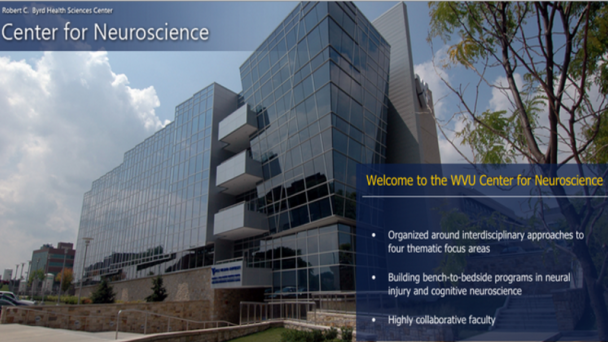
WVU Center for Neuroscience

The Center for Neuroscience (CN) mission is to advance knowledge in basic and translational neuroscience through team-based interdisciplinary research.

The CN functions to integrate all neuroscience research activities across a collaborative enterprise of 40 laboratories throughout the WVU campus. Our faculty members are highly interactive and participate with trainees in regular scientific and social events where we explore recent breakthroughs and discuss the major topics in neuroscience research.


Web Information

Website: hsc.wvu.edu/wvucn/ BRAIN Initiative Grant – “Imaging the Brain in Motion: The Ambulatory Micro-Dose, Wearable PET Brain Imager”

Contact Information

Email: mpscott@hsc.wvu.edu Phone: 304.293.2930 Address: WVU Center for Neuroscience PO Box 9304 Morgantown, WV 26506-9304

Organization

Director: George Spirou

WVU Health Sciences Center

Message from the Director

The Center for Neuroscience (CN) mission is to advance knowledge in basic and translational neuroscience through team-based interdisciplinary research.

The CN functions to integrate all neuroscience research activities across a collaborative enterprise of 40 laboratories throughout the WVU campus. Our faculty members are highly interactive and participate with trainees in regular scientific and social events where we explore recent breakthroughs and discuss the major topics in neuroscience research.

Rather unique for research institutions, the WVU CN serves as the hub of activity across a broad array of neuroscience research topics to serve the entire ...

OnAir Post: WVU Center for Neuroscience

UC Irvine Neuroscience

UC Irvine’s neuroscience efforts are primarily focused on the Department of Anatomy & Neurobiology in the School of Medicine and the Department of Neurobiology and Behavior in the School of Biological Sciences.

Research projects aim to discover treatments and cures for epilepsy, Alzheimer’s disease, stroke, learning and memory disorders, drug addiction, ALS (Lou Gehrig’s disease), deafness and other hearing disorders, spinal cord injury, Parkinson’s disease, dementia, mental retardation and to learn more about systems neuroscience, learning and memory, cell signaling, and hearing research.


Web Information

Department of Anatomy & Neurobiology Website:  anatomy.uci.edu/ Department of Neurobiology and Behavior website: neurobiology.uci.edu/ Brain Initiative Grant – “Towards a Complete Description of the Circuitry Underlying Memory replay”

Organization

Chair Department of Anatomy & Neurobiology: Ivan Soltesz Chair Department of Neurobiology and Behavior: Marcelo Wood mwood@uci.edu

Department of Neurobiology and Behavior

The Department of Neurobiology and Behavior is made up of a community of faculty, students, postdoctoral fellows and staff who share a common goal: creating an exciting intellectual environment that optimizes our research and teaching missions. Our faculty are highly distinguished both nationally and internationally. Presently two of our faculty are in the National Academy of Science, two in the American Academy of Arts and Sciences, two in the Royal Society of London, and ...

OnAir Post: UC Irvine Neuroscience

Institute for Translational Neuroscience

The University of Minnesta’s Institute for Translational Neuroscience (ITN) grew out of the Presidential Initiative on Brain Function across the Lifespan.The Institute is not a brick and mortar entity but an umbrella organization.

The Institute’s main goal has been to retain and recruit neuroscience researchers who exemplify the institute’s mission to make discoveries through team work.The Institute’s second goal is to foster and encourage collaboration amongst the scholars, researchers and centers.

Web Information

Website: itn.umn.edu/index.htm Brain Initiative Grant– “Advancing MRI & MRS Technologies for Studying Human Brain Function and Energetics” BRAIN Initiative Grant – “Imaging Brain Function in Real World Environments & Populations with Portable MRI”

Contact Information

Email: oydx004@umn.edu Phone: 612-626-4951 Address: Wallin Medical Biosciences Building Room 3-114 2101 6th Street S.E. Minneapolis, MN 55455

Organization

Director: Harry T. Orr

Institute for Translational Neuroscience

The Institute for Translational Neuroscience (ITN) was established in 2007 as a presidential university-wide initiative in order to promote the transfer of discoveries in the basic neurosciences to clinical practice. The institute is charged to enhance basic science discovery with new knowledge leading to subsequent clinical trials and establishment of new therapeutic principles or tools. The institute aims to attract and recruit top scientists to shape discoveries that will lead to tomorrow’s cures. The lTN exemplifies how different disciplines, departments ...

OnAir Post: Institute for Translational Neuroscience

UMD Neuroscience and Cognitive Science

The Neuroscience and Cognitive Science (NACS) Graduate Program offer cutting-edge interdisciplinary training in several areas: Cellular and Molecular Neuroscience; Cognitive Neuroscience; Cognitive Science; Computational Neuroscience; and Systems Neuroscience.

These research activities are carried out in laboratories housed in six colleges and 17 different departments on the University of Maryland, College Park campus. Through our official partnership with the National Institutes of Health and active collaboration with Children’s National Medical Center, NACS graduate students may also receive research training.

Web Information

Website: nacs.umd.edu/ BRAIN Initiative Grant – “Crowd coding in the brain: 3D imaging and control of collective neuronal dynamics”

Contact Information

Email: NACS@umd.edu Phone:  301-405-8910 Address:2131 Biology-Psychology Bldg, University of Maryland, College Park, MD 20742

Organization

Director: Jens Herberholz

About the Program

Overall Philosophy

The Neuroscience and Cognitive Science (NACS) Program strives to educate exceptional scientists whose integrative training will form the basis for significant scientific contributions.  This is a research doctoral program designed on an apprenticeship model:  students train to become professional scientists by doing independent research and participating in all aspects of the profession under the guidance of a mentor.

Graduate Program

Students receive their doctorates from NACS. Support is available from training grants, research and teaching assistantships, and university fellowships and includes tuition and health benefits. Students have extensive opportunities for interaction through classes, seminars, special programs, and ...

OnAir Post: UMD Neuroscience and Cognitive Science

Zurich Brain Research Institute

The Brain Research Institute (“Hifo”) is a neuroscience research center in the medical faculty of the University of Zurich.

The four laboratories on neural circuit dynamics, neural plasticity, neuroepigenetics, and neural regeneration and repair focus on basic research topics ranging from molecular and cellular processes to network functions in the nervous system. The main areas of investigation concern the ability of the central nervous system to learn new information and to regenerate after injury, the mechanisms underlying synaptic transmission, plasticity and synapses formation.


Web Information

Website: hifo.uzh.ch BRAIN Initiative Grant – “Multi-area two-photon microscopy for revealing long-distance communication between multiple local brain circuits”

Contact Information

Email: helmchen@hifo.uzh.ch Phone:+41 44 635 33 01 Address: Brain Research Institute Building 55 University of Zurich Irchel Winterthurerstrasse 190 CH-8057 Zurich

Organization

Co-Directors: Fritjof Helmchen and Isabelle Mansuy Managing Director: Sebastian Jessberger

 About

The Brain Research Institute (Institut für Hirnforschung, short “Hifo”) was founded in 1962 as a neuroscience research center in the medical faculty of the University of Zurich. The four laboratories on neural circuit dynamics, neural plasticity, neuroepigenetics, and neural regeneration and repair focus on basic research topics ranging from molecular and cellular processes to network functions in the nervous system. The main areas of investigation concern the ability of the central nervous system to learn new information and to regenerate after ...

OnAir Post: Zurich Brain Research Institute

UNC Neuroscience

The UNC Neuroscience Center is an interdepartmental research center at the UNC-Chapel Hill School of Medicine.

The mission of the Neuroscience Center is to promote neuroscience research that is innovative, collaborative and translational. The Center promotes this goal by bringing together researchers working on fundamental problems in basic and clinical neuroscience. By integrating work across the spectrum of neuroscience, we aim to advance our understanding of brain development and function, and to identify new therapeutic approaches to a broad range of neurological and psychiatric disorders.

Web Information

UNC Neuroscience Center website: med.unc.edu/neuroscience Behavioral Neuroscience Graduate Program: bnpsych.unc.edu/ BRAIN Initiative Grant – ” Dreadd2.0: An Enhanced Chemogenetic Toolkit”

Contact Information

Email:  admin info Phone: (919) 843-8536 Address: 8109 Neuroscience Research Building CB# 7250 115 Mason Farm Rd. Chapel Hill, NC 27599

About the UNC Neuroscience Center

The UNC Neuroscience Center is an interdepartmental research center at the UNC-Chapel Hill School of Medicine. The mission of the Neuroscience Center is to promote neuroscience research that is innovative, collaborative and translational. The Center promotes this goal by bringing together researchers working on fundamental problems in basic and clinical neuroscience. By integrating work across the spectrum of neuroscience, we aim to advance our understanding of brain development and function, and to identify new therapeutic approaches to a broad range ...

OnAir Post: UNC Neuroscience

Neuro@Tech

Neuroscience and Neuroengineering research and education are found across multiple Schools and Colleges at Georgia Tech and span a wide range of interests, many of which pivot on cutting-edge technology.

Neuro@Tech devleops and translates innovative solutions to the challenges of understanding the complexity of the nervour system, treating neurological diseases and injuries, and augmenting neural function. Neuro@Tech uses qualitative systems-level, and integrative approaches to study the brain, spinal cord, and peripheral nervous system.

Web Information

Website:  neuro.gatech.edu/ Brain Initiative Grant – “In-vivo circuit activity measurement at single cell, sub-threshold resolution”

Contact Information

Email: andrews@bme.gatech.edu

About

Welcome to Neuro@Tech!  Neuroscience and Neuroengineering research and education are found across multiple Schools and Colleges at Georgia Tech and span a wide range of interests, many of which pivot on cutting-edge technology. We develop and translate interdisciplinary and innovative solutions to the challenges of understanding the complexity of the nervous system, treating neurological diseases and injuries, and augmenting neural function.

What makes Neuro@Tech special? Neuro@Tech is a dynamic and exciting community that fosters our existing programs and catalyzes new collaborative directions within Georgia Tech and with the broader Neuroscience and Neuroengineering communities.  We use quantitative, systems-level, and integrative approaches to study the most complex human organ—the brain—and the equally elegant spinal cord and ...

OnAir Post: Neuro@Tech

NYU Neuroscience Institute

In 2011, The New York University School of Medicine established a new, state-of-the-art Neuroscience Institute, with special thanks to a $100M founding gift from the Druckenmiller Foundation.

The Institute leverages NYU’s excellence in both basic science and clinical medicine. By developing strategic links and fostering innovative collaborations, we are addressing some of society’s most challenging health care issues, from Alzheimer’s disease and epilepsy to multiple sclerosis, psychiatric disorders, and malignant brain tumors.

Web Information

Website: hmed.nyu.edu/neuroscience/ Brain Initiative Grant – “Behavioral readout of spatiotemporal codes dissected by holographic optogenetics”

Contact Information

Email: cordee01@nyumc.org Phone: 212-263-9119 Address: Alexandria Center for Life Science 450 East 29th St, 9th Floor New York, NY  10016

Administrative Coordinator: Eileen Cordero

Overview of the Neuroscience Institute

In 2011, The New York University School of Medicine established a new, state-of-the-art Neuroscience Institute, with special thanks to a $100M founding gift from the Druckenmiller Foundation.

The NYU Neuroscience Institute leverages NYU’s excellence in both basic science and clinical medicine. By developing strategic links and fostering innovative collaborations, we are addressing some of society’s most challenging health care issues, from Alzheimer’s disease and epilepsy to multiple sclerosis, psychiatric disorders, and malignant brain tumors. In the coming years, we will continue to recruit world-class faculty, students, and investigators who will work together with ...

OnAir Post: NYU Neuroscience Institute

Pierre and Marie Curie University

Pierre and Marie Curie University (UPMC), also known as Paris 6 has more than 5,000 researchers and professors working in 100 laboratories across four divisions: Modeling & Engineering; Energy, Matter & the Universe; Living Earth & Environment; Life & Health.

The research ranges from fundamental to applied, with the aim to push the boundaries of knowledge and to explore major issues of sustainable development that preoccupy our society in the twenty-first century, including health, climate change, water, biodiversity, energy, and communications.

Web Information

Website: http://www.upmc.fr/en/research.html Wikipedia Entry: wikipedia.org/wiki/Pierre_and_Marie_Curie_University Brain Initiative Grant – “Three Dimensional Holography for Parallel Multi-target Optogenetic Circuit Manipulation”

Contact Information

Phone: +33 1 44 27 44 27 Address: UPMC 4 place Jussieu 75252 Paris cedex 05, France

Research 

UPMC has more than 5,000 researchers and professors working in 100 laboratories across four divisions: Modeling & Engineering; Energy, Matter & the Universe; Living Earth & Environment; Life & Health. The research ranges from fundamental to applied, with the aim to push the boundaries of knowledge and to explore major issues of sustainable development that preoccupy our society in the twenty-first century, including health, climate change, water, biodiversity, energy, and communications.

Knowledge production happens at all levels, in national and international research laboratories, and with industrial partners through technology transfer and innovation. UPMC has particularly focused on multidisciplinary approaches to ...

OnAir Post: Pierre and Marie Curie University

Gray Matter Research

Principal Investigator: Baldwin Goodell

Gray Matter Research focuses on Microdrive Systems and Recording Chamber Systems. For the BRAIN Initiative, Goodell and his colleagues aim to develop optrodes, which are implantable columns of lights and wires for simultaneous electrical recording of neurons and delivery of light flashes to multiple brain areas.


Web Information

Website:  graymatter-research.com/ Brain Initiative Grant – “Large-Scale Electrophysiological Recording and Optogenetic Control System”

Contact Information

Emailbaldwin@graymatter-research.com Phone: (406) 672-1915 Address: Gray Matter Research 920 Technology Blvd. Suite 106 Bozeman, MT 59718


OnAir Post: Gray Matter Research

Skip to toolbar