Precision Biosystems Laboratory – Ga. Tech

The Precision Biosystems Laboratory is focused on fundamental engineering advancements, the development of miniaturized, high-throughput robotic instrumentation, and the application of the two to advance biomolecular science. Their research program is in the emerging bio-nano field—at the intersection of bioMEMS, machine design, neuroengineering, genetics, optics, and manufacturing.

OnAir Post: Precision Biosystems Laboratory – Ga. Tech

Roth Lab – UNC

Principal Investigator: Bryan Roth UNC Neuroscience

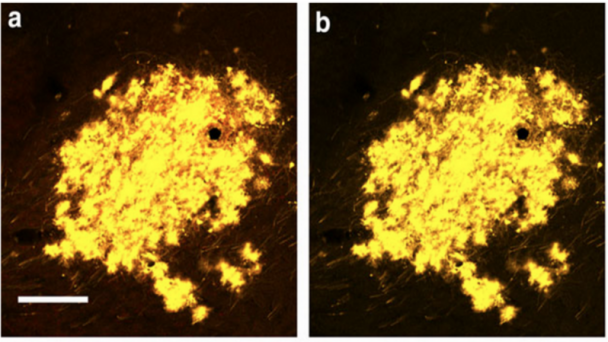
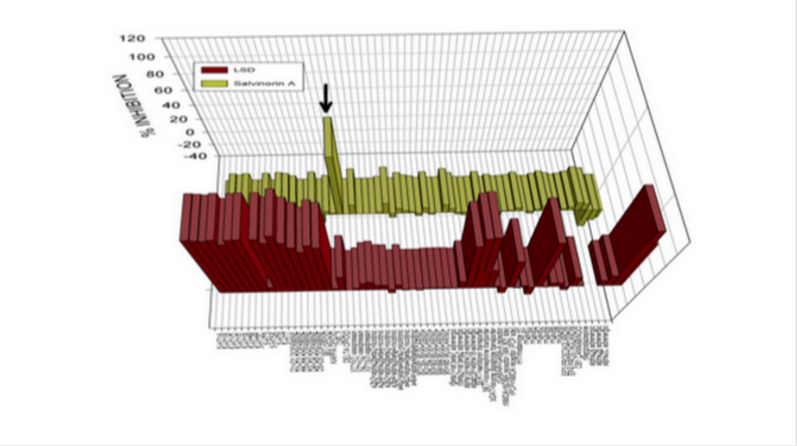
Roth Lab studies the structure and function of G-Protein coupled receptors (GPCRs). Roth Lab is part of the Department of Pharmacology, a research department in the School of Medicine at the University of North Carolina at Chapel Hill. The Roth lab is the principal contractor for the NIMH Psychoactive Drug Screening Program which includes the PDSP Ki database.

Serotonin receptor neurobiology: Since 1984, my lab has studied serotonin (5-hydroxytryptamine; 5-HT) and its receptors. Recently we have been focused on targeting and trafficking of 5-HT2-family receptors . Ongoing projects are directed to using mouse genetics to delineate the roles of accessory proteins and post-translational modifications in 5-HT receptor actions.

Web Information

Website:  pdspdb.unc.edu/rothlab/ BRAIN Initiative Grant – ” Dreadd2.0: An Enhanced Chemogenetic Toolkit”

Contact Information

Email: estelalopez@unc.edu Phone: 919-966-7535 Address: 4072 Genetic Medicine UNC-CH School of Medicine Chapel Hill, NC 27599-7365

Research

The Roth lab perfected the chemogenetic technology we have named “DREADD” (Designer Receptor Exclusively Activated by Designer Drugs; Armbruster et al, 2007). DREADD technology has afforded 100’s of labs world-wide the opportunity to discover how cell-type specific modulation of signaling is translated into behavioral and non-behavioral outcomes (see Urban and Roth, Ann Rev Pharmacol Toxicol 2015 for recent review)

The Roth lab continues to enhance ...

OnAir Post: Roth Lab – UNC

Laboratory of Molecular Genetics – Rockefeller

Principal Investigator: Jeffrey M. Friedman Senior Research Associate: Sarah Stanley, Rockefeller University

The application of modern methods in genetics has led to the identification of a new hormone, leptin, that regulates body weight. Leptin is an adipose tissue hormone that interacts with receptors in the brain to regulate food intake, energy expenditure and other neuroendocrine systems. The molecular mechanisms of leptin in the brain are under investigation. These studies are being conducted in parallel with efforts to identify obesity genes in the human.

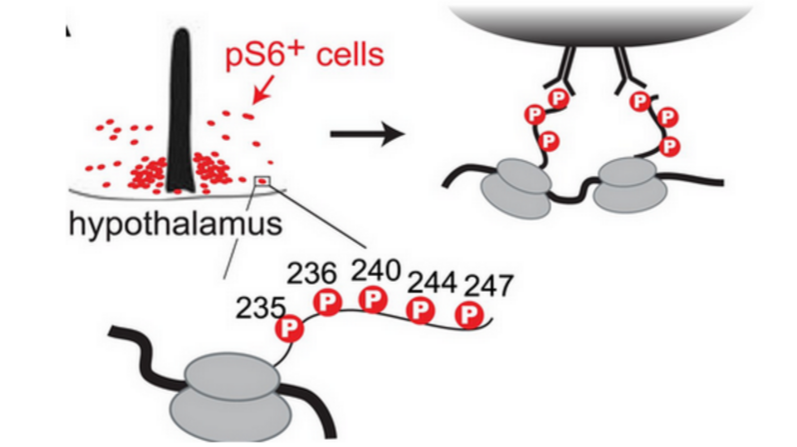
Diagram showing the phosphorylation sites on ribosomal protein S6 and strategy for immunoprecipitation of phosphorylated ribosomes. from A critical role for mTORC1 in erythropoiesis and anemia.

Web Information

Website:  lab.rockefeller.edu/friedman/ Brain Initiative Grant

Contact Information

Email: Jeffrey.Friedman@rockefeller.edu Phone: (212) 327-8000 Address: The Rockefeller University 1230 York Avenue New York, NY 10065 (212) 327-8000

Research

The application of modern methods in genetics has led to the identification of a new hormone, leptin, that regulates body weight. Leptin is an adipose tissue hormone that interacts with receptors in the brain to regulate food intake, energy expenditure and other neuroendocrine systems. The molecular mechanisms of leptin in the brain are under investigation. These studies are being conducted in parallel with efforts to identify obesity genes in the human.

Research Projects:

OnAir Post: Laboratory of Molecular Genetics – Rockefeller

Rubenstein Lab – UCSF

Principal Investigator: John L. R. Rubenstein UCSF Neuroscience

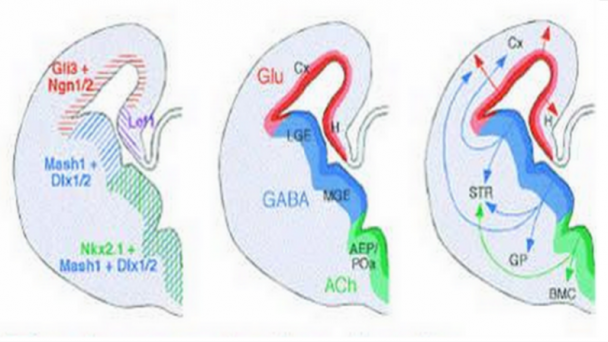
The goal of Rubenstein Lab research is to elucidate fundamental mechanisms that regulate development of the forebrain, with a focus on the cerebral cortex and basal ganglia. Our studies also extend into other regions of the embryo, including the developing face. Whenever possible, we attempt to investigate whether disruption of these mechanisms underlie human disorders, such as autism, schizophrenia, mental retardation, epilepsy and craniofacial disorders.


Web Information

Website:  rubensteinlab.ucsf.edu/ BRAIN Initiative Grant – “Identification of enhancers whose activity defines cortical interneuron types”

Contact Information

Email: john.rubenstein@ucsf.edu Phone: 415-476-7862 Address: John L.R. Rubenstein, M.D., Ph.D. Genetics, Development and Behavioral Sciences Building 1550 4th Street, 2nd Floor South, Room GD 284C University of California at San Francisco San Francisco, CA 94143-2611

About the Lab

Mission The goal of our research is to elucidate fundamental mechanisms that regulate development of the forebrain, with a focus on the cerebral cortex and basal ganglia. Our studies also extend into other regions of the embryo, including the developing face. Whenever possible, we attempt to investigate whether disruption of these mechanisms underlie human disorders, such as autism, schizophrenia, mental retardation, epilepsy and craniofacial disorders. We hope that our studies provide insights into new inroads for diagnosis, prevention and treatment of these disorders.

History Our research group began at Stanford in 1988 to ...

OnAir Post: Rubenstein Lab – UCSF

X. William Yang Research Group – UCLA

Yang Lab's research is focused on applying comprehensive molecular and genetic approaches to study the pathogenesis of Huntington’s disease (HD) and Parkinson’s disease (PD), as well as exploring the molecular genetics and circuitry of the basal ganglia (BG), a brain region targeted in various neurodegenerative and neuropsychiatric disorders. The overarching approach of our lab is to develop genetic mouse models of these diseases, or create mice that carry mutations in the genes.

OnAir Post: X. William Yang Research Group – UCLA

Pediatric Epilepsy Research Lab- Mass General

The lab's research goal is the development of new approaches to the treatment of epilepsy based on a clearer understanding of the necessary steps in seizure initiation and propagation. The two major themes in the lab are neuronal ion transport and the spread of activity in neural networks combining fluorescent imaging of network activity with computerized analysis and modeling to understand how normal and abnormal signaling progresses through neural networks.

OnAir Post: Pediatric Epilepsy Research Lab- Mass General

Hobert Lab – Columbia

Principal Investigator: Oliver Hobert Columbia Neuroscience

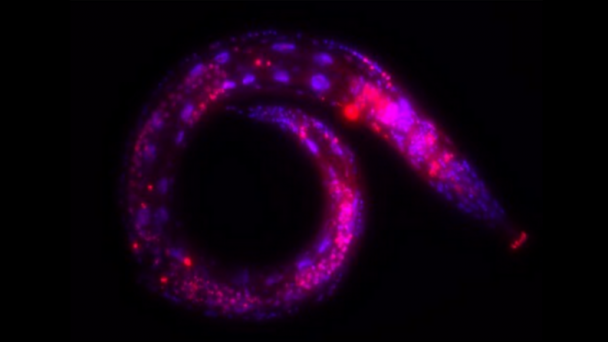
The main focus of the laboratory is to understand the molecular mechanisms that generate the astounding diversity of cell types in a nervous system. Using the C.elegans model system, they have revealed a core regulatory logic for how terminal neuronal identity is controlled in several different neuron types and have demonstrated that these regulatory mechanisms are conserved in chordates.

Web Information

Website:   hobertlab.org/  Brain Initiative Grant

Contact Information

Emailor38@columbia.edu Phone: (212) 305-0065 Address: 701 W. 168th St. HHSC 724 New York, NY 10032

Research

The main focus of the laboratory is to understand the molecular mechanisms that generate the astounding diversity of cell types in a nervous system. Using the C.elegans model system, we have revealed a core regulatory logic for how terminal neuronal identity is controlled in several different neuron types [1-6]. We have demonstrated that these regulatory mechanisms are conserved in chordates [4, 5]. These insights have allowed us to reprogram the identity of heterologous cell types to that of specific neuron types [7, 8]. Venturing into a little explored area of neuronal diversification, we have developed a novel paradigm to study asymmetry across the left/right axis [9, 10], by far the least understood axis in any nervous system, and identified a complex ...

OnAir Post: Hobert Lab – Columbia

Hannon Lab – CSHL

The Hannon Lab comprises a broad spectrum of programs in small RNA biology, mammalian genetics and genomics. The Hannon Lab studies RNAi and related pathways in a wide variety of organisms to extract common themes that define both the mechanisms by which small RNAs act and the biological processes which they impact. Current focus is on microRNAs, endogenous siRNAs and piRNAs and their roles in gene regulation, cancer biology, stem cell biology and in defense of the genome against transposons.

OnAir Post: Hannon Lab – CSHL

Synthetic Neurobiology Group – MIT

MIT Neuroscience Principal Investigator: Ed Boyden, Ph.D.

The Synthetic Neurobiology Group develops tools that enable the mapping of the molecules and wiring of the brain, the recording and control of its neural dynamics, and the repair of its dysfunction.The Group applies these to the systematic analysis of brain computations, aiming to reveal the fundamental mechanisms of brain function, and yielding new, ground-truth therapeutic strategies for neurological and psychiatric disorders.

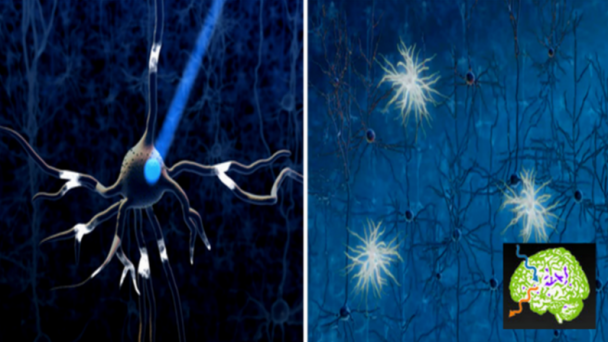
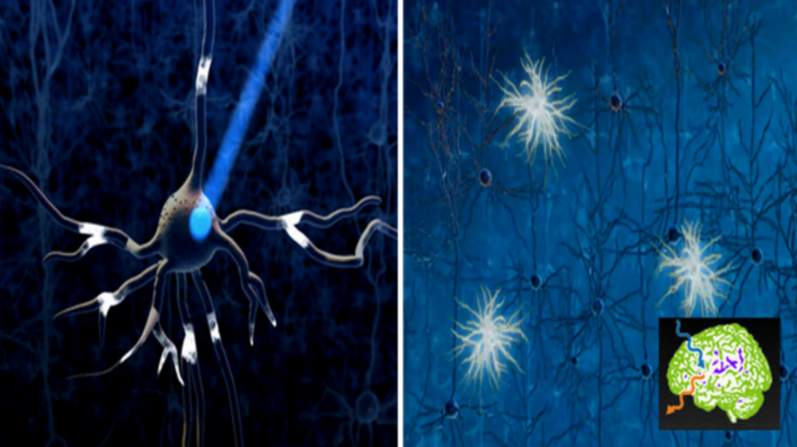
Optogenetics: molecules enabling neural control by light. From SBG website.

Web Information

Website:  syntheticneurobiology.org/

Contact Information

E-mail: esb@media.mit.edu

Phone:  (617) 324-3085

Address: Building E15: E15-421| 20 Ames St.| Cambridge, MA 02139

Research

Ultra-Multiplexed Nanoscale In Situ Proteomics for Understanding Synapse Types

Tools for Cells and Circuits (RFA MH-14-216) Edwards S. Boyden, Director of the Synthetic Neurobiology Group, Massachusetts Institute of Technology

Dr. Boyden’s team will simultaneously image both the identities and locations of multiple proteins within individual synapses – made possible by a new technique called DNA-PAINT.

DNA-PAINT super-resolution image of microtubules inside a fixed HeLa cell using Atto 655–labeled imager strands (10,000 frames, 10-Hz frame rate). Inset, labeling and imaging schematic for DNA-PAINT in a cellular environment. ...

OnAir Post: Synthetic Neurobiology Group – MIT

Genetic Neuroengineering Group

Research interests: viral vector engineering, synthetic biology. Engineering genetic tools for neuroscience.

OnAir Post: Genetic Neuroengineering Group

Skip to toolbar