John Maunsell, PhD – Chicago


Professor, Department of Neurobiology Director, Grossman Institute for Neuroscience, Quantitative Biology and Human Behavior

Maunsell’s research is aimed at understanding how neuronal signals in visual cerebral cortex generate perceptions and guide behavior. Our approach is to record from individual neurons in trained, behaving monkeys and mice while they perform visual tasks. Another line of research has been exploring the more general question of how the activity of given neurons contributes to specific visual behaviors.

Web Information

Webpage: neurobiology.uchicago.edu/page/john-maunsell Neuroscience at University of Chicago  BRAIN Initiative Grant – “The role of patterned activity in neuronal codes for behavior”

Contact Information

Emailmaunsell@uchicago.edu Phone: (773) 702-3203 Address: The University of Chicago 5812 S Ellis Street, MC0912 Chicago, IL 60637


Biography

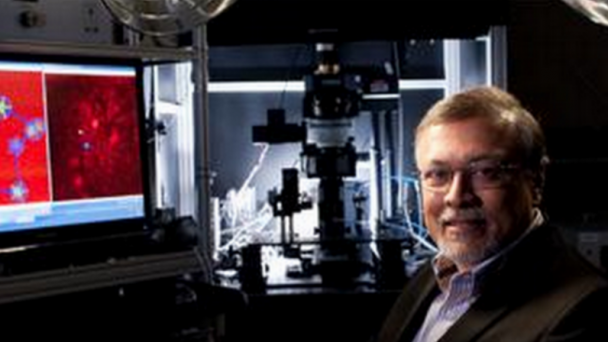
Since 2007, Maunsell has served as editor-in-chief of The Journal of Neuroscience, one of the top peer-reviewed journals in its field and primary publication of the Society for Neuroscience, the largest neuroscientist organization in the world. Maunsell brings to the University of Chicago an intimate knowledge of the people, projects and landscape of the international neuroscience research community.

Maunsell’s honors include election to the American Association for the Advancement of Science, American Academy of Arts and Sciences and appointment as a Howard Hughes Medical Institute investigator. Previous to Harvard, he served on the faculty of the ...

OnAir Post: John Maunsell, PhD – Chicago
Mark Steyvers, PhD – UC Irvine


Professor, Cognitive Sciences UC Irvine Principal Investigator, Memory and Decision Laboratory

Dr. Steyvers research focuses on Wisdom of Crowds; Aggregating human judgments; Computational models of the mind; Machine Learning and Statistics; Memory and Decision Making.


Web Information

Department webpage: http://www.faculty.uci.edu/profile.cfm?faculty_id=5064

Memory and Decision Laboratory websitehttp://psiexp.ss.uci.edu/research/madlab.htm

Google Scholar: https://scholar.google.com/citations?user=szUb_isAAAAJ&hl=en

Contact Information

Email: msteyver@uci.edu

Phone: (949) 824-7642

Address: University of California, Irvine 2316 Social & Behavioral Sciences Gateway Building Mail Code: 5100 Irvine, CA 92697


Biosketch

2000 – 2002 Postdoctoral fellow. Stanford University

1995 – 2000 PhD, Indiana University, Joint degree in Cognitive Psychology and Cognitive Science. 1994

BA, University of Amsterdam, Psychology (Cum Laude)

See CV


Research Interests

Higher order cognition (memory/ decision-making/ inductive inference)

Computational modeling / Bayesian data analysis

Wisdom of crowds / Collective Intelligence / Crowdsourcing

Machine learning

Cognitive neuroscience (joint models for behavior and imaging data)

Computational Psychotherapy (joint models for text, coding, and patient data)

My research interests span a diverse set of topics in cognitive science such as wisdom of crowds, episodic and semantic memory, dynamic decision making, and causal reasoning. In each of these areas, I combine mathematical and computational modeling with behavioral experiments. The models and experiments are tightly coupled: I try to formulate empirical questions with the goals of constraining, developing, or testing between alternative computational models of how people learn, process, and represent information. My ...

OnAir Post: Mark Steyvers, PhD – UC Irvine

Zhong-Lin Lu, PhD – Ohio State


Distinguished Professor of Social and Behavioral Sciences and Psychology Director, Center for Brain and Cognitive Sciences at The Ohio State University

The goal of Lu’s research program is to construct computational brain models for perception and cognition.


Web Information

Department web pagehttp://faculty.psy.ohio-state.edu/lu/

Center for Brain and Cognitive Sciences websitehttp://lobes.osu.edu/

Amazon page: http://www.amazon.com/Zhong-Lin-Lu/e/B00E5S0UMQ

Contact Information

Email:lu.535@osu.edu

Address: Department of Psychology 1835 Neil Ave 60 Psychology Building Ohio State University Columbus, OH 43210


Biosketch

Lu received his bachelor’s degree in theoretical physics from the University of Science and Technology of China in 1989 and his master’s and doctorate degree in physics from New York University in 1992. Before joining OSU, he was the William M. Keck Chair in Cognitive Neuroscience, Professor of Psychology and Biomedical Engineering, and co-Director of the Dana and David Dornsife Cognitive Neuroscience Imaging Center, University of Southern California. Lu is a fellow of the Society of Experimental Psychologist and Association for Psychological Science.

My Ph.D. is in physics. Through my specialization in low-temperature physics, I became involved in a particular application: the development of an extremely sensitive device for recording and precisely localizing human brain activity through measurements of the magnetic fields it generates outside the scalp. Under the supervision of Sam Williamson (a physicist) and Lloyd Kaufman (an experimental ...

OnAir Post: Zhong-Lin Lu, PhD – Ohio State

Lilianne R. Mujica-Parodi, PhD – Stony Brook


Associate Professor, Department of Biomedical Engineering.Stony Brook Appointments in Departments of  Neurobiology and Behavior,Neurology, and Psychiatry Director of the Laboratory for Computational Neurodiagnostics (LCNeuro)

Dr. Mujica-Parodi’s Lab performs clinical research on the neurobiology of emotional arousal, and its effects on physiology and cognition.The Laboratory for Computational Neurodiagnostics studies provide simultaneous measurement of neural, cardiac, endocrine, cognitive, immune, epigenetic and clinical components of the human emotional response.


Web Information

Department web pagehttp://bme.sunysb.edu/people/faculty/l_mujica-parodi.html

LCNeuro websitehttp://www.lcneuro.org/

Department  of  Neurobiology and Behavior web page: medicine.stonybrookmedicine.edu/neurobiology/gradprogram/faculty/Mujica-Parodi

Contact Information

Email: lmujicaparodi@gmail.com

Phone: (631) 632-1008

Address: Stony Brook Medicine 101 Nicolls Road Stony Brook NY 11794


Biosketch

8/88-6/92* B.A., 5/92 Georgetown University, Washington DC Philosophy College of Arts & Sciences Physics

9/93-8/98 Ph.D., 8/98 Columbia University, New York NY Philosophy Graduate School of Arts & Sciences (Mathematical Logic, Foundations of Physics) Thesis Advisor: Richard Friedberg, Ph.D. (Department of Theoretical Physics) Dissertation: “Quantum nonlocality and preferred frames of reference.”

9/98-8/01 Postdoctoral Fellow Columbia University, New York, NY Clinical Neuroscience College of Physicians and Surgeons Neuroimaging Psychiatry

CV here

Research

The Laboratory for Computational Neurodiagnostics performs clinical research on the neurobiology of emotional arousal, and its effects on physiology and cognition.The Laboratory for Computational Neurodiagnostics studies provide simultaneous measurement of neural, cardiac, endocrine, cognitive, immune, epigenetic and clinical components of the human emotional response. These data are then analyzed using statistics, ...

OnAir Post: Lilianne R. Mujica-Parodi, PhD – Stony Brook

Hava Siegelmann, PhD – UMass

Professor, Computer Science, University of Massachusetts at Amherst Director, BINDS Lab Core Member, Neuroscience and Behavior Program

Hava Siegelmann’s research focuses on the understanding of biologically inspired computational systems. In particular, she studies the computational and dynamical complexity of neural systems as well as genetic-networks.


Web Information

Department web page: https://www.cics.umass.edu/faculty/directory/siegelmann_hava

BINDS Lab websitehttp://binds.cs.umass.edu/index.html

Neuroscience and Behavior Program website:

Contact Information

Email: hava@cs.umass.edu

Phone: (413) 577-4282

Address: School of Computer Science BINDS Lab 140 Governors Drive University of Massachusetts Amherst Amherst, MA 01003-9264


Biosketch

Ph.D., Computer Science, Rutgers University (1993, Fellow of excellence),

M.Sc., Computer Science, Hebrew University (1992, Cum Laude),

B.A., Computer Science, the Technion (1988, Suma Cum Laude). Professor.

Before joining UMass, she was on the faculty of Industrial Engineering and Management at the Technion and served as the head of Information Systems Engineering. She has been a visiting professor at MIT and Harvard University.

Activites and Awards

Professor Siegelmann has been active in the International Neural Networks Society, serving on the Elected Board of Governors since 2012, she recently served as the Program Chair of the International Joint Conference on Neural Networks (IJCNN), 2011. She currently also serves as the Vice Chair on the Neural Network Technical Committee (NNTC) of the IEEE Computational Intelligence Society (CIS) as well as a Task Force member in “Towards Human-like ...

OnAir Post: Hava Siegelmann, PhD – UMass

Ken Paller, PhD – Northwestern


Professor of Psychology, Northwestern University Director, Cognitive Neuroscience Program and the Training Program in the Neuroscience of Human Cognition Fellow, Cognitive Neurology and Alzheimer’s Disease Center Editor (memory section) of Neuropsychologia

My research focuses on understanding human memory functions and their implementation in the brain. Multiple techniques for measuring brain activity are combined using a Cognitive Neuroscience approach that respects the complexity of cognition as well as the detailed organization of the brain.


Web Information

Department webpagehttp://faculty.wcas.northwestern.edu/~paller/

Cognitive Neuroscience Lab websitehttp://pallerlab.psych.northwestern.edu/

Neuropsychologia webpage: http://www.journals.elsevier.com/neuropsychologia/

Scholar’s Profilehttp://www.scholars.northwestern.edu/expert.asp?u_id=1792

New Reddit Journal of Science: reddit.com/r/science/comments/2ini0s/scienceamaseries_im_ken_paller_a_cognitive/

Contact Information

Email: kap@northwestern.edu

Phone: 847/467-3370

Address: 210 Cresap Department of Psychology 2029 Sheridan Road Evanston, IL 60208-2710


Research

Paller’s research focuses on understanding human memory functions and their implementation in the brain. Multiple techniques for measuring brain activity are combined using a Cognitive Neuroscience approach that respects the complexity of cognition as well as the detailed organization of the brain.

A central type of memory currently under study is conscious recollection, which is associated with memory for facts and events. This is the experience most people would associate with remembering. Another type of memory, perceptual priming, is generally measured as a facilitation in performance on implicit memory tests — in these tests subjects are not necessarily aware that memory is being ...

OnAir Post: Ken Paller, PhD – Northwestern

Kenneth Norman, Phd – Princeton


Professor of Psychology and the Princeton Neuroscience Institute Principal Investigator, Computational Memory Lab

A major focus of Dr. Norman’s research is characterizing how different subregions of the medial temporal lobes (in particular, the hippocampus and perirhinal cortex) contribute to recognition and recall, and how the contributions of these structures differ from one another. He is also interested in how accuracy and distortion in episodic memory arise from interactions between medial temporal structures and prefrontal cortex.

Web Information

Department web pagehttps://psych.princeton.edu/psychology/research/norman/index.php

Princeton Neuroscience Institute (BRAIN 2015)http://brain2015.onair.cc/princeton-neuroscience-institute/

Computational Memory Lab website: http://compmem.princeton.edu/?n=Main.HomePage

Contact Information

Email: knorman@princeton.edu

Phone: (609) 258-9694

Address: Department of Psychology Princeton University Green Hall, Washington Road Princeton, NJ 08540


Biosketch

Education

June 1999 Ph.D. in Psychology, Harvard University Advisor: Daniel Schacter, Ph.D. Thesis: “Differential Effects of List Strength on Recollection and Familiarity”

June 1996 MA in Psychology, Harvard University

June 1993 BS with distinction, Stanford University Advisors: John Gabrieli, Ph.D., Fred Dretske, Ph.D. Honors Thesis: “Is Consciousness the Gatekeeper of Memory?”

June 1999 – June 2002 NIH NRSA postdoctoral fellow, University of Colorado, Boulder Mentor: Randall O’Reilly, Ph.D.

1995 Fellow, McDonnell Summer Institute in Cognitive Neuroscience, Davis, CA

Click here for full CV

Research

In the Norman lab, we use biologically realistic neural network models to explore how the brain gives rise to learning and memory phenomena, and we test these models’ predictions using several different ...

OnAir Post: Kenneth Norman, Phd – Princeton

George Church, PhD – Harvard

Professor of Genetics, Harvard Medical School Director, PersonalGenomes.org and the Church Lab

Dr. Church was part of a team of six that proposed in 2012 a Brain Activity Map which morphed into the BRAIN Initiative. They outlined specific experimental techniques that might be used to achieve what they termed a “functional connectome”  as well as new technologies to detect and manipulate neuronal activity. In a 2015 Neuron article, they proposed establishing a national network of Brain Observatories.

Web Information

Website: http://arep.med.harvard.edu/gmc/

Wikipedia Entryhttps://en.wikipedia.org/wiki/George_M._Church

Contact Information

Email: gmc@harvard.edu

Phone: (617) 432-7562

Address: Department of Genetics, New Research Building (NRB) 77 Avenue Louis Pasteur , Room 238 (233, 232). Boston, MA 02115

Brain Actvity Map

Original paper in Neuron 2012

The Brain Activity Map Project and the Challenge of Functional Connectomics

The function of neural circuits is an emergent property that arises from the coordinated activity of large numbers of neurons. To capture this, we propose launching a large-scale, international public effort, the Brain Activity Map Project, aimed at reconstructing the full record of neural activity across complete neural circuits. This technological challenge could prove to be an invaluable step toward understanding fundamental and pathological brain processes.


Closing Keynote at Kavli Futures Symposium

From Kavli Foundation web page about Nov.3-4, 2014 symposium at Columbia University.

In the closing keynote, George ...

OnAir Post: George Church, PhD – Harvard

Ping Li, PhD – Penn State


Professor of Psychology, Linguistics, & Information Sciences & Technology Co-Director, Center for Brain, Behavior, and Cognition Facult, Center for Language Science (CLS)

Dr. Li’s research aims at understanding the relationships among language, brain, and culture. He investigates the computational and neural mechanisms underlying language acquisition and representation in both native and non-native speakers of Western languages.

Web Information

Department webpagehttp://psych.la.psu.edu/directory/pul8

Brain, Language, and Computation Lab websitehttp://blclab.org/

Penn State Neurosciencehttp://brain2015.onair.cc/psu-institute-of-neurosciences/

NSF BRAIN Initiative Granthttp://brain2015.onair.cc/neural-approaches-to-understanding-science-text/

Contact Information

Email: pul8@psu.edu

Phone: (814) 863-3921

Address: 452 Moore Building


Biography

Education and Professional Preparation

1992 Post-doctoral fellow McDonnell-Pew Center for Cognitive Neuroscience, San Diego, USA

1990-1992 Post-doctoral fellow Center for Research in Language, University of California, San Diego, USA

1990 Ph.D. in Psycholinguistics, University of Leiden, The Netherlands (graduate training at the Max Planck Institute for Psycholinguistics)

1986 M.A. in Theoretical Linguistics, Peking University, China

1983 B.A. in Chinese Linguistics, Peking University, China

CV

Research

My research aims at understanding the relationships among language, brain, and culture. In particular, we examine the dynamic changes that occur in the language learner and the dynamic interactions that occur in the competing language systems over the course of learning. We investigate the computational and neural mechanisms underlying language acquisition and representation in both native and non-native speakers of Western languages (e.g., English) and ...

OnAir Post: Ping Li, PhD – Penn State

Joshua Gold, PhD – Penn


Professor of Neuroscience, Perelman School of Medicine Principal Investigator, Gold Lab Chair, Neuroscience Graduate Group (NGG) Co-Director, Computational Neuroscience Initiative

Dr. Gold’s recent work has begun to identify how and where in the brain inference processes are implemented, particularly in the service of perceptual and reward-based decision-making. Research in my laboratory focuses on how these processes are shaped by learning to provide the flexibility a decision-maker needs to survive in a complex and dynamic world.

Web Information

Deparatment webpagemed.upenn.edu/apps/faculty/index.php/g309/p843

Gold Lab websitemed.upenn.edu/goldlab/index.shtml

Neuroscience Graduate Group  webpage: med.upenn.edu/ngg/

Computational Neuroscience Initiative website:  cni.upenn.edu/

Neuroscience @Penn: http://brain2015.onair.cc/neuroscience-penn/

NSF BRAIN Initiative Grant: http://brain2015.onair.cc/noise-in-mental-exploration-for-learning/

Contact Information

Email:jigold@mail.med.upenn.edu

Phone: (215) 746-0028

Address: 116 Johnson Pavilion 3610 Hamilton Walk University of Pennsylvania School of Medicine Philadelphia, PA 19104-6060


Biography

Sc.B. (Neural Sciences) , Brown University , 1991

Ph.D. (Neurosciences) , Stanford University, 1997

Research

Many aspects of higher brain function rely on two closely related capacities, inference and learning. Inference is the process of drawing conclusions from uncertain data, like forming a percept from noisy sensory information or predicting the most rewarding future outcome from the recent history of outcomes. These inferences often inform decisions that determine behavior. Learning uses experience to shape how these kinds of inference and decision processes function, often optimizing them to meet particular goals. Recent work has begun to ...

OnAir Post: Joshua Gold, PhD – Penn

Steven Chase, PhD – CMU

Assistant Professor, Center for the Neural Basis of Cognition and Biomedical Engineering Principal Investigator, Chase Lab

Dr. Chase uses brain-computer interfaces to study motor learning and skill acquisition. His work stands to provide a better understanding of how movement information is represented in networks of neurons in the brain and will inform the development of neural prosthetics.

Web Information

Department web page: https://www.bme.cmu.edu/people/faculty1.html#Chase

Lab websitehttp://www.cnbc.cmu.edu/~schase/index.php

Contact Information

Email: schase@andrew.cmu.edu

Phone: 412 268 5512

Address: Hamerschlag Hall C122 Carnegie Mellon University 5000 Forbes Avenue Pittsburgh, PA 15213

Biosketch

Steve Chase received his BS in Applied Physics from Caltech in ’97, his MS in Electrical Engineering from UC Berkeley in ’99, and his PhD in Biomedical Engineering from Johns Hopkins in ’06. He recently completed his post-doctoral training under the joint mentorship of Dr. Robert Kass (Carnegie Mellon, Statistics) and Dr. Andrew Schwartz (University of Pittsburgh, Neurobiology), where he used brain-computer interfaces to study adaptation and plasticity in the primary motor cortex. His research probes the coding and flow of information in neural populations.

Research

Brain-computer interface, or BCIs, are a promising technology for alleviating motor deficits caused by injury or disease. These devices can read out motor intent by recording directly from populations of motor cortical neurons, and ...

OnAir Post: Steven Chase, PhD – CMU

Amina Qutub, PhD – Rice


Assistant Professor of Bioengineering, Dept. of  Bioengineering Principal Investigator, Qutub Lab

Amina Qutub’s research at Rice University integrates biological systems theory and design to characterize hypoxic response signaling and neurovascular dynamics. Her basic and translational research has applications in leukemia and brain cancer therapy; treatments for brain ischemia and Alzheimer’s disease; and increased understanding of cellular and sub-cellular organization in vascular biology.

Web Information

Department webpage: bioengineering.rice.edu/faculty/Amina_Qutub.aspx

Qutub Lab websitequtublab.rice.edu/index.html

Rice Neurosciencebrain2015.onair.cc/rice-neuroscience/

Contact Information

Email: amina@rice.edu

Phone: (713) 348-8089

Address: Department of Bioengineering 6500 Main Street, Suite 135 Houston, Texas 77030

Biography

Qutub is a principal investigator on a National Academies Keck Futures Initiative (NAKFI) grant with Rice bioengineering collaborators to build multiscale computer models of blood vessel growth from image-based molecular analyses. Also, through a 2011 Hamill Innovation Award from Rice’s Institute for Biosciences and Bioengineering, she is furthering this work through joint research that characterizes the coupling between angiogenic signaling and cyto-mechanical responses. Qutub earned a 2012 NSF Early Career Development (CAREER) award to study neurovasculature formation, integrating computation with experiments to measure and predict patterns in individual cell behavior during angiogenesis. The research, which focuses on cellular developments in the blood-brain barrier, will address unanswered questions about how cell-cell and cell-protein interactions ...

OnAir Post: Amina Qutub, PhD – Rice

Behnaam Aazhang, PhD – Rice


J.S. Abercrombie Professor, Electrical and Computer Engineering, Rice University Director, Rice Center for Neuroengineering Founding Director, Center for Multimedia Communication

Dr. Aazhang focuses on communication theory, information theory, and their applications to wireless communication with a focus on the interplay of communication systems and networks; including network coding, user cooperation, spectrum sharing, and opportunistic access.

Web Information

Department webpageece.rice.edu/aaz.aspx

Center for Neuroengineering website:  neuroengineering.rice.edu/

Wikipedia entrywikipedia.org/wiki/Behnaam_Aazhang

Contact Information

Emailaaz@rice.edu

Phone: 713-348-4749

Address: Duncan Hall 2017

Biography

Behnaam Aazhang received his B.S. (with highest honors), M.S., and Ph.D. degrees in Electrical and Computer Engineering from University of Illinois at Urbana-Champaign in 1981, 1983, and 1986, respectively.

From 1981-1985, he was a Research Assistant in the Coordinated Science Laboratory, University of Illinois.  In August 1985, he joined the faculty of Rice University, Houston, Texas, where he is now the J.S. Abercrombie Professor and Director of the Cluster on Neuroengineering within the Gulf Coast Consortium, a multi-university research center in Houston, Texas. In addition, he holds an Academy of Finland Distinguished Visiting Professorship appointment (FiDiPro) at the Center for Wireless Communication (CWC) in the University of Oulu, Oulu, Finland. He served as the Chair of the Department of Electrical and Computer Engineering from 2004-2014. His research interests are ...

OnAir Post: Behnaam Aazhang, PhD – Rice

Charles Gilbert, MD/PhD – Rockefeller


Arthur and Janet Ross Professor, Laboratory of Neurobiology

Dr. Gilbert studies the mechanisms underlying visual perception, including the specific role of the brain’s primary visual cortex in analyzing visual images and in perceptual learning. To this end, his laboratory investigates the circuitry of the brain and how the interactions between groups of neurons contribute to perception, learning and memory.

Web Information

Rockefeller webpage: rockefeller.edu/research/faculty/labheads/CharlesGilbert/

Lab webpagelab.rockefeller.edu/gilbert/

Rockefeller neuroscience: brain2015.onair.cc/rockefeller-university/

Contact Information

Email: Charles.Gilbert@rockefeller.edu

Phone: (212) 327-8000

Address: The Rockefeller University 1230 York Avenue New York, NY 10065

Biography

Dr. Gilbert received his M.D. and Ph.D. from Harvard Medical School in 1977, where he held an academic appointment until he joined Rockefeller in 1983 as assistant professor and head of laboratory. He became associate professor in 1985 and professor in 1991 and in 2004 was named Arthur and Janet Ross Professor.

A member of the National Academy of Sciences and the American Academy of Arts and Sciences, he has received numerous awards, including the W. Alden Spencer Award from the Columbia University College of Physicians and Surgeons.

Dr. Gilbert is a faculty member in the David Rockefeller Graduate Program and the Tri-Institutional M.D.-Ph.D. Program.

Research

Dr. Gilbert studies the mechanisms underlying visual perception, including the specific role of the brain’s primary visual cortex in analyzing visual images and ...

OnAir Post: Charles Gilbert, MD/PhD – Rockefeller

Aude Oliva, PhD – MIT

Associate Professor of Cognitive Science, Department of Brain and Cognitive Sciences Principal Investigator, Computation Perception & Cognition Lab

Dr. Oliva’s research program is in the field of Computational Visual Cognition, a framework that strives to identify the substrates of complex visual recognition tasks and to develop models inspired by human perception and cognition. The natural visual environment is composed of three-dimensional objects, with textures, colors, and materials, embedded in an explicit spatial layout.

Web Information

MIT webpagehttp://bcs.mit.edu/people/oliva.html

Lab websitehttp://cvcl.mit.edu/aude.htm

MIT Neurosciencehttp://brain2015.onair.cc/mit-neuroscience/

Contact Information

Email: oliva@mit.edu

AddressDepartment of Brain and Cognitive Sciences Building: 46-4065

Research

My research program is in the field of Computational Visual Cognition, a framework that strives to identify the substrates of complex visual recognition tasks and to develop models inspired by human perception and cognition. The natural visual environment is composed of three-dimensional objects, with textures, colors, and materials, embedded in an explicit spatial layout. Yet, the human brain understands scenes, places and events quickly and effortlessly, outperforming the most advanced artificial vision system. In the lab, we use multi-disciplinary techniques from behavioral sciences, cognitive neuroscience and computational vision, to identify key principles of human object, scene and space understanding and evaluate the capacity and fidelity of human memory systems for guiding ...

OnAir Post: Aude Oliva, PhD – MIT

David Kleinfeld, PhD – UCSD


Professor of Biophysics Director, David Kleinfeld Laboratory

David Kleinfeld and his colleagues take biophysical and computational approaches to bridge phenomena at different levels in the brain, ranging from intracellular electrophysiology to multi-cellular recording to animal behavior. This provides an opportunity to discover algorithms and principles that underlie computations within nervous systems. In additional, they develop instrumentation and analysis procedures that facilitate the study of physiology.

Web Information

Neurograd Program webpage: healthsciences.ucsd.edu/education/neurograd/faculty/david-kleinfeld Lab webpage: https://physics.ucsd.edu/neurophysics/kleinfeldcv.php UCSD Neuroscience BRAIN Initiative Grant – “Revealing the connectivity and functionality of brain stem circuits”

Contact Information

Email: dk@physics.ucsd.edu Phone: 858-822-0342 Address: Physics Department UC San Diego


Biography

1984 The Neurobiology Summer School, Marine Biological Laboratory, Woods Hole. 1984 Doctor of Philosophy in Physics, University of California at San Diego. Dissertation: On the Dynamics of Electron Transfer in Photosynthetic Reaction Centers (with Prof. George Feher). 1977 Master of Science, Physics, University of Illinois at Urbana-Champaign. 1976 Bachelor of Science in Electrical Engineering (High Honors), University of Illinois at Urbana-Champaign. Senior Thesis: Growth of Ionization Tracts in Pulsed Microwave Field

Research

David Kleinfeld and his colleagues take biophysical and computational approaches to bridge phenomena at different levels in the brain, ranging from intracellular electrophysiology to multi-cellular recording to animal behavior. This provides an opportunity to discover algorithms and principles that underlie computations within nervous systems. In additional, they ...

OnAir Post: David Kleinfeld, PhD – UCSD

Craig Forest, PhD – Ga. Tech

Associate Professor of Bioengineering and BioMedical Engineering, Georgia Tech Principal Investigator, Precision Biosystems Laboratory Facilitator of the Invention Studio

Forest conducts research on miniaturized, high-throughput robotic instrumentation to advance neuroscience and genetic science, working at the intersection of bioMEMS, precision machine design, optics, and microfabrication. Prior to Georgia Tech, he was a research fellow in Genetics at Harvard Medical School.

Web Information

Webpage: me.gatech.edu/faculty/forest Neuro@Tech Brain Initiative Grant

Contact Information

Emailcraig.forest@me.gatech.edu Phone: 404-385-7645 Address: IBB Building, Room 1310

Biography

Education

Ph.D., Massachusetts Institute of Technology, 2007 M.S.M.E., Massachusetts Institute of Technology, 2003 B.S.M.E., Georgia Institute of Technology, 2001

Background

Dr. Craig Forest joined the Woodruff School of Mechanical Engineering as an Assistant Professor in August 2008.  Since then he has established a research program focused on the creation and application of miniaturized, high-throughput robotic instrumentation to advance biomolecular science, along with the fundamental engineering that makes such instrumentation possible. Dr. Forest’s laboratory works at the intersection of bioMEMS, machine design, signal processing, optics, and manufacturing at the frontiers of the emerging bio-nano field. The development of instruments that can load, manipulate, and measure many biological samples at the resolution of single cells simultaneously with better accuracy and reliability than current approaches opens the door to essential, comprehensive biological system studies.

“New directions in science are ...

OnAir Post: Craig Forest, PhD – Ga. Tech

Bryan Roth, MD/PhD – UNC

Professor. Department of Pharmacology, University of North Carolina Director, NIMH Psychoactive Drug Screening Program Director, Roth Lab

Roth studies all aspects of GPCR structure and function ranging from the atomic-level analysis of ligand-receptor interactions to in vivo studies. Currently we are focused on members of the serotonin (5-hydroxytryptamine; 5-HT) and opioid receptor families and their accessory proteins. Other goals are to discover and develop novel small molecule probes for in vitro and in vivo validation of molecular targets for therapeutic drug discovery.


Web Information

Webpage: med.unc.edu/pharm/people/primaryfaculty/bryan-roth-1 UNC Neuroscience BRAIN Initiative Grant – ” Dreadd2.0: An Enhanced Chemogenetic Toolkit”

Contact Information

Emailbryan_roth[at]med.unc.edu Phone: 919-966-7535 Address: 4072 Genetic Medicine UNC-CH School of Medicine Chapel Hill, NC 27599-7365

Biography

Carroll College, Helena MT BA 06/77 Biology and Chemistry St. Louis University Medical School, St. Louis, MO MD, PhD 06/83 Medicine and Biochemistry NIMH Lab of Preclinical Pharmacology, Washington, DC Postdoctoral Training 07/83-06/88 Pharmacology Stanford University Medical Center Psychiatry Residency 07/88-06/91 Psychiatry Nancy Pritzer Laboratory, Stanford University Fellowship

Research

Research Interests

GPCR Structure and Function Drug Discovery

Research Synopsis

GPCR structure and function

G-protein coupled receptors (GPCRs) represent one of the most evolutionarily diverse superfamilies of the human genome. My lab studies all aspects of GPCR structure and function ranging from the atomic-level analysis of ligand-receptor interactions to in vivo studies. Currently we are focused on members of the serotonin ...

OnAir Post: Bryan Roth, MD/PhD – UNC

Patrick Kanold, PhD – UMD


Associate Professor of Biology Director, Kanold Lab

Dr. Kanold studies the development and plasticity of the brain, in particular how periods of learning and plasticity are initiated and controlled. His work focuses on the development of the central auditory and visual system in particular on the role of early cortical circuits in brain wiring. He uses advanced neurophysiological, in vivo imaging, optogenetic, molecular and computational techniques.


Web Information

Webpage:  biology.umd.edu/patrick-kanold.html UMD Neuroscience and Cognitive Science  BRAIN Initiative Grant – “Crowd coding in the brain: 3D imaging and control of collective neuronal dynamics”

Contact Information

Emailpkanold@umd.edu Phone: 301.405.5741 Address: 1116 Bioscience Research Building College Park, MD 2074


Biography

Awards

2007 Ralph E Powe Award 2010 Alfred P. Sloan Foundation 2013 NOHR/ARo Burt Evans Award

Education

Dipl. Ing (M.Sc.), Technische Universität Berlin, Germany, 1994 Ph.D., Johns Hopkins University, 2000 PostDoc, Harvard Medical School 2000-2005 Instructor, Harvard Medical School 2005-2006


Research

Dr. Kanold studies the development and plasticity of the brain, in particular how periods of learning and plasticity are initiated and controlled. His work focuses on the development of the central auditory and visual system in particular on the role of early cortical circuits in brain wiring. He uses advanced neurophysiological, in vivo imaging, optogenetic, molecular and computational techniques. His work furthers our understanding of how prenatal and postnatal brain injury ...

OnAir Post: Patrick Kanold, PhD – UMD

Serge Picaud, PhD – Vision Institute


Head of the Department of Visual Information Processing Vision Institute, Pierre and Marie Curie University

The goal of Serge Picaud’s three-dimensional holography research is to enable Neuroscientists to manipulate neural circuits in order to discover how patterns of activity relate to sensation, perception and cognition. This capability is essential for discovering how communication between neurons gives rise to healthy brain function. These insights will improve our ability to identify effective targets and methods for treating neurological diseases and disorders.


Web Information

Webpage: institut-vision.org/-picaud Brain Initiative Grant

Contact Information

Email: serge.picaud@inserm.fr Phone: 33 1 53 46 25 92 Address: The Vision Institute 17 rue Moreau 75012 Paris – France


Biography

1987-1988 Max-Planck Institut of Brain Research, (Germany,) Pr H. Wässle, 1990 PhD Marseille University, Postdoc, 1991-1995 University of Berkeley (USA) Pr. F. Werblin. 1995-2002 INSERM-ULP Strasbourg (France) Dr Dreyfus – Pr Sahel 2002 – now INSERM-UPMC Paris (France) Pr Sahel

Research

Our team investigates cellular mechanisms in retinal information processing to take advantage of this knowledge to design therapeutic or rehabilitating strategies. This project has first focused on the photoreceptor synapse with a specific emphasis on its inhibitory feedbacks. We thus demonstrated the presence of GABA and glycine receptors in mammalian cone photoreceptors.

In parallel, we examined the pathological role of GABA when discovering the origin for the toxicity of an anti-epileptic drug inhibiting the GABA-transminase ...

OnAir Post: Serge Picaud, PhD – Vision Institute

Sacha Nelson, MD, PhD – Brandeis


Professor of Biology, Brandeis University Director, Nelson Lab

Sacha Nelson’s research focuses on understanding the cell types and circuits that comprise the mammalian neocortex, and how these circuits are altered by normal experience and during disease. His work employs a combination of electrophysiology, anatomy and mouse genetics and genomics to define cortical cell types and to identify alterations in cortical connectivity in epilepsy and autism spectrum disorders.

Web Information

Webpage:   http://www.bio.brandeis.edu/faculty/nelson.html Brain Initiative Grant

Contact Information

Emailnelson@brandeis.edu Phone: 781-736-3181 Address: Carl J. Shapiro Science Center, 1-21


Biography

B.A., B.S., Brown University M.D., University of California, San Diego Ph.D., University of California, San Diego


Research

The mammalian neocortex is our most complex organ and plays an indispensable role in many human behaviors. Impaired function of cortical circuits are central to a diverse set of neurological and psychiatric diseases including autism spectrum disorders, epilepsy, schizophrenia and Alzheimer’s disease.  Despite their functional and clinical importance, the cell types that comprise the neocortex and the molecular mechanisms that specify their properties and connectivity are only partly understood. We study the development and function of the neocortex in the laboratory mouse using a combination of genetic, genomic and electrophysiological approaches. Question that we focus on include: “What genetic and epigenetic mechanisms allow different cell ...

OnAir Post: Sacha Nelson, MD, PhD – Brandeis

Dmitry Rinsberg, PhD – NYU


Associate Professor, Department of Neuroscience & Physiology,NYU Neuroscience Institute Principal Investigator: Rinberg Lab

Rinsberg’s research uses electrophysiology, optogenetics, and psychophysics to understand the principles of the sensory information processing. Specifically we are focused on two questions: 1) how is odor information coded in the brain of the awake, behaving mouse? And 2) how is information relevant to animal behavior extracted by the brain? In short, we want to know what the mouse’s nose tells its brain.


Web Information

Webpage: neuro-physio.med.nyu.edu/faculty/Dmitry-rinberg Brain Initiative Grant

Contact Information

Email: Dmitry.Rinberg@nyumc.org Phone: 646-501-4535 Address: 450 East 29th St Room 935 East River Science Park New York, NY 10016


Biography

Research

Our lab is using electrophysiology, optogenetics, and psychophysics to understand the principles of the sensory information processing. Specifically we are focused on two questions: 1) how is odor information coded in the brain of the awake, behaving mouse? And 2) how is information relevant to animal behavior extracted by the brain? In short, we want to know what the mouse’s nose tells its brain.

Recently, our laboratory has been focused on temporal aspects of olfactory coding. We discovered that a) olfactory neuronal code at the level of olfactory bulb is temporally very precise (~10 ms) [Shusterman-2011], and b) the mammalian olfactory system can read and interpret temporal patterns at ...

OnAir Post: Dmitry Rinsberg, PhD – NYU

Kevin J. Staley, MD – Harvard Med


Professor of Child Neurology and Mental Retardation, Harvard Medical School Unit Chief, Pediatric Neurology, Massachusetts General Hospital Director, Pediatric Epilepsy Research Lab

Staley focuses on neuronal ion transport and the spread of activity in neural networks. Research interests include epilepsy, synaptic physiology, and neural network activity. Research techniques used: single cell electrophysiology, in vivo radiotelemetry, ion-sensitive fluorescent imaging of ion transport and neural network activity, computer modeling.


Web Information

Webpage: massgeneral.org/neurology/researcher_profiles/staley_kevin Neuroscience@Harvard BRAIN Initiative grant

Contact Information

Email: staley.kevin@mgh.harvard.edu Clinic Phone: 617-724-6400 Address: Kevin J. Staley, MD Massachusetts General Hospital 114 16th Street Charlestown, MA 02129

Biography

Joseph P. and Rose F. Kennedy Professor of Neurology, Harvard Medical School

Unit Chief, Pediatric Neurology, Mass General Hospital Department of Neurology

Kevin Staley received his MD degree from the University of California, San Diego. He completed his postdoctoral research training at Stanford University School of Medicine. Dr Staley studies neuronal ion transport in neonatal seizures and neural network dysfunction in epilepsy. He has served as Chair of the Investigator’s Workshop Committee and the Research and Training Committee of the American Epilepsy Society, as Chair of the Research Council of the Epilepsy Foundation of America, as co-chair of the inaugural Gordon Conference on Mechanisms of Epilepsy and Neuronal Synchronization, and as an Associate Editor for the Journal of ...

OnAir Post: Kevin J. Staley, MD – Harvard Med

Florian Engert, PhD – Harvard


Professor of Molecular and Cellular Biology, Harvard University Director, Engert Lab

The general goal of my research is the development of the larval zebrafish as a model system for the comprehensive identification and examination of neural circuits controlling visually induced behaviors. My lab plans to establish and quantify a series of visually induced behaviours and analyze the individual resulting motor components. Using these assays we will monitor neuronal activity throughout the fish brain in an awake and intact preparation.


Web Information

Webpage: mcb.harvard.edu/mcb/faculty/profile/florian-engert/ Program in Neuroscience @Harvard  Brain Initiative Grant

Contact Information

Emaillorian@mcb.harvard.edu Phone: 617-495-4382 Address: Harvard University BioLabs 16 Divinity Avenue Cambridge, MA 2138


Research

Neuroscientists have long been working to understand how biological structures can produce the complex behaviors that are generated by the nervous system. However, even the basic operational principles governing a brain’s interconnected network of cells have remained painfully elusive. My laboratory is working on a scientific strategy focused on building a complete, multi-level picture of simple neural circuits that will advance our basic understanding of brain function and offers a complete view into the neuronal activity underlying a series of relatively complex behaviors. We are taking a first step towards this rather lofty goal via the comprehensive identification and examination of neural circuits controlling behavior in the ...

OnAir Post: Florian Engert, PhD – Harvard

Michael Dickinson, PhD – Caltech


Zarem Professor of Bioengineering, Caltech Neuroscience Director, Dickinson Lab

The aim of Dickinson’s research is to elucidate the means by which flies accomplish their aerodynamic feats. A rigorous mechanistic description of flight requires an integration of biology, engineering, fluid mechanics, and control theory. The long term goal, however, is not simply to understand the material basis of insect flight, but to develop its study into a model that can provide insight to the behavior and robustness of complex systems in general.

Web Information

Webpage:   eas.caltech.edu/people Lab:  http://depts.washington.edu/flyarama/ TEDx video:  ted.com/talks/michael_dickinson_how_a_fly_flies Wikipedia Entry: wiki/Michael_Dickinson BRAIN Initiative grant

Contact Information

Email: flymancaltech.edu Phone: 626-395-5775 Address: The California Institute of Technology Mail Code 216-76 Pasadena, CA 91125


Biography

from Wikipedia page

Michael H. Dickinson (born 1963) is an American fly bioengineer and neuroscientist, and Zarem Professor of Biology and Bioengineering at the California Institute of Technology. He studies Drosophila flight control systems and sensory processing.

He graduated from Brown University with a B.S. in 1984, and from University of Washington with a Ph.D. in 1989. He was previously part of the faculty at the University of Chicago,  the University of California, Berkeley, and the University of Washington.

He is a Monitoring Editor at the Journal of Experimental Biology.He was a course director of the Neural Systems and ...

OnAir Post: Michael Dickinson, PhD – Caltech

Sebastian Seung, PhD – Princeton


Professor, Computer Science Department and Princeton Neuroscience Institute Principal Investigator, Seung Lab

Seung is a multi-disciplinary expert whose research efforts have spanned the fields of neuroscience, artificial intelligence. physics and bioinformatics. His TED talk “I am my connectome” has been viewed more than 750,000 times. His book Connectome: How the Brain’s Wiring Makes Us Who We Are is considered by some as “the best lay book on brain science I’ve ever read.” Seung is also the organizer of the Citizens Science project/game called EyeWire.


Web Information

Lab website:  eunglab.org/

Wikipedia entry :  wikipedia.org/wiki/Sebastian_Seung

Twitter: twitter.com/sebastianseung 

Contact Information

E-mail:  sseung@princeton.edu

Address: 153 Princeton Neuroscience Institute Washington Road Princeton, NJ 08544


Biography

From Wikipedia entry

Hyunjune Sebastian Seung (Hangul: 승현준; hanja: 承現峻; is a Korean American multi-disciplinary expert whose research efforts have spanned the fields of neuroscience, physics and bioinformatics. He was a professor of Computational Neuroscience in the Department of Brain and Cognitive Sciences and a professor of Physics at the Massachusetts Institute of Technology and is now a professor at Princeton University. He also was an Investigator of the Howard Hughes Medical Institute. He is the son of the philosopher, T. K. Seung.

Seung studied theoretical physics at Harvard University where he obtained his Ph.D. degree ...

OnAir Post: Sebastian Seung, PhD – Princeton

Mriganka Sur, PhD – MIT


Professor of Neuroscience, MIT Department of Brain and Cognitive Sciences Director, Simons Center for the Social Brain Principal Investigator, Laboratory of Mriganka Sur

Dr. Sur studies the organization, development and plasticity of the cerebral cortex of the brain using experimental and theoretical approaches. He has discovered fundamental principles by which networks of the cerebral cortex are wired during development and change dynamically during learning.


Web Information

Webpage: web.mit.edu/msur/www/profile.html Simons Center for the Social Brain website: web.mit.edu/scsb/ MIT Neuroscience Brain Initiative Grant

Contact Information

Email: msur@mit.edu Phone: 617.253.8785 Address: 43 Vassar St. 46-6227 Cambridge, MA, 02139


Biography

Dr. Mriganka Sur is the Paul E. and Lilah Newton Professor of Neuroscience and Director of the Simons Center for the Social Brain at MIT, which he founded after 15 years as head of the MIT Department of Brain and Cognitive Sciences. Dr. Sur studies the organization, development and plasticity of the cerebral cortex of the brain using experimental and theoretical approaches. He has discovered fundamental principles by which networks of the cerebral cortex are wired during development and change dynamically during learning. His laboratory has identified gene networks underlying cortical plasticity, and pioneered high resolution imaging methods to study cells, synapses and circuits of the intact brain. Recently, his group has demonstrated novel mechanisms underlying disorders of brain ...

OnAir Post: Mriganka Sur, PhD – MIT

Carlos D Brody, PhD – Princeton


Professor of neuroscience and molecular biology, Princeton  Neuroscience Institute Howard Hughes Medical Institute Investigator Principal Investigator, Brodylab

Brody’s focus is on novel quantitative behaviors that allow exploring high-level cognitive questions. Brody’s group now uses rats to investigate the neural bases of decision making, working memory and executive control using a combination of high-throughput semiautomated behavior as well as computational, electrophysiological, pharmacological and optogenetic methods.

Web Information

Webpage: molbio.princeton.edu/faculty/molbio-faculty/142-brody HHMI page:  hhmi.org/scientists/carlos-d-brody Simons Foundation page: simonsfoundation.org/life-sciences/collaboration-on-the-global-brain/ Brain Initiative Grant

Contact Information

Email: brody@princeton.edu Phone: (609) 258-7645 Address: Princeton University 119 Lewis Thomas Laboratory Washington Road Princeton, NJ 08544-1014


Biography

Carlos Brody completed his Ph.D. in 1997, in computation and neural systems with John Hopfield at California Technical Institute. Starting in 2001, he led a computational neuroscience group as an assistant professor at Cold Spring Harbor Laboratory. Inspired by the efforts that Zachary Mainen’s and Anthony Zador’s experimental groups at Cold Spring Harbor Laboratory were making in developing highly controlled behaviors for rats, Brody added experimental approaches to his research portfolio. His focus is on novel quantitative behaviors that allow exploring high-level cognitive questions using powerful emerging tools for studying neural mechanisms in rats. Brody’s group now uses rats to investigate the neural bases of decision making, working memory and executive control using a ...

OnAir Post: Carlos D Brody, PhD – Princeton

Skip to toolbar