Neuroscience at University of Chicago

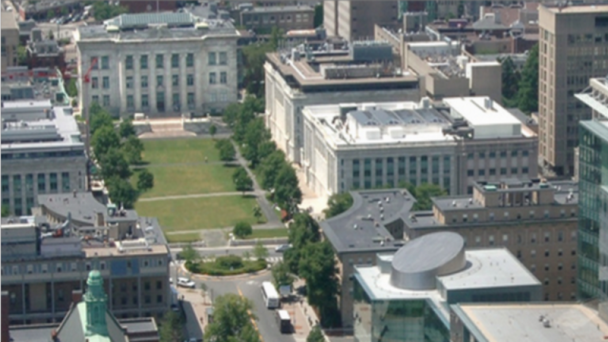
Some of the more significant neuroscience research centers include: the Center of Cognitive & Social Neuroscience; Center for Integrative Neuroscience and Neuroengineering; Brain Research Imaging Center; Center for Integrative Neuroscience and Neuroengineering; Center for Peripheral Neuropathy;  and the Grossman Institute for Neuroscience, Quantitative Biology and Human Behavior.

OnAir Post: Neuroscience at University of Chicago

Brandeis University

Brandeis University has a highly interactive research culture, with many cross-lab interactions and collaborations. This interactive culture begins with the rotation program: all first-year PhD students perform rotations in 4 research labs.

Brandeis has significant expertise in behavioral/cognitive neuroscience, cellular and molecular neuroscience, computational neuroscience and systems neuroscience (including the Sloan-Swartz Center for Theoretical Neuroscience), and developmental neuroscience.

Web Information

Website:   http://www.bio.brandeis.edu/grad/neuro/index.html BRAIN Grant – “Combining genetics, genomics, and anatomy to classify cell types across mammals”

Contact Information

Email: scigradoffice @ brandeis.edu Phone: (781) 736-2000 Address:415 South Street, Waltham, MA

Graduate Program

The Graduate Program in Neuroscience brings together students from a variety of intellectual backgrounds — including biology, computer science, chemistry, engineering, genetics, physics, and psychology — who conduct interdisciplinary research to understand the fundamental principles of the nervous system.

Students entering the Neuroscience Program at Brandeis have opportunities to work in a range of fields, including cognitive neuroscience in humans, neurophysiology in behaving animals, the physiology and theory of synapses and networks, the structure and function of ion channels, and the neurogenetics of behavior. Brandeis has significant expertise inbehavioral/cognitive neuroscience, cellular and molecular neuroscience, computational neuroscience and systems neuroscience (including the Sloan-Swartz Center for Theoretical Neuroscience), and developmental neuroscience.

Brandeis University is an ...

OnAir Post: Brandeis University

Columbia Neuroscience


Summary

Columbia Neuroscience is centered around the Kavli Institute for Brain Science and the Zuckerman Mind Brain Behavior Institute with 70 labs in 15 different departments.

Cumulatively, the Columbia neuroscience community of world-class neurobiologists generates more research funding than any other group in the country. Among them are two Nobel Prize winners, KIBS Director Eric Kandel  and KIBS Investigator Richard Axel; 11 Howard Hughes Medical Institute investigators; eight members of the National Academy of Sciences; and 13 members of the Institute of Medicine of the National Academies.


Information

Columbia Neuroscience/KIBS website: kavli.columbia.edu/ Zuckerman Mind Brain Behavior Institute websitezuckermaninstitute.columbia.edu/ Brain Initiative Grant –  “Developing drivers for neuron type-specific gene expression”

Emailkavli@columbia.edu Phone: 646-774-6830 Address:Kavli Institute for Brain Science Columbia University 1051 Riverside Drive, Unit 87 New York, NY 10032

Director: Eric Kandel


Mortimer B. Zucker­man Mind Brain Behavior Institute

Vision

The mechanisms of the brain, the workings of the mind, the complexities of human behavior—these are the challenges that define the scientific frontier for the Mortimer B. Zucker­man Mind Brain Behavior Institute.

The past 30 years have revolutionized our understanding of the biology of the brain, as new methods and tools have been used to explore the structure of its component neurons and circuits. Unraveling the details of how these neuronal networks function ...

OnAir Post: Columbia Neuroscience

Harvard Neuroscience

The Program in Neuroscience draws together neuroscientists from across Harvard. The physical home base of the program is located at the Longwood Campus of Harvard Medical School, in the Department of Neurobiology.

Research sites include the Longwood Medical Area, Cambridge Campus, Massachusetts General Hospital, and the McLean Hospital. The Center for Brain Science unites many neuroscience labs and houses in the newly established Swartz Program in Theoretical Neuroscience.

Web Information

Website: dms.hms.harvard.edu/neuroscience/prospective/AboutPIN Research Sites: dms.hms.harvard.edu/neuroscience/prospective/ResearchSites Brain Initiative Grant – “Comprehensive Classification Of Neuronal Subtypes By Single Cell Transcriptomics” BRAIN Initiative Grant– “Magnetic Particle Imaging (MPI) for Functional Brain Imaging in Humans” BRAIN Initiative Grant– “Mapping neuronal chloride microdomains” Brain Initiative Grant– “Neural circuits in zebrafish: form, function and plasticity”

Contact Information

Email: karen_harmin@hms.harvard.edu Phone: (617) 432-0912 Address: Program in Neuroscience Harvard Medical School 220 Longwood Avenue Goldenson 129 Boston, MA 02115

About the Program in Neuroscience

Mission Statement: We are an inter-departmental Ph.D. program for training in neuroscience. Our mission is to provide students with the instruction, research experience, and mentoring they need to become leaders in research and education.

Who we are: The Program in Neuroscience draws together neuroscientists from across Harvard. The physical home base of the program is located at the Longwood Campus of Harvard Medical School, in the Department of Neurobiology. Most coursework occurs at this campus, ...

OnAir Post: Harvard Neuroscience

MIT Neuroscience

MIT has numerous academic and research programs related to neuroscience. Key institutions include the Department of Brain, and Cognitive Sciences, Department of Biological Engineering, and the MIT Media Lab.

Important neuroscience related centers include: Center for Neurobiological Engineering (CNBE); McGovern Institute Neurotechnology (MINT) program; Simons Center for the Social Brain (SCSB); Synthetic Biology Center;Picower Center for Learning and Memory; and the Martinos Imaging Center at MIT.

Grant Information

Brain Initiative Grant – “Advancing MRI & MRS Technologies for Studying Human Brain Function and Energetics” Brain Initiative Grant – “Novel technologies for nontoxic transsynaptic tracing”“Novel technologies for nontoxic transsynaptic tracing” Brain Initiative Grant – “Ultra-Multiplexed Nanoscale In Situ Proteomics for Understanding Synapse Types” Brain Initiative Grant – “Calcium sensors for molecular fMRI” Brain Initiative Grant – “Next generation high-throughput random access imaging, in vivo” Brain Initiative Grant – “Cortical circuits and information flow during memory-guided perceptual decisions”

Department of Brain and Cognitive Sciences

Undergraduate program

Graduate program

Postdoctoral Program

Open Courseware

People

48 faculty members,over 200 graduate & undergraduate students, 180 researchers and post-docs and 36 staff

Department Head: James Dicarlo, PhD

Department of Biological Engineering

Academic Programs

Faculty

MIT Media Lab

Research

People

Research Centers 

Center for Neurobiological Engineering (CNBE)

OnAir Post: MIT Neuroscience

Princeton Neuroscience Institute


The Institute places particular emphasis on the close connection between theory, modeling and experimentation using the most advanced technologies.

Jon Cohen and David Tank serve as co-directors of the Institute. They view the Institute as a stimulus for teaching and research in neuroscience and related fields, as well as an impetus for collaboration and education in disciplines as wide ranging as economics and philosophy. Princeton collaborators come from an array of disciplines including mathematics, physics, engineering, chemistry, computer science, ecology and evolutionary biology, and economics.

Website:  pni.princeton.edu/ Brain Initiative Grant –  “Mechanisms of neural circuit dynamics in working memory” BRAIN Grant – “Vertically integrated approach to visual neuroscience: microcircuits to behavior”

Contact Information

E-mail: ttayler@princeton.edu Phone:  (609)258-0826 Address: Washington Road | Princeton, NJ 08544

Co-Directors: Jon Cohen and David Tank

Faculty by Department Affiliation

CHEMISTRY

Clarence Schutt Biophysics and structural biology

COMPUTER SCIENCE

Robert Schapire Theoretical and applied aspects of machine learning

ECOLOGY AND EVOLUTIONARY BIOLOGY

Carolyn McBride Genes and neural circuits underlying behavioral evolution James Gould Programming and decision making in animals Daniel Rubenstein Adaptive patterns of social behavior

ELECTRICAL ENGINEERING

Peter Ramadge Video and image processing, and adaptive systems

MECHANICAL AND AEROSPACE ENGINEERING

Philip Holmes Mathematical modeling Robert Stengel Optimal control ...

OnAir Post: Princeton Neuroscience Institute

UCSD Neuroscience


Summary

The University of California at San Diego (UCSD) leads the nation as the top neurosciences department in National Institutes of Health (NIH) funding.

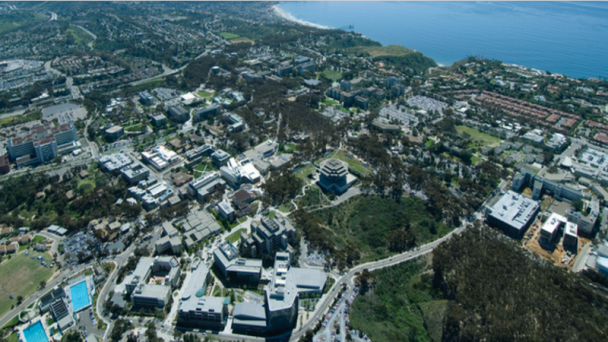
With about 120 faculty members, UC San Diego’s Neuroscience department is among the nation’s largest. The program’s labs, medical centers and clinics are located in the heart of the San Diego life sciences district. There are many research centers at UCSD including Kavli Institute for Brain and Mind; Swartz Center for Computational Neuroscience; and Research in Neuroscience at UC San Diego School of Medicine.


Information

Website: ucsd.edu/ Kavli Institute for Brain and Mind: kavlifoundation.org/university-california-san-diego Swartz Center for Computational Neuroscience: http://sccn.ucsd.edu/index.html Research in Neuroscience at UC San Diego School of Medicine: neurosciences.ucsd.edu/research/Pages/default.aspx Wikipedia Entry: wiki/University_of_California,_San_Diego BRAIN Initiative Grant – “Revealing the connectivity and functionality of brain stem circuits” Brain Initiative Grant– “Classifying Cortical Neurons by Correlating Transcriptome with Function” BRAIN Initiative Grant Optogenetic mapping of synaptic activity and control of intracellular signaling”


Research in Neuroscience at UC San Diego School of Medicine

UC San Diego leads the nation as the top neurosciences department in National Institutes of Health (NIH) funding.

With about 120 faculty members, UC San Diego’s Neuroscience department is among the nation’s largest. The program’s labs, medical centers and clinics are located in the heart of the ...

OnAir Post: UCSD Neuroscience

Cold Spring Harbor Laboratory

Summary

Cold Spring Harbor Laboratory (CSHL) is a private, not-for-profit research and education institution at the forefront of molecular biology and genetics.

CSHL research generates knowledge that will yield better diagnostics and treatments for cancer, neurological diseases and other major diseases, and that will lead to improved and more diverse food resources and more efficient biofuels. The Watson School of Biological Sciences trains the next generation of scientists through an innovative Ph.D. program and other educational offerings.


Information

Website:  http://www.cshl.edu/ Wikipedia Entry: wikipedia.org/wiki/Cold_Spring_Harbor_Laboratory BRAIN Grant – “Towards quantitative cell type-based mapping of the whole mouse brain” BRAIN Grant – “An optogenetic toolkit for the interrogation and control of single cells.”

Email:  contact info Phone: 516-367-8800 Address: One Bungtown Road Cold Spring Harbor, NY 11724

President and Chief Executive Officer:  Bruce W. Stillman Leadership


Neuroscience

CSHL neuroscientists focus on understanding how neural activity and neural circuitry underlie behavior, and how disruptions in these circuits lead to neurological and neuropsychiatric disorders such as Alzheimer’s disease, autism, schizophrenia and depression. These questions are addressed in two model systems—rodents and Drosophila—using molecular, cellular, genetic, developmental, theoretical, physiological and behavioral approaches.

Neuroscience research at CSHL is highly collaborative, and can be divided into three broad themes: sensory processing, cognition, and cognitive disorders.  The sensory processing group addresses basic questions about sensory representations (auditory, olfactory ...

OnAir Post: Cold Spring Harbor Laboratory

Caltech Neuroscience

Several Caltech laboratories are applying basic science findings to animal models of brain disorders, and these translational approaches are opening up novel therapeutic avenues.

Caltech Neuroscience research spans a wide range: from the molecular function of receptors; through signaling organelles like the synapse; the structure and function of single neurons; the assembly and function of circuits of nerve cells; and the collective function of brain systems in controlling behavior, perception, memory, cognition, and emotion.


Web Information

Neurobiology website:   http://neurobiology.caltech.edu/ Computaton & Neural Systems website: http://www.cns.caltech.edu/ Wikipedia Entry: http://en.wikipedia.org/wiki/California_Institute_of_Technology BRAIN Initiative Grant – Time-Reversal Optical Focusing for Noninvasive Optogenetics BRAIN Initiative Grant – “Modular nanophotonic probes for dense neural recording at single-cell resolution” BRAIN Initiative Grant – “Integrative Functional Mapping of Sensory-Motor Pathways” BRAIN Initiative Grant – “Dissecting human brain circuits in vivo using ultrasonic neuromodulation”

Contact Information

Email: meister@caltech.edu Phone: 626) 395-1782 Address: Neurobiology California Institute of Technology 1200 E. California Blvd., MC 216-76 Pasadena, CA 91125

Executive Officer for Neurobiology: Marianne Bronner

Computation and Neural Systems

Research

The CNS faculty maintain strong connections with colleagues throughout the Division, the Institute, and the Jet Propulsion Laboratory (JPL). Our faculty collaborate with colleagues from Bioengineering, Biology, Electrical Engineering, Control and Dynamical Systems, Mechanical Engineering, Physics, Mathematics and Astronomy, and JPL.

Neurophysiology Allman : Andersen :

OnAir Post: Caltech Neuroscience

UC Irvine Neuroscience

UC Irvine’s neuroscience efforts are primarily focused on the Department of Anatomy & Neurobiology in the School of Medicine and the Department of Neurobiology and Behavior in the School of Biological Sciences.

Research projects aim to discover treatments and cures for epilepsy, Alzheimer’s disease, stroke, learning and memory disorders, drug addiction, ALS (Lou Gehrig’s disease), deafness and other hearing disorders, spinal cord injury, Parkinson’s disease, dementia, mental retardation and to learn more about systems neuroscience, learning and memory, cell signaling, and hearing research.


Web Information

Department of Anatomy & Neurobiology Website:  anatomy.uci.edu/ Department of Neurobiology and Behavior website: neurobiology.uci.edu/ Brain Initiative Grant – “Towards a Complete Description of the Circuitry Underlying Memory replay”

Organization

Chair Department of Anatomy & Neurobiology: Ivan Soltesz Chair Department of Neurobiology and Behavior: Marcelo Wood mwood@uci.edu

Department of Neurobiology and Behavior

The Department of Neurobiology and Behavior is made up of a community of faculty, students, postdoctoral fellows and staff who share a common goal: creating an exciting intellectual environment that optimizes our research and teaching missions. Our faculty are highly distinguished both nationally and internationally. Presently two of our faculty are in the National Academy of Science, two in the American Academy of Arts and Sciences, two in the Royal Society of London, and ...

OnAir Post: UC Irvine Neuroscience

UMD Neuroscience and Cognitive Science

The Neuroscience and Cognitive Science (NACS) Graduate Program offer cutting-edge interdisciplinary training in several areas: Cellular and Molecular Neuroscience; Cognitive Neuroscience; Cognitive Science; Computational Neuroscience; and Systems Neuroscience.

These research activities are carried out in laboratories housed in six colleges and 17 different departments on the University of Maryland, College Park campus. Through our official partnership with the National Institutes of Health and active collaboration with Children’s National Medical Center, NACS graduate students may also receive research training.

Web Information

Website: nacs.umd.edu/ BRAIN Initiative Grant – “Crowd coding in the brain: 3D imaging and control of collective neuronal dynamics”

Contact Information

Email: NACS@umd.edu Phone:  301-405-8910 Address:2131 Biology-Psychology Bldg, University of Maryland, College Park, MD 20742

Organization

Director: Jens Herberholz

About the Program

Overall Philosophy

The Neuroscience and Cognitive Science (NACS) Program strives to educate exceptional scientists whose integrative training will form the basis for significant scientific contributions.  This is a research doctoral program designed on an apprenticeship model:  students train to become professional scientists by doing independent research and participating in all aspects of the profession under the guidance of a mentor.

Graduate Program

Students receive their doctorates from NACS. Support is available from training grants, research and teaching assistantships, and university fellowships and includes tuition and health benefits. Students have extensive opportunities for interaction through classes, seminars, special programs, and ...

OnAir Post: UMD Neuroscience and Cognitive Science

UNC Neuroscience

The UNC Neuroscience Center is an interdepartmental research center at the UNC-Chapel Hill School of Medicine.

The mission of the Neuroscience Center is to promote neuroscience research that is innovative, collaborative and translational. The Center promotes this goal by bringing together researchers working on fundamental problems in basic and clinical neuroscience. By integrating work across the spectrum of neuroscience, we aim to advance our understanding of brain development and function, and to identify new therapeutic approaches to a broad range of neurological and psychiatric disorders.

Web Information

UNC Neuroscience Center website: med.unc.edu/neuroscience Behavioral Neuroscience Graduate Program: bnpsych.unc.edu/ BRAIN Initiative Grant – ” Dreadd2.0: An Enhanced Chemogenetic Toolkit”

Contact Information

Email:  admin info Phone: (919) 843-8536 Address: 8109 Neuroscience Research Building CB# 7250 115 Mason Farm Rd. Chapel Hill, NC 27599

About the UNC Neuroscience Center

The UNC Neuroscience Center is an interdepartmental research center at the UNC-Chapel Hill School of Medicine. The mission of the Neuroscience Center is to promote neuroscience research that is innovative, collaborative and translational. The Center promotes this goal by bringing together researchers working on fundamental problems in basic and clinical neuroscience. By integrating work across the spectrum of neuroscience, we aim to advance our understanding of brain development and function, and to identify new therapeutic approaches to a broad range ...

OnAir Post: UNC Neuroscience

Neuro@Tech

Neuroscience and Neuroengineering research and education are found across multiple Schools and Colleges at Georgia Tech and span a wide range of interests, many of which pivot on cutting-edge technology.

Neuro@Tech devleops and translates innovative solutions to the challenges of understanding the complexity of the nervour system, treating neurological diseases and injuries, and augmenting neural function. Neuro@Tech uses qualitative systems-level, and integrative approaches to study the brain, spinal cord, and peripheral nervous system.

Web Information

Website:  neuro.gatech.edu/ Brain Initiative Grant – “In-vivo circuit activity measurement at single cell, sub-threshold resolution”

Contact Information

Email: andrews@bme.gatech.edu

About

Welcome to Neuro@Tech!  Neuroscience and Neuroengineering research and education are found across multiple Schools and Colleges at Georgia Tech and span a wide range of interests, many of which pivot on cutting-edge technology. We develop and translate interdisciplinary and innovative solutions to the challenges of understanding the complexity of the nervous system, treating neurological diseases and injuries, and augmenting neural function.

What makes Neuro@Tech special? Neuro@Tech is a dynamic and exciting community that fosters our existing programs and catalyzes new collaborative directions within Georgia Tech and with the broader Neuroscience and Neuroengineering communities.  We use quantitative, systems-level, and integrative approaches to study the most complex human organ—the brain—and the equally elegant spinal cord and ...

OnAir Post: Neuro@Tech

NYU Neuroscience Institute

In 2011, The New York University School of Medicine established a new, state-of-the-art Neuroscience Institute, with special thanks to a $100M founding gift from the Druckenmiller Foundation.

The Institute leverages NYU’s excellence in both basic science and clinical medicine. By developing strategic links and fostering innovative collaborations, we are addressing some of society’s most challenging health care issues, from Alzheimer’s disease and epilepsy to multiple sclerosis, psychiatric disorders, and malignant brain tumors.

Web Information

Website: hmed.nyu.edu/neuroscience/ Brain Initiative Grant – “Behavioral readout of spatiotemporal codes dissected by holographic optogenetics”

Contact Information

Email: cordee01@nyumc.org Phone: 212-263-9119 Address: Alexandria Center for Life Science 450 East 29th St, 9th Floor New York, NY  10016

Administrative Coordinator: Eileen Cordero

Overview of the Neuroscience Institute

In 2011, The New York University School of Medicine established a new, state-of-the-art Neuroscience Institute, with special thanks to a $100M founding gift from the Druckenmiller Foundation.

The NYU Neuroscience Institute leverages NYU’s excellence in both basic science and clinical medicine. By developing strategic links and fostering innovative collaborations, we are addressing some of society’s most challenging health care issues, from Alzheimer’s disease and epilepsy to multiple sclerosis, psychiatric disorders, and malignant brain tumors. In the coming years, we will continue to recruit world-class faculty, students, and investigators who will work together with ...

OnAir Post: NYU Neuroscience Institute

Pierre and Marie Curie University

Pierre and Marie Curie University (UPMC), also known as Paris 6 has more than 5,000 researchers and professors working in 100 laboratories across four divisions: Modeling & Engineering; Energy, Matter & the Universe; Living Earth & Environment; Life & Health.

The research ranges from fundamental to applied, with the aim to push the boundaries of knowledge and to explore major issues of sustainable development that preoccupy our society in the twenty-first century, including health, climate change, water, biodiversity, energy, and communications.

Web Information

Website: http://www.upmc.fr/en/research.html Wikipedia Entry: wikipedia.org/wiki/Pierre_and_Marie_Curie_University Brain Initiative Grant – “Three Dimensional Holography for Parallel Multi-target Optogenetic Circuit Manipulation”

Contact Information

Phone: +33 1 44 27 44 27 Address: UPMC 4 place Jussieu 75252 Paris cedex 05, France

Research 

UPMC has more than 5,000 researchers and professors working in 100 laboratories across four divisions: Modeling & Engineering; Energy, Matter & the Universe; Living Earth & Environment; Life & Health. The research ranges from fundamental to applied, with the aim to push the boundaries of knowledge and to explore major issues of sustainable development that preoccupy our society in the twenty-first century, including health, climate change, water, biodiversity, energy, and communications.

Knowledge production happens at all levels, in national and international research laboratories, and with industrial partners through technology transfer and innovation. UPMC has particularly focused on multidisciplinary approaches to ...

OnAir Post: Pierre and Marie Curie University

Roth Lab – UNC

Principal Investigator: Bryan Roth UNC Neuroscience

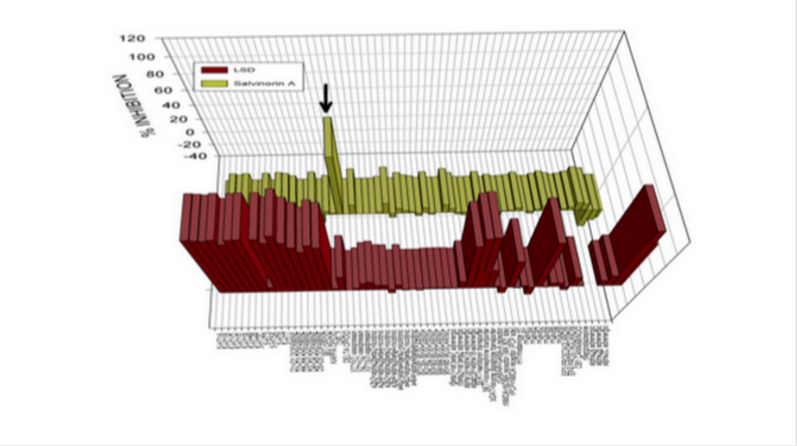
Roth Lab studies the structure and function of G-Protein coupled receptors (GPCRs). Roth Lab is part of the Department of Pharmacology, a research department in the School of Medicine at the University of North Carolina at Chapel Hill. The Roth lab is the principal contractor for the NIMH Psychoactive Drug Screening Program which includes the PDSP Ki database.

Serotonin receptor neurobiology: Since 1984, my lab has studied serotonin (5-hydroxytryptamine; 5-HT) and its receptors. Recently we have been focused on targeting and trafficking of 5-HT2-family receptors . Ongoing projects are directed to using mouse genetics to delineate the roles of accessory proteins and post-translational modifications in 5-HT receptor actions.

Web Information

Website:  pdspdb.unc.edu/rothlab/ BRAIN Initiative Grant – ” Dreadd2.0: An Enhanced Chemogenetic Toolkit”

Contact Information

Email: estelalopez@unc.edu Phone: 919-966-7535 Address: 4072 Genetic Medicine UNC-CH School of Medicine Chapel Hill, NC 27599-7365

Research

The Roth lab perfected the chemogenetic technology we have named “DREADD” (Designer Receptor Exclusively Activated by Designer Drugs; Armbruster et al, 2007). DREADD technology has afforded 100’s of labs world-wide the opportunity to discover how cell-type specific modulation of signaling is translated into behavioral and non-behavioral outcomes (see Urban and Roth, Ann Rev Pharmacol Toxicol 2015 for recent review)

The Roth lab continues to enhance ...

OnAir Post: Roth Lab – UNC

Skip to toolbar