Systems Neuroscience Overview

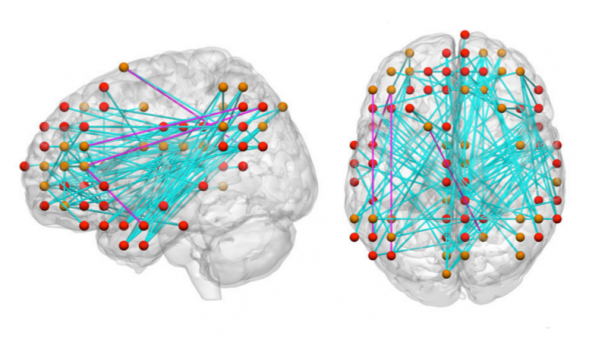
It is an umbrella term, encompassing a number of areas of study concerned with how nerve cells behave when connected together to form neural networks. At this level of analysis, neuroscientists study how different neural circuits analyze sensory information, form perceptions of the external world, make decisions, and execute movements.

OnAir Post: Systems Neuroscience Overview

A circuit theory of cortical function

This project aims to develop and test a new conceptual framework for understanding brain function, and informing biologically based artificial intelligence systems. The underlying theory holds that the properties of any neuron and any cortical area are not fixed but undergo state changes with changing perceptual task, expectation and attention.

OnAir Post: A circuit theory of cortical function

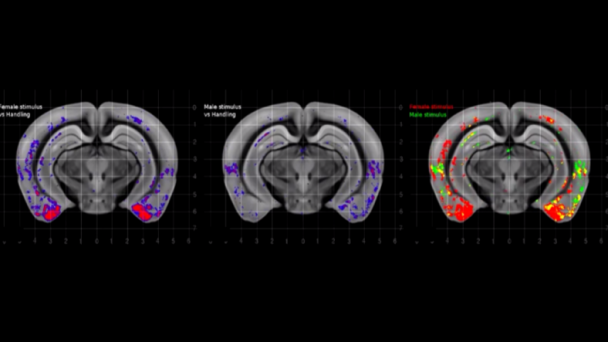
Imaging method linking brainwide cell activation & behavior

The method uses the presence of a protein called c-fos to indicate where individual neurons are active. The protein is generated by expression of a gene by the same name, which is known to correlate with neural activity. c-fos protein has been used previously as a marker for neural activity, although in experiments that required considerable labor and were often confined to small portions of the mouse brain.

OnAir Post: Imaging method linking brainwide cell activation & behavior

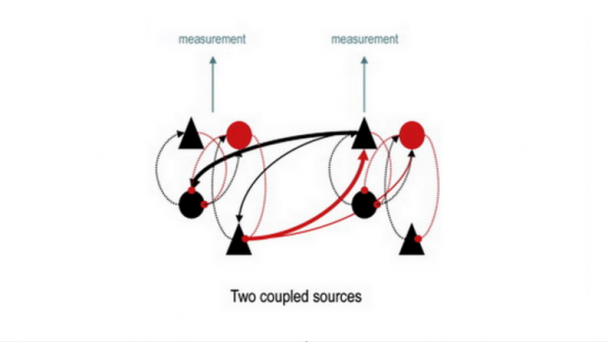
Dynamic causal modelling tracking slow modulations in synaptic gain

The synaptic weights defining these connections are tracked in time. We analyse brain activity of an epileptic subject, at the focus and just outside it.We point to modulations of synaptic connections as responsible of the seizure. (NeuroImage 2/15/15)

OnAir Post: Dynamic causal modelling tracking slow modulations in synaptic gain

Systems neuroscience: From the human brain to the global brain?

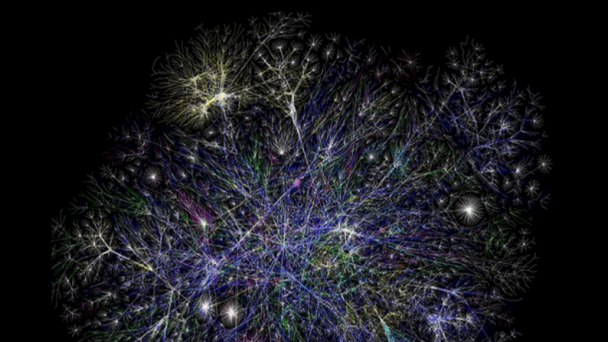
Building and expanding on existing neuroscience research on brain-to-brain communication, Marios Kyriazis argues that the realization of the Global Brain (GB), the worldwide distributed and self-organized intelligence both depends on, and influences, its individual components, i.e. the individual human brains.

OnAir Post: Systems neuroscience: From the human brain to the global brain?

Skip to toolbar