My stroke of insight

https://www.youtube.com/watch?v=UyyjU8fzEYUVideo can’t be loaded because JavaScript is disabled: My stroke of insight | Jill Bolte Taylor | TED (https://www.youtube.com/watch?v=UyyjU8fzEYU)

“Neuroanatomist Jill Bolte Taylor had an opportunity few brain scientists would wish for: One morning, she realized she was having a massive stroke. As it happened — as she felt her brain functions slip away one by one, speech, movement, understanding — she studied and remembered every moment. This is a powerful story about how our brains define us and connect us to the world and to one.”

Filmed February 2008 at TED 2008 Uploaded to YouTube on March 13, 2008 by TED  

TED Talks webpage

OnAir Post: My stroke of insight

Kavli Foundation: Introduction to Neuroscience

Vidoe narrated by Alan Alda, this introduction to neuroscience gives us a brief overview of the field and illuminates some of the interesting questions being currently researched.

Published on March 6, 2008 by Kavli Foundation


Video

 YouTube Page

https://www.youtube.com/watch?v=PfQkDHopJs8Video can’t be loaded because JavaScript is disabled: Kavli Foundation: Introduction to Neuroscience (https://www.youtube.com/watch?v=PfQkDHopJs8)

OnAir Post: Kavli Foundation: Introduction to Neuroscience

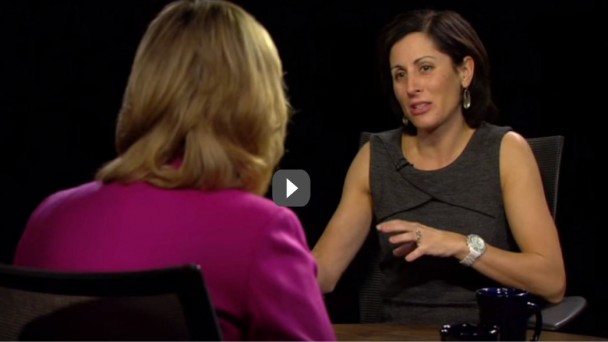
Lisa Genova – Conversations from Penn State

Dr. Lisa Genova is the best-selling author of Still Alice and Left Neglected. She discusses how her background in neuroscience helps shape her narratives, her personal experiences with Alzheimer’s, and her upcoming novel, Love Anthony.

Video published Dec. 7, 2011 by wpsu

https://www.youtube.com/watch?v=FMlst-7de2AVideo can’t be loaded because JavaScript is disabled: Lisa Genova – Conversations from Penn State (https://www.youtube.com/watch?v=FMlst-7de2A)

OnAir Post: Lisa Genova – Conversations from Penn State

Understanding and mapping the human brain

https://www.youtube.com/watch?v=2s6uEwYCBKA

What do we really know about the human brain? And how are researchers working to learn more? We discuss interesting and promising ways that researchers are trying to learn more about how the brain works.

Anders Lansner, Professor of Computational Biology at Stockholm University and affiliated professor of Computer science at KTH Royal Institute of Technology Håkan Fischer*, Professor of Biological Psychology at the Department of Psychology at Stockholm University Marie Öhman, Professor of Molecular Biosciences at Stockholm University Jill Bolte Taylor, American neuroanatomist, author, and inspirational public speaker

Video published April 24, 2015 by Crosstalks TV

OnAir Post: Understanding and mapping the human brain

The Dynamic Brain – Charles Gilbert

2015 Scolnick Prize Lecture: The Dynamic Brain

Dr. Charles Gilbert of The Rockefeller University delivers the annual Scolnick Prize Lecture on Friday, March 20, 2015. Charles Gilbert has been a pioneer in understanding the function of visual cortex. His work addresses fundamental questions about visual perception, and has also provided important insights into how the brain recovers from injury and degenerative disease.

Video Published  April 1, 2015 by McGovern Institute for Brain Research at MIT

https://www.youtube.com/watch?v=Bwrwa4Sx4-UVideo can’t be loaded because JavaScript is disabled: 2015 Scolnick Prize Lecture: The Dynamic Brain (https://www.youtube.com/watch?v=Bwrwa4Sx4-U)

OnAir Post: The Dynamic Brain – Charles Gilbert

Time, Space, and Computation – Aude Oliva

Time, Space and Computation: Converging Human Neuroscience and Computer Science

Video from BRAIN Workshop – “Research Interfaces between Brain Science and Computer Science”

December 3-5, 2014 Washington, DC

Published on Jan. 5, 2015 by computingresearch

For more information on Aude Oliva, go this BRAIN 2015 post

https://www.youtube.com/watch?v=KtUs9VLUwN8Video can’t be loaded because JavaScript is disabled: Time, Space and Computation: Converging Human Neuroscience and Computer Science (https://www.youtube.com/watch?v=KtUs9VLUwN8)

OnAir Post: Time, Space, and Computation – Aude Oliva

How well can you focus your brain?

https://www.youtube.com/watch?v=NIy6BBBsXIk&feature=em-subs_digestVideo can’t be loaded because JavaScript is disabled: How well can you focus your brain? (https://www.youtube.com/watch?v=NIy6BBBsXIk&feature=em-subs_digest)


How well can you focus your brain?

Seven digits is the “magic number” for neuroscientists. It’s just about the maximum your short-term memory can retain. Can you remember a seven-digit number? Find out with Barbara Shinn-Cunningham, head of the NSF-funded CELEST Science of Learning Center at Boston University​.

Shinn-Cunningham and other leaders from the Science of Learning Centers provided a Capitol Hill briefing June 24, 2015 on their work studying how the brain learns and develops. Rep. Chaka Fattah hosted the briefing.

VIDEO-  published on July 27, 2015 by NSF BRAIN Initiative

You can find more information on CELEST (the Center for Learning in Education, Science, and Technology) here – http://celest.bu.edu/

The other Science of Learning Centers are: The Temporal Dynamics of Learning Center (TDLC) – http://tdlc.ucsd.edu/index.html The Learning in Informal and Formal Environments (LIFE) center –

OnAir Post: How well can you focus your brain?

How smart can we get – Nova Science

How do you get a genius brain? Is it all in your genes? Or is it hard work? Is it possible that everyone’s brain has untapped genius–just waiting for the right circumstances so it can be unleashed?

From a man who can immediately name the day of the week of any date in history to a “memory athlete” who can remember strings of hundreds of random numbers, David Pogue meets people stretching the boundaries of what the human mind can do.

Video Aired October 24, 2012 on PBS

Image from Nova documentary

Web Information

Webpage (includes transcript): pbs.org/wgbh/nova/body/how-smart-can-we-get.html

Video

Human Brain: How smart can we get – Documentary

Video published on YouTube Mar. 25, 2015 by Science&Technology 4U

https://www.youtube.com/watch?v=GxPWAw9nemU

OnAir Post: How smart can we get – Nova Science

HarvardX course- Fundamentals of Neuroscience (video)

The Fundamentals of Neuroscience Part 3: The Brain This free Harvard edX course, MCB80x, will return on 9/30/15Part 3: The Brain is Now Open for Registration!

Do you want to learn about how brains perceive the world? The third module will explore sensation, perception and the physiology of functional regions of the brain. Register now for the start of the course on September 30th.

Image from HarvardX- Fundamentals of Neuroscience video

Website Information

The Fundamentals of Neuroscience Part 3: The Brain

To explore material from MCB80x Part 2: Neurons and Networks, go here: https://www.mcb80x.org/map#!/map/neur…

To explore material from MCB80x Part 1: Electrical Properties of the Neuron, go here: https://www.mcb80x.org/map#!/map/elec…

Course Information

For more course information, go to this post

Do you want to learn about how brains perceive the world? Join us in this third module as we explore sensation, perception and the physiology of functional regions of the brain. PLEASE NOTE: This course is not hosted on the edX platform, but can be found at www.mcb80x.org

Each lesson will be media- and content-rich and will challenge you to master material with interactive segments that depend on your feedback to move forward in the ...

OnAir Post: HarvardX course- Fundamentals of Neuroscience (video)

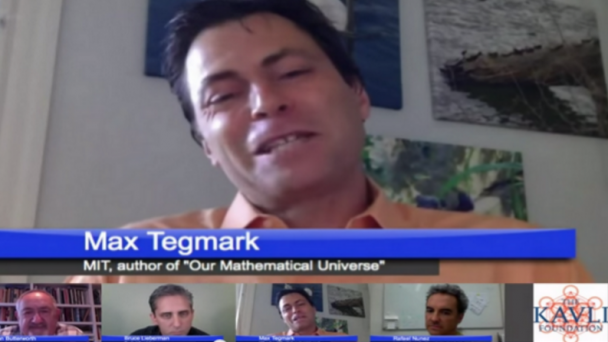
The Brain or the Universe – Where Does Math Come From?

On Aug. 7th, science writer Bruce Lieberman asked your questions of three leading scientists — two neuroscientists and one astrophysicist — about math and the mind.

Join Brian Butterworth (Emeritus Professor of Cognitive Neuropsychology at the Institute of Cognitive Neuroscience at University College London), Rafael Núñez (Professor of Cognitive Science at the University of California, San Diego and member of UCSD’s Kavli Institute for Brain and Mind), and astrophysicist Max Tegmark (Professor of Physics at the Massachusetts Institute of Technology, and member of MIT’s Kavli Institute for Astrophysics and Space Research) as they discuss where math comes from.

Sections of Video

3:15 What are the primary reasons that we think the universe is inherently mathematical? 5:15 If the universe is inherently mathematical how does that effect neuroscience? 8:00 If the universe is not inherently mathematical how does that effect astrophysics? 14:05 If the universe is inherently mathematical, for something to exist does it need to belong to a set/group? 16:50 Are there aspects of the natural world that elude to their innate mathematical properties? 24:05 Does a mathematical universe suggest there was a first cause (god) of all the seen or unseen universe? 29:15 Does the universe have an innate mathematical proportionality?

OnAir Post: The Brain or the Universe – Where Does Math Come From?

Movie ‘Inside Out’ and Neuroscience

Inside Out is a 2015 American 3D computer-animated fantasy comedy-drama film produced by Pixar Animation Studios and released by Walt Disney Pictures. Directed by Pete Docter, the film is set in the mind of a young girl, Riley Anderson (Kaitlyn Dias), where five personified emotions—Joy (Amy Poehler), Anger (Lewis Black), Disgust (Mindy Kaling), Fear (Bill Hader), and Sadness (Phyllis Smith)—try to lead her through life as she moves with her parents (Diane Lane andKyle MacLachlan) to a new city. Wikipedia 6/27/15

Below is a selection of articles written about “Inside Out” and its foundation in neuroscience research.

https://www.youtube.com/watch?v=seMwpP0yeu4Video can’t be loaded because JavaScript is disabled: Inside Out Official Trailer #2 (2015) – Disney Pixar Movie HD (https://www.youtube.com/watch?v=seMwpP0yeu4)

Neuroscience Inspires Cartoon Action in Pixar’s ‘Inside Out’

by Associated Press 6/15/15 via NY Times

LOS ANGELES — Drawing on real neuroscience and the latest psychological research, “Inside Out” goes where no animated film has gone before: Deep inside ...

OnAir Post: Movie ‘Inside Out’ and Neuroscience

Seeing Beyond the Visual Cortex

https://www.youtube.com/watch?v=_Y4KsUqmuUwVideo can’t be loaded because JavaScript is disabled: Seeing Beyond the Visual Cortex | Science Nation (https://www.youtube.com/watch?v=_Y4KsUqmuUw)

“Seeing Beyond the Visual Cortex”

Tony Ro, a neuroscientist at The City College of New York, is artificially recreating a condition called Blindsight in his lab.  With support from the National Science Foundation, Ro is developing a clearer picture of how other parts of the brain, besides the visual cortex, respond to visual stimuli. He says understanding and mapping those alternative pathways might be the key to new rehabilitative therapies.

NSF BRAIN Initiative Science Nation – March 29, 2012 Published March 29, 2012

Description

It’s a chilling thought – losing the sense of sight because of severe injury or damage to the brain’s visual cortex. But, is it possible to train a damaged or injured brain to “see” again after such a catastrophic injury? Yes, according to Tony Ro, a neuroscientist at The City College of New York, who is artificially recreating a condition called Blindsight in his lab. “Blindsight is ...

OnAir Post: Seeing Beyond the Visual Cortex

The connection between sleep and memory

https://www.youtube.com/watch?v=ObuaXhtKbVYVideo can’t be loaded because JavaScript is disabled: The Connection Between Memory & Sleep | Science Nation (https://www.youtube.com/watch?v=ObuaXhtKbVY)

“What’s the connection between sleep and memory?”

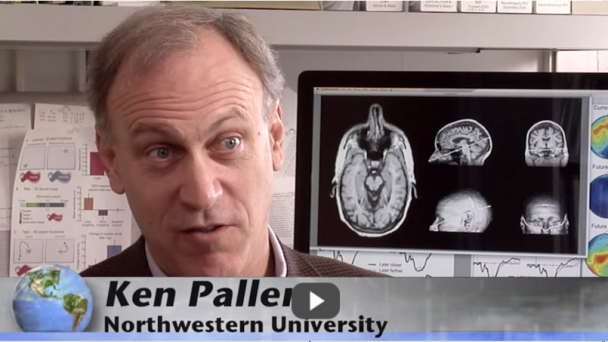
With support from the National Science Foundation (NSF), Ken Paller and his team at Northwestern University are studying the connection between memory and sleep, and the possibilities of boosting memory storage while you snooze. “We think many stages of sleep are important for memory. However, a lot of the evidence has shown that slow-wave sleep is particularly important for some types of memory,” explains Paller.

NSF BRAIN Initiative Science Nation – January 10, 2013

Description

When you’re studying for an exam, is there something you can do while you sleep to retain the information better?

“The question is, ‘What determines which information is going to be kept and which information is lost?'” says neuroscientist Ken Paller.

With support from the National Science Foundation (NSF), Paller and his team at Northwestern University are studying the connection between memory ...

OnAir Post: The connection between sleep and memory

Mind Reading Computer System

https://www.youtube.com/watch?v=FKu75kiqoSoVideo can’t be loaded because JavaScript is disabled: Mind Reading Computer System May Help People with Locked-in Syndrome – Science Nation (https://www.youtube.com/watch?v=FKu75kiqoSo)

“Mind Reading Computer System May Help People with Locked-in Syndrome”

Boston University neuroscientist Frank Guenther works with the National Science Foundation’s Center of Excellence for Learning in Education, Science and Technology (CELEST), which is made up of eight private and public institutions. Its purpose is to synthesize the experimental modeling and technological approaches to research in order to understand how the brain learns as a whole system.

NSF BRAIN Initiative Science Nation – October 13, 2011

Description

Imagine living a life in which you are aware of the world around you but you’re prevented from engaging in it because you are completely paralyzed. Even speaking is impossible. For an estimated 50,000 Americans this is a harsh reality. It’s called locked-in syndrome, a condition in which people with normal cognitive brain activity suffer severe paralysis, often from injuries ...

OnAir Post: Mind Reading Computer System

Causes of nausea during a 3D movie

https://www.youtube.com/watch?v=LCkHCtK0fM8Video can’t be loaded because JavaScript is disabled: What causes nausea during a 3D movie? – Science Nation (https://www.youtube.com/watch?v=LCkHCtK0fM8)

“What causes nausea during a 3D movie?”

Fred Bonato of St. Peter’s College in Jersey City has spent years steadily tracking what he calls “cyber sickness.” Bonato says that biologically we’re not designed to be put in situations where we experience the unnatural motion of a car, a boat, or weightlessness. His National Science Foundation supported research indicates the sense of motion not matching our sense of vision causes our brains to think we are being poisoned.

NSF BRAIN Initiative Science Nation – April 2, 2014

Description

Ever feel nausea while watching a 3D movie? With the success of movies such as “Avatar” and “Alice in Wonderland” and promises of 3D television just around the corner, 2010 might well be remembered as the year of 3D. But while many of us enjoy 3D technology, a few ...

OnAir Post: Causes of nausea during a 3D movie

Researching human spatial recognition

https://www.youtube.com/watch?v=OT6XT2NSxRcVideo can’t be loaded because JavaScript is disabled: Researching human spatial recognition – Science Nation (https://www.youtube.com/watch?v=OT6XT2NSxRc)

“Researching human spatial recognition”

With funding from the National Science Foundation, Amy Shelton is testing human spatial recognition. Study subjects learn and recall their way around a virtual maze while an MRI scans their brains. By analyzing MRI images of blood flow in the human Shelton can get a picture of how the brain learns and recalls the spatial world outside the body.

NSF BRAIN Initiative Science Nation – April 2, 2014

Description

What happens in your brain when you get lost or forget something? Johns Hopkins University Neuroscientist Amy Shelton believes she can find the answer. With funding from the National Science Foundation, she’s testing human spatial recognition. Study subjects learn and recall their way around a virtual maze while an MRI scans their brains. By analyzing MRI images of blood flow in the human Shelton can get a picture of how the brain learns and recalls the spatial world outside the body. By ...

OnAir Post: Researching human spatial recognition

Stress and the teenager’s brain

https://www.youtube.com/watch?v=mhO9sPEsLzAVideo can’t be loaded because JavaScript is disabled: How does stress affect a teenager’s brain? – Science Nation (https://www.youtube.com/watch?v=mhO9sPEsLzA)

“How does stress affect a teenager’s brain?”

With support from the National Science Foundation, UCLA Psychologist Adriana Galvan is investigating the effects of daily stress on a teen’s cognition and brain function. She is monitoring the daily stress of teens by having them carry a personal digital device that provides daily measures of stress over two weeks. She is also scanning their brains and measuring their stress hormone levels. By taking this multi-method approach, Galvan is learning how daily stress influences cognitive neurodevelopment in teens.

NSF BRAIN Initiative Science Nation – April 2, 2014

Description

Ever wonder what is going on in the brain of a teenager, especially one who is stressed out? UCLA Psychologist Adriana Galvan is on a quest to find out. With support from the National Science Foundation, she’s investigating the effects of daily stress on a teen’s cognition and brain ...

OnAir Post: Stress and the teenager’s brain

Parkinson’s Disease and Stem Cell Research

Part 2 of 3) Arnold Kriegstein, M.D., Ph.D., spoke at the “Spotlight on Parkinson’s Disease,” an educational event presented at the CIRM Governing Board meeting on May 7, 2008. Kriegstein reviewed the limitations of previous Parkinson’s clinical trials and discussed the prospects for stem cell-based cell replacement therapies for Parkinson’s disease.

Video published on June 11, 2011 by California Institute for Regenerative Medicine

Arnold Kriegstein: Director, Eli and Edythe Broad Center of Regeneration Medicine and Stem Cell Research, UC San Francisco Department of Neurology

Arnold Kriegstein Profile

Director, Eli and Edythe Broad Center of Regeneration Medicine and Stem Cell Research, UC San Francisco Department of Neurology

Kriegstein’s research in our lab focuses on the way in which neural stem and progenitor cells produce neurons, and ways in which this information can be used for cell based therapies to treat diseases of the nervous system. He has found that radial glial cells, long thought to simply guide nerve cells during migration, are neuronal stem cells in the developing brain.

BRAIN 2015 page

Video

YouTube Page

OnAir Post: Parkinson’s Disease and Stem Cell Research

How flies fly: Michael Dickinson

“An insect’s ability to fly is perhaps one of the greatest feats of evolution. Michael Dickinson looks at how a fruit fly takes flight with such delicate wings, thanks to a clever flapping motion and flight muscles that are both powerful and nimble. But the secret ingredient: the incredible fly brain.”

Video filmed Jan. 2013 at TEDx Caltech

Profile

Zarem Professor of Bioengineering, Caltech Neuroscience Director, Dickinson Lab

The aim of Dickinson’s research is to elucidate the means by which flies accomplish their aerodynamic feats. A rigorous mechanistic description of flight requires an integration of biology, engineering, fluid mechanics, and control theory. The long term goal, however, is not simply to understand the material basis of insect flight, but to develop its study into a model that can provide insight to the behavior and robustness of complex systems in general.


OnAir Post: How flies fly: Michael Dickinson

You Look Familiar: Unearthing the Face Within

https://www.youtube.com/watch?v=Hf8NtMhPSOAVideo can’t be loaded because JavaScript is disabled: You Look Familiar: Unearthing the Face Within: Doris Tsao at TEDxCaltech (https://www.youtube.com/watch?v=Hf8NtMhPSOA)

Doris Tsao is an assistant professor of biology and computation and neural systems at Caltech. She joined the Caltech faculty in 2009, and prior to that was head of an independent research group at the University of Bremen. She studied biology and mathematics at Caltech as an undergraduate and received her Ph.D. in neuroscience from Harvard in 2002. Her central interest is in understanding the neural mechanisms underlying vision.

She has received multiple honors including the Sofia Kovalevskaya Award, the Eppendorf and Science International Prize in Neurobiology, Technology Review TR35, Searle Scholar Award, Klingenstein Scholar Award, Merck Scholar Award, Alfred Sloan Fellowship, DARPA Young Faculty Award, McKnight Technological Innovations in Neuroscience Award, NSF CAREER Award, and the NIH Pioneer Award.

Video published on Feb. 1, 2013 by TEDx Talks at TEDxCaltech Jan 2013

Profile

Professor of biology and biological engineering at ...

OnAir Post: You Look Familiar: Unearthing the Face Within

Soltesz Lab: GABAergic interneurons in the hippocampus

https://www.youtube.com/watch?v=KiVdY6XZAL0Video can’t be loaded because JavaScript is disabled: How GABAergic interneurons in the hippocampus choose their postsynaptic partners (https://www.youtube.com/watch?v=KiVdY6XZAL0)

“How GABAergic interneurons in the hippocampus choose their postsynaptic partners”

The CA1 region consists of heterogeneous pyramidal cells. In this video, Drs. Ivan Soltesz, Sang-Hun Lee, and Ivan Marchionni describe that GABAergic, parvalbumin expressing basket cells preferentially target specific subsets of pyramidal cells, while being selectively excited by other subsets, demonstrating nonuniform perisomatic inhibition of hippocampal output channels.

Lab Profile

Principal Investigator: Ivan Soltesz UC Irvine Neuroscience

The Soltesz Lab is interested in how brain cells communicate with each other and how the communication changes after fever-induced seizures in early childhood and after head injury. Our general goal is to understand how neuronal networks function and dysfunction, in order to discover new therapies to prevent epilepsy.

OnAir Post: Soltesz Lab: GABAergic interneurons in the hippocampus

McGovern Institute: Understanding the Brain in Health and Disease

Robert Desimone, Director of the McGovern Institute for Brain Research at MIT, gives a keynote address at the Institute’s 10th anniversary celebration on October 14, 2010.

McGovern Institute for Brain Research at MIT

Robert Desimone, Director of the McGovern Institute for Brain Research at MIT

Robert Desimone Profile

Doris and Don Berkey Professor of Neuroscience, Department of Brain and Cognitive SciencesMassachusetts Institute of Technology Director, McGovern Institute for Brain Research

Robert Desimone studies the brain mechanisms that allow us to focus our attention on a specific task while filtering out irrelevant distractions. Our brains are constantly bombarded with sensory information. The ability to distinguish relevant information from irrelevant distractions is a critical skill, one that is impaired in many brain disorders.

BRAIN 2015 page

Video

YouTube page

Published on Nov. 12, 2010 by MITtechTV

https://www.youtube.com/watch?v=4qzvsjFdsAc


OnAir Post: McGovern Institute: Understanding the Brain in Health and Disease

What a fly’s brain tells us about our own minds

https://www.youtube.com/watch?v=FpE9hFJWA8k

“The fruit fly has a very long and distinguished career in science. At a facility considered a Nirvana for scientists, researchers pursue greater understanding of biomedical processes, using test subjects like dragonflies and zebrafish.

PBS News Hour Science correspondent Miles O’Brien reports on how the Janelia Farm Research Campus supports groundbreaking basic research.”

Article on PBS website art

Published July 23, 2014 by PBS Newshour


Transcript

GWEN IFILL: Next: trying to better understand what’s happening in the brain of a fruit fly, a dragonfly, or a zebra fish, all part of a larger puzzle to learn more about how our own brains work.

NewsHour science correspondent Miles O’Brien has the first in our three-part series on the science of the brain.

MILES O’BRIEN: Oh, to be a fly on the wall at the Basic Research Facility scientist consider nirvana. You might see a Nobel Prize in the making or you might be subjected to this, the fruit fly version of a scary movie, the rapidly growing shadow of a predator homing in for the kill.

GWYNETH CARD, Howard Hughes Medical Institute-Janelia Farm Research Campus: My lab is really interested in how flies make decisions.

MILES O’BRIEN: Neuroscientist Gwyneth Card runs a laboratory at the Howard Hughes Medical ...

OnAir Post: What a fly’s brain tells us about our own minds

Unraveling embryonic development cell by cell

YouTube link

“New computer software to unravel embryonic development cell by cell”

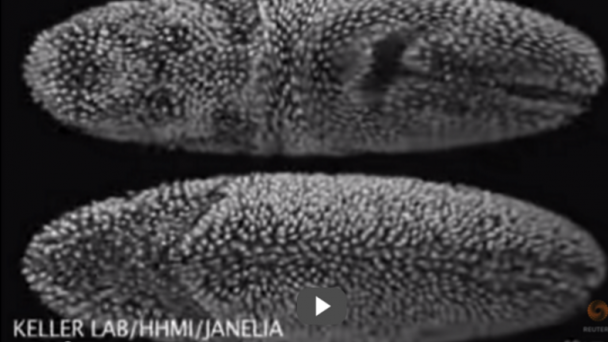
Researchers at the Howard Hughes Medical Institute Janelia Research campus are using a new type of computer software to track and image how a nervous system develops in unprecedented detail. The new system is able to track individual cells during embryonic development, giving scientists a powerful to tool to create a blueprint of how brains form. Ben Gruber reports, Reuters.


Published Aug. 6, 2014 by Reuters


OnAir Post: Unraveling embryonic development cell by cell

More Charlie Rose Brain Series videos

In this post, we have assembled some of the “Charlie Rose Brain Series” episodes. These videos were found in the #Charlie Rose channel under the title “Popular Charlie Rose & Charlie Rose: Brain Series videos”.

The entire collection of  Charlie Rose Brain Series videos can be found at Hulu.com/charlie-rose (available with subscription).

Series 1 The Great Mysteries Of The Human Brain

https://www.youtube.com/watch?v=X4A60HFLWSAVideo can’t be loaded because JavaScript is disabled: 01 – the great mysteries of the human brain (https://www.youtube.com/watch?v=X4A60HFLWSA)


Series 2 – Alzheimers Disease

YouTube page  54:55 minutes

https://www.youtube.com/watch?v=55Vx2fKxh24Video can’t be loaded because JavaScript is disabled: Charlie Rose – Brain Series 2: Alzheimers Disease (https://www.youtube.com/watch?v=55Vx2fKxh24)

Series 3 – The Acting Brain


Series 4 – The Social Brain

OnAir Post: More Charlie Rose Brain Series videos

CSHL Keynote Series, Hidehiko Inagaki

“Neuronal mechanism of state control in Drosophila melanogaster” from the Neuronal Circuits meeting 4/5/2014

Presented by Hidehiko Inagaki, HHMI Janelia Farm Part of Cold Springs Harbor Laboratory Keynote lecture series 

Video

YouTube Page

Published on April 9, 2014 by CSHL Leading Strand

https://www.youtube.com/watch?v=XOW666OXYKYVideo can’t be loaded because JavaScript is disabled: CSHL Keynote Series, Hidehiko Inagaki, HHMI Janelia Farm Research Campus (https://www.youtube.com/watch?v=XOW666OXYKY)


OnAir Post: CSHL Keynote Series, Hidehiko Inagaki

James Watson: 2013 Annual Symposium

Title: Genes and mental illness.

Dr. James Watson is Chancellor Emeritus at Cold Spring Harbor Laboratory. He received the Nobel Prize in Physiology or Medicine in 1962 for his 1953 co-discovery of the structure of DNA. The prize was awarded with Drs. Francis Crick and Maurice Wilkins. Their research elucidated a central concept in the emerging field of biology: understanding the structure of a molecule reveals information about its function. DNA’s double helix structure suggested a clear mechanism by which genes are replicated and living beings reproduce.


Published on October 3, 2013  by Allen Institute for Brain Science

https://www.youtube.com/watch?v=L7oFqMAqDMQ

Title: Genes and mental illness.

Dr. James Watson is Chancellor Emeritus at Cold Spring Harbor Laboratory. He received the Nobel Prize in Physiology or Medicine in 1962 for his 1953 co-discovery of the structure of DNA. The prize was awarded with Drs. Francis Crick and Maurice Wilkins. Their research elucidated a central concept in the emerging field of biology: understanding the structure of a molecule reveals information about its function. DNA’s double helix structure suggested a clear mechanism by which genes are replicated and living beings reproduce.

Published on October 3, 2013  by Allen Institute for Brain Science

OnAir Post: James Watson: 2013 Annual Symposium

Coding & Vision 101 by Allen Institute

The 12 full-length, undergraduate-level video lectures below are entitled “Coding & Vision 101” and are produced by the Allen Institute for Brain Science as an educational resource for the community.

Published to YouTube in late 2015 and early 2015 by Allen Institute for Brain Science

Allen Institute webpage for all videos


Lecture 1: A Walk-through of the Mammalian Visual System

“From the retina to the superior colliculus, the lateral geniculate nucleus into primary visual cortex and beyond, R. Clay Reid gives a tour of the mammalian visual system highlighting the Nobel-prize winning discoveries of Hubel & Wiesel.”

https://www.youtube.com/watch?v=mtPgW1ebxmEVideo can’t be loaded because JavaScript is disabled: Lecture 1: A Walk-through of the Mammalian Visual System (https://www.youtube.com/watch?v=mtPgW1ebxmE)


Lecture 2: What is Meant by Computation?

“From Universal Turing Machines to McCulloch-Pitts and Hopfield associative memory networks, Christof Koch explains what is meant by computation.”

https://www.youtube.com/watch?v=dwOGh6qkzG4

Lecture 3: The Structure of the Neocortex

“In an overview of the structure of the mammalian neocortex, Dr. Clay Reid explains how the mammalian cortex is organized ...

OnAir Post: Coding & Vision 101 by Allen Institute

Cori Bargmann: 2012 Allen Symposium

https://www.youtube.com/watch?v=Blquxto1oIoVideo can’t be loaded because JavaScript is disabled: Cori Bargmann: 2012 Allen Institute for Brain Science Symposium (https://www.youtube.com/watch?v=Blquxto1oIo)

Published on November 12, 2012  by Allen Institute for Brain Science

Dr. Cori Bargmann, recent winner of the Kavli Prize in Neuroscience and a pioneer in methods of looking at C. elegans to uncover how neural circuits operate, presented the idea that particular classes of genes — neuropeptides to be specific — are good places to look for the genetic origin of behavior. Because much of the genome is conserved across species and throughout time, new behaviors may be created by redeploying old genes in different ways.

Uncovering the basic building blocks of behavior, she believes, is an unsolved question in neuroscience that is now becoming solvable.

“The question is not whether calbindin is expressed in the hippocampus, but whether it has something to do with the unique functions of human memory capabilities,” Bargmann said. “That is a hard question.” Certain kinds of molecules relate to innate behaviors that are shared across ...

OnAir Post: Cori Bargmann: 2012 Allen Symposium

Earl Miller: 2012 Allen Symposium

https://www.youtube.com/watch?v=6QjIKr_vIecVideo can’t be loaded because JavaScript is disabled: Earl Miller: 2012 Allen Institute for Brain Science Symposium (https://www.youtube.com/watch?v=6QjIKr_vIec)

Published on October 12, 2012  by Allen Institute for Brain Science

“Brain rhythms and cognition”

From physics to electrophysiology and imaging, Dr. Miller and his lab focus on broad and far-reaching approaches to neuroscience questions. This symposium talk focused on questions similarly posed by Sabine Kastner, namely the relationship between action potential timing and brain function. By recording neural activity in monkeys as they switch among two tasks, Miller found that over half of the recording sites in the network for one task also appear to participate in the network for the other task. This suggests that circuitry in the prefrontal cortex may overlap and that oscillations are the key to selecting appropriate networks for the task that needs to be performed. Miller showed that neural ensembles, or networks, in close proximity oscillate out of phase with one another to avoid being simultaneously activated. That is, the oscillations bind neural ensembles ...

OnAir Post: Earl Miller: 2012 Allen Symposium

Sabine Kastner: 2012 Allen Symposium


https://www.youtube.com/watch?v=26n7I2biijQVideo can’t be loaded because JavaScript is disabled: Sabine Kastner: 2012 Allen Institute for Brain Science Symposium (https://www.youtube.com/watch?v=26n7I2biijQ)

“The role of thalamo-cortical interactions in spatial attention”

Similar to the questions posed by Ila Fiete and Earl Miller, Dr. Kastner asks: How do large-scale networks achieve cognition? How do the connections between molecules and neurons give rise to complex visual processing that we as primates enjoy? The basic premise of her work relies on the assumption that spike timing may play a critical role in brain function, particularly for higher cognitive functions, and that how neurons are connected may have important implications on the function of their networks. By simultaneously recording neural activity from three areas in the brain’s attentional network, Kastner has developed a hypothesis that identifies one area as performing a synchronizing function between the other two in order to optimize the transmission of information between them. She maintains that the pulvinar, a collection of nuclei in the back of the thalamus, is strongly connected to the ...

OnAir Post: Sabine Kastner: 2012 Allen Symposium

Ila Fiete: 2012 Allen Symposium


https://www.youtube.com/watch?v=bY-JlkJl2hAVideo can’t be loaded because JavaScript is disabled: Ila Fiete: 2012 Allen Institute for Brain Science Symposium (https://www.youtube.com/watch?v=bY-JlkJl2hA)

“A new class of neural population codes”

Dr. Fiete is a theoretician, the only member of such discipline at this year’s symposium, whose work relates closely to various approaches of other speakers. An Alfred P. Sloan Foundation Fellow, a Searle Scholar, and a McKnight Scholar, Fiete studies coding of sensory or memory information in neural populations, ultimately seeking to unravel the meanings in such patterns. She aims to reduce noise-induced errors in measurements and recording of brain activity by searching for a type of neural population code that, for over six decades now, has been known to exist theoretically but has not been unambiguously described. Most neural codes in the sensory and motor cortices tend to follow a classical population code, where accuracy increases with population size. These, however, are considered weak codes. The brain makes up for this, posits Fiete, by organizing in an interleaving system she compared to ...

OnAir Post: Ila Fiete: 2012 Allen Symposium

Ricardo Dolmetsch: 2012 Allen Symposium

https://www.youtube.com/watch?v=tr8k9IWVHggVideo can’t be loaded because JavaScript is disabled: Ricardo Dolmetsch: 2012 Allen Institute for Brain Science Symposium (https://www.youtube.com/watch?v=tr8k9IWVHgg)

“Using human genetics and stem cells to study brain development”

Ricardo Dolmetsch, recently joining the Allen Institute team from Stanford University, discussed his plans for a research program in molecular networks. The goals of the program, he described, are to 1) identify the molecular networks that control neuronal development and function, 2) understand the cellular and molecular basis of neurdevelopmental diseases, and 3) generate public resources that facilitate the study of brain development and developmental diseases. In a landscape of increasing data collection and “big science”, Dolmetsch suggested a refined and potentially more efficient tactic towards reaching these goals: use human genetic diversity to prioritize data collection. The idea is to genotype human cells to identify critical signaling pathways and molecular hubs that regulate brain development and are affected in disease. The neuroscience community has been uncovering mountains of copy number variants (CNVs) and rare mutations (RMs) that tip the ...

OnAir Post: Ricardo Dolmetsch: 2012 Allen Symposium

JosephTakahashi: 2013 Annual Symposium


https://www.youtube.com/watch?v=PYS4ShSM5BcVideo can’t be loaded because JavaScript is disabled: Joseph Takahashi: 2013 Annual Symposium (https://www.youtube.com/watch?v=PYS4ShSM5Bc)

Molecular architecture of the circadian clock in mammals

Dr. Joseph Takahashi is Chair of the Department of Neuroscience and an Investigator of the Howard Hughes Medical Institute at the University of Texas Southwestern Medical Center. He currently holds the Loyd B. Sands Distinguished Chair in Neuroscience. Before moving to UT Southwestern, Dr. Takahashi was the Walter and Mary Elizabeth Glass Professor in the Life Sciences at Northwestern University. Dr. Takahashi has pioneered the use of forward genetics and positional cloning in the mouse as a tool for discovery of genes underlying neurobiology and behavior, and his discovery of the mouse and human clock genes led to a description of a conserved circadian clock mechanism in animals.

Published on October 3, 2013  by Allen Institute for Brain Science

OnAir Post: JosephTakahashi: 2013 Annual Symposium

Gregor Eichele: 2013 Annual Symposium


https://www.youtube.com/watch?v=gvroT5wYokAVideo can’t be loaded because JavaScript is disabled: Gregor Eichele: 2013 Annual Symposium (https://www.youtube.com/watch?v=gvroT5wYokA)

Title: Fluid dynamics in the brain

Dr. Gregor Eichele is Director and Scientific Member at the Max-Planck-Institute of Biophysical Chemistry, Goettingen, Germany. At the Max-Planck Genes and Behavior Department, Dr. Eichele investigates the dynamic interplay between gene expression, development and behavior. His research focuses on mammalian brain development and takes advantage of a gene expression database in which a very large number of gene expression patterns are stored. Dr. Eichele’s second focus of research is on circadian clocks which determine sleep/wake and daily feeding patterns, regulate the 24-hour patterns of production of certain hormones and steer other biological activities that are tied to the recurring day/night cycle. His third focus of research concerns functional genomics. Work using robotic in situ hybridization reveals in detail the spatial and temporal dynamics of the transcriptome in the developing and adult mammalian brain.

Published on October 3, 2013  by Allen Institute for Brain Science

OnAir Post: Gregor Eichele: 2013 Annual Symposium

Fundamentals of Neuroscience- Harvard edX

Fascinating animations, videos, interactive materials, virtual labs. and other educational resources. Developed using open source platform Open EdX that many other universities and companies in addition to Harvard are using.

Fundamentals of Neuroscience, Part I  and Fundamentals of Neuroscience Part 2: Neurons and Networks are archived and can be accessed at anytime once sign up to course.


Harvard edX, MCB80X Overview

website

The course’s creator, Professor Cox, is an Assistant Professor of Molecular and Cellular Biology and of Computer Science at Harvard University and is a member of the Center for Brain Science at Harvard.

Some reviews of this course: Fantastic animations for Harvard’s online neuroscience course from It’s Nice That and Harvard’s Online Neuroscience Course Educates with Enticing Animation from psfk.com.

Here’s an article in Inside HigherEd oo  EdX, Google, and Stanford’s involvement in Open EdX.

Video Snippet from course

Fundamentals of Neuroscience Presents: The Synapse from MCB80x Neuroscience on Vimeo.

Some Images from Course

OnAir Post: Fundamentals of Neuroscience- Harvard edX

Patricia Kuhl: 2013 Annual Symposium


https://www.youtube.com/watch?v=-0E7P_3ikLAVideo can’t be loaded because JavaScript is disabled: Patricia Kuhl: 2013 Annual Symposium (https://www.youtube.com/watch?v=-0E7P_3ikLA)

Title: Human learning and the child’s developing brain.

Dr. Patricia K. Kuhl is the Bezos Family Foundation Endowed Chair for Early Childhood Learning, Co-Director of the University of Washington Institute for Learning and Brain Sciences, Director of the NSF-funded Science of Learning Center, and Professor of Speech and Hearing Sciences. She is internationally recognized for her research on early language and brain development, and studies that show how young children learn. Dr. Kuhl’s work has played a major role in demonstrating how early exposure to language alters the brain. It has implications for critical periods in development, for bilingual education and reading readiness, for developmental disabilities involving language, and for research on computer understanding of speech.

Published on October 2, 2013  by Allen Institute for Brain Science

OnAir Post: Patricia Kuhl: 2013 Annual Symposium

Shawn Olsen: 2013 Annual Symposium


https://www.youtube.com/watch?t=1491&v=uOlmEFaj9PoVideo can’t be loaded because JavaScript is disabled: Shawn Olsen: 2013 Annual Symposium (https://www.youtube.com/watch?t=1491&v=uOlmEFaj9Po)

Title: Cortical circuits mediating vision in the mouse

Dr. Olsen joined the Allen Institute in 2013 as an assistant investigator in the neural coding group. He is leading a team of scientists to investigate the cortical circuit mechanisms underlying visual behavior and cognition in the mouse. Before joining the Allen Institute, he worked as a Helen Hay Whitney Postdoctoral Fellow in the lab of Massimo Scanziani at the University of California, San Diego. In his postdoctoral research, Dr. Olsen combined multi-channel electrophysiological recordings with cell-type specific optogenetic manipulations to examine how distinct microcircuits such as cortical layers and inhibitory interneuron subtypes contribute to visual processing in the mouse visual cortex. He also developed a robust behavioral paradigm for studying vision and decision-making in mice. He is overseeing further development of this paradigm at the Allen Institute in order to probe the neural circuits mediating visual perception, selective attention, object recognition and decision-making.


Published on October 3, 2013  by Allen Institute for Brain Science

OnAir Post: Shawn Olsen: 2013 Annual Symposium

Stephen Friend: 2013 Annual Symposium

https://www.youtube.com/watch?v=b24TOINYIqYVideo can’t be loaded because JavaScript is disabled: Stephen Friend: 2013 Annual Symposium (https://www.youtube.com/watch?v=b24TOINYIqY)

Title: Harnessing the power of teams to build better models of disease in real time: If not now, then when.

Dr. Stephen Friend is the President of Sage Bionetworks. He was previously Senior Vice President and Franchise Head for Oncology Research at Merck & Co., Inc., where he led Merck’s Basic Cancer Research efforts. He led the Advanced Technologies and Oncology groups to firmly establish molecular profiling activities throughout Merck’s laboratories around the world, as well as to coordinate oncology programs from basic research through phase IIA clinical trials.

Published on October 3, 2013  by Allen Institute for Brain Science

OnAir Post: Stephen Friend: 2013 Annual Symposium

Richard Gibbs: 2013 Annual Symposium


https://www.youtube.com/watch?v=sX4EgmL5bNYVideo can’t be loaded because JavaScript is disabled: Richard Gibbs: 2013 Annual Symposium (https://www.youtube.com/watch?v=sX4EgmL5bNY)

Title: Genomic futurism

Dr. Richard Gibbs is the Wofford Cain Chair in Molecular and Human Genetics Professor, Department of Molecular and Human Genetics and Director, Human Genome Sequencing Center, at Baylor College of Medicine (BCM). He joined the faculty at BCM in 1991 and played a key role in the early planning and development phases of the Human Genome Project. In 1996, Dr. Gibbs established the BCM Human Genome Sequencing Center, one of three NIH groups to complete the final phase of the HGP. Under his leadership the group subsequently undertook multiple additional genome projects, including drosophila, rat, the honey bee, sea urchin and the bovine.

Dr. Gibbs has made fundamental contributions to human genetics, through identification of rare variants in population studies, and following their role in human disease. Most recently these technologies have been translated into clinical applications in detecting genetic disease and somatic changes in cancer.

Published on October 3, 2013  by Allen Institute for Brain Science

OnAir Post: Richard Gibbs: 2013 Annual Symposium

Jerry Chen, Ph.D., Next Generation Leader

Dissecting Long-range Cortical Networks During Behavior

Published on September 26, 2014 by Allen Institute for Brain Science


https://www.youtube.com/watch?v=yOZ3ArGi7YcVideo can’t be loaded because JavaScript is disabled: Showcase 2014: Jerry Chen, Ph.D., Next Generation Leader (https://www.youtube.com/watch?v=yOZ3ArGi7Yc)

Dissecting Long-range Cortical Networks During Behavior

Published on September 26, 2014 by Allen Institute for Brain Science

OnAir Post: Jerry Chen, Ph.D., Next Generation Leader

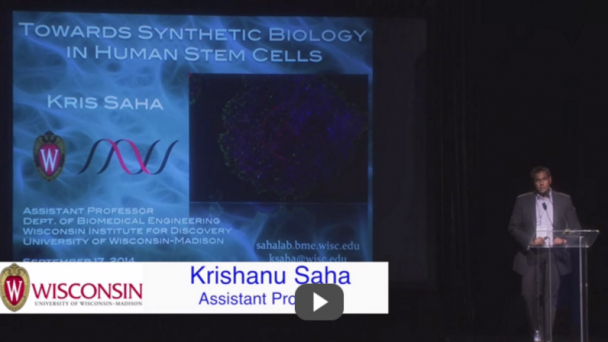
Krishanu Saha, Ph.D., Next Generation Leader


https://www.youtube.com/watch?t=24&v=PjfaaMbapCoVideo can’t be loaded because JavaScript is disabled: Showcase 2014: Krishanu Saha, Ph.D., Next Generation Leader (https://www.youtube.com/watch?t=24&v=PjfaaMbapCo)

Towards integration of synthetic biology into human stem cells

Published on September 26, 2014 by Allen Institute for Brain Science

OnAir Post: Krishanu Saha, Ph.D., Next Generation Leader

Lisa Giocomo, Ph.D., Next Generation Leader

https://www.youtube.com/watch?v=_XPk6OlfC8MVideo can’t be loaded because JavaScript is disabled: Showcase 2014: Lisa Giocomo, Ph.D., Next Generation Leader (https://www.youtube.com/watch?v=_XPk6OlfC8M)

Identifying the Iconic Algorithms for Calculating Spatial Maps

Stanford University School of Medicine

Published on September 26, 2014 by Allen Institute for Brain Science

OnAir Post: Lisa Giocomo, Ph.D., Next Generation Leader

Ueli Rutishauser, Ph.D., Next Generation Leader

https://www.youtube.com/watch?v=x2gssYj_a5sVideo can’t be loaded because JavaScript is disabled: Showcase 2014: Ueli Rutishauser, Ph.D., Next Generation Leader (https://www.youtube.com/watch?v=x2gssYj_a5s)

Probing the mechanisms of learning and memory at the single-neuron level in humans

Published on September 26, 2014 by Allen Institute for Brain Science 

OnAir Post: Ueli Rutishauser, Ph.D., Next Generation Leader

Neville Sanjana, PhD, Next Generation Leader


https://www.youtube.com/watch?v=IO4O54E75K8Video can’t be loaded because JavaScript is disabled: Showcase 2014: Neville Sanjana, Ph.D., Next Generation Leader (https://www.youtube.com/watch?v=IO4O54E75K8)

Genome-scale CRISPR-Cas9 screening in human cells

Published on April 9, 2014 by Allen Institute for Brain Science

OnAir Post: Neville Sanjana, PhD, Next Generation Leader

What we’re learning from 5,000 brains

https://www.youtube.com/watch?v=ufUkAQOQaXUVideo can’t be loaded because JavaScript is disabled: Read Montague: What we’re learning from 5,000 brains (https://www.youtube.com/watch?v=ufUkAQOQaXU)

“Mice, bugs and hamsters are no longer the only way to study the brain. Functional MRI (fMRI) allows scientists to map brain activity in living, breathing, decision-making human beings. Read Montague gives an overview of how this technology is helping us understand the complicated ways in which we interact with each other.”

Filmed June 2012 at TED Global 2012 Uploaded to YouTube on September 24, 2012 by TED 

OnAir Post: What we’re learning from 5,000 brains

Hawkins: How brain science will change computing

https://www.youtube.com/watch?v=G6CVj5IQkzkVideo can’t be loaded because JavaScript is disabled: Jeff Hawkins: How brain science will change computing (https://www.youtube.com/watch?v=G6CVj5IQkzk)

Palm creator Jeff Hawkins urges us to take a new look at the brain — to see it not as a fast processor, but as a memory system that stores and plays back experiences to help us predict, intelligently, what will happen next.

Filmed Feb. 2003 at TED 2003TED Page TED Page


Transcript

0:11 I do two things: I design mobile computers and I study brains. And today’s talk is about brains and, yay, somewhere I have a brain fan out there. (Laughter) I’m going to, if I can have my first slide up here, and you’ll see the title of my talk and my two affiliations. So what I’m going to talk about is why we don’t have a good brain theory, why it is important that we should develop one and what we can do about it. And I’ll try to do all that in 20 minutes. I have ...

OnAir Post: Hawkins: How brain science will change computing

Ray Kurzweil: Get ready for hybrid thinking

“Two hundred million years ago, our mammal ancestors developed a new brain feature: the neocortex. This stamp-sized piece of tissue (wrapped around a brain the size of a walnut) is the key to what humanity has become.

Now, futurist Ray Kurzweil suggests, we should get ready for the next big leap in brain power, as we tap into the computing power in the cloud.”


Video

https://www.youtube.com/watch?v=PVXQUItNEDQVideo can’t be loaded because JavaScript is disabled: Ray Kurzweil: Get ready for hybrid thinking (https://www.youtube.com/watch?v=PVXQUItNEDQ)

YouTube Page  Published June 2, 2014

TED page   Filmed March 2014 at TED2014

Transcript

0:11

Let me tell you a story. It goes back 200 million years. It’s a story of the neocortex, which means “new rind.” So in these early mammals, because only mammals have a neocortex, rodent-like creatures. It was the size of a postage stamp and just as thin, and was a thin covering around their walnut-sized brain, but it was capable of a new type of thinking. Rather than the fixed behaviors that non-mammalian animals have, it could ...

OnAir Post: Ray Kurzweil: Get ready for hybrid thinking

Happiness and its surprises

https://www.youtube.com/watch?v=6W2dsnhC18QVideo can’t be loaded because JavaScript is disabled: Nancy Etcoff: Happiness and its surprises (https://www.youtube.com/watch?v=6W2dsnhC18Q)

“Cognitive researcher Nancy Etcoff looks at happiness — the ways we try to achieve and increase it, the way it’s untethered to our real circumstances, and its surprising effect on our bodies.”

Filmed February 2004 at TED 2004 Uploaded to YouTube on June 15, 2009 by TED 

TED Talks webpage

OnAir Post: Happiness and its surprises

The optimism bias

https://www.youtube.com/watch?v=B8rmi95pYL0Video can’t be loaded because JavaScript is disabled: The optimism bias | Tali Sharot (https://www.youtube.com/watch?v=B8rmi95pYL0)

“Are we born to be optimistic, rather than realistic? Tali Sharot shares new research that suggests our brains are wired to look on the bright side — and how that can be both dangerous and beneficial.”

Filmed February 2012 at TED 2012 Uploaded to YouTube on May 14, 2012 by TED

TED Talks webpage

OnAir Post: The optimism bias

Why do we sleep?

https://www.youtube.com/watch?v=LWULB9AoopcVideo can’t be loaded because JavaScript is disabled: Why do we sleep? | Russell Foster (https://www.youtube.com/watch?v=LWULB9Aoopc)

“Russell Foster is a circadian neuroscientist: He studies the sleep cycles of the brain. And he asks: What do we know about sleep? Not a lot, it turns out, for something we do with one-third of our lives. In this talk, Foster shares three popular theories about why we sleep, busts some myths about how much sleep we need at different ages — and hints at some bold new uses of sleep as a predictor of mental health.”

Filmed March 2014 at TED 2014 Uploaded to YouTube on August 14, 2013 by TED 

TED Talks webpage

OnAir Post: Why do we sleep?

The pursuit of ignorance

“What does real scientific work look like? As neuroscientist Stuart Firestein jokes: It looks a lot less like the scientific method and a lot more like “farting around … in the dark.” In this witty talk, Firestein gets to the heart of science as it is really practiced and suggests that we should value what we don’t know — or “high-quality ignorance” — just as much as what we know”

Filmed February 2013 at TED 2013 Uploaded to YouTube on September 24, 2013 by TED 


TED Talks webpage

https://www.youtube.com/watch?v=nq0_zGzSc8gVideo can’t be loaded because JavaScript is disabled: Stuart Firestein: The pursuit of ignorance (https://www.youtube.com/watch?v=nq0_zGzSc8g)

“What does real scientific work look like? As neuroscientist Stuart Firestein jokes: It looks a lot less like the scientific method and a lot more like “farting around … in the dark.” In this witty talk, Firestein gets to the heart of science as it is really practiced and suggests that we should value what we don’t know — or “high-quality ignorance” — just as much as what we know”.

Filmed February 2013 at TED 2013 Uploaded to YouTube on September ...

OnAir Post: The pursuit of ignorance

How to control someone else’s arm with your brain

https://www.youtube.com/watch?v=rSQNi5sAwucVideo can’t be loaded because JavaScript is disabled: How to control someone else’s arm with your brain | Greg Gage (https://www.youtube.com/watch?v=rSQNi5sAwuc)

“Greg Gage is on a mission to make brain science accessible to all. In this fun, kind of creepy demo, the neuroscientist and TED Senior Fellow uses a simple, inexpensive DIY kit to take away the free will of an audience member. It’s not a parlor trick; it actually works. You have to see it to believe it.”

Filmed March 2015 at TED 2015 Uploaded to YouTube on April 28, 2015 by TED 

OnAir Post: How to control someone else’s arm with your brain

Why dieting doesn’t usually work

https://www.youtube.com/watch?v=jn0Ygp7pMbAVideo can’t be loaded because JavaScript is disabled: Why dieting doesn’t usually work | Sandra Aamodt (https://www.youtube.com/watch?v=jn0Ygp7pMbA)

“In the US, 80% of girls have been on a diet by the time they’re 10 years old. In this honest, raw talk, neuroscientist Sandra Aamodt uses her personal story to frame an important lesson about how our brains manage our bodies, as she explores the science behind why dieting not only doesn’t work, but is likely to do more harm than good. She suggests ideas for how to live a less diet-obsessed life, intuitively.”

Filmed June 2013 at TEDGlobal 2013 Uploaded to YouTube on January 8, 2014 by TED 


TED Talks webpage

OnAir Post: Why dieting doesn’t usually work

Autism — what we know (and what we don’t know yet)

https://www.youtube.com/watch?v=wKlMcLTqRLsVideo can’t be loaded because JavaScript is disabled: Autism — what we know (and what we don’t know yet) | Wendy Chung (https://www.youtube.com/watch?v=wKlMcLTqRLs)

“In this calm and factual talk, geneticist Wendy Chung shares what we know about autism spectrum disorder — for example, that autism has multiple, perhaps interlocking, causes. Looking beyond the worry and concern that can surround a diagnosis, Chung and her team look at what we’ve learned through studies, treatments and careful listening.”

Filmed March 2014 at TED 2014 Uploaded to YouTube on April 28, 2014 by TED 

OnAir Post: Autism — what we know (and what we don’t know yet)

One more reason to get a good night’s sleep

https://www.youtube.com/watch?v=MJK-dMlATmMVideo can’t be loaded because JavaScript is disabled: One more reason to get a good night’s sleep | Jeff Iliff (https://www.youtube.com/watch?v=MJK-dMlATmM)

“The brain uses a quarter of the body’s entire energy supply, yet only accounts for about two percent of the body’s mass. So how does this unique organ receive and, perhaps more importantly, rid itself of vital nutrients? New research suggests it has to do with sleep.”

Filmed September 2014 at TEDMED 2014 Uploaded to YouTube on October 13, 2014 by TED 

OnAir Post: One more reason to get a good night’s sleep

Why we laugh

https://www.youtube.com/watch?v=UxLRv0FEndMVideo can’t be loaded because JavaScript is disabled: Why we laugh | Sophie Scott (https://www.youtube.com/watch?v=UxLRv0FEndM)

“Did you know that you’re 13 times more likely to laugh if you’re with somebody else than if you’re alone? Cognitive neuroscientist Sophie Scott shares this and other surprising facts about laughter in this fast-paced, action-packed and, yes, hilarious dash through the science of the topic”.

Filmed March 2015 at TED 2015 Uploaded to YouTube on April 30, 2015 by TED 


TED Talks webpage

OnAir Post: Why we laugh

The quest to understand consciousness

https://www.youtube.com/watch?v=LMrzdk_YnYYVideo can’t be loaded because JavaScript is disabled: The quest to understand consciousness | Antonio Damasio (https://www.youtube.com/watch?v=LMrzdk_YnYY)

“Every morning we wake up and regain consciousness — that is a marvelous fact — but what exactly is it that we regain? Neuroscientist Antonio Damasio uses this simple question to give us a glimpse into how our brains create our sense of self.”

Filmed March 2011 at TED 2011 Uploaded to YouTube on December 18, 2011 by TED 

TED Talks webpage

OnAir Post: The quest to understand consciousness

How your brain tells you where you are

“How do you remember where you parked your car? How do you know if you’re moving in the right direction? Neuroscientist Neil Burgess studies the neural mechanisms that map the space around us, and how they link to memory and imagination.”

Filmed November 20111 at TEDSalon London 2011 Uploaded to YouTube on February 6, 2012 by TED 


TED Talks webpage

https://www.youtube.com/watch?v=Zd71719_G8YVideo can’t be loaded because JavaScript is disabled: Neil Burgess: How your brain tells you where you are (https://www.youtube.com/watch?v=Zd71719_G8Y)

“How do you remember where you parked your car? How do you know if you’re moving in the right direction? Neuroscientist Neil Burgess studies the neural mechanisms that map the space around us, and how they link to memory and imagination.”

Filmed November 20111 at TEDSalon London 2011 Uploaded to YouTube on February 6, 2012 by TED 

TED Talks webpage

OnAir Post: How your brain tells you where you are

The mysterious workings of the adolescent brain

https://www.youtube.com/watch?v=6zVS8HIPUngVideo can’t be loaded because JavaScript is disabled: Sarah-Jayne Blakemore: The mysterious workings of the adolescent brain (https://www.youtube.com/watch?v=6zVS8HIPUng)

“Why do teenagers seem so much more impulsive, so much less self-aware than grown-ups? Cognitive neuroscientist Sarah-Jayne Blakemore compares the prefrontal cortex in adolescents to that of adults, to show us how typically “teenage” behavior is caused by the growing and developing brain.”

Filmed June 2012 at TED Global 2012 Uploaded to YouTube on July 14, 2014 by TED 


TED Talks webpage

OnAir Post: The mysterious workings of the adolescent brain

Beware neuro-bunk

https://www.youtube.com/watch?v=b64qvG2JgroVideo can’t be loaded because JavaScript is disabled: Molly Crockett: Beware neuro-bunk (https://www.youtube.com/watch?v=b64qvG2Jgro)

“Brains are ubiquitous in modern marketing: Headlines proclaim cheese sandwiches help with decision-making, while a “neuro” drink claims to reduce stress. There’s just one problem, says neuroscientist Molly Crockett: The benefits of these “neuro-enhancements” are not proven scientifically. In this to-the-point talk, Crockett explains the limits of interpreting neuroscientific data, and why we should all be aware of them.”

Filmed November 2012 at TEDSalon Londno 2012 Uploaded to YouTube on December 18, 2012 by TED 


TED Talks webpage

OnAir Post: Beware neuro-bunk

What is so special about the human brain?

https://www.youtube.com/watch?v=_7_XH1CBzGwVideo can’t be loaded because JavaScript is disabled: What is so special about the human brain? | Suzana Herculano-Houzel (https://www.youtube.com/watch?v=_7_XH1CBzGw)

“The human brain is puzzling — it is curiously large given the size of our bodies, uses a tremendous amount of energy for its weight and has a bizarrely dense cerebral cortex. But: why? Neuroscientist Suzana Herculano-Houzel puts on her detective’s cap and leads us through this mystery. By making “brain soup,” she arrives at a startling conclusion.”

Filmed June 2013 at TEDGlobal 2013 Uploaded to YouTube on November 26, 2013 by TED 

TED Talks webpage

OnAir Post: What is so special about the human brain?

How do you explain consciousness?

https://www.youtube.com/watch?v=uhRhtFFhNzQVideo can’t be loaded because JavaScript is disabled: How do you explain consciousness? | David Chalmers (https://www.youtube.com/watch?v=uhRhtFFhNzQ)

“Our consciousness is a fundamental aspect of our existence, says philosopher David Chalmers: “There’s nothing we know about more directly…. but at the same time it’s the most mysterious phenomenon in the universe.” He shares some ways to think about the movie playing in our heads.”

Filmed March 2014 at TED 2014 Uploaded to YouTube on July 14, 2014 by TED 

TED Talks webpage

OnAir Post: How do you explain consciousness?

edX course: Light, Spike, & Sight: The Neuroscience of Vision

Light, Spike, & Sight: The Neuroscience of Vision MITx: 9.01.1x Course

Vision may feel effortless: you open your eyes, and the world appears. But the process of focusing light into image on the back of the eye and translating it into meaningful nerve signals is incredibly complex. The retina and visual cortex are packed with intricate processing circuitry, and have been a mystery to neuroscientists for centuries. Now, answers are beginning to emerge.

About MITx: 9.01.1x

Website

Vision may feel effortless: you open your eyes, and the world appears. But the process of focusing light into image on the back of the eye and translating it into meaningful nerve signals is incredibly complex. The retina and visual cortex are packed with intricate processing circuitry, and have been a mystery to neuroscientists for centuries. Now, answers are beginning to emerge.Today, the visual system is often called the model system for neuroscience: its findings are relevant to all other areas and to investigating the deeper mysteries of the brain’s microstructure and function. In this course, we take you from the physics of focusing light onto the retina, to the processing of colors, form, and motion, and finally to the interpretation ...

OnAir Post: edX course: Light, Spike, & Sight: The Neuroscience of Vision

Connectomics- Jeff Lichtman

https://www.youtube.com/watch?v=82tQ4ID-xNgVideo can’t be loaded because JavaScript is disabled: Jeff Lichtman: Connectomics: Mapping the Brain | Harvard Department of Physics (https://www.youtube.com/watch?v=82tQ4ID-xNg)

Despite intense interest in the ways brains work, we still have quite a rudimentary understanding of this organ, especially compared to our knowledge of the other organ systems in the body.

One central problem is that brain function is based on a much more complicated cellular organization than found in any other part of the body.

Published July 13, 2013 by Harvard University

Synopsis

Despite intense interest in the ways brains work, we still have quite a rudimentary understanding of this organ, especially compared to our knowledge of the other organ systems in the body. One central problem is that brain function is based on a much more complicated cellular organization than found in any other part of the body. The brain contains billions of nerve cells and these are interconnected by trillions of synapses in a vast wiring diagram. This wiring diagram has ...

OnAir Post: Connectomics- Jeff Lichtman

Toward a new understanding of mental illness

https://www.youtube.com/watch?v=PeZ-U0pj9LIVideo can’t be loaded because JavaScript is disabled: Thomas Insel: Toward a new understanding of mental illness (https://www.youtube.com/watch?v=PeZ-U0pj9LI)

Today, thanks to better early detection, there are 63% fewer deaths from heart disease than there were just a few decades ago. Thomas Insel, Director of the National Institute of Mental Health, wonders: Could we do the same for depression and schizophrenia? The first step in this new avenue of research, he says, is a crucial reframing: for us to stop thinking about “mental disorders” and start understanding them as “brain disorders.”

Filmed January 203 at TEDX Caltech Uploaded to YouTube on April 16, 2013 by TED

 TED Talks webpage

OnAir Post: Toward a new understanding of mental illness

3 clues to understanding your brain


https://www.youtube.com/watch?v=Rl2LwnaUA-kVideo can’t be loaded because JavaScript is disabled: 3 clues to understanding your brain | VS Ramachandran (https://www.youtube.com/watch?v=Rl2LwnaUA-k)

“Vilayanur Ramachandran tells us what brain damage can reveal about the connection between celebral tissue and the mind, using three startling delusions as examples.”

Filmed march 2007 at TED 2007 Uploaded to YouTube on October 23, 2007 by TED  

TED Talks webpage

OnAir Post: 3 clues to understanding your brain

How we read each other’s minds

https://www.youtube.com/watch?v=GOCUH7TxHRIVideo can’t be loaded because JavaScript is disabled: How we read each other’s minds | Rebecca Saxe (https://www.youtube.com/watch?v=GOCUH7TxHRI)

Sensing the motives and feelings of others is a natural talent for humans. But how do we do it? Here, Rebecca Saxe shares fascinating lab work that uncovers how the brain thinks about other peoples’ thoughts — and judges their actions.

Filmed July 2009 at TED Global 2009 Uploaded to YouTube on Sep 11, 2009 by TED  

TED Talks webpage

OnAir Post: How we read each other’s minds

Neuroscientifically Challenged 2′ Videos

Neuroscientifically Challenged is a website that has developed 2 minute graphical videos that explain different aspect of neuroscience. The curator for this website is unknown. His or her self-description (from Twitter account) is: “neuroscientist, blogger, and brain enthusiast”.

Within the BRAIN 2015 YouTube channel, there is a playlist with all the Neuroscientifically Challenged videos. BRAIN 2015 has included a sampling of the videos in this post.

Source: @Neurochallenged Twitter background image

Web Information

YouTube Channel:  youtube.com/user/neurochallenged/feed

Website:  neuroscientificallychallenged.com/

Twitter:  twitter.com/neurochallenged

Sampling of Videos

“In this video, I discuss neuroimaging, covering four of the most common types of neuroimaging: computerized axial tomography (CAT), magnetic resonance imaging (MRI), positron emission tomography (PET), and functional magnetic resonance imaging (fMRI). CAT and MRI are methods of imaging the structure of the brain while PET and fMRI are methods of imaging the activity or function of the brain.”

Published 11/30/14 by Neuroscientifically Challenged

https://www.youtube.com/watch?v=N2apCx1rlIQVideo can’t be loaded because JavaScript is disabled: 2-Minute Neuroscience: Neuroimaging (https://www.youtube.com/watch?v=N2apCx1rlIQ)


“In this video, I cover directional terms in neuroscience. I discuss terms that are consistent throughout the nervous system: superior, inferior, anterior, posterior, medial ...

OnAir Post: Neuroscientifically Challenged 2′ Videos

OpenfMRI enables sharing brain research data

https://www.youtube.com/watch?v=7HBusVeG8AQ

“OpenfMRI allows neuroscientists to share brain research data”

Researchers around the world can compare notes on one of the most powerful tools available for imaging human brain function, the fMRI, thanks to support from the National Science Foundation (NSF). An fMRI is a functional magnetic resonance imaging scan that measures brain activity by detecting changes in blood oxygenation and flow.

NSF BRAIN Initiative Science Nation – March 15, 2015

OnAir Post: OpenfMRI enables sharing brain research data

How zebrafish advance brain research

https://www.youtube.com/watch?v=662nJsV7GSIVideo can’t be loaded because JavaScript is disabled: How are zebrafish advancing brain research? (https://www.youtube.com/watch?v=662nJsV7GSI)

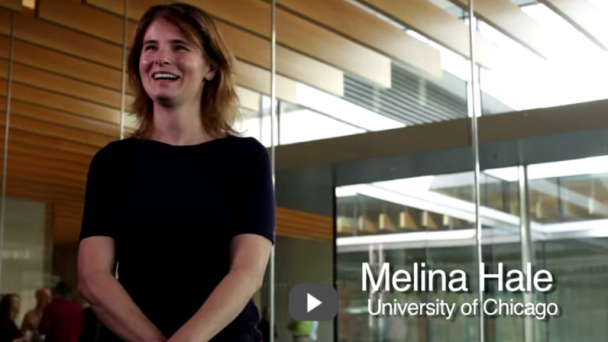
Zebrafish brain research is helping to give scientists like Melina Hale a better understanding of how neural circuits and neurons are used in different behaviors.

NSF BRAIN Initiative Published APRIL 2, 2014

OnAir Post: How zebrafish advance brain research

Social signals modify an animal’s brain

https://www.youtube.com/watch?v=Vk8vArblMbAVideo can’t be loaded because JavaScript is disabled: How do social signals modify an animal’s brain? (https://www.youtube.com/watch?v=Vk8vArblMbA)

How do social signals modify an animal’s brain?

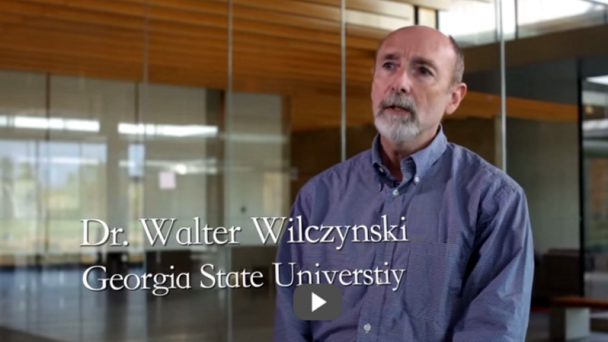
Researching the social signals of non-mamallian animals can give researchers like Walt Wilczynski a better understanding of how their brains are modified by past social interactions and how that affects their behavior in the future.

NSF BRAIN Initiative Published APRIL 2, 2014


OnAir Post: Social signals modify an animal’s brain

Influences on the cichild fish’s brain


https://www.youtube.com/watch?v=kl8b3YiwDskVideo can’t be loaded because JavaScript is disabled: How do environment and genetics influence the cichild fish’s brain? (https://www.youtube.com/watch?v=kl8b3YiwDsk)

How do environment and genetics influence the cichild fish’s brain?

Cichlids provide excellent model organisms for such studies because thousands of species of cichlids have evolved; many of these species are genetically similar but behaviorally and socially different from one another. Hofmann is using the diversity of cichlid species to help identify which genes regulate various behaviors and evaluate how different social environments affect brain function and behavior.

NSF BRAIN Initiative Published APRIL 2, 2014

OnAir Post: Influences on the cichild fish’s brain

The octopus’ nervous system

https://www.youtube.com/watch?v=kVElsNKR09sVideo can’t be loaded because JavaScript is disabled: Why the octopus’ nervous system makes it such a successful predator? (https://www.youtube.com/watch?v=kVElsNKR09s)

Why the octopus’ nervous system makes it such a successful predator?

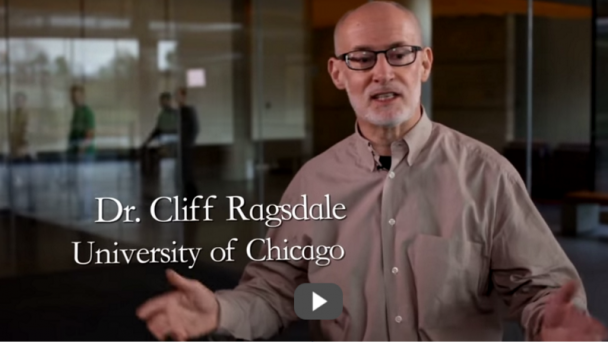
The nervous system of an octopus is a complex system, involving the invertebrate’s eyes, brain and tentacles. Researcher Clifton Ragsdale is currently pioneering the use of modern molecular techniques to study how the octopus’s unique nervous system processes visual information, and if its processing system significantly differs from those of vertebrates.

NSF BRAIN Initiative Published APRIL 2, 2014

OnAir Post: The octopus’ nervous system

Zhang uses optogenetics to understand the brain

https://www.youtube.com/watch?v=a9wGACshiV4Video can’t be loaded because JavaScript is disabled: 2014 Waterman Awardee Feng Zhang uses optogenetics to understand the brain (https://www.youtube.com/watch?v=a9wGACshiV4)

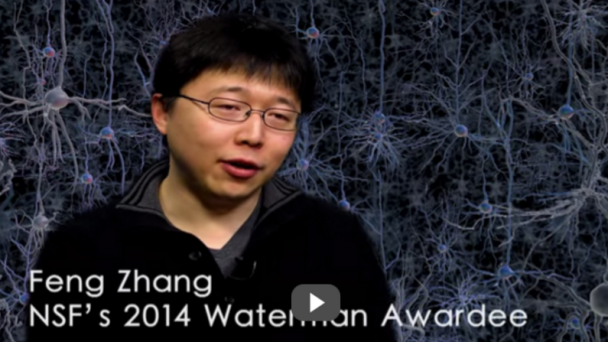
Feng Zhang, an investigator at the McGovern Institute for Brain Research at MIT and a core member of the Broad Institute of MIT and Harvard, discusses the work of his research team on the brain and its relationship to the President’s Brain Initiative. He spoke with NSF’s Lisa-Joy Zgorski during his visit to NSF in May of 2014 to receive NSF’s most prestigious award for young investigators, the Alan T. Waterman Award, with which he was awarded $1 million to further his research.

NSF BRAIN Initiative Published May 2, 2014

OnAir Post: Zhang uses optogenetics to understand the brain

William Bialek, Theoretical Biophysicist

How does our brain use coding to interpret the world?

https://www.youtube.com/watch?v=pYojI666FIMVideo can’t be loaded because JavaScript is disabled: How does our brain use coding to interpret the world? (https://www.youtube.com/watch?v=pYojI666FIM)

Theoretical biophysicist William Bialek discusses how our brain interprets information in a continuous way.

NSF BRAIN Initiative Published APRIL 28, 2014


Observing multiple neurons simultaneously

https://www.youtube.com/watch?v=kD4uyHic4uEVideo can’t be loaded because JavaScript is disabled: Observing multiple neurons simultaneously (https://www.youtube.com/watch?v=kD4uyHic4uE)

NSF BRAIN Initiative Published APRIL 28, 2014

A thought requires roughly a million different brain neurons

https://www.youtube.com/watch?v=qP_cogP_qR8Video can’t be loaded because JavaScript is disabled: A thought requires roughly a million different brain neurons (https://www.youtube.com/watch?v=qP_cogP_qR8)

NSF BRAIN Initiative Published APRIL 28, 2014

OnAir Post: William Bialek, Theoretical Biophysicist

Thinking Brain – Mysteries of the Brain

https://www.youtube.com/watch?v=lRKo_dN0IMEVideo can’t be loaded because JavaScript is disabled: Thinking Brain | Mysteries of the Brain (https://www.youtube.com/watch?v=lRKo_dN0IME)

“Through neural connections, called synapses, the brain can process and store enormous amounts of information. Neuroscientist Gary Lynch at the University of California, Irvine explains how this incredibly complex communication process allows animals to learn and remember.”

“Mysteries of the Brain” is produced by NBC Learn in partnership with the NSF.

NSF BRAIN Initiative Published June 10, 2015

OnAir Post: Thinking Brain – Mysteries of the Brain

Brain States and Consciousness: Mysteries of the Brain

https://www.youtube.com/watch?v=rzZkaaavC28

“Neurobiologist Orie Shafer at the University of Michigan is trying to understand how the brain’s cells communicate in order to control sleep patterns. To help solve this mystery, Shafer is teaming up with mathematician Victoria Booth to study a tiny and very unlikely specimen: the fruit fly. “

Mysteries of the Brain” is produced by NBC Learn in partnership with the NSF.”

NSF BRAIN Initiative Published June 17, 2015

OnAir Post: Brain States and Consciousness: Mysteries of the Brain

Building A Brain: Mysteries of the Brain

https://www.youtube.com/watch?v=Cr9ivWrGYRs

“Carlos Aizenman, a neuroscientist at Brown University, is studying the brains of tadpoles to understand how neural circuits develop and absorb information from the surrounding environment.

“Mysteries of the Brain” is produced by NBC Learn in partnership with the NSF.”

NSF BRAIN Initiative Published June 17, 2015

OnAir Post: Building A Brain: Mysteries of the Brain

Emotional Brain: Mysteries of the Brain

https://www.youtube.com/watch?v=lKSuud5zMBIVideo can’t be loaded because JavaScript is disabled: Emotional Brain | Mysteries of the Brain (https://www.youtube.com/watch?v=lKSuud5zMBI)

“For years, researchers have struggled to understand how emotions are formed and processed by the brain. Now, neuroscientist Kevin LaBar and his graduate students at Duke University are using a virtual reality room to study how the brain reacts to both negative and positive emotions.

“Mysteries of the Brain” is produced by NBC Learn in partnership with the NSF.”

NSF BRAIN Initiative Published June 10, 2015

OnAir Post: Emotional Brain: Mysteries of the Brain

Evolving Brain: Mysteries of the Brain

https://www.youtube.com/watch?v=BUzeEpcO238

Using amazing new technologies, evolutionary neuroscientist Melina Hale and her graduate students at the University of Chicago are discovering that the basic movements of one tiny fish can teach us big ideas about how the brain’s circuitry works.

“Mysteries of the Brain” is produced by NBC Learn in partnership with the NSF.


NSF BRAIN Initiative Published June 10, 2015

OnAir Post: Evolving Brain: Mysteries of the Brain

Reviews of Still Alice – in The Conversation

At age fifty, Alice Howland (Julianne Moore) has it all: a Columbia University linguistics professorship, a devoted husband, and three loving children. Her life is a whirlwind of work and family, and she thrives on it.

But, while lecturing at UCLA, something unexpected happens: mid-sentence, she struggles to find a word. Though a seemingly innocuous relapse, the incident leads to a diagnosis of early-onset Alzheimer’s disease, a stunning realisation that sees the bonds between Alice and her family thoroughly tested.


Trailer & Clips

https://www.youtube.com/watch?v=4pDSzCBa4cwVideo can’t be loaded because JavaScript is disabled: Still Alice trailer – in cinemas nationwide 6 March (https://www.youtube.com/watch?v=4pDSzCBa4cw) https://www.youtube.com/watch?v=QtfsPr9t1lAVideo can’t be loaded because JavaScript is disabled: Still Alice clip – “To be answered” (https://www.youtube.com/watch?v=QtfsPr9t1lA)

OnAir Post: Reviews of Still Alice – in The Conversation

Your 500-Million-Year-Old Brain

https://www.youtube.com/watch?v=bN-8oYVilpsVideo can’t be loaded because JavaScript is disabled: Your 500-Million-Year-Old Brain — HHMI BioInteractive Video (https://www.youtube.com/watch?v=bN-8oYVilps)

The genetic roots of our brains can be seen in the amphioxus, a modern relative of 500-million-year-old creatures. These small eel-like animals teach us about brain evolution.

Published on Aril 24, 2014 by HHMI Biointeractive

OnAir Post: Your 500-Million-Year-Old Brain

NIH Neuroscience Seminar- June 8, 2015

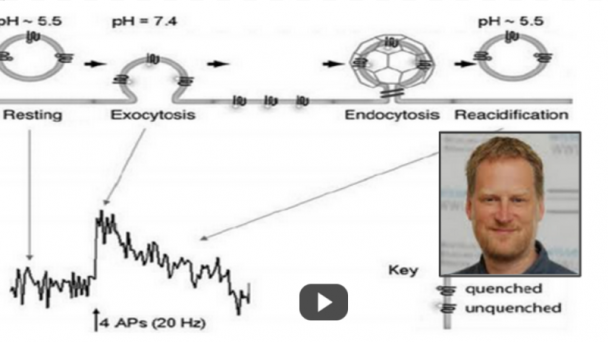
TITLE: What goes out must come in: coupling of synaptic exo- and endocytosis

AUTHOR: Jurgen Klingauf, Ph.D.

TIME: 12:00:00 PM  DATE: Monday,June 8, 2015

PLACE: Porter Neuroscience Research Center

 NIH Videocast (archived after seminar)


Profile

Reseaerch Group Leader Max Planck Institute for Biophysical Chemistry

The focus of our research is the study of synaptic transmission, with the emphasis on presynaptic mechanisms. At the synapse, neurotransmitter is rapidly released from small vesicles which are triggered to fuse with the plasma membrane by the entry of Ca2+ ions.

Web Information

Webpage:  uni-goettingen.de/en/57993

Contact Information

Email: klingauf@uni-muenster.de Phone: +49 251 83-51001 Address: Institute of Medical Physics and Biophysics Robert-Koch-Str. 31 48149 Münster Germany

Related Research

The maintenance of synaptic transmission requires that these vesicles be retrieved by a reverse process, i.e. endocytosis. How is this endocytic activity and subsequent formation of fusion-competent vesicles coupled to exocytosis? To delineate the mechanisms by which synaptic vesicles can be retrieved we employ high-resolution imaging techniques, like two-photon laser scanning and total internal reflection microscopy, electrophysiology, as well as biochemical approaches. By transfection of neurons in primary cell culture or the usage of knock-out models we can target or modulate specific proteins thought to be pivotal in synaptic vesicle endocytosis. Currently, we are mainly studying synapses of rodent hippocampus, down ...

OnAir Post: NIH Neuroscience Seminar- June 8, 2015

NIH Neuroscience Seminar- May 18, 2015

TITLE: Neural mechanisms of real-time decisions

AUTHOR: Paul Cisek, Ph.D., University of Montreal

TIME: 12:00:00 PM  DATE: Monday, May 18, 2015

PLACE: Porter Neuroscience Research Center

 Live NIH Videocast (archived after seminar)


Abstract

Dr. Cisek is interested in how the brain controls behavior. Many scientists approach this very large question by starting with perception and asking how the brain builds an internal representation of the world, and how it then uses this representation to guide action. In contrast, he studies behavior by starting with a concrete task such as a voluntary movement and asking what parameters of the task the brain must specify and control, and what information from the environment it may employ toward that specification. The goal here is an understanding of brain mechanisms for mediating interaction with the world, not necessarily of mechanisms for representing the world. A research program based on such an approach begins with questions concerning motor control and gradually works its way toward the perceptual systems which guide that control. One could say he is going backwards through the brain.

Profile

Researcher University of Montreal

Research projects include: “Affordance competition hypothesis”; “Biased competition in sensorimotor maps”; “The biomechanics of choices” ; “Urgency-gating model”; “Decision-making through a distributed consensus”

Web Information

Webpage:  cisek.org/pavel/

Contact Information

Email:  Phone: 514-343-6111 x4355 Address: Department of ...

OnAir Post: NIH Neuroscience Seminar- May 18, 2015

NIH Neuroscience Seminar- May 11, 2015

TITLE: Genetic risk for Alzheimer’s disease: an emerging role for rare variants

AUTHOR: Alison Goate, PhD, Mount Sinai School of Medicine

TIME: 12:00:00 PM  DATE: Monday, May 11 2015

PLACE: Porter Neuroscience Research Center

 NIH Videocast

Profile

Senior Faculty, Neuroscience, Neurology, Genetics and Genomic Sciences Icahn Mount Sinai School of Medicine

Genetic and genomic approaches to uncovering susceptibility to neurological and psychiatric disease. Disease areas: Alzheimer’s disease and Frontotemporal dementia, Alcohol Dependence

Web Information

Mt. Sinai Webpage:   mountsinai.org/profiles/alison-goate Goate Lab webpage: neuroscience.mssm.edu/goate/

Contact Information

Email:  alison.goate@mssm.edu Phone: (212) 659-5672 Address: Icahn Medical Institute Floor 10 Room 10-70C 1425 Madison Avenue New York, NY 10029

Related Research

Research in our laboratory focuses on dementia (Alzheimer’s disease & frontotemporal dementia) and addiction (alcohol dependence). In each of these projects our goal is to understand the molecular basis of disease in order to identify novel targets for therapeutic development. We use genetic and genomic approaches to identify susceptibility alleles, this work includes genome wide association studies and whole genome/exome sequencing in families multiply affected by disease and in case control cohorts. We have also pioneered the use of endophenotypes to uncover both risk and protective alleles in both our Alzheimer’s disease and our alcoholism studies. We have developed induced pluripotent stem cells from individuals with known genetic causes of disease in order ...

OnAir Post: NIH Neuroscience Seminar- May 11, 2015

NIH Neuroscience Seminar- May 4, 2015

TITLE: Family Genomics of Bipolar Disorder

AUTHOR: Jared Roach, M.D., Ph.D., Institute for Systems Biology

TIME: 12:00:00 PM  DATE: Monday, May 4, 2015

PLACE: Porter Neuroscience Research Center

 NIH Videocast 


Profile

Senior Research Scientist Family Genomics Group Institute for Systems Biology

Dr. Roach is interested in basic and translational analyses and applications of high-throughput systems-biology data. He is currently focusing on understanding the genetics of complex neurodegenerative diseases, including Huntington’s Disease. Areas of expertise: Computational Biology, Genetics, Genomics, and Immunology

Web Information

Personal webpage: strategicgenomics.com/Jared/ ISB Webpage:  systemsbiology.org/jared-roach Family Genomics Group webpage:  familygenomics.systemsbiology.net/

Contact Information

Email:  jared@strategicgenomics.com Phone: 206) 732-2108 Address: 2616 24th Ave East Seattle, WA 98112

Related Research

Dr. Roach’s research interests include analysis of MHC haplotypes and their relationship to risk and etiology of type 1 diabetes and other autoimmune diseases. Dr. Roach is pioneering approaches for the analysis of whole genome sequencing data in the context of family pedigrees. His past studies have included (1) the systems biology of the macrophage, particularly in its role as an information processing device, at the levels of cell surface receptors, signal transduction, and nuclear regulation, (2) the molecular phylogenetics of vertebrate gene families, particularly those genes relevant to macrophage information processing, and (3) analysis and interpretation of transcript enumeration data, ...

OnAir Post: NIH Neuroscience Seminar- May 4, 2015

NIH Neuroscience Seminar- April 27, 2015

TITLE: NMDA receptor trafficking and synaptic dysfunction in Huntington disease

AUTHOR: Lynn A. Raymond, MD, PhD, University of British Columbia

TIME: 12:00:00 PM  DATE: Monday, April 27, 2015

PLACE: Porter Neuroscience Research Center

 Live NIH Videocast (archived after seminar)

Increased extrasynaptic NMDAR function revealed in Huntington’s mice using the glial glutamate uptake inhibitor TBOA.

Abstract

Although it is not known why the GABAergic medium-sized spiny neurons (MSNs) of the striatum are preferentially targeted for degeneration in Huntington’s disease (HD), a body of evidence supports a role for excitotoxic cell death mediated by the release of glutamate from cortical afferents and activation of the N-methyl-D-aspartate (NMDAR)-type glutamate receptor. Therefore, we are investigating whether mutant huntingtin (htt) expression can cause increased activity of NMDARs or their downstream effectors of cell death, and how such interactions might explain selective neuronal vulnerability. We have previously reported enhancement of NMDAR-mediated current amplitude and apoptosis in cell lines expressing full-length mutant htt and the NR1A/NR2B but not NR1A/NR2A subtype of NMDARs (Chen et al., 1999; Zeron et al., 2001). Notably, MSNs primarily express the NR1A and NR2B subunits (Landwehrmeyer et al., 1995; Kuppenbender et al., 1999), whereas other forebrain regions express combinations of both NR2A and NR2B with ...

OnAir Post: NIH Neuroscience Seminar- April 27, 2015

NIH Neuroscience Seminar- April 13, 2015

TITLE: Mechanisms of ubiquitin signaling in gene regulation and chromatin dynamics

AUTHOR: Cynthia Wolberger, Ph.D., Johns Hopkins University

TIME: 12:00:00 PM  DATE: Monday, April 13, 2015

PLACE: Porter Neuroscience Research Center

Live NIH Videocast (archived after seminar)


Profile

Professor of Biophysics and Biophysical Chemistry, School of Medicine Principal Investigator, Wolberger Lab

Cynthia Wolberger is interested in the structural and mechanistic basis for transcriptional regulation and ubiquitin signaling.Her lab focuses on molecular basis for these events, which ensure the integrity and expression of the genome. We use x-ray crystallography, enzymology, cell-based assays and a variety of biophysical tools to gain insights into the mechanisms underlying these essential cellular processes.

Web Information

Wolberger Webpage: http://pmcb.jhu.edu/faculty/wolberger-profile.html

Research Overview

One of the key ways in which cells dynamically regulate protein function is through reversible post-translational modifications. Lysine residues in particular are subject to a remarkably diverse array of modifications. Our research centers on two types of lysine modification, ubiquitination and acetylation, which play critical role in regulating transcription, the response to DNA damage and intracellular signaling. We use a wide array of approaches including x-ray crystallography, small-angle x-ray scattering, biophysical studies of binding interactions, enzymology and cell-based studies to tackle biological questions.

The attachment of the small protein, ubiquitin, to lysine residues serves a wide variety of signaling functions. In addition to its ...
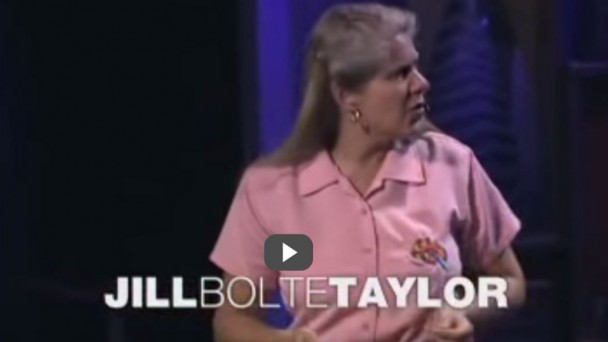
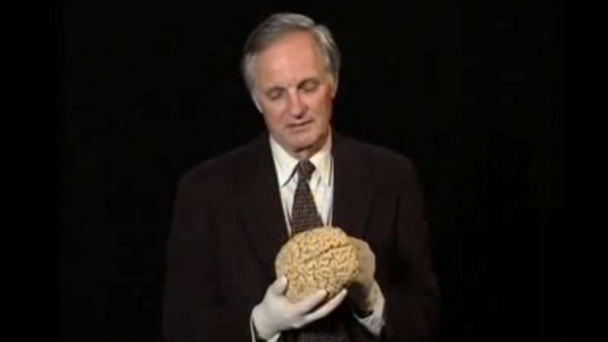
OnAir Post: NIH Neuroscience Seminar- April 13, 2015

NIH Neuroscience Seminar- April 6, 2015

TITLE: Linking neuronal activity and gene expression: Ca nanodomains and long-range signaling

AUTHOR: Richard Tsien, D.Phil., NYU Neuroscience Institute

TIME: 12:00:00 PM  DATE: Monday, March 23, 2015

PLACE: Porter Neuroscience Research Center

Live NIH Videocast (archived after seminar)

Profile

Professor of Neuroscience and Director of NYU School of Medicine Neuroscience Institute

Webpages: tsienlab.med.nyu.edu/people/richard-tsien-d-phil 

med.nyu.edu/biosketch/richat04

About

Richard W. Tsien, DPhil, to Be Inaugural Director of New Neuroscience Institute and Druckenmiller Professor of Neuroscience

NYU Langone Medical Center announced today that it has appointed internationally renowned scientist and leader Richard W. Tsien, DPhil, as the first director of the Neuroscience Institute and the Druckenmiller Professor of Neuroscience, effective January 2012. Dr. Tsien—a member of both the Institute of Medicine and National Academy of Sciences and a former Rhodes Scholar—joins NYU Langone from Stanford University, where he currently serves as the George D. Smith Professor of Molecular and Genetic Medicine in the Department of Molecular and Cellular Physiology.

In 2009, NYU Langone Medical Center received a $100 million gift from the Druckenmiller Foundation to establish a state-of-the-art neuroscience institute and to provide for the recruitment and support of the highest caliber neuroscientists. The appointment of Dr. Tsien further reinforces NYU Langone’s existing strengths ...
OnAir Post: NIH Neuroscience Seminar- April 6, 2015

NIH Neuroscience Seminar- March 30, 2015

TITLE: Membrane fusion mediated by SNARE proteins

AUTHOR: Reinhard Jahn, Ph.D., Max Planck Institute for Biophysical Chemistry

TIME: 12:00:00 PM  DATE: Monday, March 23, 2015

PLACE: Porter Neuroscience Research Center

Live NIH Videocast (archived after seminar)

Profile

Director, Department of Neurobiology

Webpage: uni-goettingen.de/en/56703.html

Major Research Interests

Our group is interested in the mechanisms of membrane fusion, with the main emphasis on regulated exocytosis in neurons. Intracellular membrane fusion events are mediated by a set of conserved membrane proteins, termed SNAREs. For fusion to occur, complementary sets of SNAREs need to be present on both of the fusing membranes, which then assemble in a zipper-like fashion to initiate membrane merger. The neuronal SNAREs are among the best characterized. They are the targets of the toxins responsible for botulism and tetanus, and they are regulated by several addtional proteins including synaptotagmin, the calcium sensor for neurotransmitter release. To understand how these proteins mediate fusion, we study their properties in vitro with biochemical and biophysical approaches using native and artificial membranes. In a second set of projects, we use modern techniques such as quantitative proteomics to better understand supramolecular protein complexes involved in synaptic function. Using our quantitative description of synaptic vesicles as point of departure we aim at unraveling presynaptic protein ...
OnAir Post: NIH Neuroscience Seminar- March 30, 2015

NIH Neuroscience Seminar- March 23, 2015

Larry Abbott

Summary

TITLE: Learning to Predict: Studies of Neural Circuits in Fish and Flies

AUTHOR: Larry Abbott, Ph.D., Columbia University

TIME: , 12:00:00 PM  DATE: Monday, March 23, 2015

PLACE: Porter Neuroscience Research Center

HOST: Bruno Averbeck

Abstract

Reacting properly to sensory inputs and knowing the potential consequences of an action is crucial to survival. An animal needs to know what sights, sounds and smells lead to a dangerous or advantageous situation, and how their actions will impact the likelihood of receiving an award, or put them in a perilous situation.

In his lecture, Abbott will discuss research into two neural circuits: one that allows flies to interpret the implications of different odors, and another that predicts the consequences of motor actions in an electric fish. This research provides key insights into understanding how the brain computes and allows for the construction of predictive models of brain function.

Abbott received his Ph.D. in physics at Brandeis University in 1977 and spent 10 years working in theoretical particle physics. His research in neuroscience involves the mathematical modeling and analysis of neurons and neural networks using analytic techniques and computer simulations to show how populations of neurons interact to produce functional circuits with the goal of determining the ...
OnAir Post: NIH Neuroscience Seminar- March 23, 2015

Skip to toolbar