A new era of Exploration – Cori Bargmann

https://www.youtube.com/watch?v=Rt938F08d7c

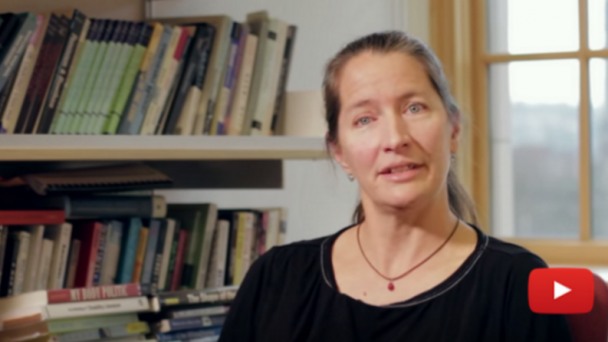
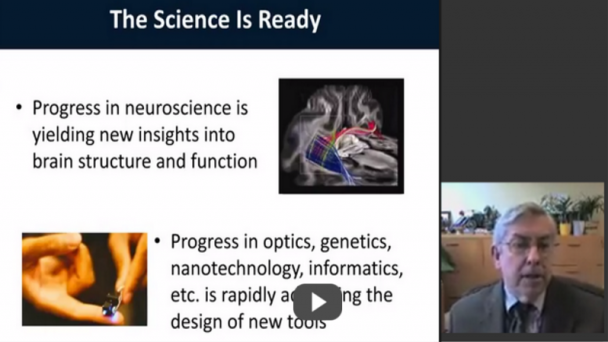
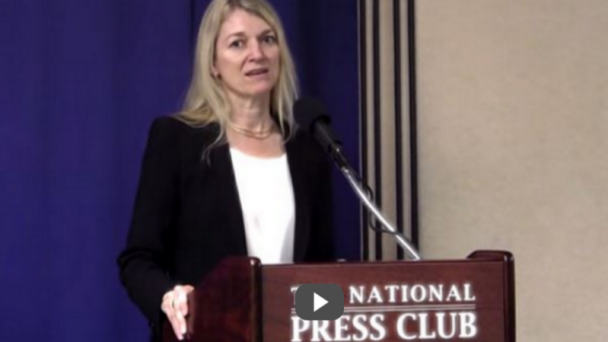
Rockefeller University neuroscientist Cori Bargmann, Ph.D., discussed the promise of the BRAIN Initiative at a press conference announcing the first wave of awards, September 30, 2014. Presentation of the BRAIN Initiative awards at the National Press Club.

Published on Oct. 20, 2014 by National Institute of Mental Health (NIMH)


OnAir Post: A new era of Exploration – Cori Bargmann

Trees of the Brain Presentation

This inaugural event of the series, which is sponsored by the George Mason University Bookstore, was held in the Fenwick Library Main Reading Room, on Tuesday, March 29th, at 2:30 p.m.

OnAir Post: Trees of the Brain Presentation

Kavli video on the BRAIN Initiative

Kavli Foundation sponsored numerous symposiums and informal meetings in 2011 through 2013 that developed the initial concept for the BRAIN Inititative. Over 100 neuroscientists participated in these meetings which resulted in the Brain Activity Map Project proposal that "would prove important to the scientific thinking behind the BRAIN Initiative, as well as a major catalyst for its launching."

OnAir Post: Kavli video on the BRAIN Initiative

National Core for Neuroethics videos

Videos in this post are from the National Core for Neuroethics YouTube Channel.

The National Core for Neuroethics is an interdisciplinary research group dedicated to tackling the ethical, legal, policy and social implications of frontier technological developments in the neurosciences. Our objective is to align innovations in the brain sciences with societal, cultural and individual human values through high impact research, education and outreach.

YouTube Channel

Selected Videos

Talking about Ethics & Neurodevelopmental disorders

Published on Nov. 20, 2014 by National Core for Neuroethics

https://www.youtube.com/watch?v=dJkRFJc-luoVideo can’t be loaded because JavaScript is disabled: Talking about Ethics & Neurodevelopmental disorders-Trailer (https://www.youtube.com/watch?v=dJkRFJc-luo)

Neurology, Neuroethics, Neurotechnology by Elena Moro, Brain Matters!

As part of the Brain Matters! Vancouver Thematic Sessions Video Podcast, we present:

Neurology, Neuroethics, Neurotechnology: The New Challenges by Elena Moro, Professor, Joseph Fourier University-CHU Grenoble

This video presentation features key points from Dr. Moro’s session on the use of deep brain stimulation and neuroethics.

OnAir Post: National Core for Neuroethics videos

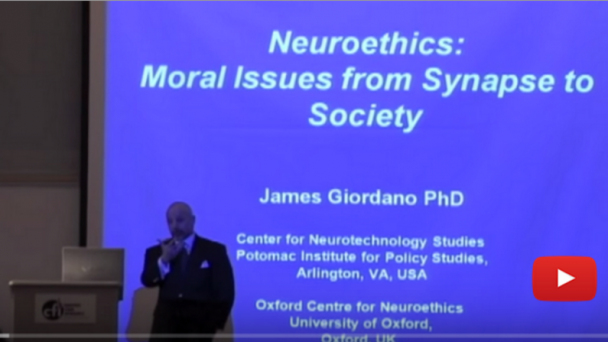
Neuroethics: Moral Issues from Synapse to Society

On December 9, 2010, the Center for Inquiry — Transnational in Amherst, New York presented a lecture by James Giordano entitled “Neuroethics: Moral Issues from Synapse to Society.”

Neuroscientific inquiry into the brain has made large progress. It is already overthrowing common misconceptions about the mind and why people do what they do. he field of neuroethics is trying to deal with moral questions involved with new brain technologies, arising from both secular and non-secular worldviews.

Video

YouTube page

Uploaded on Jun 23, 2011

On December 9, 2010, the Center for Inquiry — Transnational in Amherst, New York presented a lecture by James Giordano entitled “Neuroethics: Moral Issues from Synapse to Society.”

Neuroscientific inquiry into the brain has made large progress. It is already overthrowing common misconceptions about the mind and why people do what they do. he field of neuroethics is trying to deal with moral questions involved with new brain technologies, arising from both secular and non-secular worldviews. Dr.Giordano’s lecture examines these and other issues. He is introduced by John Shook, director of education at the Center for Inquiry.

James Giordano is Director of the Center for Neurotechnology Studies at the Potomac Institute for Policy Studies in Arlington, Virginia, and a ...

OnAir Post: Neuroethics: Moral Issues from Synapse to Society

Art + Science = NeuroEthics

How do scientists on the cutting edge of research address the ethical questions their work may raise?

At the UW Center for Sensorimotor Neural Engineering (CSNE), scientists work side by side with professors and students from the Department of Philosophy to answer this question and other questions about normalcy, disability, security, autonomy, and what it means to be in control of our own brains.

Art + Science = NeuroEthics

YouTube page 

Published on May 14, 2014 by UWcas

Hear from CSNE Ethics Thrust leader and associate professor of philosophy Sara Goering about some of the questions she investigates and learn how involving philosophy in neural engineering has changed research from CSNE Senior Advisor Tom Daniel.

View more of the College of Arts and Sciences’ “Art + Science =” series: http://goo.gl/ijhgZt

https://www.youtube.com/watch?v=1AJDF4BSywIVideo can’t be loaded because JavaScript is disabled: Art + Science = NeuroEthics (https://www.youtube.com/watch?v=1AJDF4BSywI)

OnAir Post: Art + Science = NeuroEthics

Neuroethics at the World Science Festival

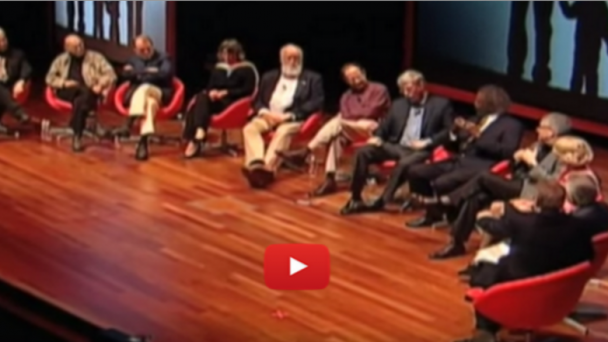
This video is from the “World Science Festival” meeting that took place on May 31st, 2007 in New York on the topic of “What it Means to Be Human.”

In this clip, Nikolas Rose expresses doubts that the field of neuroethics will have any radical implications for jurisprudence, to which both Patricia Churchland and Francis Collins agree. Paul Nurse then brings up the problem of freewill, an issue which Daniel Dennett has written extensively on.

Video

Uploaded on Jun 19, 2009 by Lenny Bound YouTube page 

The event was moderated by Charlie Rose. Participants include philosopher Daniel Dennett, artist Jonathan Harris, AI researcher Marvin Minsky, anthropologist Ian Tattersall, geneticist Francis Collins, neuroscientist Antonio Damasio, philosopher Patricia Churchland, sociologist Nikolas Rose, embryonic stem cell biologist Renee Reijo Pera, and Nobel Laureates Harold Varmus and Paul Nurse.

https://www.youtube.com/watch?v=wHEZrz49MQIVideo can’t be loaded because JavaScript is disabled: Neuroethics at the World Science Festival (https://www.youtube.com/watch?v=wHEZrz49MQI)

OnAir Post: Neuroethics at the World Science Festival

Neuroethics (Where Do Ethics Come from?)

John Banja, a professor in the Department of Rehabilitation Medicine and a medical ethicist at the Center for Ethics, talks to undergraduates about neuroethics (April 21, 2014).

Emory’s Center for the Study of Human Health brings together the resources of a major research university to advance knowledge and undergraduate education in the area of human health.

Video

YouTube Page

Published on April 30, 2014 by Emory University

https://www.youtube.com/watch?v=p_dRzQ_wKccVideo can’t be loaded because JavaScript is disabled: Neuroethics (Where Do Ethics Come from?) (https://www.youtube.com/watch?v=p_dRzQ_wKcc)


OnAir Post: Neuroethics (Where Do Ethics Come from?)

Janelia Research Open House


A rare “peek behind the curtain” for the members of the scientific community, inviting them to tour its Janelia Farms campus in Sterling, Virginia. Produced by Feats Inc. for HHMI to showcase the caliber and quality of Janelia’s research.

The unique open house was followed by an intimate evening event designed to foster personal interaction among some of the greatest minds in science, including a number of Nobel laureates. Nearly 2,500 people attended the event demonstrating the science community’s interest in HHMI and its work.


https://www.youtube.com/watch?v=wgFNjMs9rvUVideo can’t be loaded because JavaScript is disabled: hhmi DOCUMENTARY (https://www.youtube.com/watch?v=wgFNjMs9rvU)

YouTube page

Uploaded Sept. 27, 2009

OnAir Post: Janelia Research Open House

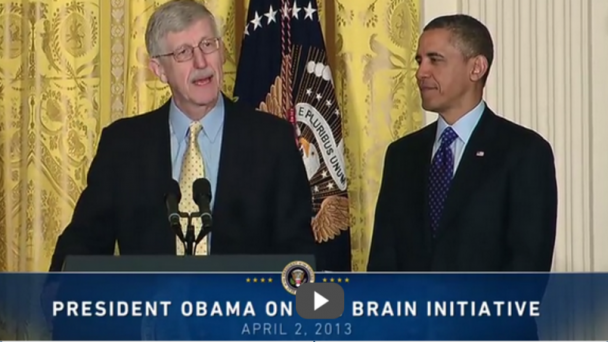
President Obama on the BRAIN Initiative

https://www.youtube.com/watch?v=uJuxLDRsSQcVideo can’t be loaded because JavaScript is disabled: President Obama Speaks on the BRAIN Initiative and American Innovation (https://www.youtube.com/watch?v=uJuxLDRsSQc)

President Barack Obama launches the BRAIN Initiative on April 2, 2013. The video in this post was titled “President Obama Speaks on the BRAIN Initiative and American Innovation.”

…”President Obama unveils a bold new research initiative designed to revolutionize our understanding of the human brain, and discusses the importance of investing in American innovation to create jobs and strengthen our economy.”

Published on YouTube by the White House April 2, 2013.

OnAir Post: President Obama on the BRAIN Initiative

Inscopix and Miniature Microscopes

Inscopix is a discovery-phase neuroscience company in Palo Alto, CA, that develops integrated solutions for understanding the brain in action. Inscopix serves its clients in over a hundred academic and neuropharmaceutical research laboratories through its flagship brain imaging product, nVista, data analytics suite, Mosaic, and training workshops.

We have assembled here a number of videos about Inscopix: its products, people, and researchers.

Research

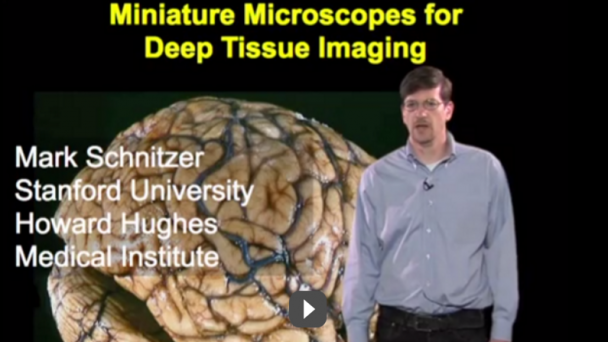
Miniature Microscopes for Deep Tissue Imaging

Published on Nov 11, 2013 iBioEducation

This lecture describes recent work on developing small microscopes for deep tissue imaging that can surgically implementing into living and awake animals. Exciting applications are described for imaging the activity and long term shape changes of single neurons in the brain.

https://www.youtube.com/watch?v=C1HO3ot0K00Video can’t be loaded because JavaScript is disabled: Microscopy: Miniature Microscopes for Deep Tissue Imaging (Mark Schnitzer) (https://www.youtube.com/watch?v=C1HO3ot0K00)

Neocortex (Somatosensory)

Published on Jun 3, 2015  by Inscopix

OnAir Post: Inscopix and Miniature Microscopes

Houston Neuroscience Videos

The Boundary of Life is Quietly Crossed

Professor teams up with local artist to study aesthetic experiences in the brain.

Visitors to Dario’s Robleto’s conceptual art exhibit were given the option of wearing an EEG skullcap to record their brain activity while they observe Robleto’s artwork. The team of researchers from the University of Houston’s Cullen College of Engineering were led by Jose “Pepe” Luis Contreras-Vidal, Hugh Roy and Lillie Cranz Cullen University Professor of electrical and computer engineering.

Video published on  Nov. 3, 2014 by UH Cullen College of Engineering

https://www.youtube.com/watch?v=Qaad7eh9yH0Video can’t be loaded because JavaScript is disabled: Dario Robleto: The Boundary of Life is Quietly Crossed (https://www.youtube.com/watch?v=Qaad7eh9yH0)

Professor teams up with local artist to study aesthetic experiences in the brain

by Audrey Grayson on Nov. 4, 2014 in  Cullen College of Engineering News

It’s rare to find science and art so inextricably tied together. It’s rarer still to find yourself playing the role of scientist, artist and art ...

OnAir Post: Houston Neuroscience Videos

Penn Neuroscience Center (video)

https://www.youtube.com/watch?v=yGh6Yr7BtS0Video can’t be loaded because JavaScript is disabled: The Penn Neuroscience Center (https://www.youtube.com/watch?v=yGh6Yr7BtS0)

Penn Medicine makes it easier and more convenient for you to see the top neuroscience specialists. From initial consultation, to treatment and follow-up care, Penn Neurosciences provides access to the most advanced brain and spine care in the region.

Video published on June 16, 2015 by Penn Medicine

OnAir Post: Penn Neuroscience Center (video)

Understanding and mapping the human brain

https://www.youtube.com/watch?v=2s6uEwYCBKA

What do we really know about the human brain? And how are researchers working to learn more? We discuss interesting and promising ways that researchers are trying to learn more about how the brain works.

Anders Lansner, Professor of Computational Biology at Stockholm University and affiliated professor of Computer science at KTH Royal Institute of Technology Håkan Fischer*, Professor of Biological Psychology at the Department of Psychology at Stockholm University Marie Öhman, Professor of Molecular Biosciences at Stockholm University Jill Bolte Taylor, American neuroanatomist, author, and inspirational public speaker

Video published April 24, 2015 by Crosstalks TV

OnAir Post: Understanding and mapping the human brain

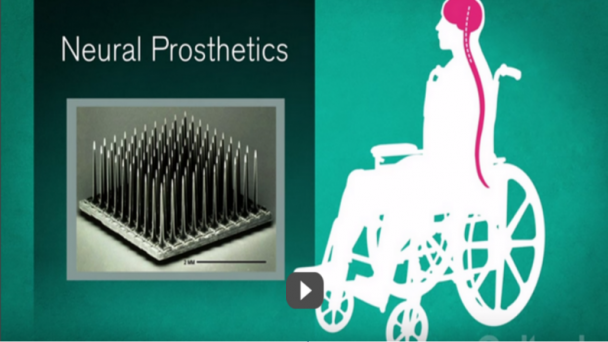
Next Generation of Neuroprosthetics

https://www.youtube.com/watch?v=F4wAvlA_Of0Video can’t be loaded because JavaScript is disabled: Next Generation of Neuroprosthetics: Science Explained – R. Andersen – May 2015 (https://www.youtube.com/watch?v=F4wAvlA_Of0)

Next Generation of Neuroprosthetics: Science Explained

Published on May 21, 2015 by caltech

Read the news story: http://www.caltech.edu/news/controlli…

Read the abstract of this research: http://resolver.caltech.edu/CaltechAU… “Decoding Motor Imagery from the Posterior Parietal Cortex of a Tetraplegic Human.” Science, 348 (6237). pp. 906-910. ISSN 0036-8075

OnAir Post: Next Generation of Neuroprosthetics

A brain-computer interface for controlling an exoskeleton

https://www.youtube.com/watch?v=jeLghZ8GASAVideo can’t be loaded because JavaScript is disabled: A brain-computer interface for controlling an exoskeleton (https://www.youtube.com/watch?v=jeLghZ8GASA)

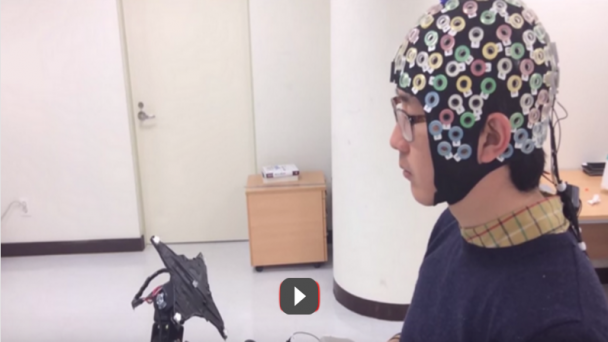
Scientists at Korea University and TU Berlin have developed a brain-computer interface (BCI) for a lower limb exoskeleton used for gait assistance by decoding specific signals from the user’s brain. Using an electroencephalogram (EEG) cap, the system allows users to move forward, turn left and right, sit, and stand, simply by staring at one of five flickering light emitting diodes (LEDs).

Video published on YouTube Aug. 17, 2015  by SciNews

For more information,  see this review by KurzweilAI.net

OnAir Post: A brain-computer interface for controlling an exoskeleton

From Neurons to Neighborhoods: Tom Insel

https://www.youtube.com/watch?v=I4XaslROyQQVideo can’t be loaded because JavaScript is disabled: From Neurons to Neighborhoods: charting a new science of mental health (https://www.youtube.com/watch?v=I4XaslROyQQ)

“From Neurons to Neighborhoods: charting a new science of mental health”

Dr. Thomas Insel, Director of the National Institute of Mental Health (NIMH), discusses how a deeper understanding of how the human brain functions will yield new approaches to diagnostics and therapeutics, bending the curve for millions affected by mental disorders.

Published by Stanford on October 20, 2014

Stanford University page   YouTube page

OnAir Post: From Neurons to Neighborhoods: Tom Insel

Mind Over Mechanics

https://www.youtube.com/watch?v=6LWz4qa2XQA&feature=youtu.be

In a jaw-dropping feat of engineering, electronics turn a person’s thoughts into commands for a robot. Using a brain-computer interface technology pioneered by University of Minnesota biomedical engineering professor Bin He, several young people have learned to use their thoughts to steer a flying robot around a gym, making it turn, rise, dip, and even sail through a ring.

The technology may someday allow people robbed of speech and mobility by neurodegenerative diseases to regain function by controlling artificial limbs, wheelchairs, or other devices. And it’s completely noninvasive: Brain waves (EEG) are picked up by the electrodes of an EEG cap on the scalp, not a chip implanted in the brain.

A report on the technology has been published in the Journal of Neural Engineering.

For more information on Bin He, see his BRAIN 2015 profile.

Published on June 4, 2013 by University of Minnesota

OnAir Post: Mind Over Mechanics

Genetic Dissection of Basal Ganglia Circuitry

https://www.youtube.com/watch?v=QydWI8UWEkEVideo can’t be loaded because JavaScript is disabled: X. William Yang, UCLA (https://www.youtube.com/watch?v=QydWI8UWEkE)

“Genetic Dissection of Basal Ganglia Circuitry:Novel Insights into Opiate Reward” from the Cellular Biology of Addiction course 8/11/213

Video published on Nov. 4, 2013 by CSHL Leading Strand

X. William Yang Profile

Professor, Psychiatry and Biobehavioral Sciences, UC Los Angeles Director, X. William Yang Research Group

Yang is interested in using the mouse molecular genetic approach to study the pathogenesis of neurodegenerative diseases. One recurring theme in neurodegenerative diseases is that a widely expressed mutant protein can cause highly selective degeneration of a subset of neurons. The pathogenesis of such selective neurodegeneration remains unclear. Currently, we are focusing on Huntington’s disease (HD) to study the molecular and cellular mechanisms underlying the disease.


OnAir Post: Genetic Dissection of Basal Ganglia Circuitry

Big Think Interview With Vincent Pieribone

https://www.youtube.com/watch?v=zgZMyY27tfgVideo can’t be loaded because JavaScript is disabled: Big Think Interview With Vincent Pieribone | Big Think (https://www.youtube.com/watch?v=zgZMyY27tfg)

Vincent Pieribone Profile

Professor of Cellular and Molecular Physiology and of Neurobiology, Yale University Fellow, John B. Pierce Laboratory

Dr Pieribone is developing genetically encoded fluorescent probes of membrane electrical potential. These probes allow one to use optical instruments (microscopes) to monitor the electrical activity of neurons. He has also engineered miniature imaging systems that can be head mounted on mammels and allow mobile recording of neuronal activity.

Video published on April 23, 2012 by Big Think

OnAir Post: Big Think Interview With Vincent Pieribone

Miniature Microscopes for Deep Tissue Imaging

https://www.youtube.com/watch?v=C1HO3ot0K00Video can’t be loaded because JavaScript is disabled: Microscopy: Miniature Microscopes for Deep Tissue Imaging (Mark Schnitzer) (https://www.youtube.com/watch?v=C1HO3ot0K00)

This lecture describes recent work on developing small microscopes for deep tissue imaging that can surgically implementing into living and awake animals. Exciting applications are described for imaging the activity and long term shape changes of single neurons in the brain.

Video published on Nov. 11, 2013 by iBioEducation

Mark Schnitzer Profile

Associate Professor of Biology and Applied Physics, Stanford HHMI Investigator Principal Investigator, Schnizer Group

Dr. Schnitzer has longstanding interests in neural circuit dynamics and optical imaging focusing on: the development and application of fiber-optic, micro-optic, and nanophotonic imaging techniques for studies of learning and memory; in vivo fluorescence imaging and behavioral studies of hippocampal-dependent cognition and learning; and development of high-throughput, massively parallel imaging techniques for studying brain function in Drosophila.

OnAir Post: Miniature Microscopes for Deep Tissue Imaging

Why study the retina? Josh Sanes Explains

https://www.youtube.com/watch?v=_2SHxpRrW8gVideo can’t be loaded because JavaScript is disabled: Why study the retina? Harvard’s Josh Sanes Explains (https://www.youtube.com/watch?v=_2SHxpRrW8g)

Harvard University Professor and Director of Harvard’s Center for Brain Sciences, Josh Sanes, shares why he thinks understanding synaptic connection networks matter and how mapping the retinal connectome will fundamentally change how we think about the human brain.

Animated video published on Dec. 8, 2012 by Sebastian Seung

Joshua R Sanes Profile

Professor of Molecular and Cellular Biology, Harvard University Director, Sanes Lab and Center for Brain Science

Key questions that Joshua Sanes is exploring is how are complex neural circuits assembled in young animals and how do they process information in adults? To understand how these circuits form, we mark retinal cell types transgenically, map their connections, seek recognition molecules that mediate their connectivity, use genetic methods to manipulate these molecules, and assess the structural and functional consequences of removing or swapping them.


OnAir Post: Why study the retina? Josh Sanes Explains

Neurotech 1: Multi-Photon Microscopy

https://www.youtube.com/watch?v=lHLSFhp5HawVideo can’t be loaded because JavaScript is disabled: Neurotech 1: Multi-Photon Microscopy (https://www.youtube.com/watch?v=lHLSFhp5Haw)

“How do we see neurons, the brain’s principal functional units? Discover new views made possible by Multi-photon microscopy.”

Part 1 of 12 featuring MIT Professors Elly Nedivi and Peter So.

Video published on Sept. 24, 2014 by EyeWire

Profile of Elly Nedivi

Professor of Brain & Cognitive Sciences and Biology, MIT Neuroscience Principal Investigator, Nedivi Lab

The Nedivi lab, part of the Picower Institute for Learning and Memory, studies the cellular mechanisms that underlie activity-dependent plasticity in the developing and adult brain through studies of neuronal structural dynamics, identification of the participating genes, and characterization of the proteins they encode.

OnAir Post: Neurotech 1: Multi-Photon Microscopy

Early Cancer Detection with Photoacoustic Tomography

His laboratory invented or discovered functional photoacoustic tomography, 3D photoacoustic microscopy (PAM). PAM broke through the long-standing diffusion limit to the penetration of conventional optical microscopy and reached super-depths for noninvasive biochemical, functional, and molecular imaging in living tissue at high resolution.

Video published on June 29, 2012 by SPIETV

OnAir Post: Early Cancer Detection with Photoacoustic Tomography

Alan Jasanoff: McGovern Institute Investigator


https://www.youtube.com/watch?v=zfZjOHcOHqQVideo can’t be loaded because JavaScript is disabled: Alan Jasanoff: McGovern Institute Investigator (https://www.youtube.com/watch?v=zfZjOHcOHqQ)

Functional magnetic resonance imaging (fMRI) has revolutionized our understanding of the human brain, but the method is now approaching the limit of its capabilities. Alan Jasanoff hopes to break through this limit and to develop new technologies for imaging the molecular and cellular phenomena that underlie brain function.

Video published on Mar 9, 2010 by mittechtv

Profile

Associate Professor of Biological Engineering with appointments in Brain and Cognitive Sciences and Nuclear Science and Engineering, MIT Neuroscience Associate member of the McGovern Institute Principal Investigator, Jasanoff Lab

Functional magnetic resonance imaging (fMRI) has revolutionized our understanding of the human brain, but the method is now approaching the limit of its capabilities. Alan Jasanoff hopes to break through this limit and to develop new technologies for imaging the molecular and cellular phenomena that underlie brain function.

OnAir Post: Alan Jasanoff: McGovern Institute Investigator

Kendall Lee: Deep Brain Stimulation Research


https://www.youtube.com/watch?v=5HR_Szjhrg8Video can’t be loaded because JavaScript is disabled: Deep Brain Stimulation Research (DBS) – Mayo Clinic (https://www.youtube.com/watch?v=5HR_Szjhrg8)

Kendall Lee, M.D., Mayo Clinic neurosurgeon, describes research into deep brain stimulation being conducted at Mayo Clinic, including the WINCS device that enable precise measurements of the effects of brain stimulation.

Video published on Mar. 18, 2010 by Mayo Clinic


Profile

Professor of Neurosurgery and Physiology, Mayo Clinic

The research interests of Kendall H. Lee, M.D., Ph.D., are to develop deep brain stimulation (DBS) for the treatment of Parkinson’s disease, tremor, depression, obsessive-compulsive disorder and epilepsy. Dr. Lee is fascinated with the possibility of combining sophisticated electrophysiological recordings with miniaturized analytical elements (microprocessors) to augment or repair disrupted function of the brain.

OnAir Post: Kendall Lee: Deep Brain Stimulation Research

Soltesz Lab: GABAergic interneurons in the hippocampus

https://www.youtube.com/watch?v=KiVdY6XZAL0Video can’t be loaded because JavaScript is disabled: How GABAergic interneurons in the hippocampus choose their postsynaptic partners (https://www.youtube.com/watch?v=KiVdY6XZAL0)

“How GABAergic interneurons in the hippocampus choose their postsynaptic partners”

The CA1 region consists of heterogeneous pyramidal cells. In this video, Drs. Ivan Soltesz, Sang-Hun Lee, and Ivan Marchionni describe that GABAergic, parvalbumin expressing basket cells preferentially target specific subsets of pyramidal cells, while being selectively excited by other subsets, demonstrating nonuniform perisomatic inhibition of hippocampal output channels.

Lab Profile

Principal Investigator: Ivan Soltesz UC Irvine Neuroscience

The Soltesz Lab is interested in how brain cells communicate with each other and how the communication changes after fever-induced seizures in early childhood and after head injury. Our general goal is to understand how neuronal networks function and dysfunction, in order to discover new therapies to prevent epilepsy.

OnAir Post: Soltesz Lab: GABAergic interneurons in the hippocampus

Molecular Probes for Noninvasive Neuroimaging

https://www.youtube.com/watch?v=YtRZJLF2MmUVideo can’t be loaded because JavaScript is disabled: Alan Jasanoff: Molecular Probes for Noninvasive Neuroimaging (https://www.youtube.com/watch?v=YtRZJLF2MmU)

“The B.R.A.I.N. Initiative faces a major technological barrier in obtaining high resolution, real-time recordings of brain activity over large areas of the brain. Leading researchers will explore available and promising approaches to surmounting that barrier, exploring current work and future possibilities for the detection and recording of the range of relevant electrical and chemical signals in the nervous system.”

Presentation by Alan Jasanoff of Jasnoff Lab research Published on June 16, 2014 by Calit2ube

Lab Profile

Principal Investigator, Alan Jasanoff MIT Neuroscience

Jasanoff Lab is developing a new generation of functional magnetic resonance imaging (fMRI) methods to study the neural mechanisms of behavior.The Lab’s focus is on the design and application of new contrast agents that may help define spatiotemporal patterns of neural activity with far better precision and resolution than current techniques allow. Experiments using the new agents will combine the specificity of cellular neuroimaging with the whole brain coverage and noninvasiveness of conventional fMRI.


OnAir Post: Molecular Probes for Noninvasive Neuroimaging

Gerry Rubin – Janelia Farm Research

https://www.youtube.com/watch?v=uvgq0LOyNT8Video can’t be loaded because JavaScript is disabled: Gerry Rubin, Janelia Farm – Loudoun Business Success! (https://www.youtube.com/watch?v=uvgq0LOyNT8)

Gerry Rubin, the executive director of the Howard Hughes Medical Institute’s Janelia Farm Research Campus discusses why the leading edge research institution chose Loudoun Virginia for their $500 million + project. Blue sky thinking, creativity and highly educated workforce.

Produced by Loudoun County Virginia Government. Published July 28, 2010

OnAir Post: Gerry Rubin – Janelia Farm Research

What a fly’s brain tells us about our own minds

https://www.youtube.com/watch?v=FpE9hFJWA8k

“The fruit fly has a very long and distinguished career in science. At a facility considered a Nirvana for scientists, researchers pursue greater understanding of biomedical processes, using test subjects like dragonflies and zebrafish.

PBS News Hour Science correspondent Miles O’Brien reports on how the Janelia Farm Research Campus supports groundbreaking basic research.”

Article on PBS website art

Published July 23, 2014 by PBS Newshour


Transcript

GWEN IFILL: Next: trying to better understand what’s happening in the brain of a fruit fly, a dragonfly, or a zebra fish, all part of a larger puzzle to learn more about how our own brains work.

NewsHour science correspondent Miles O’Brien has the first in our three-part series on the science of the brain.

MILES O’BRIEN: Oh, to be a fly on the wall at the Basic Research Facility scientist consider nirvana. You might see a Nobel Prize in the making or you might be subjected to this, the fruit fly version of a scary movie, the rapidly growing shadow of a predator homing in for the kill.

GWYNETH CARD, Howard Hughes Medical Institute-Janelia Farm Research Campus: My lab is really interested in how flies make decisions.

MILES O’BRIEN: Neuroscientist Gwyneth Card runs a laboratory at the Howard Hughes Medical ...
OnAir Post: What a fly’s brain tells us about our own minds

Unraveling embryonic development cell by cell

YouTube link

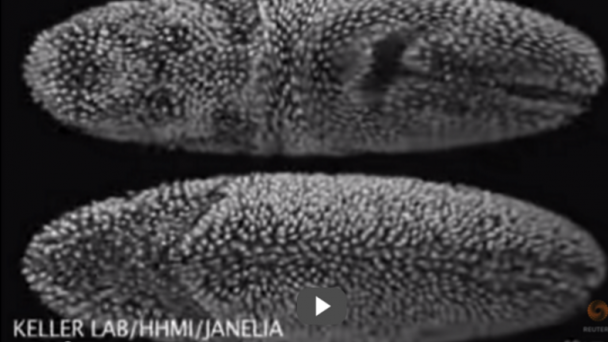
“New computer software to unravel embryonic development cell by cell”

Researchers at the Howard Hughes Medical Institute Janelia Research campus are using a new type of computer software to track and image how a nervous system develops in unprecedented detail. The new system is able to track individual cells during embryonic development, giving scientists a powerful to tool to create a blueprint of how brains form. Ben Gruber reports, Reuters.


Published Aug. 6, 2014 by Reuters


OnAir Post: Unraveling embryonic development cell by cell

Single molecules, cells, and super-resolution optics

https://www.youtube.com/watch?v=M2MOGnYe2lAVideo can’t be loaded because JavaScript is disabled: Single molecules, cells, and super-resolution optics (https://www.youtube.com/watch?v=M2MOGnYe2lA)

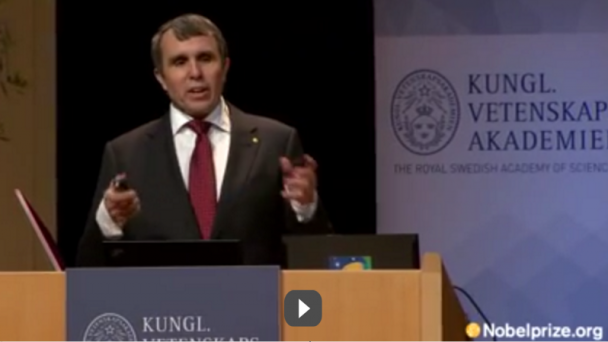
Nobel Laureate in Chemistry 2014: Eric Betzig, Janelia Research Campus, Howard Hughes Medical Institute, Ashburn, VA, USA.

From: The Nobel Lectures 2014, 2014-12-08.

Published on Jan. 8, 2015 by Vetenskapsakademien

OnAir Post: Single molecules, cells, and super-resolution optics

Imaging Life at High Spatiotemporal Resolution


https://www.youtube.com/watch?v=2R2ll9SRCeoVideo can’t be loaded because JavaScript is disabled: Eric Betzig: Imaging Life at High Spatiotemporal Resolution (https://www.youtube.com/watch?v=2R2ll9SRCeo)

In this lecture, held on 3/9/15 at UC Berkeley, Nobel Laureate Eric Betzig, describes three areas focused on addressing the challenges of high resolution imaging: super-resolution microscopy; plane illumination microscopy using non-diffracting beams; and adaptive optics to recover optimal images from within optically heterogeneous specimens.

Published on March 15, 2015 by UC Berkeley Events

OnAir Post: Imaging Life at High Spatiotemporal Resolution

Betzig and Hess: Developing PALM Microscopy


https://www.youtube.com/watch?v=GcQ24khZzvUVideo can’t be loaded because JavaScript is disabled: Eric Betzig and Harald Hess (Janelia Farm/HHMI): Developing PALM Microscopy (https://www.youtube.com/watch?v=GcQ24khZzvU)

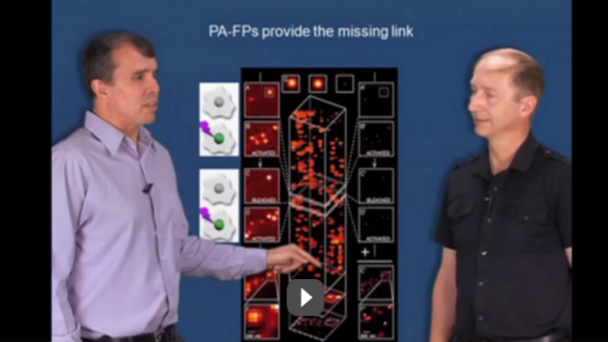
During their 20-year friendship, Eric Betzig and Harald Hess, now at Janelia Farm/HHMI, worked together and separately, in academia and industry, before eventually joining forces to develop the first super-high-resolution PALM microscope.

They tell us the story of this journey and emphasize how their unusual and varied backgrounds provided the skills to complete the project.

Uploaded on Jan. 8, 2011 by iBioMagazine

OnAir Post: Betzig and Hess: Developing PALM Microscopy

Resolving Everything: Harald Hess

https://www.youtube.com/watch?v=esC6cr6qfs8Video can’t be loaded because JavaScript is disabled: Resolving Everything (https://www.youtube.com/watch?v=esC6cr6qfs8)

Harald Hess of the Janelia Research Campus of the Howard Hughes Medical Institute describes his path in basic physics, industry and biology and how the challenge of resolution in microscopy has guided and inspired his research.

Published April 1, 2015 by the National High Magnetic Field Laboratory

OnAir Post: Resolving Everything: Harald Hess

Inside the Lab: Karel Svoboda

https://www.youtube.com/watch?v=1jQIHrrbms8Video can’t be loaded because JavaScript is disabled: Inside the Lab: Karel Svoboda, Janelia Research Campus (https://www.youtube.com/watch?v=1jQIHrrbms8)

“An Exploration of Brain Dynamics”

Get a behind-the-scenes look at a day in the lab of neuroscientist Karel Svoboda as his group at the Howard Hughes Medical Institute’s Janelia Research Campus pushes to build a new type of microscope and uses a virtual reality system to learn how mice explore the world.

Published on July 28, 2014 by zincfinger23


OnAir Post: Inside the Lab: Karel Svoboda

Platform for large-scale neuroscience

https://www.youtube.com/watch?v=Gg_5fWllfgAVideo can’t be loaded because JavaScript is disabled: A platform for large-scale neuroscience – Jeremy Freeman (https://www.youtube.com/watch?v=Gg_5fWllfgA)

A platform for large-scale neuroscience” Jeremy Freeman (HHMI Janelia Farm Research Campus)

Filmed and recorded live at Spark Summit 2014 in San Francisco at the Westin St. Francis.

Published on July 17, 2014 by Apache Spark

OnAir Post: Platform for large-scale neuroscience

Early Days of the NIH BRAIN initiative

https://www.youtube.com/watch?v=bIY_3QddeH0Video can’t be loaded because JavaScript is disabled: Walter Koroshetz – Early Days of the NIH BRAIN initiative (https://www.youtube.com/watch?v=bIY_3QddeH0) Walter Koroshetz presentation at Neuroscience BioConference Live [online] conference on Mar 19, 2015.

From Labroots synopsis: “The major funded efforts at this time fit into 3 main categories; 1) defining the components of brain circuits, i.e., a cell census; 2) developing and testing tools for recording high density information on circuit structure, activity, and manipulating circuit activity; 3) novel technology for noninvasive interrogation and manipulation of circuit activity (next generation imaging).”

OnAir Post: Early Days of the NIH BRAIN initiative

White House Conference on BRAIN Initiative

John Holdren, Director of the Office of Science & Technology, gave the keynote introduction of the BRAIN Initiative. Meredith Drosback, who works in the OSTP science division, coordinated the conference panelists. Paul Alivisatos, Director of the Lawrence Berkeley National Laboratory moderated two panels (starting at minute 16).

OnAir Post: White House Conference on BRAIN Initiative

BRAIN Initiative on Charlie Rose Show

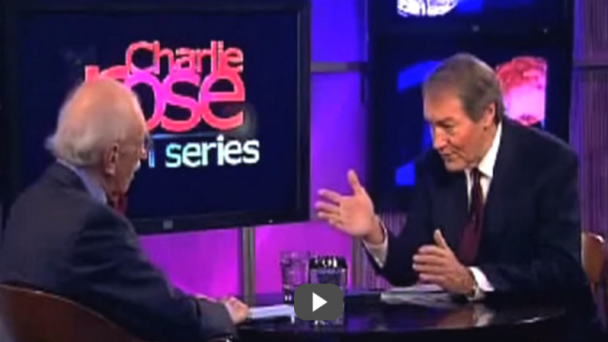
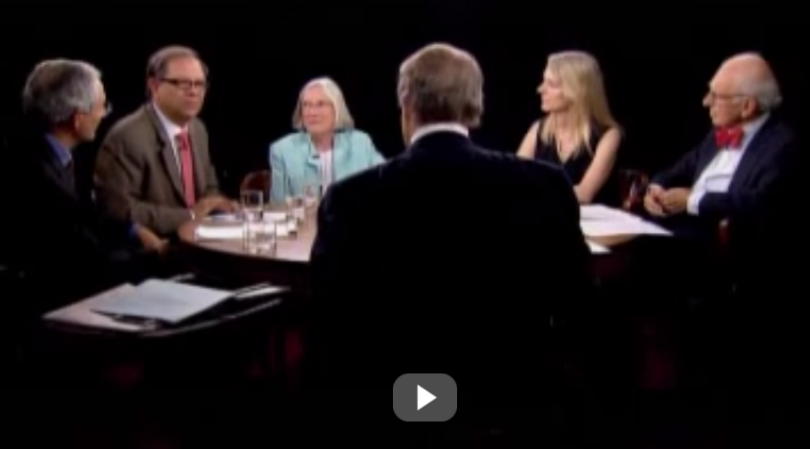
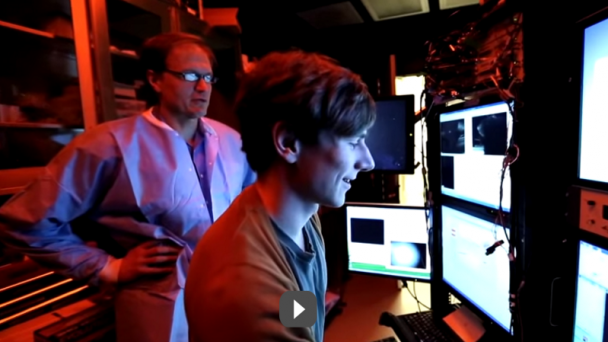
From left to right: Thomas Insel of the National Institute of Mental Health, William Newsome of Stanford University, Story Landis of the National Institute of Health, Cornelia Bargmann of Rockefeller University, William Newsome of Stanford University, and Eric Kandel of Columbia University. Charlie Rose back to camera.

Charlie Rose welcomed on July 14, 2013 a distinguished panel to discuss President Obama’s BRAIN initiative, including Eric Kandel, Thomas Insel, Story Landis, Cornelia Bargmann and William Newsome.

This 14 minute clip includes the opening setup and the conclusion during which the panelists each expresses what results they would like, or hope, to see. This 14th episode concludes the second season of the Charlie Rose Brain Series.

Full episode here: charlierose.com/watch/60241001 

https://www.youtube.com/watch?v=CtdFdWkBv8oVideo can’t be loaded because JavaScript is disabled: Charlie Rose Brain Series 2, Episode 14 (https://www.youtube.com/watch?v=CtdFdWkBv8o)


Curator comment

At the segment starting around minute 42 in the full episode on the Charlie Rose site, Rose says there needs to be a public information project…to facilitate “sharing of knowledge” …. on ...
OnAir Post: BRAIN Initiative on Charlie Rose Show

Partnering with Charlie Rose Brain Series

https://www.youtube.com/watch?v=Hc74MVSIaHEVideo can’t be loaded because JavaScript is disabled: *Partnering With Charlie Rose for The Brain Series_9 (https://www.youtube.com/watch?v=Hc74MVSIaHE)

“We are living in a scientifically sophisticated universe…where people have to make decisions based on technological information that they often don’t understand. I think the scientific community needs to make an effort to explain science to the public.
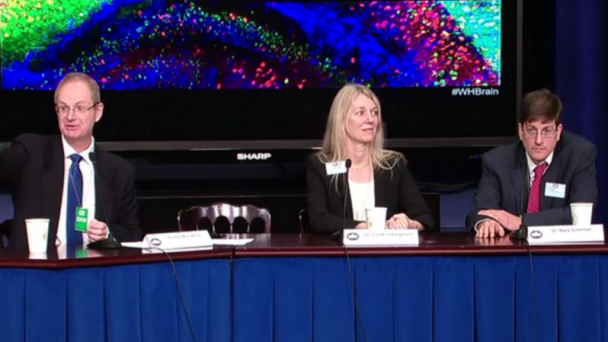
That is not only because science is supported by the public…science is essential in an informed democratic society for people to make intelligent decisions about their future.”

Eric Kandel, Columbia University.

Published on May 14, 2012 by Columbia News

OnAir Post: Partnering with Charlie Rose Brain Series

More Charlie Rose Brain Series videos

In this post, we have assembled some of the “Charlie Rose Brain Series” episodes. These videos were found in the #Charlie Rose channel under the title “Popular Charlie Rose & Charlie Rose: Brain Series videos”.

The entire collection of  Charlie Rose Brain Series videos can be found at Hulu.com/charlie-rose (available with subscription).

Series 1 The Great Mysteries Of The Human Brain

https://www.youtube.com/watch?v=X4A60HFLWSAVideo can’t be loaded because JavaScript is disabled: 01 – the great mysteries of the human brain (https://www.youtube.com/watch?v=X4A60HFLWSA)


Series 2 – Alzheimers Disease

YouTube page  54:55 minutes

https://www.youtube.com/watch?v=55Vx2fKxh24Video can’t be loaded because JavaScript is disabled: Charlie Rose – Brain Series 2: Alzheimers Disease (https://www.youtube.com/watch?v=55Vx2fKxh24)

Series 3 – The Acting Brain


Series 4 – The Social Brain

OnAir Post: More Charlie Rose Brain Series videos

Tools for studying neurons: Loren Looger

https://www.youtube.com/watch?v=C7NUYgdzZ4YVideo can’t be loaded because JavaScript is disabled: CSHL Keynote Series; Dr. Loren Looger, HHMI Janelia Farm (https://www.youtube.com/watch?v=C7NUYgdzZ4Y)

“Tools for studying neurons, the only important cells in the brain” from the Glia in Health & Disease 7/19/2014

Presented by Dr. Loren Looger, HHMI Janelia Farm Part of Cold Springs Harbor Laboratory Keynote lecture series

Pulbished on July 21, 2014 by  CSHL Leading Strand

OnAir Post: Tools for studying neurons: Loren Looger

Open for Questions: The BRAIN Initiative

https://www.youtube.com/watch?v=wNLjJi7ZSl4Video can’t be loaded because JavaScript is disabled: Open for Questions: The BRAIN Initiative (https://www.youtube.com/watch?v=wNLjJi7ZSl4)

On the day that President Obama launched the BRAIN Initiative, April 2, 2013, the White House recorded an “open for questions” event that responded to Twitter questions.

Tom Kalil, Deputy Director for Technology and Innovation in the Office of Science and Technology Policy; Dr. Francis Collins, Director of National Institutes of Health; and Dr. Arati Prabhakar, Director of the Defense Advanced Research Projects Agency answer questions about the BRAIN Initiative.

Published on YouTube by the White House on Apr 2, 2013

For a fun and informative video of Francis Collins and the BRAIN Initiative, check out this video from the Colbert Report.

OnAir Post: Open for Questions: The BRAIN Initiative

CMU BrainHub Launch: Opening Remarks

https://www.youtube.com/watch?v=jp0arbSpQPMVideo can’t be loaded because JavaScript is disabled: BrainHub Launch: Opening Remarks (https://www.youtube.com/watch?v=jp0arbSpQPM)

Carnegie Mellon University president Dr. Subra Suresh and interim provost Nathan Urban delivered opening remarks at the launch of CMU BrainHub, a new initiative that focuses on understanding the human brain — one of the grand challenges of the 21st century.

Understanding how the brain works is one of the biggest puzzles left for science to solve. Answers to critical questions in neuroscience lie at a pivotal intersection between biology, cognitive psychology, computer science, statistics and engineering – areas where Carnegie Mellon University excels. And the world has taken notice of our excellence, putting CMU at the hub of unique global partnerships in the name of brain research.

For more information: cmu.edu/brainhub

Pulbished on Aug. 26, 2014 by Carnegie Mellon

OnAir Post: CMU BrainHub Launch: Opening Remarks

Monkey controls a robot with its thoughts

https://www.youtube.com/watch?v=CR_LBcZg_84Video can’t be loaded because JavaScript is disabled: Miguel Nicolelis: A monkey that controls a robot with its thoughts. No, really. (https://www.youtube.com/watch?v=CR_LBcZg_84)

“Can we use our brains to directly control machines — without requiring a body as the middleman? Miguel Nicolelis talks through an astonishing experiment, in which a clever monkey in the US learns to control a monkey avatar, and then a robot arm in Japan, purely with its thoughts. The research has big implications for quadraplegic people — and maybe for all of us.”

Filmed April 2012 at TEDMED 2012 Uploaded to YouTube on February 18, 2013 by TED  

TED Talks webpage

OnAir Post: Monkey controls a robot with its thoughts

Your 500-Million-Year-Old Brain

https://www.youtube.com/watch?v=bN-8oYVilpsVideo can’t be loaded because JavaScript is disabled: Your 500-Million-Year-Old Brain — HHMI BioInteractive Video (https://www.youtube.com/watch?v=bN-8oYVilps)

The genetic roots of our brains can be seen in the amphioxus, a modern relative of 500-million-year-old creatures. These small eel-like animals teach us about brain evolution.

Published on Aril 24, 2014 by HHMI Biointeractive

OnAir Post: Your 500-Million-Year-Old Brain

Neuroethics – Dr. Hank Greely

The Emory Neuroscience Program, Center for Ethics Neuroethics Program, and the Scholars Program in Interdisciplinary Neuroscience Research (SPINR) are combining forces to hold a symposium on the intersection of neuroscience and law pertaining to the use of fMRI and other lie detection technologies in the courtroom.

Drs. Hank Greely, director of the Center for Law and Biosciences at Stanford Law School, is featured in this talk.

To learn more about Dr Greely on BRAIN 2015, go here.

Video

Published on Jun 7, 2012 by Emory Neuroethics

OnAir Post: Neuroethics – Dr. Hank Greely

Nadine Kabbani – TEDxGMU

https://www.youtube.com/watch?v=J8w_0sZ97BcVideo can’t be loaded because JavaScript is disabled: From Saints to Sociopaths: Dopamine and Decisions | Nadine Kabbani | TEDxGeorgeMasonU (https://www.youtube.com/watch?v=J8w_0sZ97Bc)

From Saints to Sociopaths: Dopamine and Decisions

By Nadine Kabbani Pubished on March 21, 2016 TEDx Talks

Nadine Kabbani, PhD is a group leader at the Krasnow Institute for Advanced Study and an Assistant Professor of Molecular Neuroscience at George Mason University.

Her research focuses on the cellular and molecular mechanisms of nicotinic acetylcholine receptor signaling in the developing and regenerating nervous system. Her lab explores the role of acetylcholine in synapse formation and maturation during early life stages using high resolution live cell imaging, genetics, and proteomics.

OnAir Post: Nadine Kabbani – TEDxGMU

The Microbiome & the Brain – A New State of Mind


Neuroscientist Christopher Lowry discusses the emerging science, that’s connecting the microbiome – the community of microbes that inhabit the body – with brain health including whether we can treat common brain disorders through the gut.

Lindsay Borthwick is moderating the discussion.

Organized by the Kavli Foundation Jan. 15, 2015


Questions

2:40 Do we know which particular species/community are important for brain health? 5:25 Is it likely that other organisms besides bacteria are also important to the microbiome? 7:20 What prompted you to study bacteria and their interaction with our nervous system? 8:50 How did the behavior of mice change in your experiment? 10:40 How do these microbes communicate with the nervous system? 17:30 Have there been human trials to test microbiome treatments? 19:30 How far are we from treating brain disorders with probiotics? 20:45 Can the microbiome effect our brain development? 22:45 Could destruction to the microbiome cause neurological issues? 24:10 How have you changed your lifestyle throughout your research? 28:00 What kind of research is being done to study the average/optimal microbiome?

Hangout On Air

Streamed live on Jan. 15, 2015 by Kavli Foundation

Youtube page

OnAir Post: The Microbiome & the Brain – A New State of Mind

The BRAIN Initiative & Friends by Cody Rall

https://www.youtube.com/watch?v=_N-BAv3Hz8kVideo can’t be loaded because JavaScript is disabled: The BRAIN Initiative & Friends (https://www.youtube.com/watch?v=_N-BAv3Hz8k)

In this 4:24 long video called “The BRAIN Initiative & Friends “, Cody Rall, MD has compiled a collection of videos related to the BRAIN Initiative. This video was created “to inspire awareness surrounding brain research.”

“With key figures including Fancis Collins of NIH, Tan Lee of Emotiv, Mary Lou Jepsen of Google X, Peter Diamandis of Singularity University, Hugh Herr of MIT, and others, the excitement is palpable. Complete with timeless recordings of Napoleon Hill and Earl Nightingale, we continue this journey together.”

Published on Nov 11, 2014 by Cody Rall

OnAir Post: The BRAIN Initiative & Friends by Cody Rall

William Newsome and the BRAIN Initiative

https://www.youtube.com/watch?v=t9oKjAI46ioVideo can’t be loaded because JavaScript is disabled: William Newsome: The US BRAIN Initiative: What, Why and How? (https://www.youtube.com/watch?v=t9oKjAI46io)

Dr. William Newsome, co-chair of the NIH Science Advisory Committee, describes what the BRAIN Initiative is, why it is important, and how it can be achieved.

Newsome’s talk was part of “Neuroscience Mini-symposium: From Perception to Decision”, co-sponsored by NYU-ECNU Institute of Brain and Cognitive Science at NYU Shanghai, Shanghai Key Laboratory of Brain Functional Genomics, and School of Psychology and Cognitive Science, East China Normal University.

Published on Jul 14, 2014 by NYU Shanghai Research

OnAir Post: William Newsome and the BRAIN Initiative

Skip to toolbar