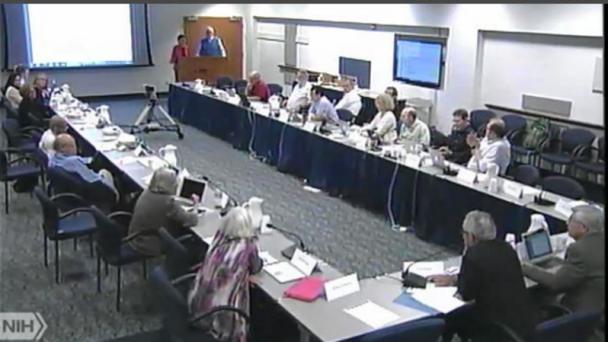
MCWG Meeting July 30, 2015


NIH BRAIN Initiative Multi-Council Working Group Meeting (MCWG) met on July, 30 2015.

10:15 am – Update on BRAIN 10:30 am – Opportunities for Collaboration 11:40 am – Group Discussion 12:45 pm – Neuroethics 1:15 pm – FY 16 Plans 3:00 pm – FY 17 and Beyond

browser does not support iframe

Meeting Overview

The purpose of the meeting is to receive feedback and guidance on funding opportunity announcements, submitted applications, and strategic planning for the NIH component of The BRAIN Initiative. The MCWG is comprised of 10 representatives from the Advisory Councils of the 10 participating BRAIN Institutes/Centers (including NINDS), 5 at-large members, and ex officio representatives from the other participating federal agencies. The meeting will also provide an opportunity for private entities/foundations to present on their contribution to BRAIN, including but not limited to: Allen Brain Institute, Kavli, Simons Foundation, HHMI/Janelia Farms. Information presented and gathered at this meeting will support the development of future funding opportunity announcements for the Initiative, set to continue until 2025.

Agenda

GDE Error: Error retrieving file – if necessary turn off error checking (404:Not Found)

Videocast

BRAIN Multi-Council Working Group (MCWG) Meeting – Thursday, July 30, 2015Location: 5635 Fishers Lane, Rockville, MD National Institute of Health Rooms 508/509

Description

The purpose ...

OnAir Post: MCWG Meeting July 30, 2015
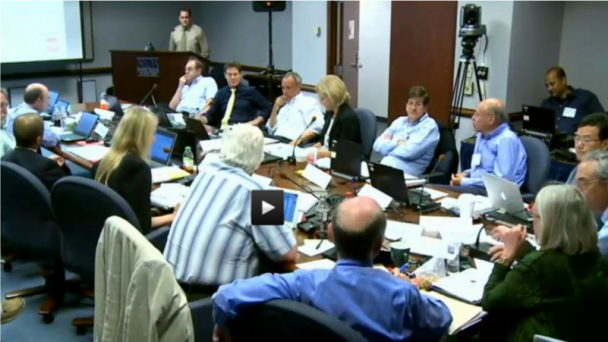
August 25, 2014 MCWG meeting

The purpose of the working group is to provide input on a variety of issues to the advisory councils of the 10 NIH Institutes participating in the BRAIN Initiative.

The meeting included an overview of the BRAIN Initiative, an overview of the working group’s responsibilities, and a discussion of the applications received in response to the NIH’s initial six BRAIN Initiative funding announcements. In the afternoon, concepts for potential future BRAIN funding announcements were presented for input and approval.

Profiles of the  BRAIN Multi-Council Working Group (MCWG) members and staff can be found here.

browser does not support iframe

OnAir Post: August 25, 2014 MCWG meeting

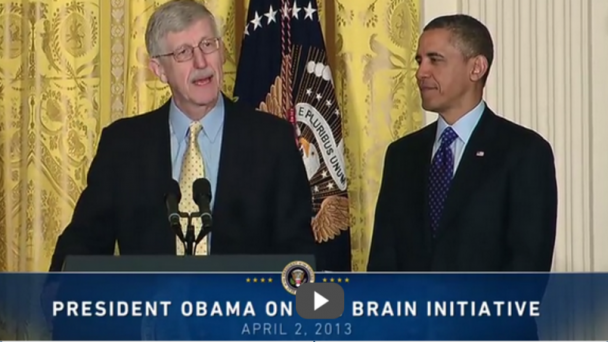
President Obama on the BRAIN Initiative

https://www.youtube.com/watch?v=uJuxLDRsSQcVideo can’t be loaded because JavaScript is disabled: President Obama Speaks on the BRAIN Initiative and American Innovation (https://www.youtube.com/watch?v=uJuxLDRsSQc)

President Barack Obama launches the BRAIN Initiative on April 2, 2013. The video in this post was titled “President Obama Speaks on the BRAIN Initiative and American Innovation.”

…”President Obama unveils a bold new research initiative designed to revolutionize our understanding of the human brain, and discusses the importance of investing in American innovation to create jobs and strengthen our economy.”

Published on YouTube by the White House April 2, 2013.

OnAir Post: President Obama on the BRAIN Initiative

NIH Neuroscience Challenges


NIH Data Science Distinguished Seminar Series: BRAIN/BD2K Seminar Towards Solutions to Experimental and Computational Challenges in Neuroscience Air date: Friday, August 14, 2015, 11:00:00 AM

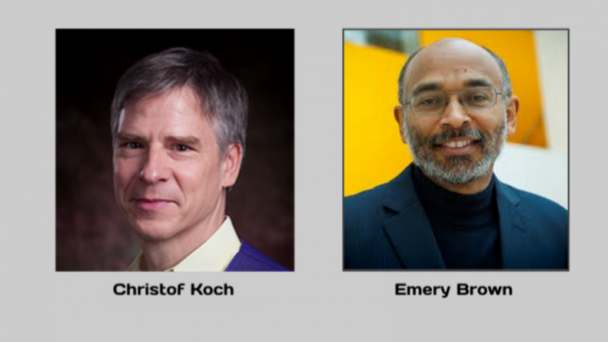
Drs. Christof Koch and Emery Brown will describe the computational or experimental challenges associated with Big Data in their respective domains of neuroscience. From the basic to applied realms, science is being transformed by the collection of data on increasingly finer resolutions, both spatially and temporally. Storing, accessing, and analyzing these data create numerous challenges as well as opportunities.

Videocast

browser does not support iframe

Attending the seminar

This is a public event at the National Institutes of Health. All individuals interested in the seminar may attend. If this will be your first time visiting the NIH we strongly encourage you to review the visitor information at http://www.nih.gov/about/visitor/index.htm and allow extra time for security and transit. Individuals with disabilities who need Sign Language Interpreters and/or reasonable accommodation to participate in this event should contact Sonynka Ngosso, at (301) 402-9816. Requests should be made at least 5 business days in advance of the event.

Christof Koch, Ph.D.

Christof Koch, Ph.D is the President and Chief Scientific Officer of the Allen Institute for Brain Science. His research interests include elucidating the biophysical mechanisms underlying neural computation, understanding the mechanisms ...

OnAir Post: NIH Neuroscience Challenges

From Neurons to Neighborhoods: Tom Insel

https://www.youtube.com/watch?v=I4XaslROyQQVideo can’t be loaded because JavaScript is disabled: From Neurons to Neighborhoods: charting a new science of mental health (https://www.youtube.com/watch?v=I4XaslROyQQ)

“From Neurons to Neighborhoods: charting a new science of mental health”

Dr. Thomas Insel, Director of the National Institute of Mental Health (NIMH), discusses how a deeper understanding of how the human brain functions will yield new approaches to diagnostics and therapeutics, bending the curve for millions affected by mental disorders.

Published by Stanford on October 20, 2014

Stanford University page   YouTube page

OnAir Post: From Neurons to Neighborhoods: Tom Insel

Early Days of the NIH BRAIN initiative

https://www.youtube.com/watch?v=bIY_3QddeH0Video can’t be loaded because JavaScript is disabled: Walter Koroshetz – Early Days of the NIH BRAIN initiative (https://www.youtube.com/watch?v=bIY_3QddeH0) Walter Koroshetz presentation at Neuroscience BioConference Live [online] conference on Mar 19, 2015.

From Labroots synopsis: “The major funded efforts at this time fit into 3 main categories; 1) defining the components of brain circuits, i.e., a cell census; 2) developing and testing tools for recording high density information on circuit structure, activity, and manipulating circuit activity; 3) novel technology for noninvasive interrogation and manipulation of circuit activity (next generation imaging).”

OnAir Post: Early Days of the NIH BRAIN initiative

The Brain’s Inner Workings: Cognition

https://www.youtube.com/watch?v=pnFfoN-yEHo&index=5&list=PLd08O8QTPDqDWaAcP068eLXew9loL4-Ss

How People Think: “The Brain’s Inner Workings: Cognition” 

“…from the National Institute of Mental Health (NIMH) – this video narrated by Tom Bosley looks at the neurological basis of higher brain function. Learn how different human behaviors and functions can be isolated to specific areas of the brain, and how with the help of imaging techniques like MRI we can visualize brain activity in a way that gives insight into how the brain functions and allows scientists to develop…”

Uploaded on August 9, 2009

OnAir Post: The Brain’s Inner Workings: Cognition

NIMH Hangout on First-Episode Psychosis

https://www.youtube.com/watch?v=IJuy7E4RC6g

The National Institute of Mental Health (NIMH) hosted a Hangout during National Children’s Mental Health Awareness Week on first-episode psychosis with NIMH expert Amy Goldstein, Ph.D. and NIMH grantee and psychiatrist John Kane, M.D.

Each year, about 100,000 young people in the U.S. experience a first episode of psychosis.

NIMH grantee John Kane, M.D., Vice President for Behavioral Health Services of the North Shore – Long Island Jewish Health System and Chairman of Psychiatry at The Zucker Hillside Hospital.

Streamed live on May 5, 2015

OnAir Post: NIMH Hangout on First-Episode Psychosis

Science in 3D: 2015 Bioinformatics Festival

Day one videocast: Morning sessions included 3D printed Eyewire neurons by James Drake and Oculus fly through the brain.

Afternoon seesions included strategies for how to implement open source bio printing accessible and inexpensive… available for research. NIH 3D printer exchange is creating file formats for bioprinting cell types.


About the Festival

The NIAID Office of Cyber Infrastructure and Computational Biology (OCICB) is pleased to host our annual 2015 Bioinformatics & Computational Biosciences Festival, Science in 3D.

Despite the fast-growing applications for 3D technologies, they are not widely used in the biosciences at present. The festival will look at several aspects of 3D technologies including modeling, printing, and visualization. Speakers will explore bioprinting, physician and patient education, medical and surgical devices, augmented reality for medicine, and policies surrounding this exploding field. The festival will feature high-level presentations by subject matter experts from government agencies, academia, and the private sector.

Day one videocast   Day two videocast

Morning sessions included 3D printed Eyewire neurons by James Drake

and Oculus fly through the brain. See below from TED 2014 video.

https://www.youtube.com/watch?v=SU9etoLKgdIVideo can’t be loaded because JavaScript is disabled: Neurons in Space ...

OnAir Post: Science in 3D: 2015 Bioinformatics Festival

Fattah Neuroscience Initiative


The Fattah Neuroscience Initiative (FNI) is a policy initiative designed to make major progress in understanding the human brain by intensifying federal research efforts across brain disease, disorder, injury, cognition and development.

The initiative aims to coordinate research across agencies and draw upon public-private partnerships and the world of academia. Congressman Fattah is the lead Democrat on the Commerce, Justice, Science Appropriations Subcommittee overseeing federal expenditures in the science agencies.


Chaka Fattah & Neuroscience Initiative

From Congressman Fattah’s website

What is the Fattah Neuroscience Initiative?

The Fattah Neuroscience Initiative (FNI) is an innovative, non-incremental policy initiative designed to make major progress in understanding the human brain by intensifying, in a collaborative fashion, federal research efforts across brain disease, disorder, injury, cognition and development. The initiative aims to coordinate research across agencies and draw upon public-private partnerships and the world of academia. The initiative promotes research and discovery across brain cognition, development, disease and injury.

Why concentrate on neuroscience?

Although our brains control all that we do, think and comprehend, we have only a burgeoning understanding of this enigmatic organ. In many ways the brain represents the final frontier of scientific research. In the natural human quest ...

OnAir Post: Fattah Neuroscience Initiative

Toward a new understanding of mental illness

https://www.youtube.com/watch?v=PeZ-U0pj9LIVideo can’t be loaded because JavaScript is disabled: Thomas Insel: Toward a new understanding of mental illness (https://www.youtube.com/watch?v=PeZ-U0pj9LI)

Today, thanks to better early detection, there are 63% fewer deaths from heart disease than there were just a few decades ago. Thomas Insel, Director of the National Institute of Mental Health, wonders: Could we do the same for depression and schizophrenia? The first step in this new avenue of research, he says, is a crucial reframing: for us to stop thinking about “mental disorders” and start understanding them as “brain disorders.”

Filmed January 203 at TEDX Caltech Uploaded to YouTube on April 16, 2013 by TED

 TED Talks webpage

OnAir Post: Toward a new understanding of mental illness

National Advisory Neurological Disorders and Stroke (NANDS) Council Meetings

National Advisory Neurological Disorders and Stroke (NANDS) Council Meetings May 28, 2015 and Sept. 10-11, 2015.

September 10, 2015 Meeting

Natcher Conference Center, Building 45, Conference Room E1/E2 Bethesda, Maryland  20892 Closed Circuit Viewing Overflow on September 10 (Conference Rooms F1/F2 and D) NIH Videocast Website: http://videocast.nih.gov/

browser does not support iframe

AGENDA

September 10, 2015

OPEN SESSION

8:00 a.m.

I.  Call to Order and Opening Remarks

Dr. Walter Koroshetz Chairperson Director,NINDS

8:05 a.m.

II.  Report of the Director, Division of Extramural Research, NINDS

Dr. Robert Finkelstein Executive Secretary Director, Extramural Division, NINDS

A.    Consideration of Minutes of May 28, 2015, Meeting B.    Confirmation of Dates for Future Council Meetings

February 4-5, 2016 (Thursday and Friday) May 26-27, 2016 (Thursday and Friday) September 15-16, 2016 (Thursday and Friday) February 9-10, 2017 (Thursday and Friday) May 18-19, 2017 (Thursday and Friday) September 7-8, 2017 (Thursday and Friday)

C.    Other Items Expedited Review Process Extramural Announcements


8:15 a.m.

III.  Report of the Director, NINDS

Dr. Walter Koroshetz


9:30 a.m. BREAK


9:45 a.m.

IV.  NINDS Budget Presentation

Dr. Walter Koroshetz

10:15 a.m.

V.  The NIH Strategic Plan

Dr. Lawrence A. Tabak Principal Deputy Director National Institutes of Health

11:00 a.m.

VI.  Extramural Policy Discussion:

a. Future of the Javits Award b. Funding New Investigators………………………………………………..Dr. Robert Finkelstein

VIII.  Update on the BRAIN Initiative

Dr. Alan Willard Acting Deputy Director, NINDSDr. Ned Talley Program Director, NINDS Channels, Synapses and Circuits Cluster


May 28, 2015 Meeting

The National Advisory Neurological Disorders and Stroke (NANDS) Council was convened for its 193rd meeting on May 28, 2015, in Building 31, C Wing, 6th Floor, Conference ...

OnAir Post: National Advisory Neurological Disorders and Stroke (NANDS) Council Meetings

NIH Neuroscience Seminar- June 15, 2015

TITLE: Photo-control of endogenous ion channels and neurotransmitter receptors in the CNS

AUTHOR: Richard Kramer, Ph.D., University of California, Berkeley

TIME: 12:00:00 PM  DATE: Monday, June 15, 2015

PLACE: Porter Neuroscience Research Center

 Live NIH Videocast (archived after seminar)


Abstract

Remote control of neural activity with “light-activated” ion channels To overcome the loss of retinal photoreceptors in diseases such as retinitis pigmentosa and macular degeneration, scientists are attempting to develop electrical prosthetic devices, in which an implantable array of electrodes is used to stimulate remaining healthy neurons downstream in the visual pathway. We are taking a different approach, which involves direct optical regulation of the electrical activity of neurons without using invasive implantable devices. We have engineered the first ion channel that is directly activated with light. This channels consists of a genetically engineered ion channel protein that is covalently attached to a specially designed light-sensitive molecule, which includes a blocker of the channel’s pore. Photoisomerization of the light-sensitive molecule extends or retracts the blocker, opening or closing the flow of ions through the pore. Different wavelengths of light switch the molecule back and forth between blocking and unblocking states, so both channel opening and closing are controllable with light. Expression of these channels ...

OnAir Post: NIH Neuroscience Seminar- June 15, 2015

NIH Neuroscience Seminar- June 8, 2015

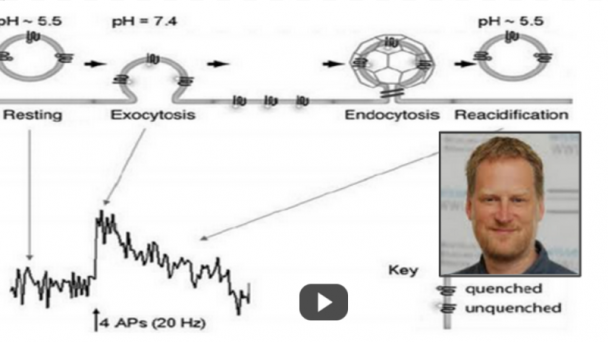
TITLE: What goes out must come in: coupling of synaptic exo- and endocytosis

AUTHOR: Jurgen Klingauf, Ph.D.

TIME: 12:00:00 PM  DATE: Monday,June 8, 2015

PLACE: Porter Neuroscience Research Center

 NIH Videocast (archived after seminar)


Profile

Reseaerch Group Leader Max Planck Institute for Biophysical Chemistry

The focus of our research is the study of synaptic transmission, with the emphasis on presynaptic mechanisms. At the synapse, neurotransmitter is rapidly released from small vesicles which are triggered to fuse with the plasma membrane by the entry of Ca2+ ions.

Web Information

Webpage:  uni-goettingen.de/en/57993

Contact Information

Email: klingauf@uni-muenster.de Phone: +49 251 83-51001 Address: Institute of Medical Physics and Biophysics Robert-Koch-Str. 31 48149 Münster Germany

Related Research

The maintenance of synaptic transmission requires that these vesicles be retrieved by a reverse process, i.e. endocytosis. How is this endocytic activity and subsequent formation of fusion-competent vesicles coupled to exocytosis? To delineate the mechanisms by which synaptic vesicles can be retrieved we employ high-resolution imaging techniques, like two-photon laser scanning and total internal reflection microscopy, electrophysiology, as well as biochemical approaches. By transfection of neurons in primary cell culture or the usage of knock-out models we can target or modulate specific proteins thought to be pivotal in synaptic vesicle endocytosis. Currently, we are mainly studying synapses of rodent hippocampus, down ...

OnAir Post: NIH Neuroscience Seminar- June 8, 2015

NIH Neuroscience Seminar- June 1, 2015

TITLE: Rethinking Depression and its Treatment: Perspectives from Studies of Deep Brain Stimulation

AUTHOR: Helen Mayberg, M.D., Emory University

TIME: 12:00:00 PM  DATE: Monday, June 1, 2015

PLACE: Porter Neuroscience Research Center

 Live NIH Videocast (archived after seminar)


Profile

Professor, Psychiatry, Neurology, and Radiology Dorothy C. Fuqua Chair Psychiatric Neuroimaging and Therapeutics Emory University School of Medicine

Dr. Mayberg leads a multidisciplinary research program studying brain mechanisms mediating depression pathogenesis and antidepressant treatment response using neuroimaging and pioneered the development of deep brain stimulation for treatment resistant depression.

Web Information

Webpage:  psychiatry.emory.edu/faculty/mayberg_helen Game Changers page: med.emory.edu/gamechangers/researchers/mayberg/bio

Contact Information

Email: hmayber@emory.edu Phone: 404-727-6740 Address:

Related Research

Current projects emphasize development of novel imaging biomarkers predictive of treatment response and optimal treatment selection for individual depressed patients at all stages of illness. Predictive biomarker studies are complemented by clinical testing, surgical refinement and multimodal mechanism studies of deep brain stimulation for treatment resistant patients.

Videos

https://www.youtube.com/watch?v=x1XI4LfSt7Q

https://www.youtube.com/watch?v=1MkVk0HnG5AVideo can’t be loaded because JavaScript is disabled: Deep Brain Stimulation & Depression: A Decade of Progress with Helen S. Mayberg, ...

OnAir Post: NIH Neuroscience Seminar- June 1, 2015

NIH Neuroscience Seminar- May 18, 2015

TITLE: Neural mechanisms of real-time decisions

AUTHOR: Paul Cisek, Ph.D., University of Montreal

TIME: 12:00:00 PM  DATE: Monday, May 18, 2015

PLACE: Porter Neuroscience Research Center

 Live NIH Videocast (archived after seminar)


Abstract

Dr. Cisek is interested in how the brain controls behavior. Many scientists approach this very large question by starting with perception and asking how the brain builds an internal representation of the world, and how it then uses this representation to guide action. In contrast, he studies behavior by starting with a concrete task such as a voluntary movement and asking what parameters of the task the brain must specify and control, and what information from the environment it may employ toward that specification. The goal here is an understanding of brain mechanisms for mediating interaction with the world, not necessarily of mechanisms for representing the world. A research program based on such an approach begins with questions concerning motor control and gradually works its way toward the perceptual systems which guide that control. One could say he is going backwards through the brain.

Profile

Researcher University of Montreal

Research projects include: “Affordance competition hypothesis”; “Biased competition in sensorimotor maps”; “The biomechanics of choices” ; “Urgency-gating model”; “Decision-making through a distributed consensus”

Web Information

Webpage:  cisek.org/pavel/

Contact Information

Email:  Phone: 514-343-6111 x4355 Address: Department of ...

OnAir Post: NIH Neuroscience Seminar- May 18, 2015

NIH Neuroscience Seminar- May 11, 2015

TITLE: Genetic risk for Alzheimer’s disease: an emerging role for rare variants

AUTHOR: Alison Goate, PhD, Mount Sinai School of Medicine

TIME: 12:00:00 PM  DATE: Monday, May 11 2015

PLACE: Porter Neuroscience Research Center

 NIH Videocast

Profile

Senior Faculty, Neuroscience, Neurology, Genetics and Genomic Sciences Icahn Mount Sinai School of Medicine

Genetic and genomic approaches to uncovering susceptibility to neurological and psychiatric disease. Disease areas: Alzheimer’s disease and Frontotemporal dementia, Alcohol Dependence

Web Information

Mt. Sinai Webpage:   mountsinai.org/profiles/alison-goate Goate Lab webpage: neuroscience.mssm.edu/goate/

Contact Information

Email:  alison.goate@mssm.edu Phone: (212) 659-5672 Address: Icahn Medical Institute Floor 10 Room 10-70C 1425 Madison Avenue New York, NY 10029

Related Research

Research in our laboratory focuses on dementia (Alzheimer’s disease & frontotemporal dementia) and addiction (alcohol dependence). In each of these projects our goal is to understand the molecular basis of disease in order to identify novel targets for therapeutic development. We use genetic and genomic approaches to identify susceptibility alleles, this work includes genome wide association studies and whole genome/exome sequencing in families multiply affected by disease and in case control cohorts. We have also pioneered the use of endophenotypes to uncover both risk and protective alleles in both our Alzheimer’s disease and our alcoholism studies. We have developed induced pluripotent stem cells from individuals with known genetic causes of disease in order ...

OnAir Post: NIH Neuroscience Seminar- May 11, 2015

NIH Neuroscience Seminar- May 4, 2015

TITLE: Family Genomics of Bipolar Disorder

AUTHOR: Jared Roach, M.D., Ph.D., Institute for Systems Biology

TIME: 12:00:00 PM  DATE: Monday, May 4, 2015

PLACE: Porter Neuroscience Research Center

 NIH Videocast 


Profile

Senior Research Scientist Family Genomics Group Institute for Systems Biology

Dr. Roach is interested in basic and translational analyses and applications of high-throughput systems-biology data. He is currently focusing on understanding the genetics of complex neurodegenerative diseases, including Huntington’s Disease. Areas of expertise: Computational Biology, Genetics, Genomics, and Immunology

Web Information

Personal webpage: strategicgenomics.com/Jared/ ISB Webpage:  systemsbiology.org/jared-roach Family Genomics Group webpage:  familygenomics.systemsbiology.net/

Contact Information

Email:  jared@strategicgenomics.com Phone: 206) 732-2108 Address: 2616 24th Ave East Seattle, WA 98112

Related Research

Dr. Roach’s research interests include analysis of MHC haplotypes and their relationship to risk and etiology of type 1 diabetes and other autoimmune diseases. Dr. Roach is pioneering approaches for the analysis of whole genome sequencing data in the context of family pedigrees. His past studies have included (1) the systems biology of the macrophage, particularly in its role as an information processing device, at the levels of cell surface receptors, signal transduction, and nuclear regulation, (2) the molecular phylogenetics of vertebrate gene families, particularly those genes relevant to macrophage information processing, and (3) analysis and interpretation of transcript enumeration data, ...

OnAir Post: NIH Neuroscience Seminar- May 4, 2015

NIH Neuroscience Seminar- April 27, 2015

TITLE: NMDA receptor trafficking and synaptic dysfunction in Huntington disease

AUTHOR: Lynn A. Raymond, MD, PhD, University of British Columbia

TIME: 12:00:00 PM  DATE: Monday, April 27, 2015

PLACE: Porter Neuroscience Research Center

 Live NIH Videocast (archived after seminar)

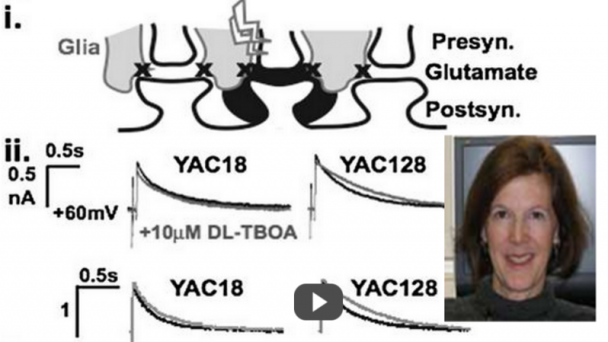
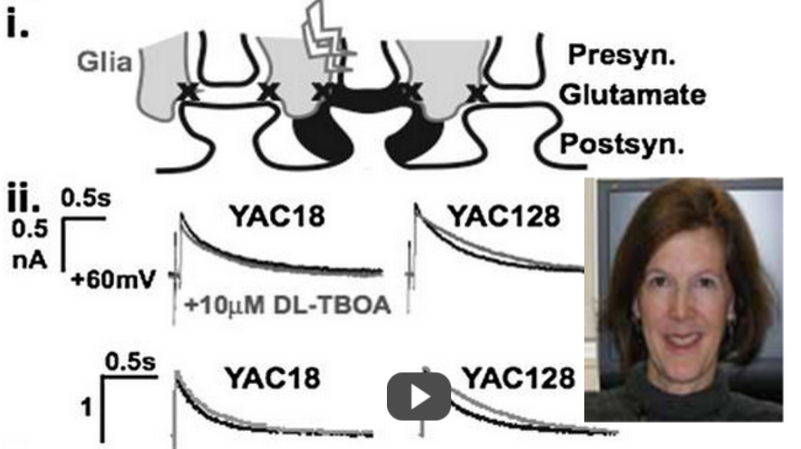
Increased extrasynaptic NMDAR function revealed in Huntington’s mice using the glial glutamate uptake inhibitor TBOA.

Abstract

Although it is not known why the GABAergic medium-sized spiny neurons (MSNs) of the striatum are preferentially targeted for degeneration in Huntington’s disease (HD), a body of evidence supports a role for excitotoxic cell death mediated by the release of glutamate from cortical afferents and activation of the N-methyl-D-aspartate (NMDAR)-type glutamate receptor. Therefore, we are investigating whether mutant huntingtin (htt) expression can cause increased activity of NMDARs or their downstream effectors of cell death, and how such interactions might explain selective neuronal vulnerability. We have previously reported enhancement of NMDAR-mediated current amplitude and apoptosis in cell lines expressing full-length mutant htt and the NR1A/NR2B but not NR1A/NR2A subtype of NMDARs (Chen et al., 1999; Zeron et al., 2001). Notably, MSNs primarily express the NR1A and NR2B subunits (Landwehrmeyer et al., 1995; Kuppenbender et al., 1999), whereas other forebrain regions express combinations of both NR2A and NR2B with ...

OnAir Post: NIH Neuroscience Seminar- April 27, 2015

NIH Neuroscience Seminar- April 13, 2015

TITLE: Mechanisms of ubiquitin signaling in gene regulation and chromatin dynamics

AUTHOR: Cynthia Wolberger, Ph.D., Johns Hopkins University

TIME: 12:00:00 PM  DATE: Monday, April 13, 2015

PLACE: Porter Neuroscience Research Center

Live NIH Videocast (archived after seminar)


Profile

Professor of Biophysics and Biophysical Chemistry, School of Medicine Principal Investigator, Wolberger Lab

Cynthia Wolberger is interested in the structural and mechanistic basis for transcriptional regulation and ubiquitin signaling.Her lab focuses on molecular basis for these events, which ensure the integrity and expression of the genome. We use x-ray crystallography, enzymology, cell-based assays and a variety of biophysical tools to gain insights into the mechanisms underlying these essential cellular processes.

Web Information

Wolberger Webpage: http://pmcb.jhu.edu/faculty/wolberger-profile.html

Research Overview

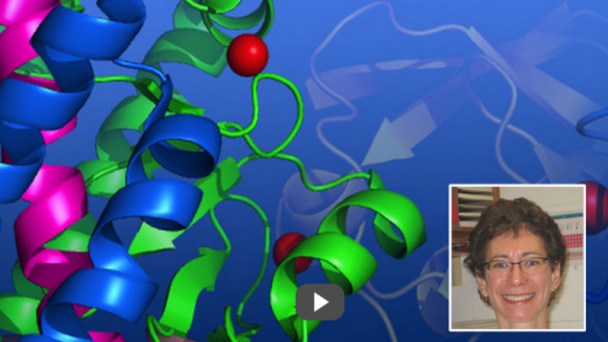
One of the key ways in which cells dynamically regulate protein function is through reversible post-translational modifications. Lysine residues in particular are subject to a remarkably diverse array of modifications. Our research centers on two types of lysine modification, ubiquitination and acetylation, which play critical role in regulating transcription, the response to DNA damage and intracellular signaling. We use a wide array of approaches including x-ray crystallography, small-angle x-ray scattering, biophysical studies of binding interactions, enzymology and cell-based studies to tackle biological questions.

The attachment of the small protein, ubiquitin, to lysine residues serves a wide variety of signaling functions. In addition to its ...

OnAir Post: NIH Neuroscience Seminar- April 13, 2015

BRAIN Initiative as “Moonshot”

NIH director Francis Collins, M.D., discusses some of the 58 projects funded in the first wave of grants awarded by the NIH under the BRAIN Initiative. He spoke at a press conference announcing the awards, September 30, 2014.

Video published on October 2, 2014  by National Institute of Mental Health (NIMH)

https://www.youtube.com/watch?v=N6g_TpQsL0I


OnAir Post: BRAIN Initiative as “Moonshot”

Picturing the Brain – Paul Thompson

https://www.youtube.com/watch?v=qkYEfWazIfcVideo can’t be loaded because JavaScript is disabled: Picturing the Brain (https://www.youtube.com/watch?v=qkYEfWazIfc)

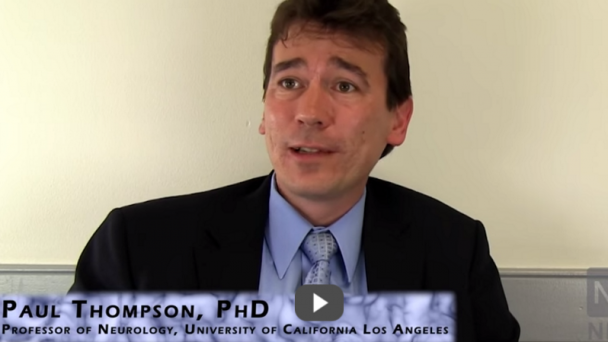
Dr. Paul Thompson talks about the work that he does at the Lab of Neuro Imaging (LONI) at UCLA.

He discusses brain health, the latest brain imaging technology and projects like ENIGMA, which involves a world-wide effort to create a brain database.

Published on July 13m 2013 by NIBIBgov

OnAir Post: Picturing the Brain – Paul Thompson

William Newsome and the BRAIN Initiative

https://www.youtube.com/watch?v=t9oKjAI46ioVideo can’t be loaded because JavaScript is disabled: William Newsome: The US BRAIN Initiative: What, Why and How? (https://www.youtube.com/watch?v=t9oKjAI46io)

Dr. William Newsome, co-chair of the NIH Science Advisory Committee, describes what the BRAIN Initiative is, why it is important, and how it can be achieved.

Newsome’s talk was part of “Neuroscience Mini-symposium: From Perception to Decision”, co-sponsored by NYU-ECNU Institute of Brain and Cognitive Science at NYU Shanghai, Shanghai Key Laboratory of Brain Functional Genomics, and School of Psychology and Cognitive Science, East China Normal University.

Published on Jul 14, 2014 by NYU Shanghai Research

OnAir Post: William Newsome and the BRAIN Initiative

NIH Neuroscience Seminar- April 6, 2015

TITLE: Linking neuronal activity and gene expression: Ca nanodomains and long-range signaling

AUTHOR: Richard Tsien, D.Phil., NYU Neuroscience Institute

TIME: 12:00:00 PM  DATE: Monday, March 23, 2015

PLACE: Porter Neuroscience Research Center

Live NIH Videocast (archived after seminar)

Profile

Professor of Neuroscience and Director of NYU School of Medicine Neuroscience Institute

Webpages: tsienlab.med.nyu.edu/people/richard-tsien-d-phil 

med.nyu.edu/biosketch/richat04

About

Richard W. Tsien, DPhil, to Be Inaugural Director of New Neuroscience Institute and Druckenmiller Professor of Neuroscience

NYU Langone Medical Center announced today that it has appointed internationally renowned scientist and leader Richard W. Tsien, DPhil, as the first director of the Neuroscience Institute and the Druckenmiller Professor of Neuroscience, effective January 2012. Dr. Tsien—a member of both the Institute of Medicine and National Academy of Sciences and a former Rhodes Scholar—joins NYU Langone from Stanford University, where he currently serves as the George D. Smith Professor of Molecular and Genetic Medicine in the Department of Molecular and Cellular Physiology.

In 2009, NYU Langone Medical Center received a $100 million gift from the Druckenmiller Foundation to establish a state-of-the-art neuroscience institute and to provide for the recruitment and support of the highest caliber neuroscientists. The appointment of Dr. Tsien further reinforces NYU Langone’s existing strengths ...

OnAir Post: NIH Neuroscience Seminar- April 6, 2015

NIH Neuroscience Seminar- March 30, 2015

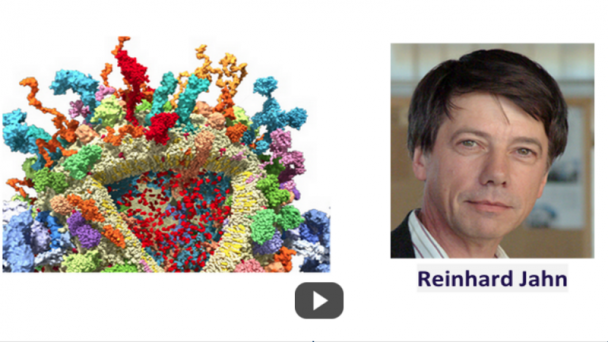
TITLE: Membrane fusion mediated by SNARE proteins

AUTHOR: Reinhard Jahn, Ph.D., Max Planck Institute for Biophysical Chemistry

TIME: 12:00:00 PM  DATE: Monday, March 23, 2015

PLACE: Porter Neuroscience Research Center

Live NIH Videocast (archived after seminar)

Profile

Director, Department of Neurobiology

Webpage: uni-goettingen.de/en/56703.html

Major Research Interests

Our group is interested in the mechanisms of membrane fusion, with the main emphasis on regulated exocytosis in neurons. Intracellular membrane fusion events are mediated by a set of conserved membrane proteins, termed SNAREs. For fusion to occur, complementary sets of SNAREs need to be present on both of the fusing membranes, which then assemble in a zipper-like fashion to initiate membrane merger. The neuronal SNAREs are among the best characterized. They are the targets of the toxins responsible for botulism and tetanus, and they are regulated by several addtional proteins including synaptotagmin, the calcium sensor for neurotransmitter release. To understand how these proteins mediate fusion, we study their properties in vitro with biochemical and biophysical approaches using native and artificial membranes. In a second set of projects, we use modern techniques such as quantitative proteomics to better understand supramolecular protein complexes involved in synaptic function. Using our quantitative description of synaptic vesicles as point of departure we aim at unraveling presynaptic protein ...

OnAir Post: NIH Neuroscience Seminar- March 30, 2015
NIH Neuroscience Seminar- March 23, 2015

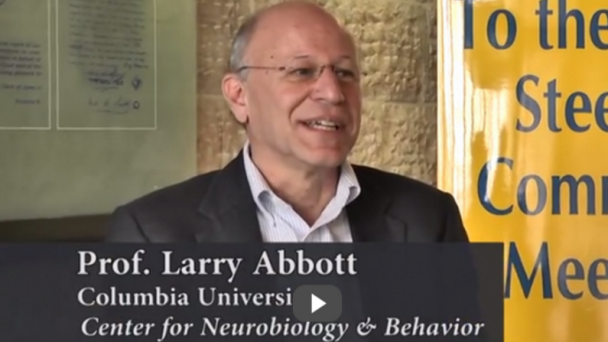
Larry Abbott

Summary

TITLE: Learning to Predict: Studies of Neural Circuits in Fish and Flies

AUTHOR: Larry Abbott, Ph.D., Columbia University

TIME: , 12:00:00 PM  DATE: Monday, March 23, 2015

PLACE: Porter Neuroscience Research Center

HOST: Bruno Averbeck

Abstract

Reacting properly to sensory inputs and knowing the potential consequences of an action is crucial to survival. An animal needs to know what sights, sounds and smells lead to a dangerous or advantageous situation, and how their actions will impact the likelihood of receiving an award, or put them in a perilous situation.

In his lecture, Abbott will discuss research into two neural circuits: one that allows flies to interpret the implications of different odors, and another that predicts the consequences of motor actions in an electric fish. This research provides key insights into understanding how the brain computes and allows for the construction of predictive models of brain function.

Abbott received his Ph.D. in physics at Brandeis University in 1977 and spent 10 years working in theoretical particle physics. His research in neuroscience involves the mathematical modeling and analysis of neurons and neural networks using analytic techniques and computer simulations to show how populations of neurons interact to produce functional circuits with the goal of determining the ...

OnAir Post: NIH Neuroscience Seminar- March 23, 2015

NIH Neuroscience Seminar – Feb. 11, 2013

TITLE: Regulation of glutamate receptors and synaptic plasticity in the brain

AUTHOR: Richard Huganir, Ph.D., University of California, Berkeley

TIME: 12:00:00 PM DATE: Monday, Feb 11, 2013

Archived NIH Videocast 

Abstract

Dr Huganir’s laboratory is credited for examining the molecular mechanisms underlying the regulation of neurotransmitter receptor function with a focus on glutamate receptors. Their studies have suggested that regulation of receptor function may be a major mechanism for the regulation of synaptic plasticity in the nervous system in health and disease and may be an important determinant of animal behavior.

Profile

Professor and Director of the Department of Neuroscience at Johns Hopkins University; Co-Director, Brain Science Institute; and HHMI investigator. Member of Multi-Council Working Group (NIMH council)

Huganir’s lab is credited for examining the molecular mechanisms underlying the regulation of neurotransmitter receptor function with a focus on glutamate receptors. Their studies have suggested that regulation of receptor function may be a major mechanism for the regulation of synaptic plasticity in the nervous system in health and disease.


About the NIH Neuroscience Seminars

NIH Neuroscience Seminar Series website

The NIH Neuroscience Seminar Series features lectures and discussions with leading neuroscientists. Sponsored by NINDS, NIMH, NIA, NIDCD, NIDA, NICHD,NEI,NIAAA,NIDCR, NHGRI and NCCIH, ...

OnAir Post: NIH Neuroscience Seminar – Feb. 11, 2013

Skip to toolbar