Consciousness Overview

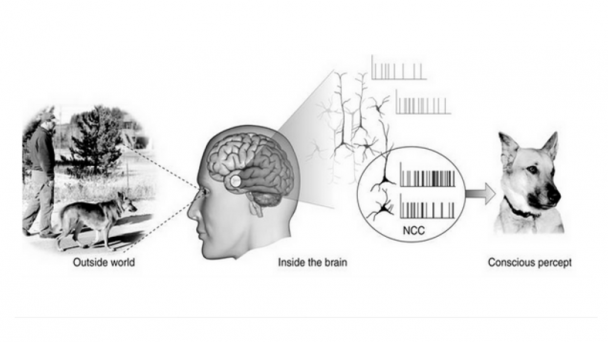
At one time consciousness was viewed with skepticism by many scientists, but in recent years it has become a significant topic of research in psychology, neuropsychology and neuroscience. The primary focus is on understanding what it means biologically and psychologically for information to be present in consciousness—that is, on determining the neural and psychological correlates of consciousness.

OnAir Post: Consciousness Overview
Special Topics in Neuroscience

Neural Recording     Brain Mapping
Neuromodulation   Brain Evolution
Neuroplasticity   Learning & Memory
Consciousness     Aging and the Brain
Neuromorphic Computing
Neuroethics

OnAir Post: Special Topics in Neuroscience

Aging and the Brain Overview

While much research has focused on diseases of aging, there are, at the presen time,few informative studies on the molecular biology of the aging brain. Research does suggest that the aging process is associated with several structural, chemical, and functional changes in the brain as well as a host of neurocognitive changes.

OnAir Post: Aging and the Brain Overview

Brain Evolution Overview

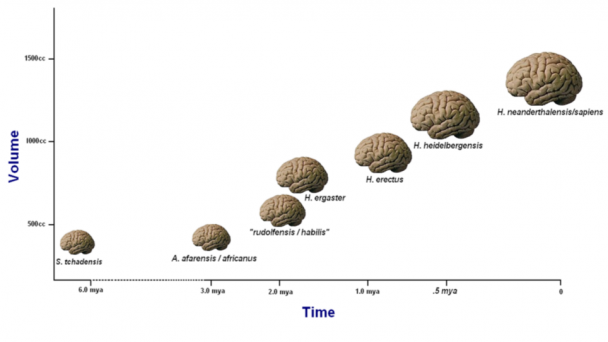
Brain to body size does not scale isometrically (in a linear fashion) but rather allometrically. The brains and bodies of mammals do not scale linearly. Small bodied mammals have relatively large brains compared to their bodies and large mammals (such as whales) have small brains; similar to growth.

OnAir Post: Brain Evolution Overview

Brain Mapping Overview

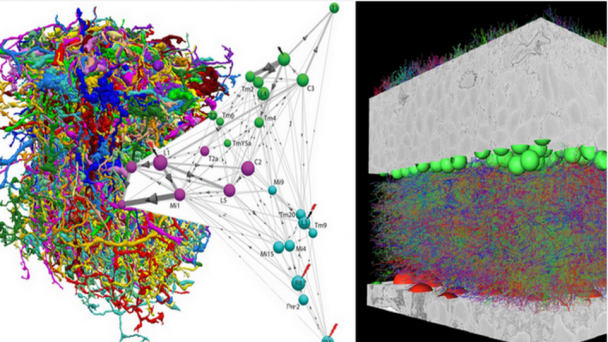
Brain mapping is the study of the anatomy and function of the brain and spinal cord through the use of imaging, immuno-histochemistry, molecular & optogenetics, stem cell and cellular biology, engineering (material, electrical and biomedical), neurophysiology and nanotechnology.

OnAir Post: Brain Mapping Overview

Neural Engineering Overview

Neural engineers are uniquely qualified to solve design problems at the interface of living neural tissue and non-living constructs.

OnAir Post: Neural Engineering Overview

Neural Recording Overview

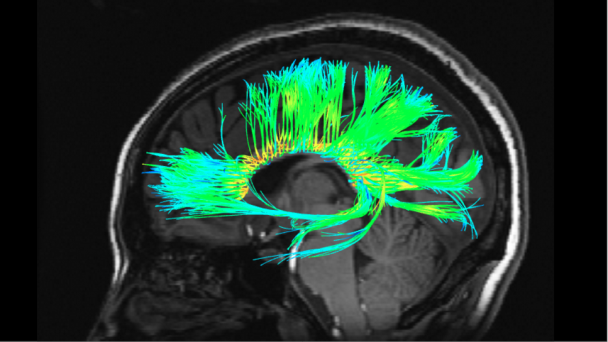
Common neuroimaging methods for measuring brain function include: Positron emission tomography (PET), Functional magnetic resonance imaging (fMRI), multichannel electroencephalography (EEG), magnetoencephalography (MEG), near infrared spectroscopic imaging (NIRSI), and Single-photon emission computed tomography (SPECT). Single neuron measurement normally uses a microelectrode system.

OnAir Post: Neural Recording Overview

Neuroethics Overview

It concerns the ethical, legal and social impact of neuroscience, including the ways in which neurotechnology can be used to predict or alter human behavior and "the implications of our mechanistic understanding of brain function for society... integrating neuroscientific knowledge with ethical and social thought".

OnAir Post: Neuroethics Overview

Neuromodulation Overview

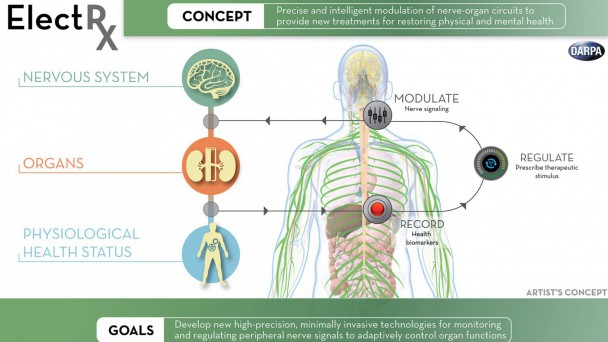
Neuromodulators secreted by a small group of neurons diffuse through large areas of the nervous system, affecting multiple neurons. Major neuromodulators in the central nervous system include dopamine, serotonin, acetylcholine, histamine, and norepinephrine.

OnAir Post: Neuromodulation Overview

Neuromorphic Computing

Neuromorphic Computing, also known as neuromorphic engineering is a concept developed by Carver Mead, in the late 1980s, describing the use of very-large-scale integration (VLSI) systems containing electronic analog circuits to mimic neuro-biological architectures present in the nervous system.

OnAir Post: Neuromorphic Computing

Neuroplasticity Overview

Neuroplasticity refers to changes in neural pathways and synapses due to changes in behavior, environment, neural processes, thinking, emotions, as well as changes resulting from bodily injury. Neuroplasticity has replaced the formerly-held position that the brain is a physiologically static organ, and explores how – and in which ways – the brain changes throughout life.

OnAir Post: Neuroplasticity Overview

Skip to toolbar