Shedding Light on Biology of Human Consciousness

Columbia scientists have identified the brain’s ‘aha!’ moment, that flash in time when you suddenly become aware of information, such as knowing the answer to a difficult question. Today’s findings in humans, combined with previous research, provide compelling evidence that this moment, this feeling of having decided pierces consciousness when information being collected by the brain reaches a critical level.

The results of this study further suggest that this piercing of consciousness shares the same underlying brain mechanisms known to be involved in making far simpler decisions. Importantly, this study offers hope that the biological foundations of consciousness may well be within our grasp.

OnAir Post: Shedding Light on Biology of Human Consciousness

Hippocampome Portal

Knowledge concerning dentate gyrus, CA3, CA2, CA1, subiculum, and entorhinal cortex is distilled from published evidence and is continuously updated as new information becomes available. Each reported neuronal property is documented with a pointer to, and excerpt from, relevant published evidence, such as citation quotes or illustrations.

Link to Hippocampome Hub

OnAir Post: Hippocampome Portal

Neuromorpho.org

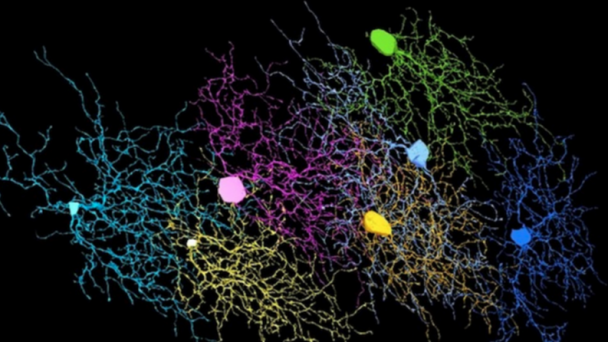
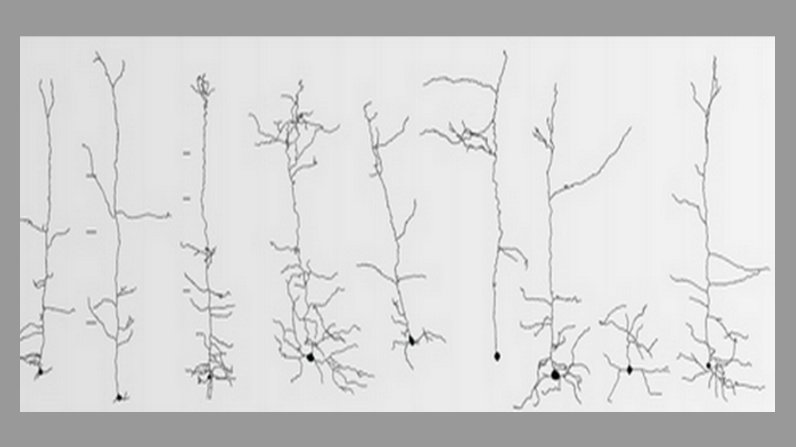
NeuroMorpho.Org is the largest collection of publicly accessible 3D neuronal reconstructions. The goal of NeuroMorpho.Org is to provide dense coverage of available reconstruction data for the neuroscience community enabling the full and continuing research potential of existing digital reconstruction data.

Website: neuromorpho.org

OnAir Post: Neuromorpho.org

Allen Cell Types Database

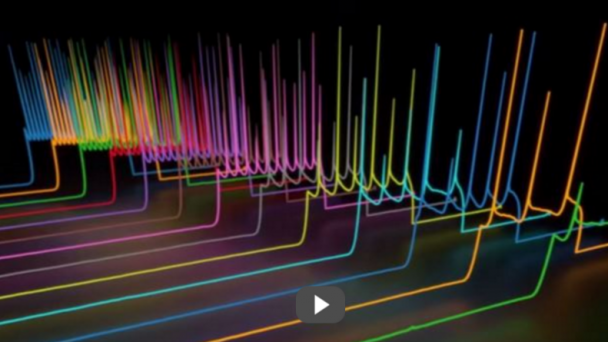
The first release includes information on just 240 neurons out of hundreds of thousands in the mouse visual cortex, with a focus on the electrophysiology of those individual cells: the electrical pulses that tell a neuron to fire, initiating a pattern of neural activation that results in perception and action.

Link to Allen Cell Types Database Hub

OnAir Post: Allen Cell Types Database

BigNeuron

The key idea is to create a single platform on which all algorithms can be run, compared, and their results combined to form reconstructions better than any one could achieve alone.

Link to BigNeuron Hub

See also Allen Cell Type Data Bases post.

OnAir Post: BigNeuron

ENIGMA mapping brain’s genetic code

Enigma is an acronym for Enhancing Neuro Imaging Genetics through Meta Analysis. ENIGMA has found 8 common gene mutations leading to brain age in over 30,000 brain scans that may some day unlock mysteries of Alzheimer’s, autism and other neurological disorders.

Link to ENIGMA Hub

OnAir Post: ENIGMA mapping brain’s genetic code

NeuroElectro.org – Wikipedia for Neurons

The site will help to accelerate the advance of neuroscience research by providing a centralized resource for collecting and comparing data on neuronal function.

OnAir Post: NeuroElectro.org – Wikipedia for Neurons

Decoding and Modulation of Human Language

Principal Investigators: Behnaam Aazhang, PhD – Rice and Nitin Tandon, MD – UT Health Title: Micro-scale Real-time Decoding and Closed-loop Modulation of Human Language BRAIN Category: Neuroengineering and Brain-inspired concepts and design

The engineering objective is to develop biocompatible microchips to vastly enhance our insight into language and other cognitive processes and learning. Miniaturized microchips in silicon technology will be developed that can record neural signals, digitize them, and transmit the signals to an in vitro receiver wirelessly.

Abstract

Award Number: #1533688

Humans produce language, which is a defining characteristic of our species and our civilization. We can select words precisely out of a large lexicon with remarkably low error rates. It is perhaps not surprising that this complex speech production system is easily affected by disease. Brain damage induced language disorders affect millions of Americans, and there is little hope of remediation. Research on the anatomical, physiological, and computational bases of speech production has made important strides in recent years but this has been limited by a glaring lack of information on the dynamics of the process. This limitation results from the low spatio-temporal resolution of the available tools to collect data and the effectiveness of the current tools for analysis. Our driving vision ...

OnAir Post: Decoding and Modulation of Human Language

Allen Mouse Brain Connectivity Atlas

https://www.youtube.com/watch?v=Te-SDsb6sHMVideo can’t be loaded because JavaScript is disabled: Fueling Discovery: Allen Mouse Brain Connectivity Atlas (https://www.youtube.com/watch?v=Te-SDsb6sHM)

“Hongkui Zeng, senior director at the Allen Institute for Brain Science, discusses our unique Connectivity Atlas that quantitatively shows how regions of the mouse brain are connected.”

Published on April 9, 2014 by Allen Institute for Brain Science

Hongkui Zeng, PhD

Senior Director, Research Science Allen Institute Research and Development

Zeng explores novel technologies and develop high-throughput paradigms for generating large-scale, public datasets and tools to fuel neuroscience discovery. Zeng  has broad scientific experience and a keen interest in using a combined molecular, genetic and physiological approach to unravel mechanisms of brain circuitry and potential approaches for treating brain diseases.


OnAir Post: Allen Mouse Brain Connectivity Atlas

Multiplexed Nanoscale In Situ Proteomics

Edwards S. Boyden Massachusetts Institute of Technology Title: “Ultra-Multiplexed Nanoscale In Situ Proteomics for Understanding Synapse Types” BRAIN category: Tools for Cells and Circuits (RFA MH-14-216)

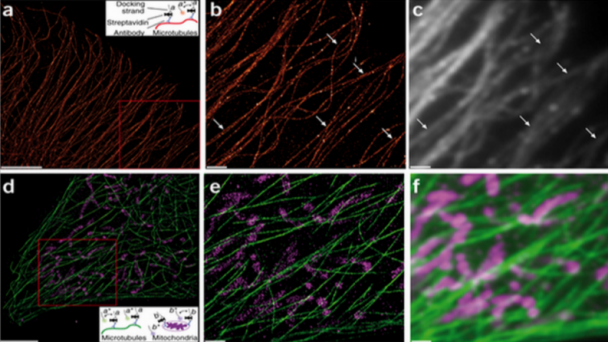
Dr. Boyden’s team will simultaneously image both the identities and locations of multiple proteins within individual synapses – made possible by a new technique called DNA-PAINT.

NIH Webpages

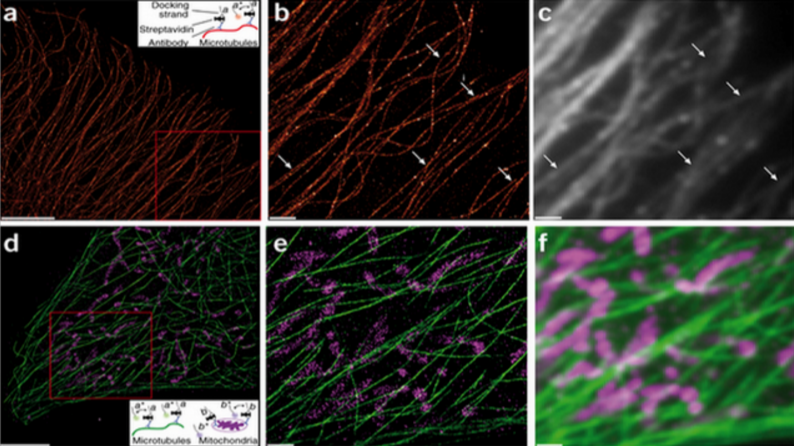
DNA-PAINT super-resolution image of microtubules inside a fixed HeLa cell using Atto 655–labeled imager strands (10,000 frames, 10-Hz frame rate). Inset, labeling and imaging schematic for DNA-PAINT in a cellular environment. From Neuron doi:10.1038/nmeth.2835

Project Description

Significant work is ongoing to reveal how different cell types in the brain contribute to behavior and pathology, and how they change in plasticity and disease, empowered by new genetic, optical, and physiological tools. However, the functional activity and dysregulation of neuronal circuits relies critically on the in situ molecular composition of neuronal synapses. Although it is clear that the properties of a given synapse are determined by, amongst other things, the specific types of cells that are thus connected, far less is known about the diversity of synapse types in the brain than cell types, perhaps because this is an intrinsically proteomic problem: a given neuron might make many ...

OnAir Post: Multiplexed Nanoscale In Situ Proteomics

Remote regulation of neural activity

The Stanley team will focus on the development of tools to instantly and precisely target cell activity deep in the brain using radio waves, nanoparticles and genetically modified viruses.

NIH Webpages

OnAir Post: Remote regulation of neural activity

Patrick Kanold, PhD – UMD


Associate Professor of Biology Director, Kanold Lab

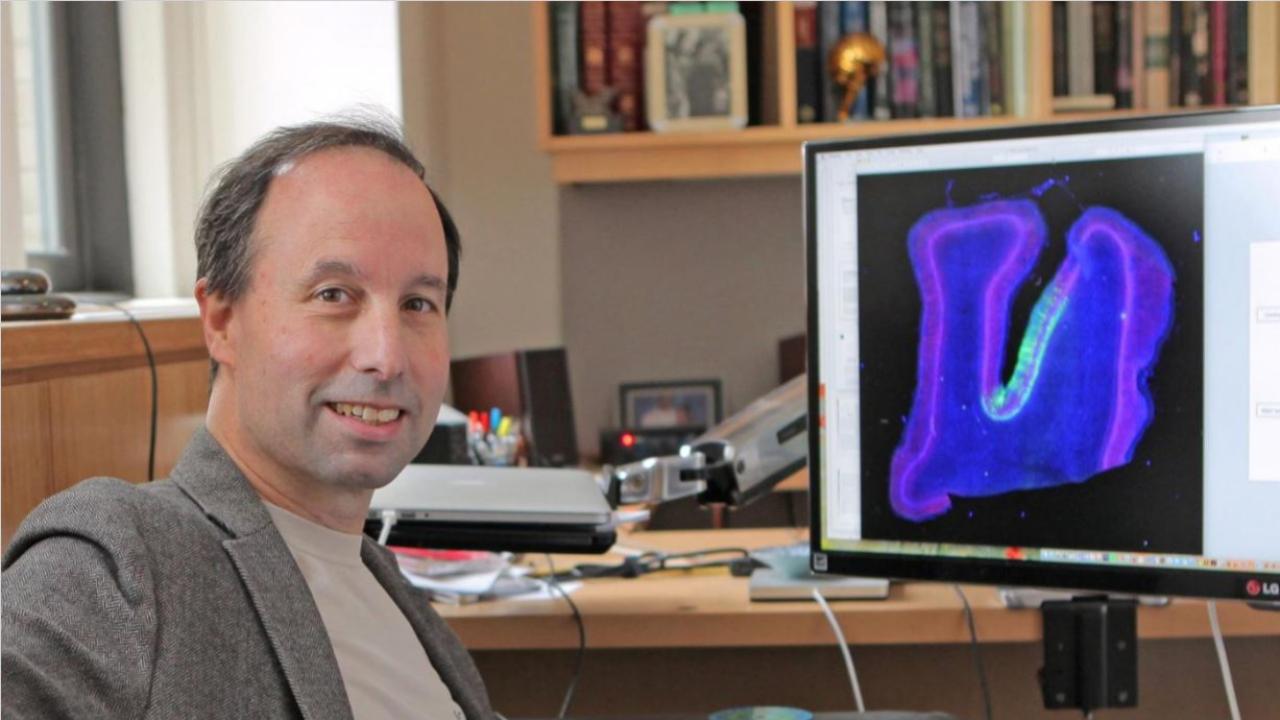
Dr. Kanold studies the development and plasticity of the brain, in particular how periods of learning and plasticity are initiated and controlled. His work focuses on the development of the central auditory and visual system in particular on the role of early cortical circuits in brain wiring. He uses advanced neurophysiological, in vivo imaging, optogenetic, molecular and computational techniques.


Web Information

Webpage:  biology.umd.edu/patrick-kanold.html UMD Neuroscience and Cognitive Science  BRAIN Initiative Grant – “Crowd coding in the brain: 3D imaging and control of collective neuronal dynamics”

Contact Information

Emailpkanold@umd.edu Phone: 301.405.5741 Address: 1116 Bioscience Research Building College Park, MD 2074


Biography

Awards

2007 Ralph E Powe Award 2010 Alfred P. Sloan Foundation 2013 NOHR/ARo Burt Evans Award

Education

Dipl. Ing (M.Sc.), Technische Universität Berlin, Germany, 1994 Ph.D., Johns Hopkins University, 2000 PostDoc, Harvard Medical School 2000-2005 Instructor, Harvard Medical School 2005-2006


Research

Dr. Kanold studies the development and plasticity of the brain, in particular how periods of learning and plasticity are initiated and controlled. His work focuses on the development of the central auditory and visual system in particular on the role of early cortical circuits in brain wiring. He uses advanced neurophysiological, in vivo imaging, optogenetic, molecular and computational techniques. His work furthers our understanding of how prenatal and postnatal brain injury ...
OnAir Post: Patrick Kanold, PhD – UMD

Integrated approach to visual neuroscience

PI: Sebastian Seung, Princeton University Title: “Vertically integrated approach to visual neuroscience: microcircuits to behavior” BRAIN category: Understanding Neural Circuits (RFA NS-14-009)

Dr. Seung and colleagues Thomas Euler (U Tübingen), Andrew Huberman (UC San Diego), Markus Meister (Caltech), and Rachel Wong (UW Seattle) will use state-of-the-art genetic, electrophysiological, and imaging tools to map the connectivity of the retina, the light-sensing tissue in the eye. The goal is to delineate all the retina’s neural circuits and define their specific roles in visual perception and behavior.

NIH Webpages

Project Description

Visual neuroscience is finally beginning to achieve a “vertically integrated” understanding of the retina, bridging all levels from molecules to microcircuits to behavior. Success could be achieved for all retinal microcircuits in just a decade, if progress were sped up drastically. Such acceleration will be attained by generating the following foundational data and disseminating it to the community. (1) We will use genetic control of ganglion cell types to pinpoint their specific roles in a suite of ethologically relevan, visually guided behaviors. Our functional explorations will be guided by the tracing of downstream pathways into subcortical and cortical regions using genetic techniques. (2) We will apply two-photon calcium imaging and serial electron microscopy to a single patch of ...

OnAir Post: Integrated approach to visual neuroscience

Allen Data Base (video)

https://www.youtube.com/watch?v=1GWyjxzxqIIVideo can’t be loaded because JavaScript is disabled: Allen Cell Types Database: Understanding the fundamental building blocks of the brain (https://www.youtube.com/watch?v=1GWyjxzxqII)

“Allen Cell Types Database: Understanding the fundamental building blocks of the brain”

The Allen Institute for Brain Science is taking the first major scientific step to create a searchable standards database for the brain with the launch of the Allen Cell Types Database.

Published on May 14, 2015 by Allen Institute for Brain Science

OnAir Post: Allen Data Base (video)

Cortico-thalamic connections

https://www.youtube.com/watch?v=6u0q5jIxR10Video can’t be loaded because JavaScript is disabled: Organization of the cortico-thalamic connections (https://www.youtube.com/watch?v=6u0q5jIxR10)

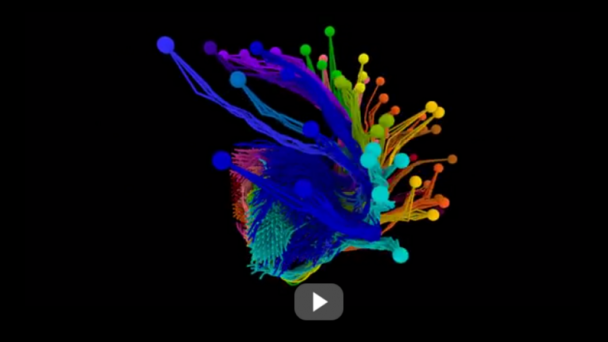
“This video shows a composite of 80 injection sites of a viral tracer in the cortex (round spheres) and their major projections into the thalamus. We can clearly see that the spatial pattern of the injections is conserved in the thalamus. This kind of information was only previously available in piecemeal form, but with the comprehensive, standardized data in the Allen Mouse Brain Connectivity Atlas, we can reproducibly measure and visualize this topography.”

Published on February 27, 2014 by Allen Institute for Brain Science


OnAir Post: Cortico-thalamic connections

Loren M Frank, PhD – UCSF


Core Faculty, Program in Biological Sciences, UCSF Physiology Department Director:  Frank Laboratory

Frank’s research interests center around learning and spatial coding in the hippocampal-cortical circuit. Frank is interested in understanding the neural correlates of learning and memory. In particular, his laboratory focuses on the circuitry of the hippocampus and adjacent regions. His goal is to examine the relationships among neural firing patterns, behavior, and anatomy to understand how the brain uses and stores information.


Web Information

Webpage: keck.ucsf.edu/physio/people/frankl.html#research UCSF Neuroscience  Brain Initiative Grant

Contact Information

Email: loren@phy.ucsf.edu Phone: 415-502-6317 Address: UCSF 513 Parnassus Box 0444 San Francisco, CA 94143-0444


Research

The ability to use experience to guide behavior (to learn) is one of the central functions of the brain. We are interested in understanding the neural correlates of learning and memory. In particular, our laboratory focuses on the circuitry of the hippocampus and adjacent regions. Our goal is to examine the relationships among neural firing patterns, behavior, and anatomy to understand how the brain uses and stores information. Ultimately we should be able to generate accurate computational models of learning to both test hypotheses concerning hippocampal-cortical interactions and to generate new predictions that can be tested experimentally.

Anatomical organization

The hippocampal formation has a unique anatomical organization in that the connectivity between adjacent hippocampal regions is ...

OnAir Post: Loren M Frank, PhD – UCSF

Single Cell Transcriptomics Classification

PI: John J. Ngai, Ngai Lab Helen Wills Neuroscience Institute Title: “Classification of Cortical Neurons by Single Cell Transcriptomics” BRAIN Category: Census of Cell Types (RFA MH-14-215)

To understand what makes neurons distinct, Dr. Ngai’s team will explore one major type of mouse brain cell, pinpointing genes responsible for differentiating them into subtypes and will also test whether each subtype has unique functions, using a new technique that labels them with tagged genes.

NIH Webpage

Project Description

Unraveling the complexity of the mammalian brain is one of the most challenging problems in biology today. A major goal of neuroscience is to understand how circuits of neurons and non-neuronal cells process sensory information, generate movement, and subserve memory, emotion and cognition. Elucidating the properties of neural circuits requires an understanding of the cell types that comprise these circuits and their roles in processing and integrating information. However, since the description of diverse neuronal cell types over a century ago by Ramon y Cajal, we have barely scratched the surface of understanding the diversity of cell types in the brain and how each individual cell type contributes to nervous system function. Current approaches for classifying neurons rely upon features including the differential expression of small numbers of genes, cell morphology, ...

OnAir Post: Single Cell Transcriptomics Classification

Osten Lab – CSHL

Principal Investigator: Pavel Osten Cold Spring Harbor Laboratory

Osten’s lab works on identification and analysis of brain regions, neural circuits, and connectivity pathways that are disrupted in genetic mouse models of autism and schizophrenia. Osten and colleagues have developed the first systematic approach to the study of neural circuits in mouse models of psychiatric diseases, based on a pipeline of anatomical and functional methods for analysis of mouse brain circuits employing serial two-photon (STP) tomography.

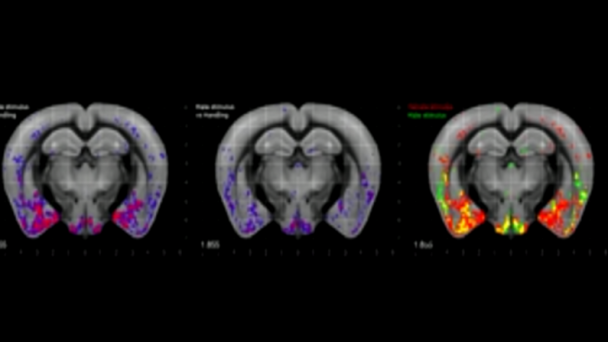
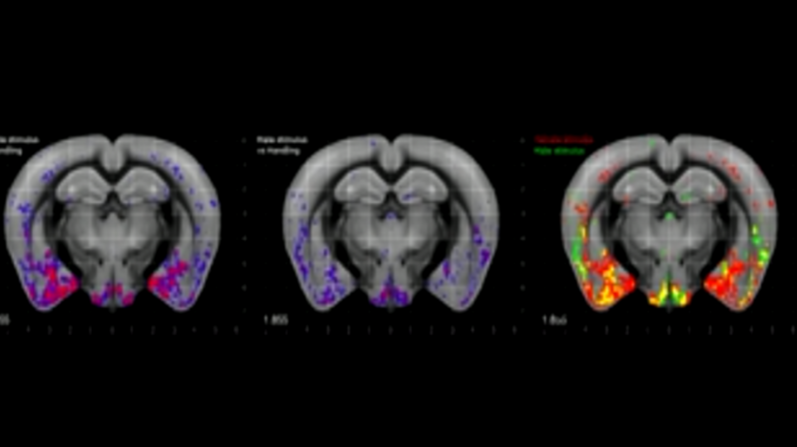
Still image from movie of how the Osten lab maps active brain regions at cellular resolution during social behavior. Eureka Alert

Web Information

Brain Initiative Grant

Contact Information

Emailosten@cshl.edu Phone: (516) 367-6990 Address: One Bungtown Road Cold Spring Harbor, NY 11724

Research

CSHL team introduces automated imaging to greatly speed whole-brain mapping efforts

Cold Springs Harbor News by Peter Tarr

Cold Spring Harbor, N.Y. – A new technology developed by neuroscientists at Cold Spring Harbor Laboratory (CSHL) transforms the way highly detailed anatomical images can be made of whole brains.  Until now, means of obtaining such images – used in cutting-edge projects to map the mammalian brain — have been painstakingly slow and available only to a handful of highly specialized research teams.

By ...

OnAir Post: Osten Lab – CSHL

Cell Type Characterization Platform

PI: Hongkui Zeng, Allen Brain Atlases Allen Institute for Brain Science Title: “Establishing a Comprehensive and Standardized Cell Type Characterization Platform” BRAIN Category: Census of Cell Types (RFA MH-14-215)

Dr. Zeng’s group will characterize cell types in brain circuits controlling sensations, such as vision and emotions, as a first step to better understand information processing across circuits. The data generated will be posted as a public online resource for the scientific community.

NIH Webpage

“The combination of fluorescent imaging and optogenetic stimulation is a powerful way to learn both where cells are in space, when they are active or silent, and how they interact with other cells in the circuits they form,” says Zeng.” The new tools we have created open doors to identifying and learning more about the many different types of cells in our brains: the first crucial step to understanding how information is encoded by neural circuits.”

Project Description

The brain circuit is an intricately interconnected network of a vast number of neurons with diverse molecular, anatomical and physiological properties. Neuronal cell types are fundamental building blocks of neural circuits. To understand the principles of information processing in the brain circuit, it is essential to have a ...

OnAir Post: Cell Type Characterization Platform

Neurovault.org web based repository

NeuroVault allows researchers to store, share, visualize, and decode statistical maps of the human brain. NeuroVault is easy to use and leverages the power of the Neurosynth database to provide cognitive decoding of deposited maps.

bioRxiv October 2014

OnAir Post: Neurovault.org web based repository

Neural circuits in zebrafish

Principal Investigator: Florian Engert Program in Neuroscience @Harvard Title: “Neural circuits in zebrafish: form, function and plasticity” BRAIN Category: Understanding Neural Circuits (RFA NS-14-009)

Dr. Engert’s team will combine a wide array of cutting-edge neuroscience techniques to watch the entire brain activity of a see-through fish while it swims, and to make detailed maps of its brain circuitry.

NIH Webpages

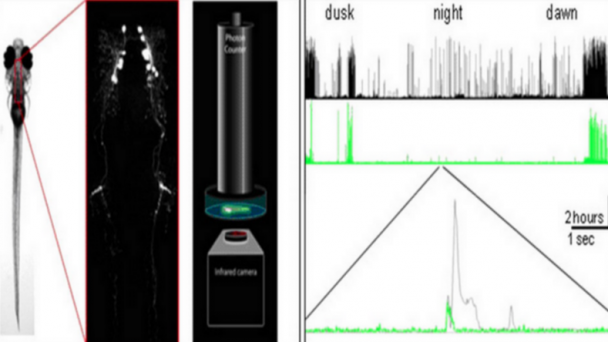
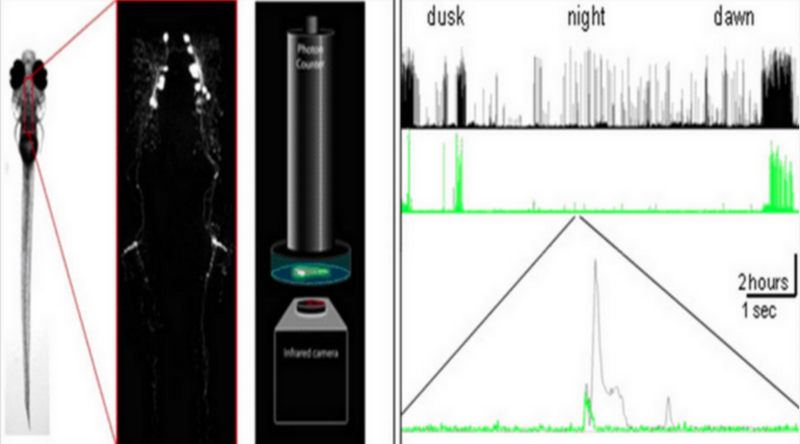
n order to examine response properties of specific neuronal subpopulation in freely swimming larvae we have developed an imaging technique based on the bioluminescence of Aquorin-GFP that does not require excitation light and can therefore operate on a zero background signal 17. This optical signal can be collected with large angle optics and detected as a one-dimensional temporal signal by a photon multiplier tube. Figure 3 shows data from a first series of experiments in which Aquorin is expressed in the hypocretin system, a small nucleus consisting of less than 20 neurons that are known to regulate the sleep-wake cycle.The left side shows an in-vivo two-photon image of the transgenic fish and a diagram of the set-up. On the right side bioluminescence photon counts from the same fish are shown in green below traces describing the simultaneously monitored ...

OnAir Post: Neural circuits in zebrafish

Connectivity of brain stem circuits

Principal Investigator: David Kleinfeld UCSD Neuroscience Title: “Revealing the connectivity and functionality of brain stem circuits” BRAIN Category: Understanding Neural Circuits (RFA NS-14-009)

Dr. Kleinfeld and his colleagues will use a variety of tools and techniques to create detailed maps of circuits in the brainstem, the region that regulates many life-sustaining functions such as breathing and swallowing, and match the circuits to actions they control.

NIH Webpages


Project Description

Neuronal circuits in the brainstem control life-sustaining functions, in addition to driving and gating active sensation through taste, smell, and touch. We propose to exploit the advent of molecular and genetic tools to undertake cell lineage marking, cell phenotyping, molecular connectomics, and methods from machine learning and image processing to construct an integrated anatomical and functional atlas of the brainstem. This will enable us to generate anatomical wiring diagrams for the brainstem circuits that control or facial actions. There are three phases to this work. (1) Reveal the identity and organization of brainstem nuclei. Motivated by striking similarities between the developmental plan for the spinal cord and brainstem, we will embrace and extend these efforts to interrogate the molecular composition of neurons that define individual nuclei with sensorimotor circuits in the murine brainstem. (2) Reveal brainstem neuronal circuits and ...
OnAir Post: Connectivity of brain stem circuits

Drivers for neuron gene expression

Principal Investigator: Oliver Hobert Columbia Neurosciencez Title: “Developing drivers for neuron type-specific gene expression” BRAIN Category: (RFA MH-14-216) 

Dr. Hobert and colleagues will create a highly selective technology for experimentally manipulating genes in neurons, by tapping into the regulatory machinery of individual cell types.
NIH Webpages


Project Description

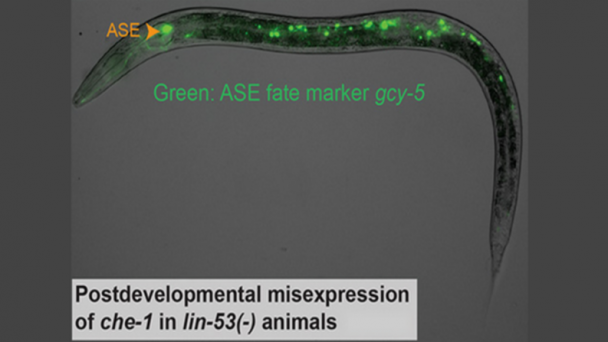
Driver lines that direct Cre protein to specific neuron types have proven to be invaluable tools to not only visualize specific neuron types but also to manipulate their activity through the Cre- mediated activation of optogenetic probes or to assess gene function by Cre-mediated gene knockout. Most Cre driver lines, such as BAC-based Cre drivers or knock-ins of Cre into specific loci, monitor the complete expression pattern of entire genetic loci. However, very few genes are exclusively expressed in very small populations of specific neuron types and this lack of cellular specificity limits the use of these driver lines. W propose here to develop transgenic mouse driver lines that direct Cre expression to very restricted numbers of neuronal cell types in different regions of the mouse brain, thereby providing tools to precisely map their function and molecular composition. To achieve this aim, we aim to test the hypothesis – built from our past work in the nematode C.elegans – that ...

OnAir Post: Drivers for neuron gene expression

Mapping neuronal chloride microdomains

Principal Investigator: Kevin J. Staley Neuroscience@Harvard, Massachusetts General Hospital Title: “Mapping neuronal chloride microdomains” BRAIN Category: Tools for Cells and Circuits (RFA MH-14-216)

Using protein engineering technology to monitor the movement of chloride through inhibitory neurotransmitter receptor channels, Dr. Staley’s group aims to understand the role of chloride microdomains in memory.

NIH Webpages

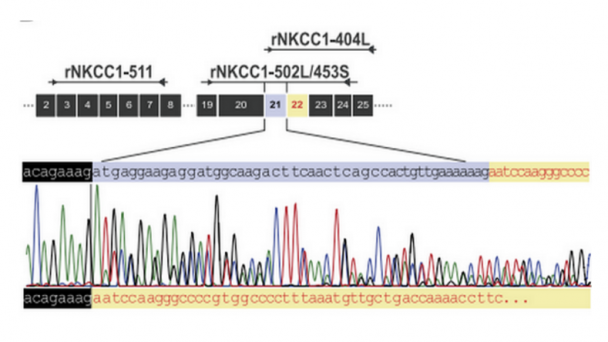
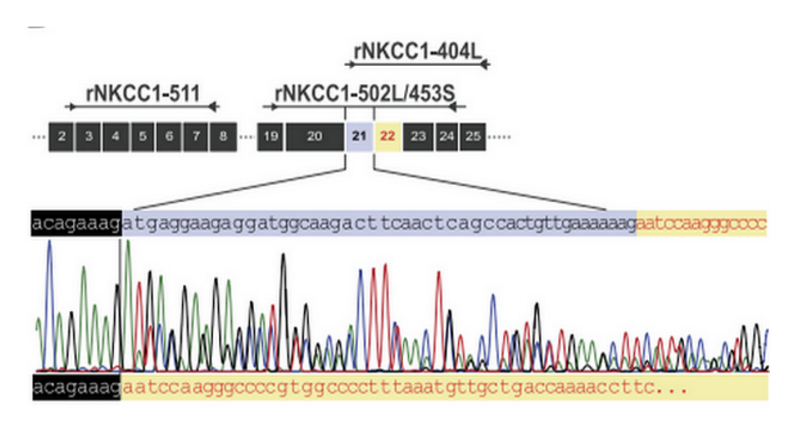
Expression of NKCC1 transcripts in rat and mouse dorsal root ganglion (DRG) by RT-PCR and in situ hybridization (ISH).

Project Description

Dramatic new insights into the functioning of neural networks have been made possible by our ability to visualize neural function with calcium-sensitive fluorophores, and biology has been revolutionized by the ability to sequence and manipulate DNA, RNA, and proteins. Both of these tremendous advances have unexplored “flip sides”. Our understanding of neural network function remains limited by our inability see GABA-mediated synaptic activity: we can’t measure the output of the remarkable diversity of interneuron structure and function. Similarly, the methods for studying templated biopolymers such as DNA, RNA, and protein are not applicable to untemplated biopolymers such as polyglutamylated intracellular tubulin, and the variably sulfated glycosaminoglycans (GAGs) that comprise the extracellular matrix. The glutamate and sulfate moieties displace chloride, thereby defining chloride microdomains. These microdomains thus provide a ...

OnAir Post: Mapping neuronal chloride microdomains

Quantitative cell type-based mapping

Principal Investigator: Pavel Osten Cold Spring Harbor Laboratory Title: “Towards quantitative cell type-based mapping of the whole mouse brain” BRAIN Category: Census of Cell Types (RFA MH-14-215)

The Osten team will develop an automated system to image different types of brain cells and their connections in mice, to pinpoint differences between males and females, across the lifespan.

NIH Webpages

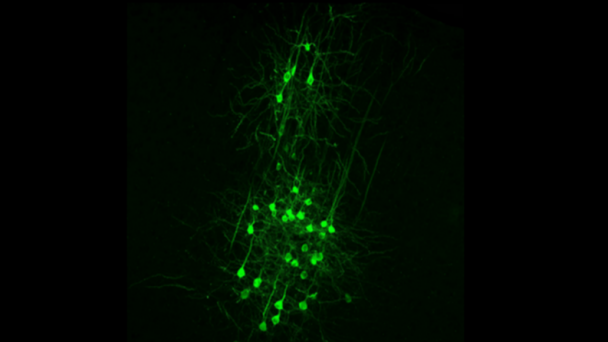
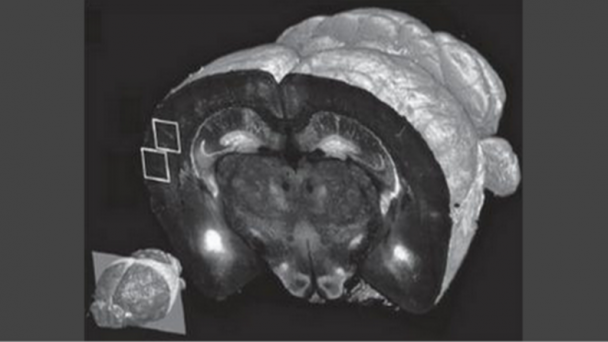
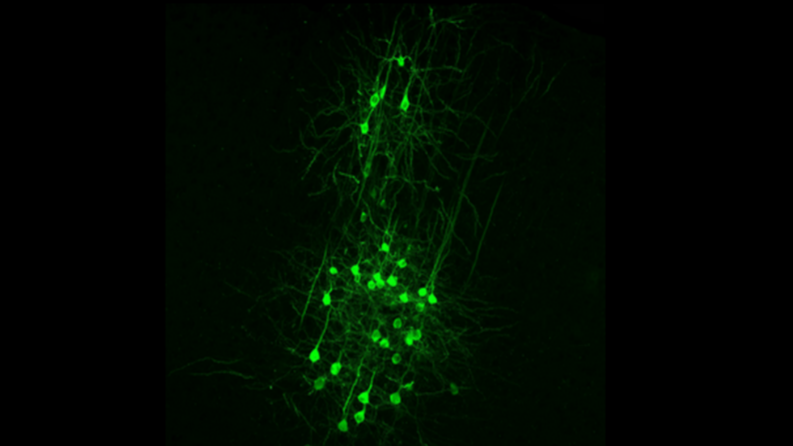
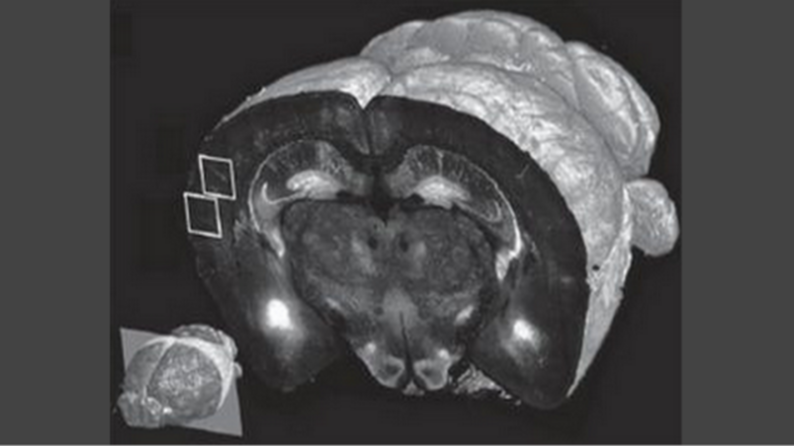
3-D rendering of coronal section of a mouse brain imaged with STP tomography at 20x at a resolution of half a micron. GFP-expressing pyramidal neurons in hippocampus and cortex are targeted.

Project Description

The mouse brain comprises ~70 million neurons and ~30 million glia and other cells. Neurons have been traditionally classified based on their morphology, connectivity, stimulus-response, gene expression, and location in the brain. While we know reasonably well the main cell types that are present at different brain locations, we have little quantitative knowledge about brainwide cell type distribution. In addition, cell type-based brainwide connectivity, especially at the level of projection patterns of single neurons, also remains largely unmapped. This knowledge gap prevents us from incorporating the accumulated cell type-based cellular data into comprehensive circuit models of mammalian brain function. Here we propose to develop a largely automated methodology ...

OnAir Post: Quantitative cell type-based mapping

Neuronal Subtypes By Cell Transcriptomics

Principal Investigator: Joshua R  Sanes Neuroscience@Harvard Title: “Comprehensive Classification Of Neuronal Subtypes By Single Cell Transcriptomics” BRAIN Category: Census of Cell Types (RFA MH-14-215)

Dr. Sanes and colleagues will use new methods of genetic screening to comprehensively catalog and distinguish different kinds of cells across species and brain regions.

NIH Webpages

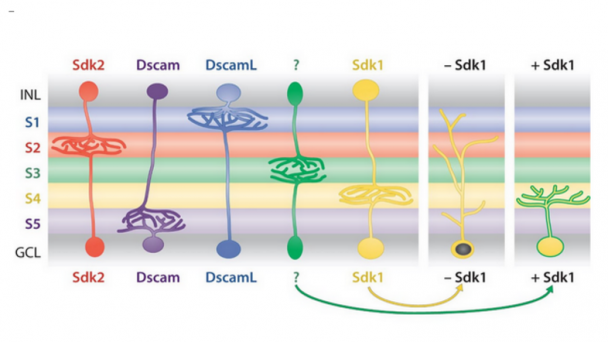
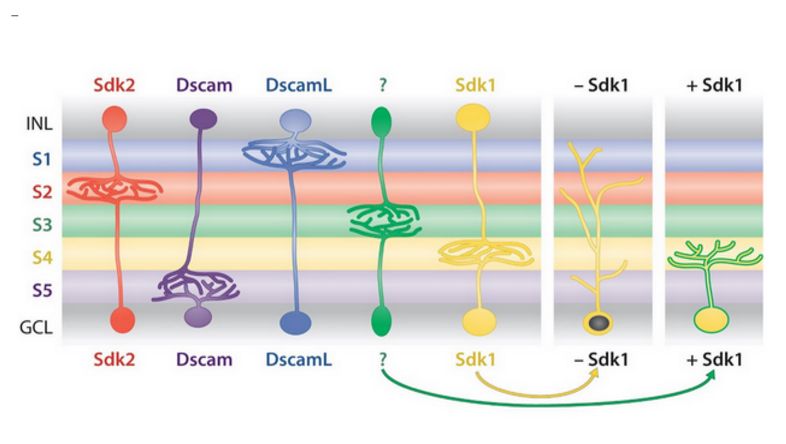
Immunoglobulin Superfamily Code for Laminar Specificity in Retina

Project Description

To understand the brain, we need a “parts list” of its cell types. The list will need to integrate molecular, functional and morphological data, but of these, molecular classification is best suited for comprehensive categorization and the only approach that can lead directly to genetically accessing the types; such access is essential in order to mark and manipulate neurons and to allow rigorous comparison of neurons from normal and diseased brains. We will apply the emerging method of single-cell transcriptional profiling (scRNA-seq) to this task. We will first rigorously compare and optimize cutting- edge methods for cell isolation, transcriptional profiling, and computational analysis to establish an efficientand effective pipeline for categorization. Then, we will apply our suite of methods to two brain regions – mouse retina and zebrafish habenula – that differ in several ways but share key features: ...

OnAir Post: Neuronal Subtypes By Cell Transcriptomics

Epigenomic mapping cell-type classification

Principal Investigator: Joseph R Ecker Salk Institute for Biological Studies Title: “Epigenomic mapping approaches for cell-type classification in the brain” BRAIN Category: Census of Cell Types (RFA MH-14-215)

Dr. Ecker’s group will use signatures of epigenetics, the switching on-and-off of genes in response to experience, in mouse frontal cortex to help identify different classes of cells and understand their function.

NIH Webpages

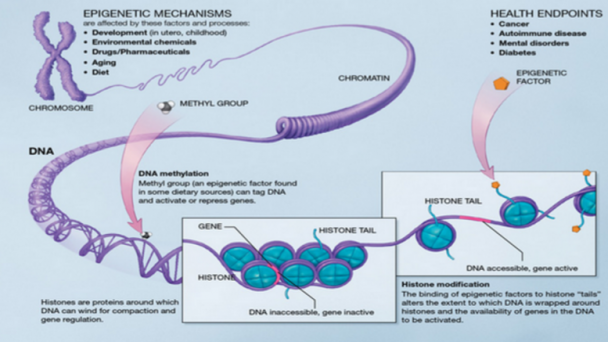
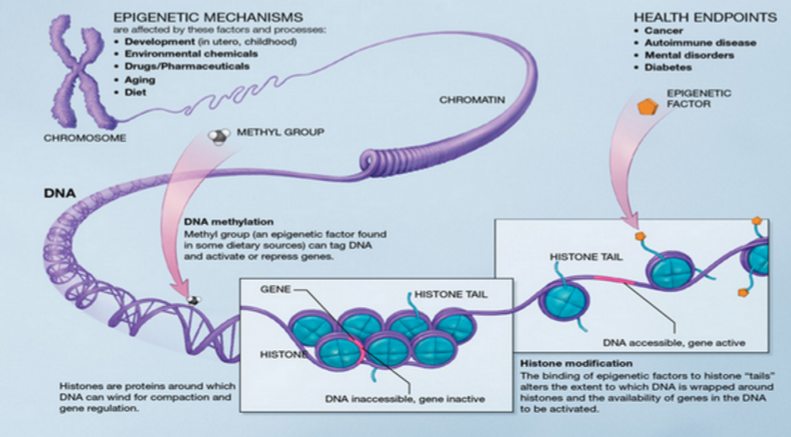
A Scientific Illustration of How Epigenetic Mechanisms Can Affect HealthEpigenetic mechanisms are affected by several factors and processes including development in utero and in childhood, environmental chemicals, drugs and pharmaceuticals, aging, and diet. DNA methylation is what occurs when methyl groups, an epigenetic factor found in some dietary sources, can tag DNA and activate or repress genes. Histones are proteins around which DNA can wind for compaction and gene regulation. Histone modification occurs when the binding of epigenetic factors to histone “tails”; alters the extent to which DNA is wrapped around histones and the availability of genes in the DNA to be activated. All of these factors and processes can have an effect on people’s health and influence their health possibly resulting in cancer, autoimmune disease, mental disorders, or diabetes among other illnesses. NIH Common Fund.

Project ...

OnAir Post: Epigenomic mapping cell-type classification

Cell types in developing human fetal cortex

Principal Investigator: Daniel H Geschwind UCLA Neuroscience Title: “Defining cell types, lineage, and connectivity in developing human fetal cortex” BRAIN Category: Census of Cell Types (RFA MH-14-215)

Dr. Geschwind’s group will explore the diversity of cell types in the developing human brain, and will bring to bear state-of-the-art genetic and cellular visualization technology to map and trace the relationship between cell types across the cortex.

NIH Webpage


Project Description

Little is currently known about the number, proportion, or lineage of distinct cell types in the developing human fetal brain. Knowledge of such a component list and its functional genomic foundations is crucial for understanding the function of this complex system, its evolution, and how it is disrupted in disease. We hypothesize that comprehensive single-cell mRNA expression profiles provide an accurate and efficient rubric for a first generation classification schema that can be integrated with lineage, morphology and connectivity. We will use unsupervised learning algorithms to cluster 10,000 single cell transcriptomes derived from RNAseq of the human fetal cortical anlage, providing an unbiased model to identify and understand the resultant cell classes. We will validate these cell class determinations using in situ hybridization. We will use marker genes identified in this analysis to perform lineage tracing using cell-type ...

OnAir Post: Cell types in developing human fetal cortex

Cortical Neurons by Transcriptome

Principal Investigator: Massimo Scanziani UC San Diego’s Neuroscience Title: “Classifying Cortical Neurons by Correlating Transcriptome with Function” BRAIN Category: Census of Cell Types (RFA MH-14-215)

Dr. Scanziani’s team will record neuronal responses to different visual stimuli to discover how individual brain cell activity is linked to expression of specific genes.

NIH Webpage

Visual cortex cells

Project Description

The classification of neurons into distinct types is a fundamental endeavor in neuroscience. Neuronal classification allows one to gain insight into the building blocks of the nervous system, is essential for a mechanistic understanding of the function of the nervous system and is a prerequisite for unambiguous communication between investigators. No single unequivocal categorization scheme exists yet for neurons in the mammalian cerebral cortex. The classification based on morphological characteristics has led to tremendous advances in our understanding of the nervous system, yet is often ambiguous in cortical neurons because many morphological properties are difficult to parameterize. Other classifications based on immunohistochemistry or electrophysiology have been helpful but, alone, fail to capture the rich diversity of cortical neurons. Evidence indicates that distinct neuron types express different genes. Thus, in principle, the gene expression pattern could be used to generate an unambiguous and objective classification ...

OnAir Post: Cortical Neurons by Transcriptome

Massively Parallel Single Cell Analysis

Principal Investigator: Arnold Kriegstein UCSF Neuroscience Title: “Mapping the Developing Human Neocortex by Massively Parallel Single Cell Analysis” BRAIN Category: Census of Cell Types (RFA MH-14-215)

By combining genetic, molecular and physiological techniques at the single cell level, Dr. Kriegstein and colleagues will classify diverse cell types in the prefrontal cortex of developing human brain tissue.

NIH webpage

Image from video “UCSF scientists: the power of stem cell biology”

Project Description

This proposal seeks to create a single cell resolution map of the developing human neocortex. We propose to determine the number of different subtypes of neural stem and progenitor cells that generate the cerebral cortex, and then follow the developmental trajectories of the newborn neurons they produce to obtain an understanding of the diversity of cortical neurons that will ultimately form the adult cortex. We plan a novel approach to this problem by integrating surveys of single cell gene expression and physiology in human cortical cells from multiple brain regions at a series of developmental stages. In collaboration with Fluidigm Corporation, we have developed innovative strategies for massively parallel profiling of molecular and physiological properties of primary human cortical cells using microfluidic technologies, cellular barcoding, and timelapse microscopy. We now ...

OnAir Post: Massively Parallel Single Cell Analysis

Cell-Type Classification in the Human Brain

Principal Investigator: Nenad Sestan Yale Neuroscience Title: “A Novel Approach for Cell-Type Classification and Connectivity in the Human Brain” BRAIN Category: Census of Cell Types (RFA MH-14-215)

Dr. Sestan’s group will substantially advance the profiling of cell types – their molecular identities and connections – made possible by a new method of better preserving brain tissue to maintain cell integrity.

NIH webpage


Project Description

The human brain is arguably the most complex biological structure. Understanding how many different cell types exist in the human brain and mapping neural connections are critical tasks to better understand the development and function of the brain. This is particularly challenging in the human brain due to inherent limitations of working with postmortem tissue. This grant is specifically addressing these tasks in the human brain as well as a closely related non-human primate, Rhesus macaque, and a commonly studied mammalian organism, the mouse. The objective of this proposal is to employ novel methods and approaches to generate a systematic inventory/census of cell types and connections in the developing and adult human, macaque monkey and mouse prefrontal cortex (PFC). We have chosen PFC for this project due both to its importance in higher cognitive functions as well as for the alterations observed in PFC ...

OnAir Post: Cell-Type Classification in the Human Brain

New tools to probe brain’s mysteries

A University of Otago researcher is part of an international collaboration that has developed an exciting and expansive new set of tools to probe cell types in the brain.

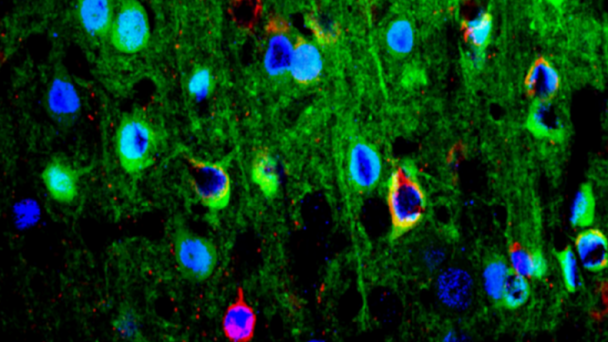
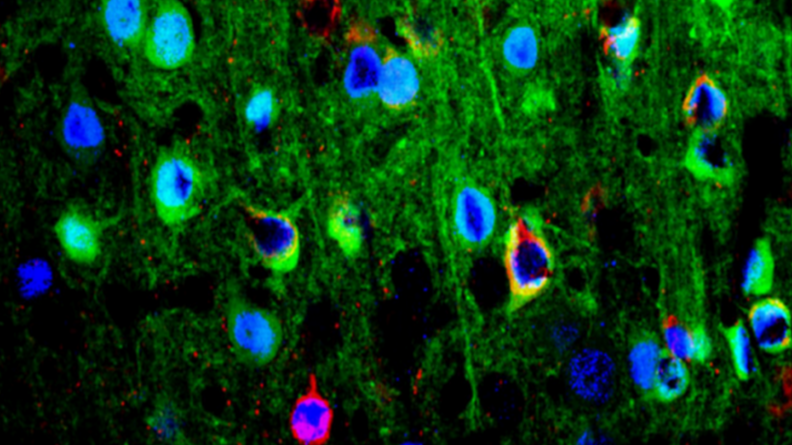
This workpartly involves using techniques that manipulate the genes of a small subset of cells so that the cells glow under fluorescent microscopes. By manipulating unique gene markers for each cell type into fluorescent labels or probes, the structure and function of various types of neurons can be visualized and studied. Neuron 3/6/15

Illuminating the diversity of motor neuron types in the mouse brain with specific fluorescent markers. University of Otago

Press Release

Otago scientist helps develop new tools to probe mysteries of the brain

A University of Otago researcher is part of an international collaboration that has developed an exciting and expansive new set of tools to probe cell types in the brain.

The scientists’ work, reported this week in the leading journal Neuron, partly involves using techniques that manipulate the genes of a small subset of cells so that the cells glow under fluorescent microscopes. By manipulating unique gene markers for each cell type into fluorescent labels or probes, the structure and function of various types ...

OnAir Post: New tools to probe brain’s mysteries

Blending High-end Imaging Techniques

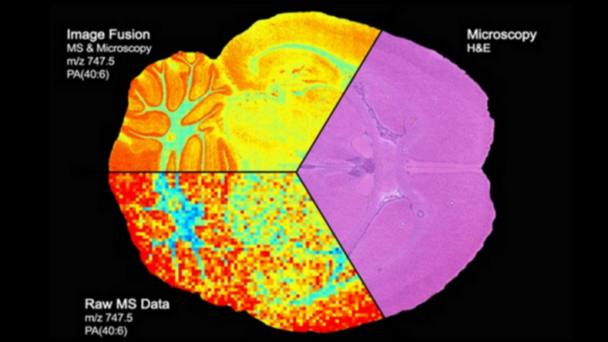
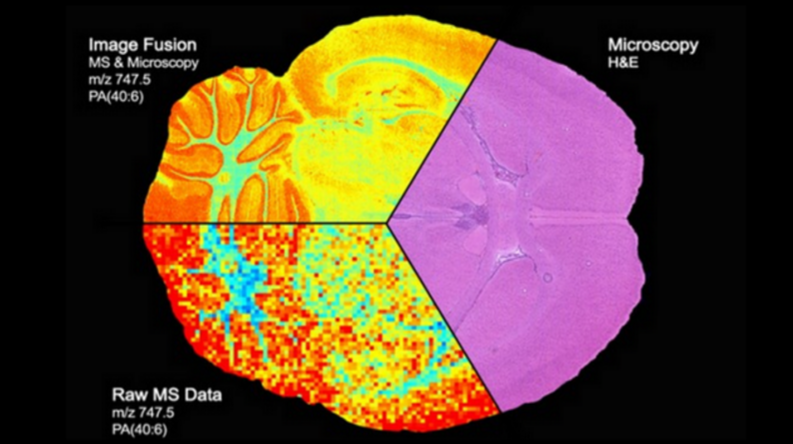
Vanderbilt University researchers have achieved the first “image fusion” of mass spectrometry and microscopy that could, among other things, dramatically improve the diagnosis and treatment of cancer.

Combining the best features of both imaging modalities allows scientists to see the molecular make-up of tissues in high resolution.

Nature Methods 2/23/2015

Image of a section of the brain shows the fusion of microscopy (pink area) and mass spectrometry (pixelated colors at bottom) to produce a detailed “map” of the distribution of proteins, lipids and other molecules within sharply delineated brain structures (upper left). Image: Vanderbilt University press

Press Release

Vanderbilt team first to blend high-end imaging techniques


Vanderbilt University researchers have achieved the first “image fusion” of mass spectrometry and microscopy — a technical tour de force that could, among other things, dramatically improve the diagnosis and treatment of cancer.

Microscopy can yield high-resolution images of tissues, but “it really doesn’t give you molecular information,” said Richard Caprioli, Ph.D., senior author of the paper published last week in the journal Nature Methods.

Mass spectrometry provides a very precise accounting of the proteins, lipids and other molecules in a given tissue, but in a spatially coarse or pixelated manner. ...

OnAir Post: Blending High-end Imaging Techniques

Skip to toolbar