Therapists are using neurofeedback to treat ADHD and PTSD

Therapists are using neurofeedback to treat ADHD, PTSD and other conditions

“Researchers who endorse the technique say they don’t know exactly how it works but they say the changes in brain waves result in improved ability to focus and relax….Better focus and relaxation can seemingly help improve or eliminate such conditions as migraines (imbalanced brain waves are associated with certain symptoms like pain) and anxiety.

Clinical social worker Mary Lee Esty demonstrates the hookup of neurofeedback sensors on Cliff Drake, who says the procedure has helped him deal with post-traumatic stress disorder, depression and other ailments. (Linda Davidson/The Washington Post)

Therapists are using neurofeedback to treat ADHD, PTSD and other conditions

Review of effectiveness of neurofeedback. Washington Post 1/19/15 by Arlene Karidis

“Researchers who endorse the technique say they don’t know exactly how it works but they say the changes in brain waves result in improved ability to focus and relax….Better focus and relaxation can seemingly help improve or eliminate such conditions as migraines (imbalanced brain waves are associated with certain symptoms like pain) and anxiety.”


OnAir Post: Therapists are using neurofeedback to treat ADHD and PTSD
Neurofeedback Overview

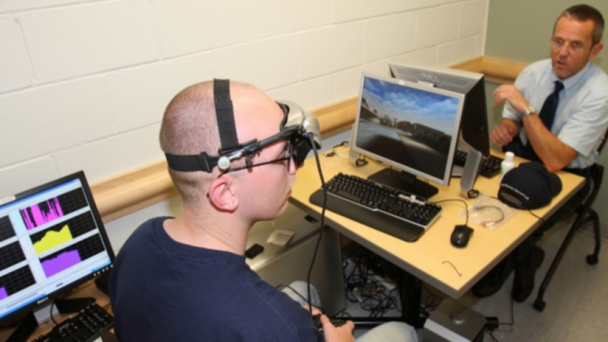
EEG neurofeedback uses sensors that are placed on the scalp to measure brain waves, while HEG neurofeedback uses infrared (IR) sensors or functional magnetic resonance imaging (fMRI) to measure brain blood flow.

Initial Overview based on Wikipedia entry Jan. 6, 2016. Also see biofeedback.

OnAir Post: Neurofeedback Overview

MindMaze Thought-Powered VR Game System

MindMaze announces $8.5 Million in Angel Funding. MindLeap Game System Driven by Players’ Brainwaves.

Today MindMaze, a neurotechnology company, unveiled the industry’s first thought-powered virtual reality (VR), augmented reality and motion capture game system, MindLeap. The system is based on MindMaze’s proprietary, medically-proven neurotechnology engine, which detects and predicts brain and muscle activity to trigger real-time immersive virtual experiences. PRNewswire March 4, 2015

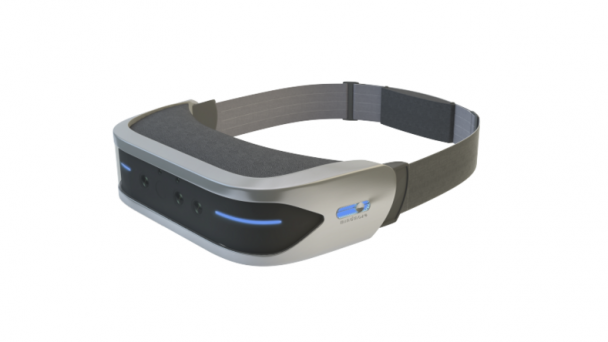
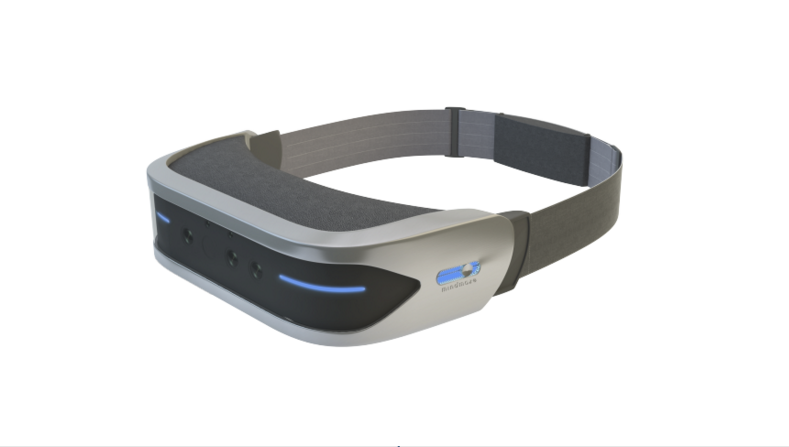
Rendering of the proposed design for MindMaze’s NeuroGoggles. Credit: MindMaze

Press Release

PRNewswire March 4, 2015  

SAN FRANCISCO, March 4, 2015 /PRNewswire/ — GAME DEVELOPERS CONFERENCE – Today MindMaze, a neurotechnology company, unveiled the industry’s first thought-powered virtual reality (VR), augmented reality and motion capture game system, MindLeap.  The system is based on MindMaze’s proprietary, medically-proven neurotechnology engine, which detects and predicts brain and muscle activity to trigger real-time immersive virtual experiences.  Combining neural sensing with embedded motion capture cameras, MindLeap unleashes the power of players’ minds to enhance gameplay and experiences in both virtual and augmented reality.  With near millisecond synchronization, MindLeap will be the quickest system on the market, bringing a new level of performance for virtual reality.

In the coming months, MindLeap’s neurotechnology engine will be available to game developers via an SDK and ...

OnAir Post: MindMaze Thought-Powered VR Game System

Mind-Hacking

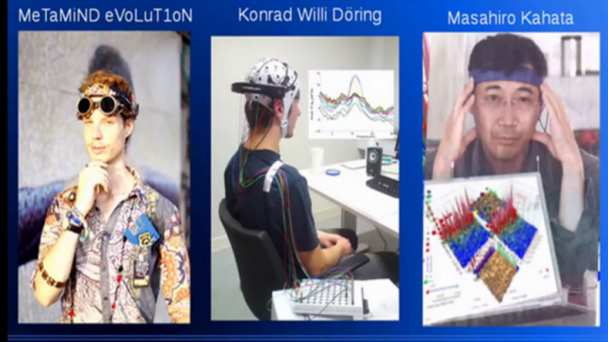
Open-BCI DIY-Neuroscience Maker-Art Mind-Hacking was presented at the Hamburg 31c3 Conference—sponsored for the 31st year by the Chaos Communication Congress. There’s a meta-mind revolution underway. Today’s hackers are independent and innovative programmers and engineers working at the forefront of technology.

Wireless neural headbands and miniturized devices—produced by these contemporary hackers—are sending brainwaves via WIFI and brainwave interacting in Virtual Reality, and everyone can do it!

Video

A video of the presentation introduces the brain-duino OBWI (Open-Brain-Wave-Interface) and discusses pros and cons associated with public awareness of this technology and introduces three personalities associated with Open-BCI DIY-Neuroscience.

https://www.youtube.com/watch?v=i-ZLt79Q-c0

OnAir Post: Mind-Hacking

Skip to toolbar