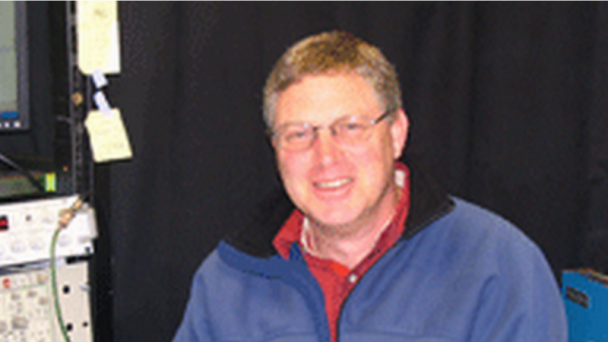
John Maunsell, PhD – Chicago


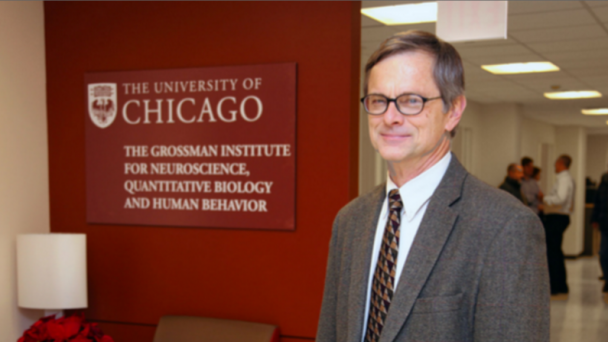
Professor, Department of Neurobiology Director, Grossman Institute for Neuroscience, Quantitative Biology and Human Behavior

Maunsell’s research is aimed at understanding how neuronal signals in visual cerebral cortex generate perceptions and guide behavior. Our approach is to record from individual neurons in trained, behaving monkeys and mice while they perform visual tasks. Another line of research has been exploring the more general question of how the activity of given neurons contributes to specific visual behaviors.

Web Information

Webpage: neurobiology.uchicago.edu/page/john-maunsell Neuroscience at University of Chicago  BRAIN Initiative Grant – “The role of patterned activity in neuronal codes for behavior”

Contact Information

Emailmaunsell@uchicago.edu Phone: (773) 702-3203 Address: The University of Chicago 5812 S Ellis Street, MC0912 Chicago, IL 60637


Biography

Since 2007, Maunsell has served as editor-in-chief of The Journal of Neuroscience, one of the top peer-reviewed journals in its field and primary publication of the Society for Neuroscience, the largest neuroscientist organization in the world. Maunsell brings to the University of Chicago an intimate knowledge of the people, projects and landscape of the international neuroscience research community.

Maunsell’s honors include election to the American Association for the Advancement of Science, American Academy of Arts and Sciences and appointment as a Howard Hughes Medical Institute investigator. Previous to Harvard, he served on the faculty of the ...

OnAir Post: John Maunsell, PhD – Chicago

Steven Schiff

Categories: Penn State Neuroscience, NIH BRAIN Researchers, Neural Engineering, Neuroethics people, Neuromodulation researchers, Mason Neuroscience Alumni

Research interests include neural engineering, neurosurgery, epilepsy, Parkinson's Disease, wave mechanics, brain machine interfaces, EEG, electrical fields, and control theory.

OnAir Post: Steven Schiff

Nathalia Peixoto


Summary

Associate Professor, Electrical and Computer Engineering Department Director, Neural Engineering Lab

Dr. Peixoto’s research interests include implantable electrodes and systems, hybrid systems (cell cultures and electronics), control of assistive technology, bioMEMS (bio-micro-electro-mechanical systems), and experimental models of neuropathologies such as epilepsy and spreading depression.


Information

Department webpagehttps://ece.gmu.edu/people/full-time-faculty/nathalia-peixoto Neural Engineering Lab website:  http://neural.bioengineering.gmu.edu/ Google Scholar

Email: npeixoto@gmu.edu Phone: 703.993.1567 Address: Nguyen Engineering Building Engineering 3912


Biosketch

Professional Preparation

Univ. Campinas, Sao Paulo, Brazil B.S. 1991-1995 Electrical Engineering

Univ. Campinas, Sao Paulo, Brazil M.S. 1996 Biomedical Engineering

Univ. Sao Paulo, Sao Paulo, Brazil Ph.D. 1997-2001

Microelectronics Stanford University, CA Postdoc 2001-2002 Electrical Engineering

George Mason University, Fairfax, VA Postdoc 2003-2006 Neuroscience

Products (in chronological order)

(i) Closely related to the project 1. Peixoto, N., Lima, V.M.F., Hanke, W., Correlation of the electrical and intrinsic optical signals in the spreading depression phenomenon, Neuroscience Letters, 299(1), 89-92, 2001.

2. Minnikanti, S., Skeath, P., Peixoto, N., Electrochemical Characterization of Carbon Nanotube Electrodes for Biological Applications, Carbon, 47, pg 884-893, 2009.

3. Minnikanti S, Pereira MG, Jaraiedi S, Jackson K, Costa-Neto CM, Li Q, Peixoto, N, In vivo electrochemical characterization and inflammatory response of multiwalled carbon nanotubebased electrodes in rat hippocampus. J. Neural Engineering, 2;7(1):016002 (10 pages), 2010.

4. Hamilton F, Berry T, Peixoto N, Sauer T. Real-time tracking of neuronal ...

OnAir Post: Nathalia Peixoto

David Warren, PhD – Utah

Research Assistant Professor, Department of Bioengineering, University of Utah Director, Center for Neural Interfaces

Dr. Warren does research in the fundamental Properties of Micromagnetics for Peripheral and Central Nervous System. He also focuses on stimulation and reliable peripheral interfaces.


Web Information

Department web pagehttps://www.bioen.utah.edu/directory/profile.php?userID=198

Center for Neural Interfaces website: http://www.bioen.utah.edu/cni/index.html

Google Scholar: http://scholar.google.com/citations?user=KvOkV30AAAAJ&hl=en


Contact Information

Email: David.Warren@utah.edu

Phone: 801-585-2697

Address: 20 S. 2030 E., Rm. 506E Salt Lake City, UT 84112-9458


Biosketch

BSEE – Washington State University (1979) MSEE – University of Washington (1982) Ph. D. – Unversity of Utah (2006)

CV Here


Research

Fundamental Properties of Micromagnetics for Peripheral and Central Nervous System Stimulation Reliable Peripheral Interfaces

Center for Neural Interfaces

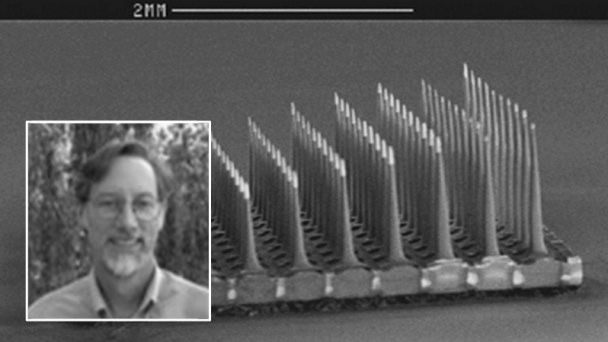
SEM image of the Utah Slanted Electrode Array (USEA). From Lab website.

The Center for Neural Interfaces was founded in 1995 as a Utah State Center of Excellence. The current focus is on the integration of biomedical technology with the physiological aspect of neuroscience and potential clinical applications. Chronically or acutely implantable neural interface devices based on the Utah Electrode Array are tested and used in the nervous system for recording or initiating neural signals, which may assist with sensory or motor functioning. The mission includes:

• Developing multichannel interfaces to ...

OnAir Post: David Warren, PhD – Utah

Jose Luis Contreras-Vidal, PhD – Houston


Professor, Department of Electrical & Computing Engineering, University of Houston Cullen College of Engineering Principal Investigator, Brain-Machine Interface Systems

Dr. Jose Luis Contreras-Vidal’s vision is to innovate neural, prosthetic and rehabilitation engineering by developing non-invasive intuitive bi-directional brain-machine interface systems that harness user’s intent from scalp EEG. We are also uncovering exciting applications in the arts and STEM training in K-12 education, as well as reverse engineering the brain while achieving reverse-translational benefits of co-robots.


Web Information

Department webpagehttp://www.ece.uh.edu/faculty/contreras-vidal

Brain-Machine Interface Systems websitehttp://www2.egr.uh.edu/~nbmis/

University of Houston Neuroscience: http://brain2015.onair.cc/university-of-houston-neuroscience/

LinkedIn: https://www.linkedin.com/pub/jose-l-contreras-vidal-ph-d/19/949/131

Contact Information

Email: jlcontreras-vidal%40uh.edu

Phone: 713-743-4400

Address:Dept. of Electrical & Computer Engineering N308 Engineering Building 1 Houston, Texas 77004-4005Biography


Biosketch

Education:

Engineer’s Degree in Electronics & Communications, Monterrey Institute of Technology (ITESM), Monterrey, Mexico

M.S. in Electrical Engineering, University of Colorado at Boulder, Boulder, CO Ph.D. in Cognitive and Neural Systems, Boston University, Boston, MA Postdoctoral Fellow in Computational Motor Neuroscience, Arizona State University, Tempe, AZ Human Frontiers Science Postdoctoral Fellow, University of Fribourg, Switzerland, Fribourg, Switzerland

Professional Experience:

University of Maryland-College Park; Assistant (1999) and Associate (2005) Professor, 1999-2011

Awards & Honors:

Research and Development Award, School of Public Health, University of Maryland, 2011 President, International Graphonomics Society, 2013-2015 National Science Foundation Review Panel (Ad-hoc) NIH 2011/10 ZRG1 BBBP-V (10) B: Small Business: Biobehavioral and Behavioral Processes across the Lifespan Study ...

OnAir Post: Jose Luis Contreras-Vidal, PhD – Houston

Kit S. Lam, MD/PhD – UC Davis


Professor and Chair, Department of Biochemistry and Molecular Medicine, UC Davis Professor, Hematology and Oncology, UC Davis Director, Kit Lamb Lab

Dr. Lam is an expert in combinatorial chemistry, chemical biology, drug development, molecular imaging, nanotherapeutics and medical oncology. His laboratory is engaged in the development and application of combinatorial library methods for basic research and drug discovery. Lam is also interested in signal transduction, antibiotics development, molecular immunology, chemical microarray, and proteomics.

Web Information

Webpage: ucdmc.ucdavis.edu/publish/facultybio UC Davis Center for Neuroscience BRAIN Initiative Grant – “Genetically encoded reporters of integrated neural activity for functional mapping of neural circuitry”

Contact Information

Emailkit.lam@ucdmc.ucdavis.edu Phone: (916) 734 – 0910 Address: Oak Park Research Center Building Department of Biochemistry and Molecular Medicine 2700 Stockton Blvd., Suite 2102 Sacramento, CA 95817


Biography

Education:

M.D., Stanford University School of Medicine, Palo Alto, California, 1984 Ph.D., University of Wisconsin, Madison, Wisconsin, 1980 B.A., University of Texas, Austin, Texas, 1975

Residency:

University of Arizona, Tucson, Arizona, 1984-87

Fellowships:

University of Arizona, Tucson, Arizona, 1987-89

Board Certifications:

American Board of Internal Medicine, 1987 American Board of Internal Medicine, Medical Oncology, 1989

Professional Memberships:

American Association for Cancer Research American Chemical Society American College of Physicians American Peptide Society Society of Chinese Bioscientists in America

Select Honors and Awards:

Fellow of American College of Physicians, 2008

Award of the Society of Combinatorial Sciences for pioneering contribution to and remarkable scientific accomplishments in combinatorial sciences throughout ...

OnAir Post: Kit S. Lam, MD/PhD – UC Davis

Richard Andersen, PhD – Caltech


James G. Boswell Professor of Neuroscience, California Institute of Technology

Dr. Andersen studies the neurobiological underpinnings of brain processes including the senses of sight, hearing, balance and touch, the neural mechanisms of action, and the development of neural prosthetics. He has trained 60 postdoctoral and doctoral students who now work in academia and industry; 35 currently hold tenure or tenure track faculty positions at major research universities throughout the world. He has published approximately 140 technical articles and edited two books.

Web Information

Department webpagebbe.caltech.edu/content/richard-andersen

Andersen Lab websiteis.caltech.edu/research

Wikipedia entrygoogle.com/webhp?sourceid=chrome-instant&ion=1&espv=2&ie=UTF-8#q=Richard+Andersen+caltech

Caltech Neuroscience: brain2015.onair.cc/neuroscience-caltech/

Contact Information

Email: andersen@vis.caltech.edu

Address: ANDERSEN LAB 1200 E CALIFORNIA BLVD PASADENA CA 91125

Biography

Professor Andersen studies the neurobiological underpinnings of brain processes including the senses of sight, hearing, balance and touch, the neural mechanisms of action, and the development of neural prosthetics. He has trained 60 postdoctoral and doctoral students who now work in academia and industry; 35 currently hold tenure or tenure track faculty positions at major research universities throughout the world. He has published approximately 140 technical articles and edited two books.

Education. Andersen obtained a Ph.D. in Physiology from the University of California, San Francisco with thesis advisor Michael Merzenich, and was a ...

OnAir Post: Richard Andersen, PhD – Caltech

Charles Liu, MD/PhD – USC

Professor of Neurological Surgery and Neurology, Keck School of Medicine Director, USC Neurorestoration Center Surgical Director, USC Comprehensive Epilepsy Program

Dr. Liu also serves as associate chief medical officer and chair of neurosurgery and spine at Rancho Los Amigos National Rehabilitation Medical Center. Dr. Liu has had a long-standing collaboration with scientists at the California Institute of Technology where he is a visiting associate in the Division of Biology and Biological Engineering. His principal research interests relate to developing advanced treatment strategies for restoring function to the damaged nervous system through engineering and technology.

Web Information

Keck Medicine webpage:  keckmedicine.org/doctor/charles-yu-liu/

USC Neurosciencebrain2015.onair.cc/usc-neuroscience-educational-and-research-programs/

Contact Information

Phone: (800-872-2273)

Biography

Dr. Liu completed his undergraduate education in Chemical Engineering at the University of Michigan, Ann Arbor, and went on to receive his PhD in Chemical/Biomedical Engineering at Rice University. He then attended the Yale University School of Medicine, receiving his MD degree. He trained in neurosurgery at the University of Southern California Affiliated Hospitals.

He is presently professor of neurosurgery and neurology and holds the Apuzzo Professorship for Advanced Neurosurgery. He is also Director of the USC Center for Neurorestoration, which functions to bring scientific advances in the laboratory and engineers new ...

OnAir Post: Charles Liu, MD/PhD – USC

Bryan Roth, MD/PhD – UNC

Professor. Department of Pharmacology, University of North Carolina Director, NIMH Psychoactive Drug Screening Program Director, Roth Lab

Roth studies all aspects of GPCR structure and function ranging from the atomic-level analysis of ligand-receptor interactions to in vivo studies. Currently we are focused on members of the serotonin (5-hydroxytryptamine; 5-HT) and opioid receptor families and their accessory proteins. Other goals are to discover and develop novel small molecule probes for in vitro and in vivo validation of molecular targets for therapeutic drug discovery.


Web Information

Webpage: med.unc.edu/pharm/people/primaryfaculty/bryan-roth-1 UNC Neuroscience BRAIN Initiative Grant – ” Dreadd2.0: An Enhanced Chemogenetic Toolkit”

Contact Information

Emailbryan_roth[at]med.unc.edu Phone: 919-966-7535 Address: 4072 Genetic Medicine UNC-CH School of Medicine Chapel Hill, NC 27599-7365

Biography

Carroll College, Helena MT BA 06/77 Biology and Chemistry St. Louis University Medical School, St. Louis, MO MD, PhD 06/83 Medicine and Biochemistry NIMH Lab of Preclinical Pharmacology, Washington, DC Postdoctoral Training 07/83-06/88 Pharmacology Stanford University Medical Center Psychiatry Residency 07/88-06/91 Psychiatry Nancy Pritzer Laboratory, Stanford University Fellowship

Research

Research Interests

GPCR Structure and Function Drug Discovery

Research Synopsis

GPCR structure and function

G-protein coupled receptors (GPCRs) represent one of the most evolutionarily diverse superfamilies of the human genome. My lab studies all aspects of GPCR structure and function ranging from the atomic-level analysis of ligand-receptor interactions to in vivo studies. Currently we are focused on members of the serotonin ...

OnAir Post: Bryan Roth, MD/PhD – UNC

Patrick Kanold, PhD – UMD


Associate Professor of Biology Director, Kanold Lab

Dr. Kanold studies the development and plasticity of the brain, in particular how periods of learning and plasticity are initiated and controlled. His work focuses on the development of the central auditory and visual system in particular on the role of early cortical circuits in brain wiring. He uses advanced neurophysiological, in vivo imaging, optogenetic, molecular and computational techniques.


Web Information

Webpage:  biology.umd.edu/patrick-kanold.html UMD Neuroscience and Cognitive Science  BRAIN Initiative Grant – “Crowd coding in the brain: 3D imaging and control of collective neuronal dynamics”

Contact Information

Emailpkanold@umd.edu Phone: 301.405.5741 Address: 1116 Bioscience Research Building College Park, MD 2074


Biography

Awards

2007 Ralph E Powe Award 2010 Alfred P. Sloan Foundation 2013 NOHR/ARo Burt Evans Award

Education

Dipl. Ing (M.Sc.), Technische Universität Berlin, Germany, 1994 Ph.D., Johns Hopkins University, 2000 PostDoc, Harvard Medical School 2000-2005 Instructor, Harvard Medical School 2005-2006


Research

Dr. Kanold studies the development and plasticity of the brain, in particular how periods of learning and plasticity are initiated and controlled. His work focuses on the development of the central auditory and visual system in particular on the role of early cortical circuits in brain wiring. He uses advanced neurophysiological, in vivo imaging, optogenetic, molecular and computational techniques. His work furthers our understanding of how prenatal and postnatal brain injury ...

OnAir Post: Patrick Kanold, PhD – UMD

Bin He, PhD – University of Minnesota


Professor of Biomedical Engineering; Chair for Engineering in Medicine; Director, Institute for Engineering in Medicine; and Director, Center for Neuroengineering Member of Multi-Council Working Group (NCCAM council)

Bin He’s major research interests are in the field of neuroengineering and biomedical imaging. Together with his co-workers, he has made significant contributions to the development of electrophysiological functional imaging, multimodal imaging, cardiac electric imaging, and neuroengineering.

Web Information

Department Webpage: bme.umn.edu/people/faculty/he

Lab website: Biomedical Functional Imaging and Neuroengineering Lab

Contact Information

Email: binhe@umn.edu

Phone: 612-626-1115

Address: 6-124 Nils Hasselmo Hall 312 Church St. SE Minneapolis, MN 55455

Biomedical Imaging and Neuroengineering

Functional Neuroimaging

Brain activation is a spatio-temporally-distributed process. Recent advances in medical imaging technology, especially functional MRI, have greatly increased our ability to image brain functions with high spatial resolution but with limited temporal resolution. Electrophysiological recordings such as EEG, on the other hand, offer millisecond temporal resolution in detecting and characterizing brain activity. Our approach is to achieve high resolution spatio-temporal functional neuroimaging by solving the “inverse” problem of the brain from scalp recorded EEG with the aid of MR images. Innovation in engineering methods has led to greatly enhanced spatial resolution of brain electrical imaging, which has been applied to aid presurgical planning in epilepsy patients. Furthermore, we are developing multimodal neuroimaging methods ...

OnAir Post: Bin He, PhD – University of Minnesota

Viviana Gradinaru


https://www.youtube.com/watch?v=NJJnmSlTjIgVideo can’t be loaded because JavaScript is disabled: Viviana Gradinaru: 2013 Annual Symposium (https://www.youtube.com/watch?v=NJJnmSlTjIg)

“Neuromodulation and neurodegeneration: Insights from optogenetics.”

Dr. Viviana Gradinaru is Assistant Professor at the Califiornia Institute of Technology (Caltech). She discovered her passion for neuroscience at Caltech, her alma mater, where she was accepted as a transfer student from University of Physics, Romania, with a full scholarship. Dr. Gradinaru did her Ph.D. work with Karl Deisseroth at Stanford University and she played an instrumental role in the early development and applications of optogenetics, a research area concerned with the perturbation of neuronal activity via light-controlled ion channels and pumps.

Published on October 3, 2013  by Allen Institute for Brain Science

OnAir Post: Viviana Gradinaru

Turning off Parkinson’s and depression

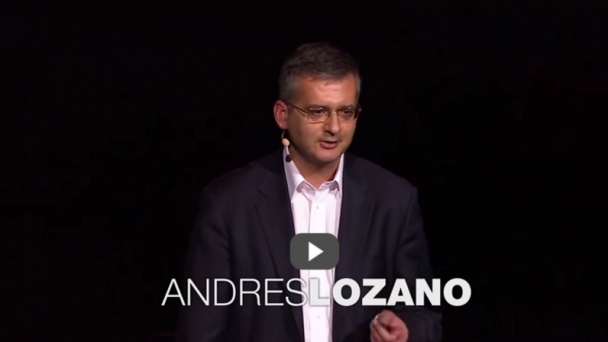
https://www.youtube.com/watch?v=9wiHfHOPbyEVideo can’t be loaded because JavaScript is disabled: Parkinson’s, depression and the switch that might turn them off – Andres Lozano (https://www.youtube.com/watch?v=9wiHfHOPbyE)

Deep brain stimulation is becoming very precise. This technique allows surgeons to place electrodes in almost any area of the brain, and turn them up or down — like a radio dial or thermostat — to correct dysfunction. Andres Lozano offers a dramatic look at emerging techniques, in which a woman with Parkinson’s instantly stops shaking and brain areas eroded by Alzheimer’s are brought back to life.

Filmed January 2013 at TEDs Caltech 2013 Uploaded to YouTube on June 12,, 2013 by TED 

OnAir Post: Turning off Parkinson’s and depression

Serge Picaud, PhD – Vision Institute


Head of the Department of Visual Information Processing Vision Institute, Pierre and Marie Curie University

The goal of Serge Picaud’s three-dimensional holography research is to enable Neuroscientists to manipulate neural circuits in order to discover how patterns of activity relate to sensation, perception and cognition. This capability is essential for discovering how communication between neurons gives rise to healthy brain function. These insights will improve our ability to identify effective targets and methods for treating neurological diseases and disorders.


Web Information

Webpage: institut-vision.org/-picaud Brain Initiative Grant

Contact Information

Email: serge.picaud@inserm.fr Phone: 33 1 53 46 25 92 Address: The Vision Institute 17 rue Moreau 75012 Paris – France


Biography

1987-1988 Max-Planck Institut of Brain Research, (Germany,) Pr H. Wässle, 1990 PhD Marseille University, Postdoc, 1991-1995 University of Berkeley (USA) Pr. F. Werblin. 1995-2002 INSERM-ULP Strasbourg (France) Dr Dreyfus – Pr Sahel 2002 – now INSERM-UPMC Paris (France) Pr Sahel

Research

Our team investigates cellular mechanisms in retinal information processing to take advantage of this knowledge to design therapeutic or rehabilitating strategies. This project has first focused on the photoreceptor synapse with a specific emphasis on its inhibitory feedbacks. We thus demonstrated the presence of GABA and glycine receptors in mammalian cone photoreceptors.

In parallel, we examined the pathological role of GABA when discovering the origin for the toxicity of an anti-epileptic drug inhibiting the GABA-transminase ...

OnAir Post: Serge Picaud, PhD – Vision Institute

Albert Baldwin Goodell – Gray Matter Research


Principal Investigator: Gray Matter Research

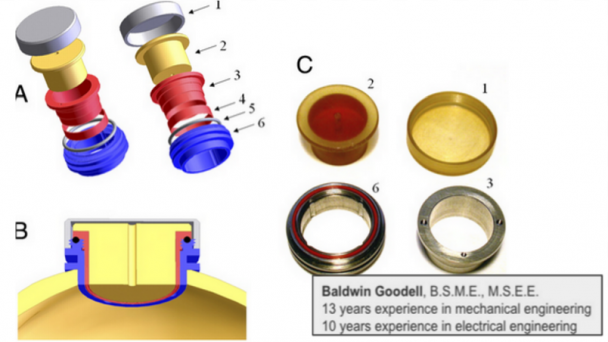
Goodell and his company Gray Matter Research focuses on Microdrive Systems and Recording Chamber Systems. For the BRAIN Initiative, Goodell and his colleagues aim to develop optrodes, which are implantable columns of lights and wires for simultaneous electrical recording of neurons and delivery of light flashes to multiple brain areas.

Web Information

Brain Initiative Grant

Contact Information

Emailbaldwin@graymatter-research.com Phone: (406) 672-1915 Address: Gray Matter Research 920 Technology Blvd. Suite 106 Bozeman, MT 59718

OnAir Post: Albert Baldwin Goodell – Gray Matter Research

Lihong Wang, PhD – Washington U


Professor of Biomedical Engineering, Washington University Director, Optical Imaging Laboratory

His lab reported the first functional photoacoustic tomography, 3D photoacoustic microscopy (PAM), optical-resolution PAM, photoacoustic Doppler effect, photoacoustic reporter gene imaging, microwave-induced thermoacoustic tomography, the universal photoacoustic reconstruction algorithm, frequency-swept ultrasound-modulated optical tomography, time-reversed ultrasonically encoded (TRUE) optical focusing, sonoluminescence tomography, Mueller-matrix optical coherence tomography, and optical coherence computed tomography.

Web Information

Webpage: bme.wustl.edu/people/Pages/faculty-bio.aspx?faculty=19 Washington University Neuroscience Program BRAIN Initiative Grant – “Fast High-Resolution Deep Photoacoustic Tomography of Action Potentials in Brains”

Contact Information

Email: lhwang@biomed.wustl.edu Phone: (314) 935-6152 Address: One Brookings Drive Campus Box 1097 Whitaker Hall, Room 190D St. Louis, MO 63130


Biography

Lihong Wang earned his Ph.D. degree at Rice University, Houston, Texas under the tutelage of Robert Curl, Richard Smalley, and Frank Tittel and currently holds the Gene K. Beare Distinguished Professorship of Biomedical Engineering at Washington University in St. Louis.

His book entitled “Biomedical Optics: Principles and Imaging,” one of the first textbooks in the field, won the Joseph W. Goodman Book Writing Award. He also coauthored a book on polarization and edited the first book on photoacoustic tomography. Professor Wang has published more than 420 peer-reviewed articles in journals including Nature (Cover story), Science, PNAS, and PRL with an h-index of 93 (Google Scholar) and delivered over ...

OnAir Post: Lihong Wang, PhD – Washington U

Euisik Yoon, PhD – Michigan


Professor oElectrical Engineering and Computer Science and Biomedical Engineering, University of Michigan Principal Investigator, Yoon Lab

Yoon’s research group realizes self-contained microsystems that combine and process natural signals (such as bio, chemical, optical and thermal signals) as well as electrical signals on a single chip platform by integrating new MEMS/nano structures with low-power, wireless VLSI circuits and systems.

Web Information

Electrical Engineering and Computer Science webpage: web.eecs.umich.edu/~esyoon/ Biomedical Engineering webpage:  bme.umich.edu/people/index.php?un=esyoon University of Michigan Neuroscience  BRAIN Initiative Grant – ” Modular High-Density Optoelectrodes for Local Circuit Analysis”

Contact Information

Email: esyoon@umich.edu Phone: (734) 615-4469 Address: 2400 EECS Bldg., 301 Beal Avenue Ann Arbor, MI 48109-2122


Biography

Euisik Yoon received the B.S. and M.S. degrees in electronics engineering from Seoul National University in 1982 and 1984, respectively, and the Ph.D. degree in electrical engineering from the University of Michigan, Ann Arbor, in 1990.

From 1990 to 1994 he worked for the Fairchild Research Center of the National Semiconductor Corp. in Santa Clara, CA, where he engaged in researching deep submicron CMOS integration and advanced gate dielectrics. From 1994 to 1996 he was a Member of the Technical Staff at Silicon Graphics Inc. in Mountain View, CA, where he worked on the design of the MIPS microprocessor R4300i and the RCP 3-D graphic coprocessor. He took ...

OnAir Post: Euisik Yoon, PhD – Michigan

Sarah Stanley, PhD – Rockefeller

Senior Research Associate , Rockefeller University and Laboratory of Molecular Genetics 

The technology Stanley is developing would enable researchers to manipulate the activity of neurons, as well as other cell types, in freely moving animals in order to better understand what these cells do. Staley’s new nanoparticle-based technique has a unique combination of features that may enable new types of experimentation.


Web Information

Webpage: rockefeller.edu/research/faculty/labmembers/JeffreyFriedman/ Brain Initiative Grant

Contact Information

Email: Sarah.Stanley@rockefeller.edu AddressAddress: The Rockefeller University 1230 York Avenue New York, NY 10065 (212) 327-8000

BRAIN Initiative Press Release

Rockefeller neurobiology lab is awarded first-round BRAIN initiative grant

Rockfeller Newswire 10/7/14

A proposal to develop a new way to remotely control brain cells from Sarah Stanley, a Research Associate in Rockefeller University’s Laboratory of Molecular Genetics, headed by Jeffrey M. Friedman, is among the first to receive funding from U.S. President Barack Obama’s BRAIN initiative. The project will make use of a technique called radiogenetics that combines the use of radio waves or magnetic fields with nanoparticles to turn neurons on or off.

The NIH is one of four federal agencies involved in the BRAIN (Brain Research through Advancing Innovative Neurotechnologies) initiative. Following in the ambitious footsteps of the Human Genome Project, the BRAIN initiative seeks to create a dynamic map of ...

OnAir Post: Sarah Stanley, PhD – Rockefeller

John L. R. Rubenstein, MD/PhD – UCSF


Professor of Psychiatry and Child Psychiatry, UC San Francisco Director,Rubenstein Lab

Rubenstein’s research focuses on the regulatory genes that orchestrate development of the forebrain. His lab has demonstrated the role of specific genes in regulating neuronal specification, differentiation, migration and axon growth during embryonic development and on through adult life. His work may help to explain some of the mechanisms underlying human neurodevelopmental disorders such as autism.


Web Information

Webpage: physio.ucsf.edu/rubenstein/members/bios/jrubenstein.asp UCSF Neuroscience  BRAIN Initiative Grant – “Identification of enhancers whose activity defines cortical interneuron types”

Contact Information

Email: john.rubenstein@ucsf.edu Phone: 415-476-7862 Address: John L.R. Rubenstein, M.D., Ph.D. Genetics, Development and Behavioral Sciences Building 1550 4th Street, 2nd Floor South, Room GD 284C University of California at San Francisco San Francisco, CA 94143-2611:

Biography

M.D. Stanford University, 1983 PhD. Stanford University, 1982 Pasteur Institute, Postdoctoral Fellowship in Developmental Biology Stanford University, Residency in Adult Psychiatry Stanford University, Residency in Child Psychiatry

John L. R. Rubenstein, M.D., Ph.D. is the Nina Ireland Distinguished Professor in Child Psychiatry at UCSF. Dr. Rubenstein graduated in Chemistry from Stanford University, completed doctoral training in Biophysics at Stanford University, and postdoctoral research training in Developmental Biology at the Pasteur Institute and Stanford. Following graduation from Stanford School of Medicine, he completed his residency in Adult and Child Psychiatry at Stanford. In 1991 he joined the faculty at UCSF. Dr. Rubenstein is ...

OnAir Post: John L. R. Rubenstein, MD/PhD – UCSF

X. William Yang, MD/PhD – UCLA


Professor, Psychiatry and Biobehavioral Sciences, UC Los Angeles Director, X. William Yang Research Group

Yang is interested in using the mouse molecular genetic approach to study the pathogenesis of neurodegenerative diseases. One recurring theme in neurodegenerative diseases is that a widely expressed mutant protein can cause highly selective degeneration of a subset of neurons. The pathogenesis of such selective neurodegeneration remains unclear. Currently, we are focusing on Huntington’s disease (HD) to study the molecular and cellular mechanisms underlying the disease.

Web Information

Webpage: bioscience.ucla.edu/faculty/x-william-yang UCLA Neuroscience BRAIN Initiative Grant– “Novel Genetic Strategy for Sparse Labeling and Manipulation of Mammalian Neurons”

Contact Information

Email: xwyang@mednet.ucla.edu Phone: 310-267-2761 Address: 695 Charles Young Drive, #3309 Los Angeles, CA 90095 695 Charles Young Drive, Gonda 3506B Los Angeles, CA 90095

Biography

Dr. X. William Yang is a professor in the Department of Psychiatry & Biobehavioral Sciences at David Geffen School of Medicine at UCLA. He is also a member of the Center for Neurobehavioral Genetics at Semel Institute for Neuroscience & Human Behaviors, and a member of the Brain Research Institute at UCLA. He has served as a regular member at the NIH’s Cell Death in Neurodegeneration (CDIN) Study Section, a Scientific Advisory Board member of the Hereditary Disease Foundation, and a faculty member for Faculty 1000 Medicine?s Neurogenetics ...

OnAir Post: X. William Yang, MD/PhD – UCLA

Richard Kramer, PhD – Berkeley


Associate Professor of Neurobiology, UC Berkeley Director, Kramer Lab

Kramer uses a combination of optical, electrophysiological, and molecular methods to study ion channels, the proteins that generate electrical signals, and synaptic transmission, the process that allows a neuron to communicate chemically with other cells. Many of our most recent studies utilize novel chemical reagents, designed to manipulate or monitor the function of ion channels and synapses. Current Project: Optical studies of synaptic transmission in the retina.

Web Information

Webpage: vision.berkeley.edu/?p=415 UC Berkeley Helen Wills Neuroscience Institute Brain Initiative Grant

Contact Information

Email: rhkramer@berkeley.edu Phone: (510) 643-2406 Address: University of California Department of Molecular and Cell Biology 121 Life Sciences Addition Berkeley, CA 94720-3200


Research

Measuring and controlling neural activity in the retina

Neurons in the retina communicate using electrical and chemical signals. We use a combination of optical, electrophysiological, and molecular methods to study ion channels, the proteins that generate electrical signals, and synaptic transmission, the process that allows a neuron to communicate chemically with other cells. Many of our most recent studies utilize novel chemical reagents, designed to manipulate or monitor the function of ion channels and synapses.

Current Projects

Optical studies of synaptic transmission in the retina Rod and cone photoreceptors transmit information to other neurons through specialized structures called ribbon synapses. Insights into how these synapses ...

OnAir Post: Richard Kramer, PhD – Berkeley

Loren M Frank, PhD – UCSF


Core Faculty, Program in Biological Sciences, UCSF Physiology Department Director:  Frank Laboratory

Frank’s research interests center around learning and spatial coding in the hippocampal-cortical circuit. Frank is interested in understanding the neural correlates of learning and memory. In particular, his laboratory focuses on the circuitry of the hippocampus and adjacent regions. His goal is to examine the relationships among neural firing patterns, behavior, and anatomy to understand how the brain uses and stores information.


Web Information

Webpage: keck.ucsf.edu/physio/people/frankl.html#research UCSF Neuroscience  Brain Initiative Grant

Contact Information

Email: loren@phy.ucsf.edu Phone: 415-502-6317 Address: UCSF 513 Parnassus Box 0444 San Francisco, CA 94143-0444


Research

The ability to use experience to guide behavior (to learn) is one of the central functions of the brain. We are interested in understanding the neural correlates of learning and memory. In particular, our laboratory focuses on the circuitry of the hippocampus and adjacent regions. Our goal is to examine the relationships among neural firing patterns, behavior, and anatomy to understand how the brain uses and stores information. Ultimately we should be able to generate accurate computational models of learning to both test hypotheses concerning hippocampal-cortical interactions and to generate new predictions that can be tested experimentally.

Anatomical organization

The hippocampal formation has a unique anatomical organization in that the connectivity between adjacent hippocampal regions is ...

OnAir Post: Loren M Frank, PhD – UCSF

John Yu-Luen Lin, PhD – UCSD


Research Scientist, Tsien Lab, UC San Diego

Lin’s current research interests include developing new molecular techniques to map activities of neurons, manipulating the strength of communication between neurons and disrupting intracellular signaling. These new techniques can be used to understand how neurons encode and store information, with potential implications for ameliorating Alzheimer’s disease, addiction, traumatic brain injury, and neurodegeneration.


Web Information

Webpage: tsienlab.ucsd.edu/HTML/People/John%20Lin/John.html UCSD Neuroscience Brain Initiative Grant

Contact Information

Email: j8lin@ucsd.edu Address: HHMI – UCSD 9500 Gilman Dr George Palade 310 La Jolla, CA 92093-0647


Biography

2000-2005            Doctor of Philosophy in Physiology, University of Auckland, Auckland, New Zealand

1996-1999            Bachelor of Technology (First class honours), University of Auckland, Auckland, New Zealand

Research

Current research interests include developing methods to manipulate and monitor the activities of neurons and studying single-molecule photophysical properties of fluorescent proteins

Publications

Lin J.Y., Lin M.Z., Steinbach P. and Tsien R.Y. Characterization of engineered channelrhodopsin variants with improved properties and kinetics. (2009) Biophysical Journal. (In Press)

Sheng G., Chang G.Q., Lin J.Y., Yu Z.X., Fang Z.H., Rong J., Lipton S.A., Li S.H., Tong G., Leibowitz S.F., Li X.J. (2006)Hypothalamic huntingtin-associated protein 1 as a mediator of feeding behavior. Nature Medicine 12, 526-533

Lin J.Y., Chung K.K.H., de Castro D., Funk G.D. & Lipski J. ...

OnAir Post: John Yu-Luen Lin, PhD – UCSD

Changhuei Yang, PhD – Caltech


Professor of Electrical Engineering, Bioengineering and Medical Engineering, Caltech Director, Biophotonics Lab

Professor Yang’s research efforts are in the areas of novel microscopy development and time-reversal based optical focusing. Prof. Yang’s group is developing a number of technologies aimed at transforming the conventional microscope into high throughput, automated and cost-effective formats. Prof. Yang’s group is working on the use of ‘time-reversal’ techniques to undo the effect of tissue light scattering.

Web Information

Webpage:   biophot.caltech.edu/people/yang Caltech Neuroscience BRAIN Initiative Grant – Time-Reversal Optical Focusing for Noninvasive Optogenetics

Contact Information

Email:  chyang@caltech.edu Phone: (626) 395-8922 Address: Moore Laboratory MC 136-93, 262 Moore


Biography

PhD, EECS, MIT, 2002 BSc, Mathematics, MIT, 2002 MEng, EECS, MIT, 1997 BSc, Physics, MIT, 1997 BSc, EECS, MIT, 1997

Research

Professor Yang’s research efforts are in the areas of novel microscopy development and time-reversal based optical focusing. Prof. Yang joined the California Institute of Technology in 2003. He is a professor in the areas of Electrical Engineering, Bioengineering and Medical Engineering. He has received the NSF Career Award, the Coulter Foundation Early Career Phase I and II Awards, and the NIH Director’s New Innovator Award. In 2008 he was named one of Discover Magazine’s ‘20 Best Brains Under 40’. He is a Coulter Fellow, an AIMBE Fellow and an OSA Fellow.

His research efforts can be categorized ...

OnAir Post: Changhuei Yang, PhD – Caltech

Oliver Hobert, PhD – Columbia


Professor Biochemistry & Molecular Biophysics, Columbia Neuroscience HHMI Investigator Director, Hobert Lab

Oliver Hobert studies molecular mechanisms that control the generation of the enormous diversity of cell types in the nervous system. Using Caenorhabditis elegans as a model system, his laboratory decodes genomic cis-regulatory information of gene batteries expressed in specific neuronal cell types and identifies trans-acting factors that act at various stages of neuronal development to impose specific terminal differentiation programs onto individual neuron types.

Web Information

Webpage:   columbia.edu/cu/biology/faculty-data/oliver-hobert/faculty HHMI profile: hhmi.org/research/how-build-nervous-system Brain Initiative Grant

Contact Information

Emailor38@columbia.edu Phone: (212) 305-0065 Address: 701 W. 168th St. HHSC 724 New York, NY 10032

Research

From HHMI page (see webpage above for videos)

How to Build a Nervous System

Oliver Hobert studies molecular mechanisms that control the generation of the enormous diversity of cell types in the nervous system. Using Caenorhabditis elegans as a model system, his laboratory decodes genomic cis-regulatory information of gene batteries expressed in specific neuronal cell types and identifies trans-acting factors that act at various stages of neuronal development to impose specific terminal differentiation programs onto individual neuron types.

The main focus of my laboratory is to understand the gene regulatory control mechanisms that generate the astounding diversity of cell types in the nervous system. We study this problem by ...

OnAir Post: Oliver Hobert, PhD – Columbia

Eric Betzig, PhD – Janelia

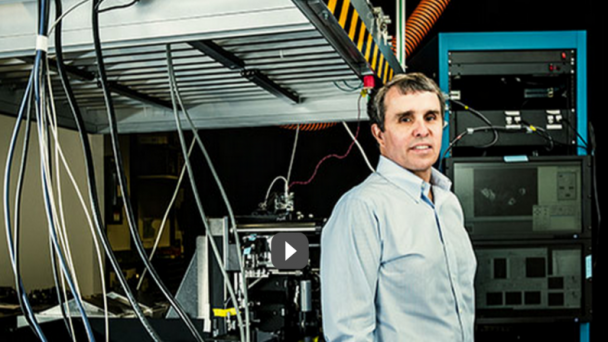
Physicist and neuroscientist based at the Janelia Research Campus. Awarded the 2014 Nobel Prize in Chemistry  for “the development of super-resolved fluorescence microscopy”.

Eric Betzig develops novel optical imaging tools in an effort to open new windows into molecular, cellular, and neurobiology. Betzig is focusing on improvements in five areas: Spatial Resolution, Temporal Resolution, Labeling Technology, Deep-Tissue Imaging, and Noninvasive, Data-Rich Imaging.


Web Information

Janelia website:  janelia.org/people/scientist/eric-betzig Betzig Lab:  www.janelia.org/lab/betzig-lab Janelia Research Campus: neuroscience.onair.cc/2015/02/19/janelia-farm/

Contact Information

E-mail: betzige@janelia.hhmi.org Phone:  (571) 209-4143 Work address: Janelia Research Campus, HHMI 19700 Helix Dr., 2C.185 Ashburn, VA 20147

Biography

Betzig was born in Ann Arbor, Michigan, the son of Robert and Helen Betzig. For his undergraduate degree, Betzig studiedPhysics at the California Institute of Technology, graduating with a BS degree in 1983. He then went on to study at Cornell University where he obtained an MS degree and a PhD degree in Applied and Engineering physics in 1985 and 1988, respectively.

After receiving his doctorate, Betzig worked at AT&T Bell Laboratories in the Semiconductor Physics Research Department. In 1996, Betzig left academia to become vice president of research and development at Ann Arbor Machine Company, then owned by his father and stepmother, Susan. Here he developed Flexible Adaptive Servohydraulic Technology (FAST) but did not achieve commercial success.

Betzig then returned to the field ...

OnAir Post: Eric Betzig, PhD – Janelia

Alan Jasanoff, PhD – MIT


Associate Professor of Biological Engineering with appointments in Brain and Cognitive Sciences and Nuclear Science and Engineering, MIT Neuroscience Associate member of the McGovern Institute Principal Investigator, Jasanoff Lab

Functional magnetic resonance imaging (fMRI) has revolutionized our understanding of the human brain, but the method is now approaching the limit of its capabilities. Alan Jasanoff hopes to break through this limit and to develop new technologies for imaging the molecular and cellular phenomena that underlie brain function.

Web Information

McGovern Webpage: mcgovern.mit.edu/principal-investigators/alan-jasanoff

Lab page:  mit.edu/~jasanofflab/

Department of Brain and Cognitive Sciences page: bcs.mit.edu/people/jasanoff.html

MIT Neuroscience: neuroscience.onair.cc/mit-neuroscience/

Contact Information

Email: jasanoff@mit.edu

Phone:617-452-2538 

Address: MIT Rm. 16-561 | 77 Massachusetts Avenue | Cambridge, MA 02139


Biography

Alan Jasanoff is an associate member of the McGovern Institute and Associate Professor of Biological Engineering, with appointments in Brain and Cognitive Sciences and Nuclear Science and Engineering.  He was awarded tenure in 2011. Prior to joining the MIT faculty, he was a Whitehead Fellow at the Whitehead Institute for Biomedical Research at MIT. He was named a Raymond and Beverly Sackler Foundation Scholar in 2004 and received the McKnight Technological Innovations in Neuroscience Award in 2006. Jasanoff was also a 2007 recipient of the Director’s New Innovator Award from the National Institutes of Health.


Research

Pushing the frontiers of ...

OnAir Post: Alan Jasanoff, PhD – MIT

Robert Desimone, PhD – MIT


Doris and Don Berkey Professor of Neuroscience, Department of Brain and Cognitive Sciences, Massachusetts Institute of Technology Director, McGovern Institute for Brain Research and Desimone Lab

Robert Desimone studies the brain mechanisms that allow us to focus our attention on a specific task while filtering out irrelevant distractions. Our brains are constantly bombarded with sensory information. The ability to distinguish relevant information from irrelevant distractions is a critical skill, one that is impaired in many brain disorders.


Web Information

McGovern Webpage: mcgovern.mit.edu/principal-investigators

Lab page:  desimonelab.org/robert-desimone/

Department of Brain and Cognitive Sciences page: bcs.mit.edu/people/desimone

MIT Neuroscience: brain2015.onair.cc/mit-neuroscience/

Contact Information

E-mail: desimone@mit.edu

Phone:  617-324-2077

Address: MIT Bldg 46-3160 | 43 Vassar Street | Cambridge, MA 02139

Biography

Robert Desimone is Director of the McGovern Institute and Professor in the Brain and Cognitive Sciences Department. Prior to coming to MIT, he was Director of the NIMH Intramural Research Program, the largest mental health research center in the world. Desimone received his B.A. from Macalester College and his Ph.D. from Princeton University . He is a member of the National Academy of Sciences and the American Academy of Arts of Sciences, and a recipient of numerous awards, including the Troland Prize of the National Academy of Sciences, and the Golden Brain Award of ...

OnAir Post: Robert Desimone, PhD – MIT

Ed Boyden, PhD – MIT


Associate Professor and AT&T Chair, MIT Media Lab and McGovern Institute, Departments of Biological Engineering and Brain and Cognitive Sciences Co-Director, MIT Center for Neurobiological Engineering Principal Investigator, Synthetic Biology Group

Ed Boyden develops new strategies for analyzing and engineering brain circuits to develop broadly applicable methodologies that reveal fundamental mechanisms of complex brain processes. A major goal of his current work is the development of technologies for controlling nerve cells using light.


Web Information

Personal Website: edboyden.org/

McGovern Institute for Brain Research page: mcgovern.mit.edu/principal-investigators/ed-boyden

Lab Page: syntheticneurobiology.org/

Twitter: twitter.com/eboyden3

Wikipedia pageen.wikipedia.org/wiki/Edward_Boyden

Contact Information

E-mail: esb@media.mit.edu

Phone: (617) 324-3085

Address:  Room E15-421 |20 Ames St. | Cambridge, MA 02139

Biography

From Lab Page

Ed Boyden is Associate Professor of Biological Engineering and Brain and Cognitive Sciences, at the MIT Media Lab and the MIT McGovern Institute. He leads the Synthetic Neurobiology Group, which develops tools for analyzing and engineering the circuits of the brain. These technologies, created often in interdisciplinary collaborations, include ‘optogenetic’ tools, which enable the activation and silencing of neural circuit elements with light, 3-D microfabricated neural interfaces that enable control and readout of neural activity, and robotic methods for automatically recording intracellular neural activity and performing single-cell analyses in the living brain. He has launched an ...

OnAir Post: Ed Boyden, PhD – MIT

Skip to toolbar