Advisory Committee to the NIH Director

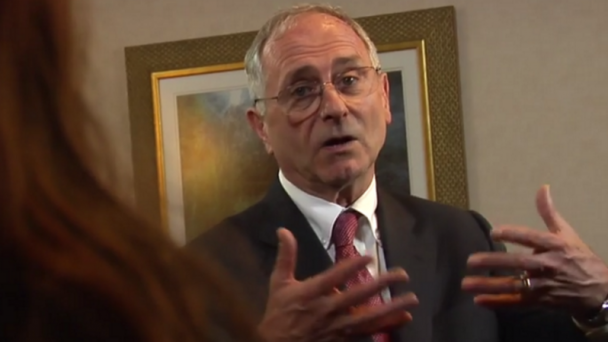
The working group, co-chaired by Dr. Cornelia “Cori” Bargmann and Dr. William Newsome, incorporated broad input from the scientific community, patient advocates, and the public.

Their report, released in June 2014 and enthusiastically endorsed by the ACD, articulated the scientific goals of the BRAIN Initiative and developed a multi-year scientific plan for achieving these goals, including timetables, milestones, and cost estimates.

OnAir Post: Advisory Committee to the NIH Director

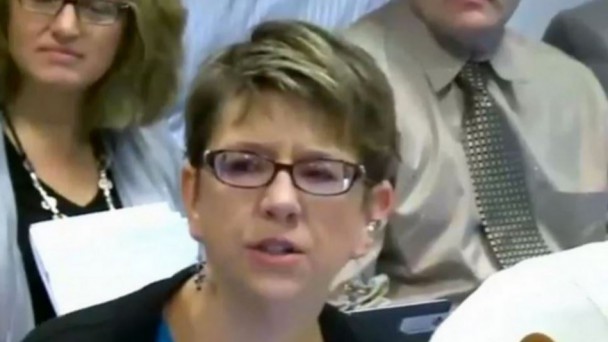
Amber Story, PhD – NSF

Acting Division Director of the Division of Behavioral & Cognitive Sciences, National Science Foundation Co-Chair Interagency Working Group on Neuroscience Former Ex Officio Member of Multi-Council Working Group 

The Division of Behavioral & Cognitive Sciences  supports research in psychology, anthropology, linguistics, geography, and related fields. Dr. Story received her Ph.D. in social psychology from Cornell University and held several academic positions before joining NSF.

Web Information

Division of Behavioral & Cognitive Sciences Webpage: nsf.gov/div/index.jsp?div=bcs

Contact Information

Email: astory@nsf.gov

Phone: (703) 292-7249

Address: National Science Foundation 995 N – 4201 Wilson Boulevard Arlington, Virginia 22230


Biosketch

After serving for six years as director of the social psychology program at the National Science Foundation, Amber Story became Deputy Director of NSF’s Division of Behavioral and Cognitive Sciences (BCS) in October, 2009. BCS supports research in psychology, anthropology, linguistics, geography, and related fields. Dr. Story received her Ph.D. in social psychology from Cornell University and held several academic positions before joining NSF.

Download (PDF, 392KB)

APA Interview

July 7, 2010 by  Heather O’Beirne Kelly and Howard Kurtzman

APA: Welcome. To start, what’s new at NSF? 

Dr. Story: For one thing, we have a new head of the Directorate for Social, Behavioral, and Economic Sciences (SBE), which includes the BCS Division. That’s Myron Guttman, who came to NSF from the University of ...

OnAir Post: Amber Story, PhD – NSF

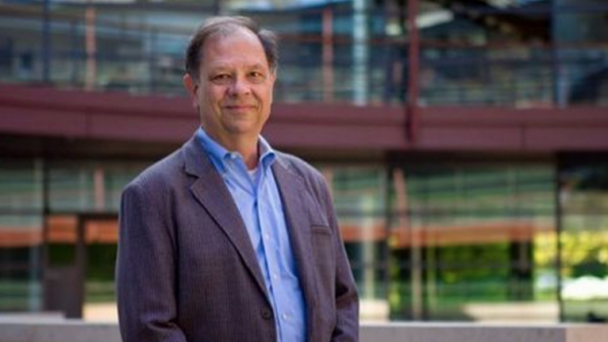
William Newsome, PhD – Stanford


Director of the Stanford Neurosciences Institute and Professor of Neurobiology HHMI scientist Co-Chair, Advisory Committee to the NIH Director

Dr. Newsome’s research focuses on the neural mechanisms underlying visually based decision making and related issues in cognitive neuroscience. He seeks to understand how higher mammals acquire sensory information about the world, how that information is processed within the brain, and how behavioral responses to that information are organized.

Web Information

Stanford Webpage: med.stanford.edu/profiles/william-newsome

Lab Webpage: monkeybiz.stanford.edu/

HHMI Webpage: hhmi.org/scientists/william-t-newsome

Contact Information

Email: bnewsome@stanford.edu

Phone: (650) 725-5814

Address: Stanford School of Medicine 291 Campus Drive Li Ka Shing Building Stanford, CA 94305-5101

Research Interests

From lab page

The long-term goal of our research is to understand the neuronal processes that mediate visual perception and visually guided behavior. To this end we are conducting parallel behavioral and physiological experiments in animals that are trained to perform selected perceptual or eye movement tasks. By recording the activity of cortical neurons during performance of such tasks, we gain initial insights into the relationship of neuronal activity to the animal’s behavioral capacities. Hypotheses concerning this relationship are tested by modifying neural activity within local cortical circuits to determine whether behavior is effected in a predictable manner. Computer modelling techniques are then used to develop more refined hypotheses concerning the relationship of ...

OnAir Post: William Newsome, PhD – Stanford

Cori Bargmann, PhD – Rockefeller


Torsten N. Wiesel Professor at Rockefeller University and head of the Lulu and Anthony Wang Laboratory of Neural Circuits and Behavior Co-chair of the Advisory Committee to the NIH Director (ACD) and At large member of the Multi-Council Working Group (WCWG) for the BRAIN Initiative

Cori Bargmann was awarded the Kavli Prizein 2012  and the Breakthrough Prize in Life Sciences in 2013.  Cori is known for her work on the behavior in the C. elegans, particularly olfaction in the worm.

Web Information

Rockfeller website:  rockefeller.edu/research/faculty/labheads/CoriBargmann/

HHMI pages: .hhmi.org/scientists/cornelia-i-bargmann

Laboratory of Neural Circuits and Behaviorlab.rockefeller.edu/bargmann/

Wikipedia Entry: en.wikipedia.org/wiki/Cornelia_Bargmann

Contact Information

E-mail: Cori.Bargmann@rockefeller.edu Office Phone: (212) 327-7242 Lab Phone: (212) 327-7411 Address: The Rockefeller University 1230 York Avenue New York, NY 10065


Biography

From the Kavli prize page

Cornelia Isabella Bargmann was born in 1961 in Virginia and raised in Athens, Georgia, where she attended the University of Georgia. She then went north to study cancer-signalling genes and cloned the oncogene HER2, a key factor in breast cancer, in the laboratory of Robert Weinberg at the Whitehead Institute, Massachusetts Institute of Technology.

After receiving her Ph.D. in 1987, Professor Bargmann transferred to the laboratory of H. Robert Horvitz, at MIT, where she became acquainted with the tiny worm C. elegans. Professor Horvitz had already made major contributions to understanding neural ...

OnAir Post: Cori Bargmann, PhD – Rockefeller

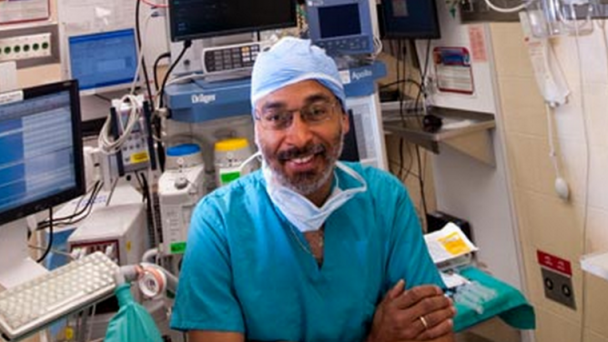
Emery Brown, MD, PhD – MIT

Professor of Computational Neuroscience and Health Sciences and Technology, Department of Brain and Cognitive Sciences, MIT-Harvard Division of Health Sciences and Technology At large member of the Multi-Council Working Group

Brown’s lab is using a systems neuroscience approach to study how the state of general anesthesia is induced and maintained. To do so, the lab is using fMRI, EEG, neurophysiological recordings, microdialysis methods and mathematical modeling.

Web Information

MIT Webpage:  bcs.mit.edu/people/brown

Lab page: Neuroscience Statistics Research Lab

Contact Information

Email: enb@neurostat.mit.edu

Address: Building: 46-6079

Research

From MIT webpage

Neural Signal Processing Algorithms

Recent technological and experimental advances in the capabilities to record signals from neural systems have led to an unprecedented increase in the types and volume of data collected in neuroscience experiments and hence, in the need for appropriate techniques to analyze them. Therefore, using combinations of likelihood, Bayesian, state-space, time-series and point process approaches, a primary focus of the research in my laboratory is the development of statistical methods and signal-processing algorithms for neuroscience data analysis.

We have used our methods to:

characterize how hippocampal neurons represent spatial information in their ensemble firing patterns. analyze formation of spatial receptive fields in the hippocampus during learning of novel environments. relate changes in hippocampal neural activity to changes in performance during procedural learning. improve signal extraction from ...

OnAir Post: Emery Brown, MD, PhD – MIT

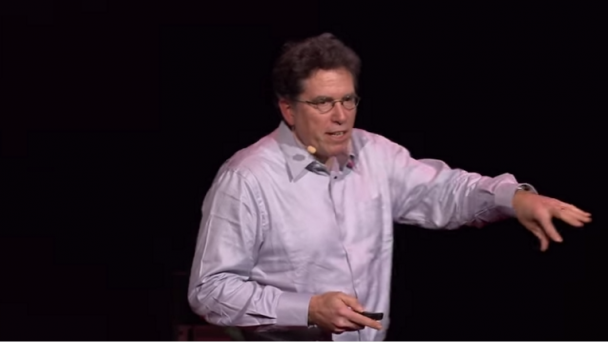
David Anderson, PhD – Caltech


Seymour Benzer Professor of Biology Investigator, Howard Hughes Medical Institute Member of the Advisory Committee to the NIH Director

Dr. Anderson’s lab focus is on understanding how emotional behavior is encoded in the brain, at the level of specific neuronal circuits, and the specific neuronal subtypes that comprise them. The lab seeks to understand the structure and dynamic properties of these circuits and how they give rise to the outward behavioral expressions of emotions such as fear, anxiety or anger.

Web Information

Caltech Webpage:  davidandersonlab.caltech.edu/davidanderson

Lab Webpage:   davidandersonlab.caltech.edu/

HHMI Webpage: hhmi.org/scientists/david-j-anderson

Contact Information

Address: The David Anderson Research Group 156-29 1200 E. California Blvd. Pasadena, Ca. 91125

Research Summary

Neural Circuits for Innate Emotional Behaviors

Research in this laboratory is aimed at understanding the neurobiology of emotion. We seek to elucidate how fundamental properties common to emotional states, such as arousal, are encoded in the circuitry and chemistry of the brain and how these internal states combine with sensory stimuli to elicit specific emotional behaviors, such as fear or aggression. Our work employs molecular genetic tools to mark, map, and manipulate specific circuits to determine how identifiable populations of neurons contribute in a causal manner to behavior. These studies are complemented by the use of electrophysiology and functional imaging to measure activity ...

OnAir Post: David Anderson, PhD – Caltech

Karl Deisseroth, MD, PhD – Stanford

D.H. Chen Professor of Bioengineering and of Psychiatry and Behavioral Sciences,Stanford University Howard Hughes Medical Institute Investigator Member of the Advisory Committee to the NIH Director

Deisseroth focuses on developing molecular and cellular tools to observe, perturb, and re-engineer brain circuits. His lab employs a range of techniques including neural stem cell and tissue engineering methods, electrophysiology, molecular biology, neural activity imaging, animal behavior, and computational neural network modeling. As a clinician in the psychiatry department, Dr. Deisseroth employs novel electromagnetic brain stimulation techniques.

Web Information

School of Medicine Webpage: med.stanford.edu/profiles/karl-deisseroth

Lab Webpage: stanford.edu/group/dlab/about_pi

HHMI Webpage: hhmi.org/scientists/karl-deisseroth

Wikipedia Entry: wikipedia.org/wiki/Karl_Deisseroth

Contact Information

Email:deissero@stanford.edu

Address: 318 Campus Drive West Clark Center W083 Department of Bioengineering Stanford University Stanford, CA 94305

Research Summary

From HHMI page

Karl Deisseroth develops optical methods for high-resolution investigation of intact biological systems. His group has pioneered optogenetics, a technology that uses light to control millisecond-precision activity patterns in defined cell types in the brains of freely moving mammals, and CLARITY, a chemical engineering technology that enables high-resolution structural and molecular access to intact brains. A practicing psychiatrist, Deisseroth has also applied his technologies to study anxiety, depression, and social dysfunction.

Our research group builds optical tools for precise, high-resolution investigation of intact biological systems, with a focus on the vertebrate central nervous system; in particular, ...

OnAir Post: Karl Deisseroth, MD, PhD – Stanford

John P. Donoghue, PhD – Brown


Professor of Neuroscience and Professor of Engineering, Brown University Director of Brown Institute for Brain Science (BOBS) Member of the Advisory Committee to the NIH Director

The Brown Institute for Brain Science brings together more than 100 faculty members spanning life and physical sciences, mathematics, engineering, humanities, and medicine. BIBS fosters interdisciplinary research around three themes: Fundamental Discovery, Brain Health, and Neurotechnology.

Web Information

Faculty Webpage: vivo.brown.edu/display/jdonoghu

Brown Institute for Brain Science Website:  brown.edu/academics/brain-science/

Contact Information

Email: John_Donoghue@brown.edu

Phone: 401-863-7421

Address: Brown Institute for Brain Science Brown University 2 Stimson Avenue Providence, RI 02912-1953

Biosketch

Education and training

PhD. Brown University 1979 MS. University of Vermont 1976

Awards and honors

Fellowships and Awards:

2013 Winner, First Israel Brain Technologies Global BRAIN Prize

2012  Elected Fellow, Institute of Medicine

2012 Erwin Schroedinger Prize 2012 (with Patrick vonder Smagt), Helmholtz-Gemeinschaft Deutscher Forschungszentren

2011 Community Service Award, Paralysis Association of Rhode Island

2011 Elected Fellow, American Academy of Arts and Sciences,

2011 Carmichael Medal, Queens Square Neurology, University College London

2011 Top 100 Irish American Educators

2010 Roche/Nature Medicine Translational Medicine Award (shared with Helen Mayberg)

2010 “Pioneer in Medicine” Award International Brain Mapping Society 2009 “In Praise of Medicine” Award Erasmus University Rotterdam 2007 K.J. Zülch Prize (Max Planck/Reemstma Foundation) Javitts Award (NINDS 2002) Henry Merritt Wriston Professorship Fellow AIMBE Fellow AAAS March of Dimes Foundation, Basil O’Connor Fellowship International Brain Research Organization (IBRO) 1999 travel award for World ...

OnAir Post: John P. Donoghue, PhD – Brown

Peter R. MacLeish, PhD – Morehouse


Chair and Professor of Neurobiology and Director, Neuroscience Institute, Morehouse School of Medicine Member of the Advisory Committee to the NIH Director

Dr. MacLeish maintains an active research program at the Morehouse School of Medicine on how electrical signals are processed in rod and cone photoreceptors and on the molecular determination of cone photoreceptors.

Web Information

Faculty Webpage: msm.edu/about_us/FacultyDirectory/Neurobiology/PeterMacLeish/

Contact Information

Email: pmacleish@msm.edu

Phone: 404-756-5786

Address: Medical Education Building 226

Biosketch

Dr. MacLeish graduated from the Department of Neurobiology at Harvard Medical School, chaired by the renowned neuroscientist, Professor Stephen Kuffler. He completed his doctoral training with Professors Edwin J. Furshpan and David D. Potter studying synapse formation in tissue culture in 1977.  He did his postdoctoral training in the laboratory of Nobel Laureate Torsten N. Wiesel where he and two colleagues, Drs. Charles Bader and Eric Schwartz, developed the procedures to isolate functioning vertebrate photoreceptors for physiological studies of phototransduction.

Dr. MacLeish and two other assistant professors were invited by Torsten N. Wiesel to establish the Laboratory of Neurobiology at The Rockefeller University. At The Rockefeller University Dr. MacLeish continued his pioneering work on synapse formation among mature retinal neurons in tissue culture and was promoted to the rank of associate professor. He was recruited to the Ophthalmology Department at Cornell ...

OnAir Post: Peter R. MacLeish, PhD – Morehouse

Eve Marder, PhD – Brandeis


Professor of Neuroscienc, Brandeis University Member of the Advisory Committee to the NIH Director

Marder studies the dynamics of small neuronal networks, and her work was instrumental in demonstrating that neuronal circuits are not “hard-wired” but can be reconfigured by neuromodulatory neurons and substances to produce a variety of outputs.  Her lab pioneered studies of homeostatic regulation of intrinsic membrane properties, and stimulated work on the mechanisms by which brains remain stable while allowing for change during development and learning.

Web Information

Faculty Webpage: bio.brandeis.edu/faculty/marder.html

Lab Webpage:  blogs.brandeis.edu/marderlab/

Wikipedia Entry:  wikipedia.org/wiki/Eve_Marder

Contact Information

Email: marder@brandeis.edu

Phone: 781-736-3140

Address: Volen National Center for Complex Systems, 314

Research

One of the fundamental problems in neuroscience is understanding how circuit function arises from the intrinsic properties of individual neurons and their synaptic connections. Of particular interest to us today is the extent to which similar circuit outputs can be generated by multiple mechanisms, both in different individual animals, or in the same animal over its life-time. As an experimental preparation we exploit the advantages of the central pattern generating circuits in the crustacean stomatogastric nervous system. Central pattern generators are groups of neurons found in vertebrate and invertebrate nervous systems responsible for the generation of specific rhythmic behaviors such as walking, swimming, ...

OnAir Post: Eve Marder, PhD – Brandeis

Joshua R Sanes, PhD – Harvard


Professor of Molecular and Cellular Biology, Harvard University Director, Sanes Lab and Center for Brain Science

Key questions that Joshua Sanes is exploring is how are complex neural circuits assembled in young animals and how do they process information in adults? To understand how these circuits form, we mark retinal cell types transgenically, map their connections, seek recognition molecules that mediate their connectivity, use genetic methods to manipulate these molecules, and assess the structural and functional consequences of removing or swapping them.

Web Information

Webpage: mcb.harvard.edu/mcb/faculty/profile/joshua-r-sanes/ Center for Brain Science website:  cbs.fas.harvard.edu/ Neuroscience@Harvard Brain Initiative Grant

Contact Information

Email: sanesj@mcb.harvard.edu Phone: 617-496-8683

Address: NW 335.30 Northwest Building 52 Oxford St Cambridge, MA  02138


Biography

 From PNAS 12/27/04

Mental Fascination

Sanes was born in 1949 in Buffalo, NY, and “wanted to be a scientist when I was pretty young,” he says. His father, who owned an automobile parts supply store, was an avid reader, and there were many books around the house for Sanes to read. Sanes often picked up the popularized science books on psychoanalysis prevalent in the 1950s. Sanes attributes his fascination with mental illness to reading these books, especially while in junior high school. By the time he went to high school, Sanes was already working in the laboratory of a ...

OnAir Post: Joshua R Sanes, PhD – Harvard

Richard A. Normann, PhD – Utah


Emeritus Professor of Bioengineering, University of Utah and Director, Center for Neural Interfaces Member of the Advisory Committee to the NIH Director

Dr. Normann works on neuroprosthetics, vision neurophysiology. Work is ongoing in applied and basic studies of the central nervous system. Key in this work is the development of three dimensional, silicon based electrode arrays to be used to stimulate or record from the neurons of the central nervous system.

Web Information

Bioengineering Webpage:   bioen.utah.edu/directory/profile.php?userID=70

Center for Neural Interfaces Website:  bioen.utah.edu/cni/

Contact Information

Email: normann@utah.edu

Phone: 801-581-7645

Address: 508F BPR Salt Lake City, UT 84112-9458

Research

Information processing in the vertebrate retina; phototransduction

The Normann laboratory is developing interfaces to the central and peripheral nervous systems for basic science and clinical applications. They have focused on two basic electrode array architectures: the Utah Electrode Array (UEA) consists of 100, 1.5 mm long silicon miconeedles that project out from a 4 mm x 4 mm x 0.25 mm thick substrate. The Utah Slanted Electrode Array (USEA) has a similar architecture but the lengths of the electrodes are graded from 0.5 mm to 1.5 mm. The UEA was designed for cortical applications, and the USEA was designed for use in the peripheral nervous systems.

We have used these interfaces to study parallel information processing ...

OnAir Post: Richard A. Normann, PhD – Utah

Mark J Schnitzer, PhD – Stanford


Associate Professor of Biology and Applied Physics, Stanford HHMI Investigator Principal Investigator, Schnizer Group

Dr. Schnitzer has longstanding interests in neural circuit dynamics and optical imaging focusing on: the development and application of fiber-optic, micro-optic, and nanophotonic imaging techniques for studies of learning and memory; in vivo fluorescence imaging and behavioral studies of hippocampal-dependent cognition and learning; and development of high-throughput, massively parallel imaging techniques for studying brain function in Drosophila.


Web Information

Webpage: stanford.edu/dept/app-physics/cgi-bin/person/schnitzer-mark-j/ Stanford School of Medicine webpage: med.stanford.edu/profiles/mark-schnitzer Stanford Neurosciencs Institute Brain Initiative Grant

Contact Information

Email: mschnitz@stanford.edu Phone: 650) 723-4027 Address: James H. Clark Center – Room W080 318 Campus Drive Stanford, CA 94305


Biography

Education

Harvard University Cambridge, MA A.B. summa cum laude 1988-1992 Physics

Cambridge University Cambridge, UK Certificate 1992-1993 Mathematics Princeton University Princeton, NJ M.A. 1993-1994 Physics

Princeton University Princeton, NJ Ph.D. 1994-1999 Physics (advisor: Prof. Steven M. Block)

Positions and Honors

2008-present Investigator, Howard Hughes Medical Institute; Stanford University.

2006-present Janelia Farm Research Campus, Howard Hughes Medical Institute, Scientific Visitor Program, Ashburn VA.

2003-present Assistant Professor, Dept. of Applied Physics and Dept. of Biological Sciences; Faculty Member, Neuroscience Program, Biophysics Program, Stanford Univ., Stanford, CA.

1999-2003 Member of Technical Staff, Physical Sciences Laboratory, Biological Computation Research Department, Bell Laboratories, Lucent Technologies, Murray Hill, NJ.

1994-1999 Ph.D. Research, with Steven M. Block, Dept. of Molecular Biology, ...
OnAir Post: Mark J Schnitzer, PhD – Stanford

Terrence J. Sejnowski, PhD – UCSD/Salk


Professor of Biological Sciences at UCSD and Head ofComputational Neurobiology Laboratory (CNL) at Salk Institute Howard Hughes Medical Institute Investigator Member of the Advisory Committee to the NIH Director

Sejnowski is interested in the hippocampus and the cerebral cortex, which holds our knowledge of the world and how to interact with it. Sejnowski’s team uses sophisticated electrical and chemical monitoring techniques to measure changes that occur in the connections among nerve cells in the hippocampus during a simple form of learning.

Web Information

UCSD Webpage:   biology.ucsd.edu/research/faculty/tsejnowski

CNL Lab Website: cnl.salk.edu/

HHMI Webpage: hhmi.org/scientists/terrence-j-sejnowski

Wikipedia Entry:  wikipedia.org/wiki/Terry_Sejnowski

Contact Information

Email: tsejnowski@ucsd.edu and sejnowski@salk.edu

Phone: (858) 453-4100

Address: CNL-S c/o The Salk Institute 10010 North Torrey Pines Road La Jolla, CA 92037

Biosketch

Terrence Sejnowski is a pioneer in computational neuroscience and his goal is to understand the principles that link brain to behavior. His laboratory uses both experimental and modeling techniques to study the biophysical properties of synapses and neurons and the population dynamics of large networks of neurons. New computational models and new analytical tools have been developed to understand how the brain represents the world and how new representations are formed through learning algorithms for changing the synaptic strengths of connections between neurons. He has published over 300 scientific papers and 12 books, including The ...

OnAir Post: Terrence J. Sejnowski, PhD – UCSD/Salk

David Tank, PhD – Princeton


Henry L. Hillman professor of neuroscience and molecular biology; Co-Director of the Princeton Neuroscience Institute; and Director, Bezos Center for Neural Circuit Dynamics At large Member of Multi-Council Working Group 

Dr Tank’s research interests include the measurement, analysis, and modeling of neural circuit dynamics. More recently, his work has focused on the mechanisms of persistent neural activity and the development and application of rodent virtual reality systems combined with optical imaging and electrophysiology to study neural circuit dynamics during navigation.

Web Information

Department Webpage:   molbio.princeton.edu/faculty/molbio-faculty/136-tank

Tank Lab Webpage: genomics.princeton.edu/tank/

Bezos Center for Neural Circuit Dynamics  Webpage: pni.princeton.edu/centers/bezos-center-neural-circuit-dynamics

Allen Insitute Webpage: alleninstitute.org/our-institute/advisors/profiles/david-tank/

Contact Information

Email: dwtank@princeton.edu

Phone: (609) 258-7371

Address: 156 Neuroscience

Faculty Assistant: Lisa Glassl glass@princeton.edu

Biosketch

Dr. Tank earned his B.S. in Physics and Mathematics at Case Western Reserve University in 1976 and a Ph.D. degree in Physics from Cornell University in 1983. From 1983-2001 he was a research scientist at Bell Laboratories in Murray Hill, NJ, and became a Bell Laboratories Fellow in 1999. From 1991-2001 he served as Department Head of the Biological Computation Research Department. In 2001, he moved to Princeton University, becoming a founding Co-Director of the Princeton Neuroscience Institute in 2005.

Research Focus

MEASUREMENT AND ANALYSIS OF NEURAL CIRCUIT DYNAMICS

Action potentials are a nearly universal form of electrochemical dynamics in ...

OnAir Post: David Tank, PhD – Princeton

Roger Y. Tsien, PhD – UCSD


Professor of Pharmacology and Chemistry/Biochemistry, UC San Diego Investigator, Howard Hughes Medical Institute Member of the Advisory Committee to the NIH Director

Roger Tsien’s lab studies signal transduction, especially in neurons and cancer cells, with the help of designed molecules, imaging, and photochemical manipulation. The overall goal of his laboratory is to gain a better understanding of signaling inside individual living cells, in neuronal networks, and in tumors. We design, synthesize, and use new molecules that detect or manipulate biochemical signals.


Web Information

Department Webpage: pharmacology.ucsd.edu/faculty/tsien.html

Lab Website: tsienlab.ucsd.edu/

HHMI Webpage: hhmi.org/research/molecular-engineering-applied-cell-biology-and-neurobiology

Wikipedia Entrywikipedia.org/wiki/Roger_Y._Tsien

Contact Information

Email: rtsien@ucsd.edu

Phone: 858-534-4891

Address: Department of Pharmacology, University of California, San Diego, 9500 Gilman Dr., La Jolla, CA 92093-0636

Biosketch

From Wikipedia entry

Roger Yonchien Tsien (born February 1, 1952) is an American biochemist. He is a professor at the Department of Chemistry and Biochemistry, University of California, San Diego. He was awarded the 2008 Nobel Prize in chemistry “for his discovery and development of the green fluorescent protein (GFP) with two other chemists: Martin Chalfie of Columbia University and Osamu Shimomura of Boston University and Marine Biological Laboratory.

He attended Harvard University on a National Merit Scholarship, where he was elected to Phi Beta Kappa as a junior.[9] He graduated summa cum laude with a Bachelor of Science in chemistry and physics ...

OnAir Post: Roger Y. Tsien, PhD – UCSD

Kamil Ugurbil, PhD – Minnesota


Professor of Medicine, Neurosciences and Radiology and Director, Center for Magnetic Resonance Research (CMRR) Member of the Advisory Committee to the NIH Director

Within the CMRR, Dr. Ugurbil and his team have built a center with unique instrumentation and expertise that allows scientists to examine living tissues in great detail. Using noninvasive, high-powered magnetic scans, they can view the inside of human and nonhuman animal bodies. Ugurbil and his colleagues have helped lead the Human Connectome Project.


Web Information

Health Sciences Webpage: health.umn.edu/newsroom/experts/kamil-ugurbil-phd

CMRR Webpage: cmrr.umn.edu/facultystaff/kamil.shtml

Contact Information

Email: kamil@cmrr.umn.edu

Phone: 612-626-9591

Address: Center for Magnetic Resonance Research 2021 6th Street S.E. Minneapolis, MN 55455

Biosketch

Kamil Ugurbil currently holds the McKnight Presidential Endowed Chair Professorship in Radiology, Neurosciences, and Medicine and is the Director of the Center for Magnetic Resonance Research (CMRR) at the University of Minnesota. Prof. Ugurbil was educated at Robert Academy, Istanbul (high school) and Columbia University, New York, N.Y. After completing his B.A. and Ph.D. degrees in physics, and chemical physics, respectively, at Columbia, he joined AT&T Bell Laboratories in 1977, and subsequently returned to Columbia as a faculty member in 1979. He moved to the University of Minnesota in 1982 where his research in magnetic resonance led to the evolution of his laboratory into an interdepartmental and interdisciplinary ...

OnAir Post: Kamil Ugurbil, PhD – Minnesota

John Wingfield, PhD – UC Davis


Professor of Neurobiology, Physiology, and Behavior at UCDavis and former head of NSF Directorate for Biological Sciences Ex Officio member of the Advisory Committee to the NIH Director

Dr. Wingfield is particularly interested in how animals perceive the environment (and what cues they use to time the stages of the life cycle), the neural pathways by which those signals are transduced into neuroendocrine and endocrine secretions, and the mechanisms by which these hormones regulate morphology, physiology and behavior.

Web Information

UC Davis Webpage: http://biosci3.ucdavis.edu/Faculty/Profile/View/376

Webpage:

Webpage:

Contact Information

Email: jcwingfield.ucdavis.edu

Phone: (530) 752-4679

Address: 294 Briggs Hall

Biosketch

Research Interests

Environmental endocrinology My laboratory focuses on the neural and endocrine mechanisms underlying organism-environment interactions. We are particularly interested in the neural pathways for environmental signals affecting seasonality, mechanisms of coping with environmental stress (allostasis), and the social modulation of hormone secretion. This research also interfaces with how animals deal with global climate change, endocrine disruption and conservation biology.

Degrees

2010 Honorary Doctor of Science University of Sheffield 1998 Doctor Honoris Causa University of Gothenburg, Sweden 1973 PhD (Zoology and Comparative Endocrinology) University College of North Wales 1970 BS (Zoology) University of Sheffield

Awards

Association for the Study of Animal Behavior Medal, 2003. Benjamin Meaker Fellowship, University of Bristol (1993-1994). Charles H. Revson Fellow in Biomedical Research, Rockefeller University (1981). Charles H. Revson Fellow in Biomedical Research, Rockefeller University (1981). Corresponding Fellow of the Deutsche Ornithologen Gesellshaft. Doctor Honoris Causa, from the Faculty of Science, ...

OnAir Post: John Wingfield, PhD – UC Davis

Lyric Jorgenson, PhD – NIH


Acting Director of the Office of Biotechnology Activities, Office of Science Policy at National Institutes of Health Executive Secretary for the Advisory Committee to the NIH Director

Dr. Jorgenson provides senior leadership, direction, and oversight of new, high impact NIH scientific initiatives across the NIH Institutes and Centers and conducts analyses on a wide variety of policy issues of high-priority to NIH and the United States Government. Most recently she has assisted in the creation of the National Center for Advancing Translational Sciences and is the lead staff on the Brain Research through Advancing Innovative Neurotechnologies Initiative at NIH.

Web Information

Office of Biotechnology Webpage:   osp.od.nih.gov/office-biotechnology-activities

LinkedIn Webpage: linkedin.com/pub/lyric-jorgenson/4/544/8b2

Contact Information

Email:lyric.jorgenson@nih.gov

Phone: 301-496-6837

Address: Office of Science Policy, OD Rockledge 1, Suite 750 6705 Rockledge Drive Bethesda, MD 20817

Biosketch

Lyric A. Jorgenson, Ph.D., is a Health Science Policy Advisor and Analyst in the Immediate Office of the Director at the National Institutes of Health under the Deputy Director for Science, Outreach, and Policy. In this position, she provides senior leadership, direction, and oversight of new, high impact NIH scientific initiatives across the NIH Institutes and Centers and conducts analyses on a wide variety of policy issues of high-priority to NIH and the United States Government. Most recently she has assisted in the ...

OnAir Post: Lyric Jorgenson, PhD – NIH

Kathy Hudson, PhD – NIH


Deputy Director for Science, Outreach, and Policy at the National Institutes of Health (NIH) Ex Officio Member for the Advisory Committee to the NIH Director

Dr. Hudson leads the science policy, legislation, communications, and outreach efforts of the NIH and serves as a senior advisor to the NIH director. She is responsible for creating major new strategic and scientific initiatives for NIH and is currently leading the planning and creation of the President’s Precision Medicine Initiative.

Contact Information

Email: kathy.hudson@nih.gov

Phone: 301-496-1455

Address: BG 1 RM 109 1 CENTER DR BETHESDA MD 20814

Biosketch

Dr. Hudson is the Deputy Director for Science, Outreach, and Policy (DDSOP) at the National Institutes of Health (NIH).  In April 2013, Dr. Hudson was appointed an ex-officio member of the NIH Advisory Council’s Working Group for the Brain Research through Advancing Innovative Neurotechnologies (BRAIN) Initiative, with a goal to understand and map the human brain

As NIH’s DDSOP, Dr. Hudson works with the NIH leadership in developing and implementing new strategic and scientific initiatives for the world’s largest biomedical research agency, which has an annual budget of $31 billion, to advance NIH’s mission of enhancing public health.

Dr. Hudson’s professional experience includes serving as the Acting Deputy Director of the National Center for Advancing Translational Sciences, NIH; the NIH Chief of Staff; ...

OnAir Post: Kathy Hudson, PhD – NIH

Carlos Peña, PhD – FDA


Director, Division of Neurological and Physical Medicine Devices; Office of Device Evaluation; Center for Devices and Radiological Health; MetroHealth Medical Center – Food and Drug Administration Ex Officio Member of Multi-Council Working Group 

Dr. Peña is involved in all aspects of the safety and effectiveness review of neurostimulation, neurodiagnostic, neurosurgical, neurotherapeutic, and physical medicine devices. He also serves as a Principal Investigator on a FDA sponsored clinical study focused on the treatment of pediatric neurologic disorders.

Web Information

Office of Device Evaluation Webpage: fda.gov/AboutFDA/CentersOffices/

Contact Information

Email:

Phone: 301-796-6610

Address: U.S. Food and Drug Administration 10903 New Hampshire Avenue Silver Spring, MD 20993

Biosketch

Dr. Carlos Peña is Division Director for the Division of Neurological and Physical Medicine Devices, in the Office of Device Evaluation, Center for Devices and Radiological Health (CDRH), at the U.S. Food and Drug Administration (FDA). Dr. Peña is involved in all aspects of the safety and effectiveness review of neurostimulation, neurodiagnostic, neurosurgical, neurotherapeutic, and physical medicine devices. He also serves as a Principal Investigator on a FDA sponsored clinical study focused on the treatment of pediatric neurologic disorders.

Prior to joining CDRH, Dr. Peña served on detail as Assistant Director for Emerging Technologies in the Office of Science and Technology Policy (OSTP), in the Executive Office of the President of the United States. His areas ...

OnAir Post: Carlos Peña, PhD – FDA

Geoffrey Ling, MD, PhD – DARPA


Director, Biological Technologies Office, DARPA Ex Officio member of the Advisory Committee to the NIH Director

Dr Ling’s Revolutionizing Prosthetics program developed advanced arm prostheses controlled either non-invasively or directly by a user’s brain. His Preventing Violent Explosive Neuro Trauma program developed new understanding and treatment of blast-induced traumatic brain injury (TBI). He has spent his career providing critical care to patients suffering from neurological trauma (TBI).

Web Information

DARPA Webpage: darpa.mil/staff/dr-geoffrey-ling

LinkedIn page:  Linkedin.com/pub/geoffrey-ling/3/42/645

Wikipedia Entry: wikipedia.org/wiki/Geoffrey_Ling

Contact Information

Email:    contact.darpa.mil/contact?people=/staff/dr-geoffrey-ling

Phone: (703) 526-6630 (main number)

Address: Defense Advanced Research Projects Agency 675 North Randolph Street Arlington, VA 22203-2114

Biosketch

From DARPA page

Dr. Geoffrey Ling is the founding director of the Biological Technologies Office. He began his DARPA service in 2004 as a Program Manager in the Defense Sciences Office (DSO). He created and managed a broad research portfolio, spanning neuroscience, infectious disease, pharmacology, and battlefield medicine. His Revolutionizing Prosthetics program developed advanced arm prostheses controlled either non-invasively or directly by a user’s brain. His Preventing Violent Explosive Neuro Trauma program developed new understanding and treatment of blast-induced traumatic brain injury (TBI). He was the 2009 DARPA Program Manager of the Year and served as the DSO Deputy Director from 2013-2014.

Dr. Ling has spent his career providing critical care to ...

OnAir Post: Geoffrey Ling, MD, PhD – DARPA

Skip to toolbar